Other Insects

Other Insects

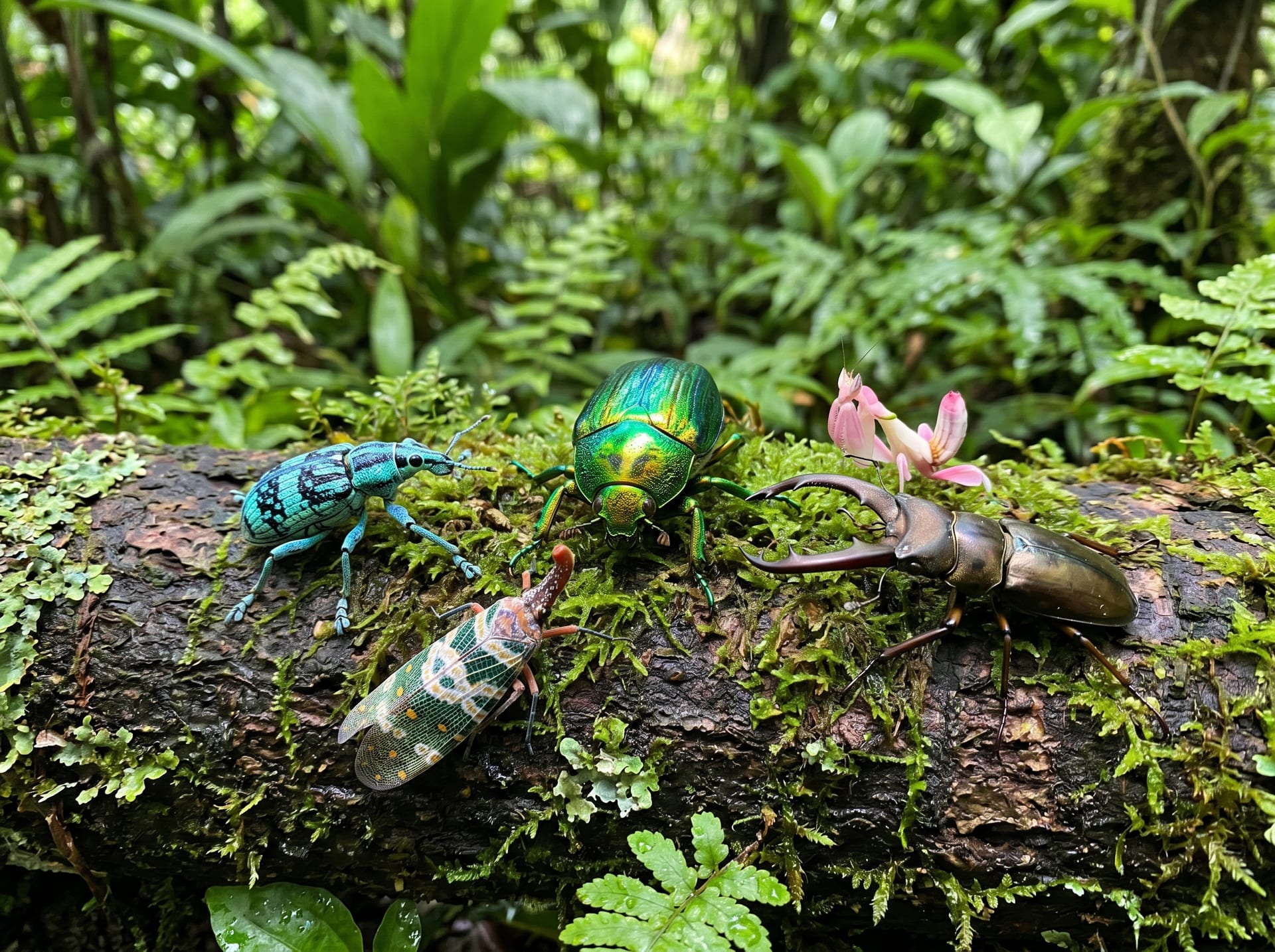
The "other insects" category covers a diverse range of fascinating invertebrates beyond beetles and stag beetles, including stick insects, crickets, tarantulas, and more. Each species has its own unique ecology and charm, enjoyed by hobbyists of all levels. Care requirements vary greatly by species, so researching your chosen animal thoroughly before bringing one home is essential.

Limited Time Offer

0% commission on your first sales!Register by September 30, 2026 and your first 2 sales are commission-free!

Breeder Wanted!

List on BreederDirect and sell directly to customers nationwide!

Free registrationNo monthly feesCommission on sales only
Register Now for Free

6 Transparency Standards You Can Trust

When listing Insects, Breeders disclose the following. We guarantee transparency on growth stage and breeding unit.

  • Life Stage Clarity
  • Generation Info
  • Real Photos
  • Breeding Unit
  • Country of Origin
  • Body Length (mm)
0 items

Verified breeders wanted for Insects

Breeders are signing up now ahead of launch. Subscribe to be notified when new listings go live.

Getting alerts is free with a member account. When new listings match your saved search, we'll notify you by email and in-app.

Browse other categories

Verified breeders (preview)

Are you raising insects?

Register as a breeder and connect with buyers directly.
Apply as a breeder

About Other Insects

"Other Insects" is a broad category encompassing a remarkable variety of arthropods and insects beyond the popular rhinoceros and stag beetles. Stick insects mesmerize with their near-perfect plant mimicry, mantises command attention with their predatory precision, and crickets add a musical dimension to keeping. Tarantulas, though technically arachnids, have long been embraced by insect enthusiasts for their exotic appearance and diverse personalities. Many of these animals originate from tropical rainforests, deserts, and grasslands around the world, and recreating their natural environment is itself a rewarding part of the hobby. Difficulty levels span a wide spectrum—some species are beginner-friendly, while others demand strict temperature and humidity control or a steady supply of live prey. Although many of these species have a relatively short history as pets, the increasing availability of captive-bred individuals from specialist breeders has made them more accessible than ever. Whether you're drawn in by a single fascinating creature or looking to explore the deeper world of invertebrate keeping, this category offers something uniquely captivating.

7 things to know before welcoming a Other Insects

  1. 1Each Species Is Unique

    This category spans an enormous variety of animals with vastly different diets, behaviors, and ecological needs. Before purchasing, narrow down the specific species you want and research its requirements in detail. General insect care guides alone are rarely sufficient.

  2. 2Choosing the Right Enclosure

    The ideal enclosure varies significantly by species. Arboreal species need tall vertical setups, while ground-dwelling species need wider floor space. Always verify that lids seal securely, as many insects are skilled escape artists.

  3. 3Temperature and Humidity Matter

    Most insects are sensitive to fluctuations in temperature and humidity. Use a thermometer and hygrometer to monitor conditions daily, aiming to replicate the species' native climate. Avoid sudden changes caused by seasonal shifts or air conditioning.

  4. 4Diet and Feeding Basics

    Herbivorous species require fresh leaves or vegetables, while carnivorous species need live prey such as crickets or dubia roaches. When feeding live prey, only offer amounts your insect can consume promptly, as uneaten prey may injure it. Research the correct feeding frequency for your specific species.

  5. 5Handling Molts and Metamorphosis

    Insects become extremely vulnerable during molting and metamorphosis. Minimize disturbances such as feeding, misting, and cage cleaning during these periods. Humidity management is especially critical, as failed molts can be fatal in many species.

  6. 6Know the Risks: Venom and Bites

    Some insects and invertebrates possess venom or are capable of biting and stinging. Before acquiring species such as tarantulas or large predatory insects, thoroughly understand the associated risks. Keep handling to a minimum and use appropriate tools such as tongs or gloves when necessary.

  7. 7Check Legal Regulations

    Some insects are subject to restrictions or outright bans under Japan's Invasive Alien Species Act or wildlife protection laws. Importing specimens from abroad also requires compliance with phytosanitary and quarantine regulations. Always source animals from reputable breeders or specialty shops to ensure legal and ethical acquisition.

Frequently asked questions about Other Insects

Q.Which species are suitable for beginners?
A.Crickets and stick insects are among the most beginner-friendly options in this category. Choosing a species that tolerates room temperature and accepts readily available food will minimize early difficulties.
Q.Are tarantulas dangerous to keep?
A.Most tarantulas are docile but can bite when threatened, and New World species may flick urticating hairs as a defense. With proper handling precautions, serious incidents are uncommon, but those with allergies should exercise extra caution.
Q.Where can I obtain live feeder insects?
A.Feeder insects such as crickets and dubia roaches are available at reptile and insect specialty stores as well as online retailers. Breeding your own feeders can reduce costs but requires dedicated space and regular maintenance.
Q.Can different species be housed together?
A.Co-housing different species is generally not recommended due to risks of predation, disease transmission, and stress. Even within the same species, some insects are cannibalistic, so housing individuals separately is the safest approach.
Q.Is it okay to release my insect into the wild?
A.Releasing non-native insects into the wild can have serious ecological consequences and may be prohibited by law. If you can no longer care for your insect, contact a specialist shop about rehoming or seek a responsible new owner.

Useful tools for Other Insects care

More in this category

Can't find the one you're looking for?

Post your wishes for free and breeders with matching animals will contact you with introductions.