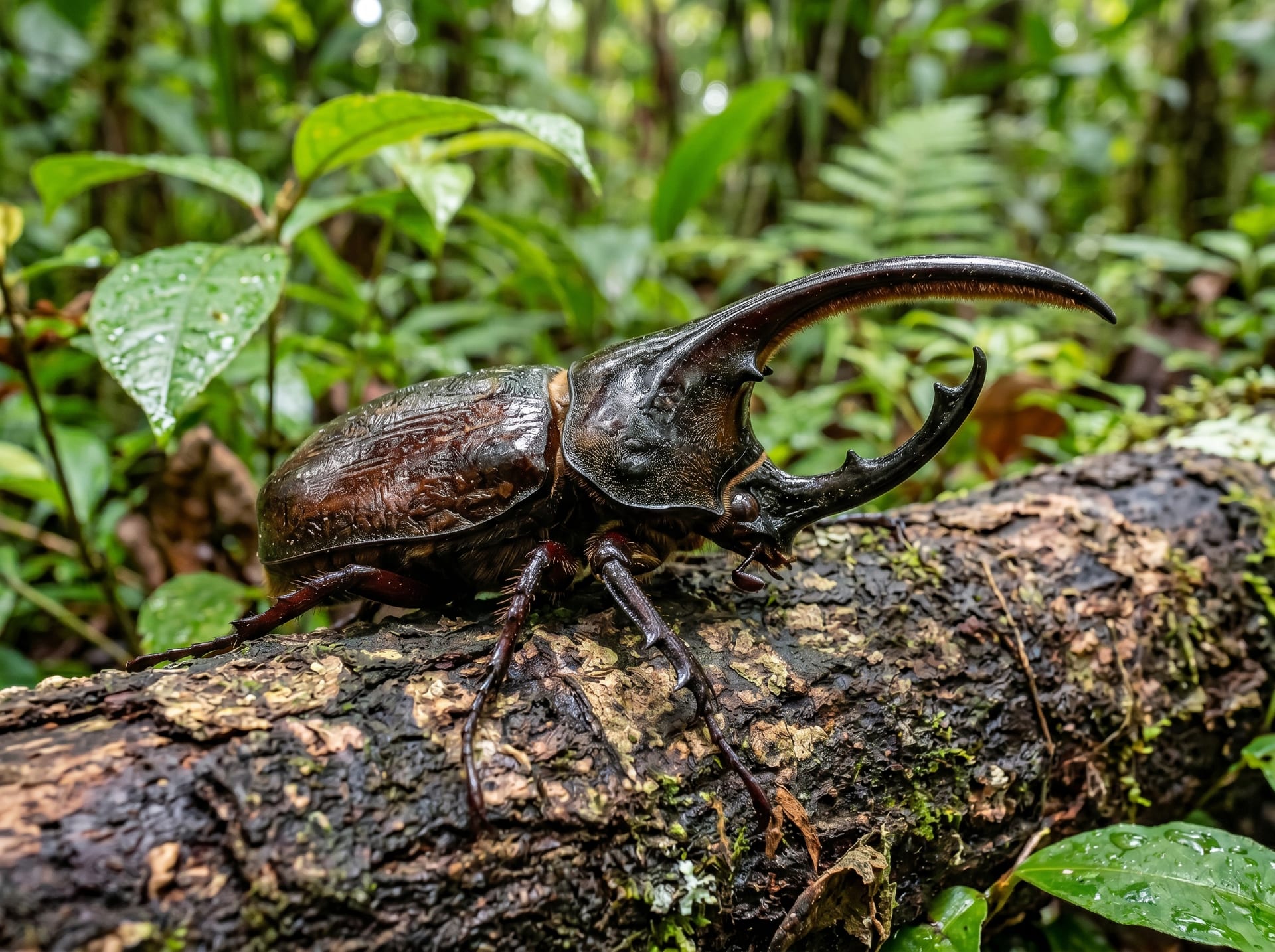
Neptune Beetle
Rare large beetle from South American highlands. Second largest after Hercules. Jet-black body with long horn is stunning.
View Neptune Beetle encyclopedia →0% commission on your first sales!Register by September 30, 2026 and your first 2 sales are commission-free!
Breeder Wanted!
List on BreederDirect and sell directly to customers nationwide!
6 Transparency Standards You Can Trust
When listing Insects, Breeders disclose the following. We guarantee transparency on growth stage and breeding unit.
- Life Stage Clarity
- Generation Info
- Real Photos
- Breeding Unit
- Country of Origin
- Body Length (mm)
Browse all 26 breeds
Verified breeders wanted for Insects
Breeders are signing up now ahead of launch. Subscribe to be notified when new listings go live.
Getting alerts is free with a member account. When new listings match your saved search, we'll notify you by email and in-app.
Browse other categories
Verified breeders (preview)
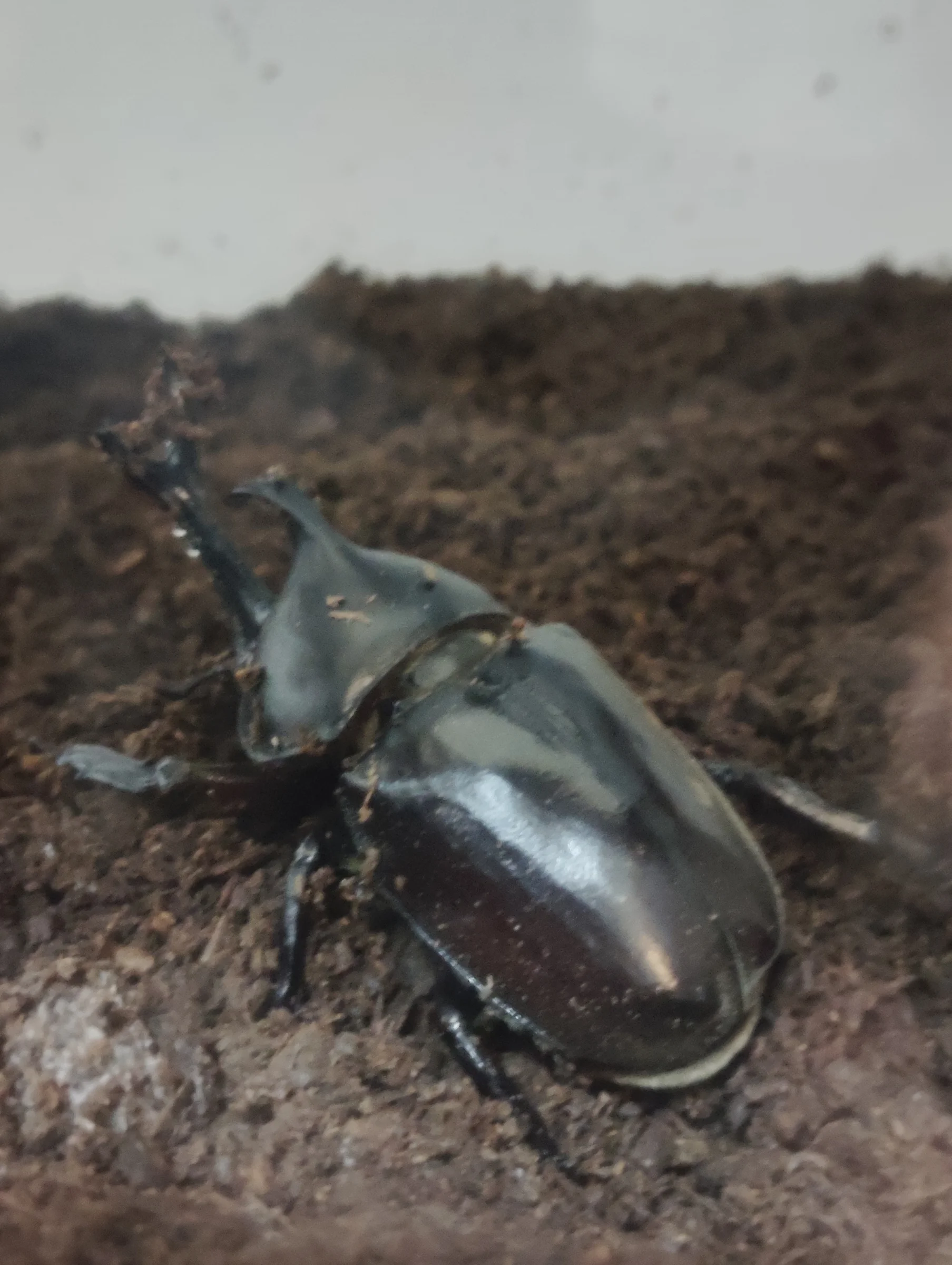
Neptune Beetle key facts
- Care level
- Advanced
- Lifespan
- Adult 6-12 months, larva 2-3 years
- Size
- Up to 150mm
- Diet
- Beetle jelly (adult), fermented substrate (larva)
- Temperature
- 17-22°C (cool temperature essential)
- Larval period
- 2-3 years — very long
- Rarity
- Rare in trade and expensive
- Environment
- Wine cooler temperature management essential
- Notes
- Highland species — Japanese summer is biggest threat
About Neptune Beetle
The Neptune Beetle (Dynastes neptunus) inhabits the cloud forests of the Andes mountain range in countries such as Colombia and Ecuador, typically at elevations between 1,000 and 2,500 meters. Males are ranked as the world's second longest beetle after the Hercules Beetle, distinguished by a glossy jet-black body and two long, curved horns — one on the thorax and one on the head. Horn length varies considerably between individuals, with well-bred specimens occasionally exceeding 10 cm in total body length. Females lack horns and are notably smaller and stockier than males. In temperament, Neptune Beetles are relatively calm and can become accustomed to handling, though males will fight fiercely if housed together. The lengthy larval stage of two to three years is considered one of the great rewards of keeping this species, allowing owners to observe its remarkable transformation over an extended period. Its tolerance for cooler temperatures, rooted in its highland origins, combined with its sheer imposing presence, make it a prized and enduringly popular species among serious beetle enthusiasts.
7 things to know before welcoming a Neptune Beetle
1Cool Temps Are Essential
The Andean highlands where this beetle originates remain cool year-round, with an ideal keeping temperature of around 18–24°C. Japanese summers can easily exceed safe thresholds, so air conditioning or a dedicated cooling unit is essential. Temperatures above 30°C can rapidly weaken the beetle, making summer management particularly critical.
22–3 Year Larval Stage
Neptune beetle larvae take two to three years to reach adulthood, requiring a long-term commitment from the keeper. During this period, fermented substrate must be replaced regularly to support healthy growth. Patience is the most important factor in producing large, well-developed adults.
3Enclosure Size Matters
Adults often exceed 10 cm in length and require a spacious enclosure. Larvae are best raised in containers of 10–15 liters or more, as larger volumes tend to produce bigger adults. Always check that the lid locks securely, as these beetles can push through poorly fitted covers.
4Adults Have Short Lives
Adults typically live for six to twelve months after eclosion, which is average for large beetles. They do not begin feeding immediately after emerging, so it is important to let them rest quietly until post-eclosion feeding starts. Replacing beetle jelly daily and maintaining a clean enclosure helps support their full lifespan.
5A Costly Rare Species
Neptune beetles are rarely available in the market, and prices often range from several thousand to tens of thousands of yen for larvae, with adult pairs frequently commanding even higher prices. Ongoing costs such as substrate, food, and electricity for cooling should also be factored in. Understanding the total cost of ownership before purchase is strongly recommended.
6Breeding Is Challenging
Successful egg-laying requires well-matured fermented substrate and careful control of temperature and humidity; unfavorable conditions often result in no eggs being laid. Males can injure females during pairing, so separating them promptly after mating is advisable. This species is generally better suited to keepers with prior experience raising large beetles.
7Check Import Regulations
As a rare South American species, Neptune beetles may be subject to phytosanitary inspection or import restrictions depending on their sourcing. Before purchasing, confirm with the seller that the individual has been legally distributed within Japan. Always source from reputable sellers who comply with applicable regulations.
Frequently asked questions about Neptune Beetle
- Q.Can I find Neptune Beetles for sale in Japan?
- A.Neptune Beetles are occasionally available from specialist breeders and insect shops, though supply is limited and prices tend to be high. Purchasing directly from a breeder allows you to verify lineage and husbandry history, which is reassuring for first-time keepers.
- Q.How long does it take to go from larva to adult?
- A.The process typically takes two to three years, varying somewhat with temperature and substrate quality. Patience and a long-term perspective are key to successfully raising this species. Once pupation occurs, adults emerge within approximately two to three months.
- Q.What do I need to keep an adult Neptune Beetle?
- A.The essentials are a tall, spacious enclosure, high-protein beetle jelly, pieces of cork bark or wood for gripping and righting itself if it tips over, and an environment maintained at 20–25°C. Place the enclosure away from direct sunlight and avoid excessively hot or humid conditions.
- Q.How do I breed Neptune Beetles?
- A.Wait several weeks after adults begin feeding post-eclosion to ensure full sexual maturity, then briefly house a male and female together under supervision for mating. For egg-laying, provide a container filled deeply with fermented mat that allows the female to burrow. Clutch sizes vary by individual, but 10 to 30 eggs per laying is a typical range.
- Q.How often should I change the larval substrate?
- A.Aim to replace the substrate every two to three months, or sooner if it visibly deteriorates or dries out. Never disturb the substrate once a larva has begun constructing its pupal cell. When changing the mat, use a spoon or similar tool to remove the larva gently to avoid injury.
Useful tools for Neptune Beetle care
Learn more about Neptune Beetle in the encyclopedia
View Neptune Beetle encyclopedia entry →
Care difficulty, lifespan, size and diet — all basics covered.
Neptune Beetle related articles
See more Neptune Beetle articles →More in this category
Can't find the one you're looking for?
Post your wishes for free and breeders with matching animals will contact you with introductions.