Neptune Beetle (Dynastes neptunus) Care Guide | How to Raise the Largest Beetle from Colombia
The Neptune Beetle (Dynastes neptunus) is a large rhinoceros beetle native to Colombia and Ecuador, with body length comparable to the Hercules beetle. This comprehensive guide covers everything from larval temperature management and substrate selection to adult care after emergence, providing complete guidance for successfully raising this species, which is rarely available in Japan.
Key Takeaways
The Neptune Beetle (Dynastes neptunus) is a large rhinoceros beetle native to Colombia and Ecuador, with body length comparable to the Hercules beetle. This comprehensive guide covers everything from larval temperature management and substrate selection to adult care after emergence, providing complete guidance for successfully raising this species, which is rarely available in Japan.
Related Species
What Kind of Insect Is the Neptune Beetle?
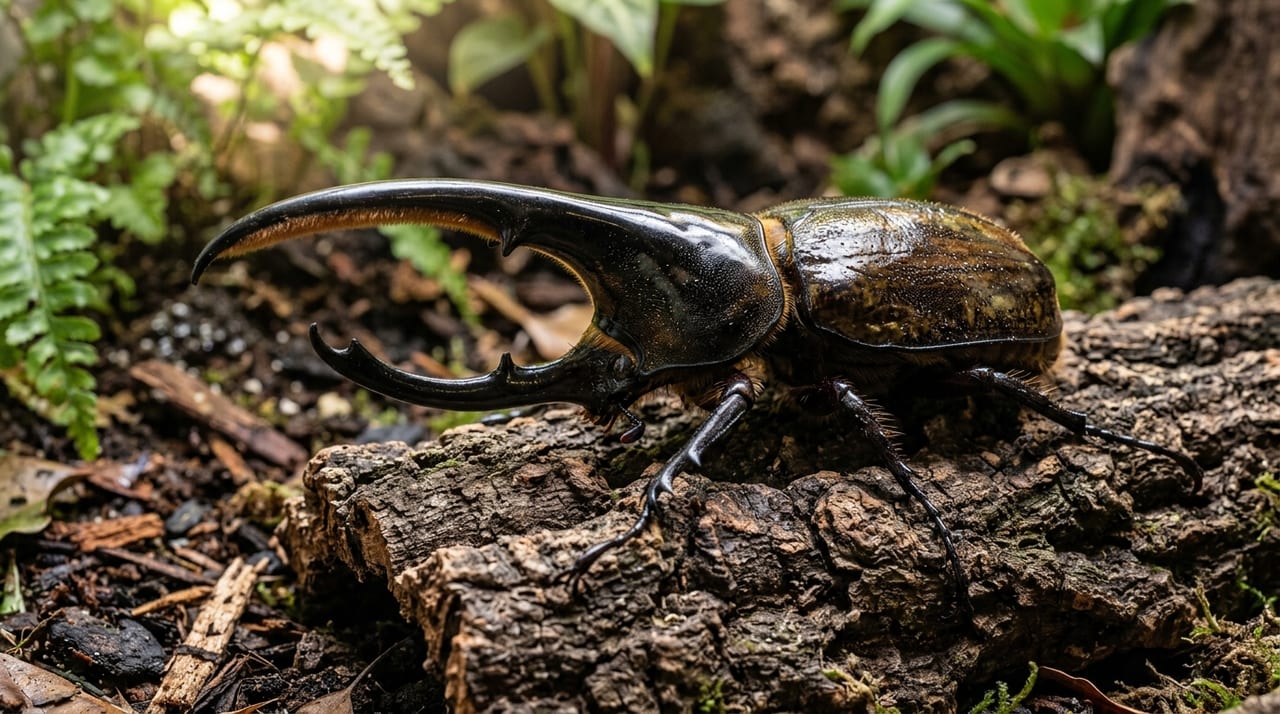
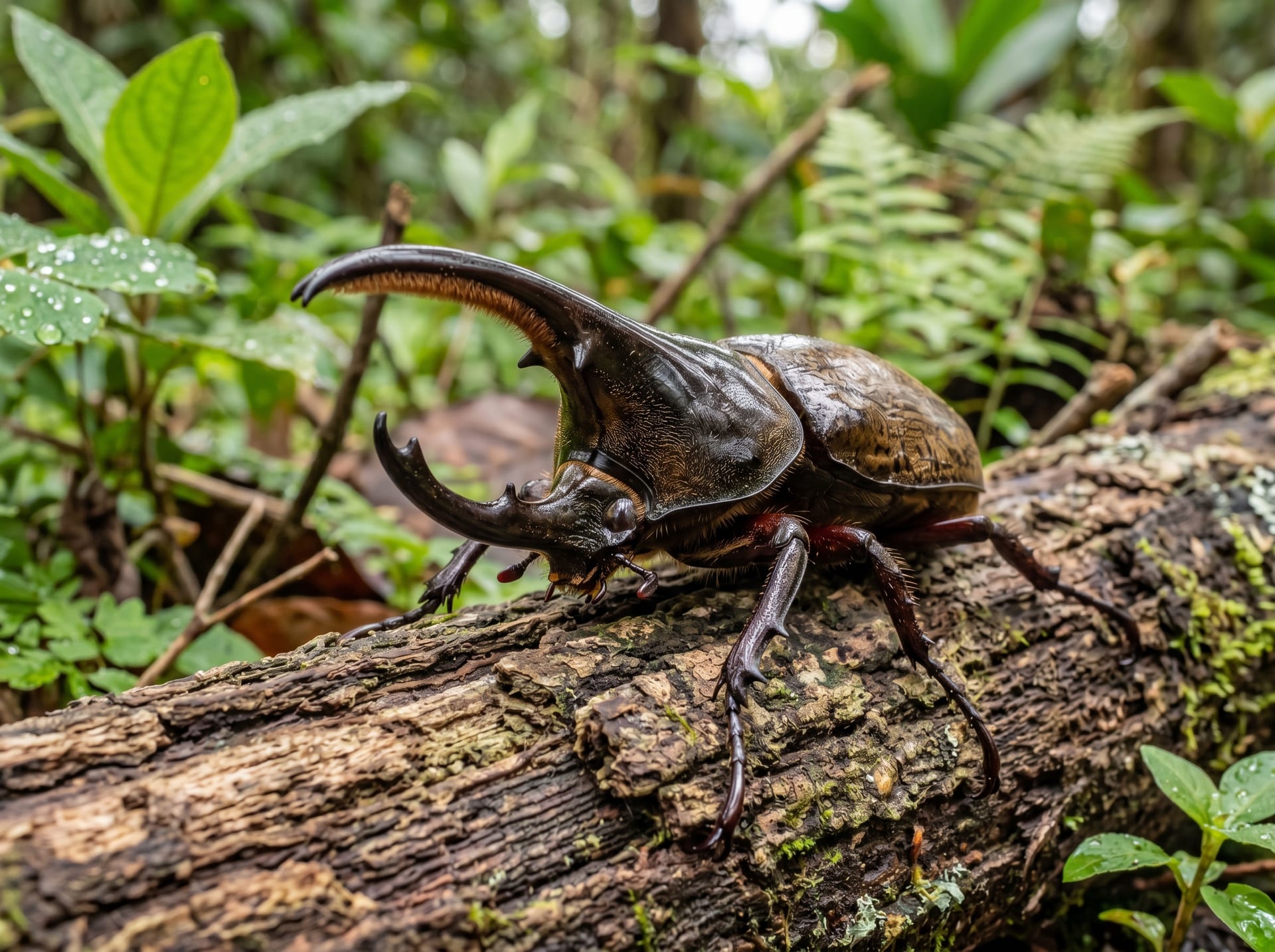
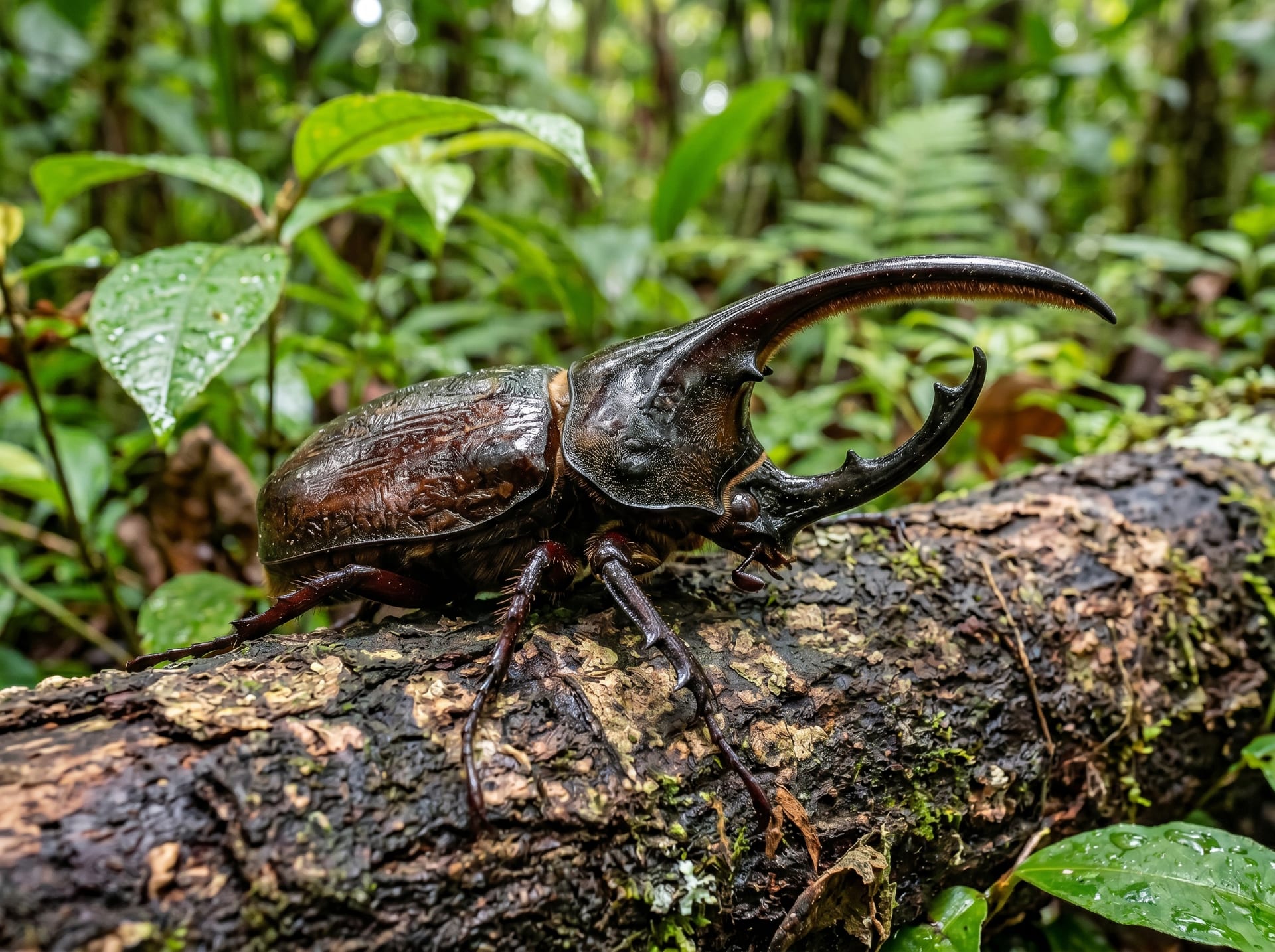
The Neptune Beetle (Dynastes neptunus) is a large beetle of the genus Dynastes in the family Scarabaeidae (subfamily Dynastinae), inhabiting the high altitude regions of the Andes Mountains in Colombia, Ecuador, and Peru (elevation 1,500–2,800m).
Males reach a maximum body length of 14–17cm (including horns), making it one of the world's largest beetles. While the Hercules beetle (Dynastes hercules) of the same genus is more well-known, the Neptune Beetle possesses unique beauty in both its horn shape and body form.
Basic Information
| Item | Details |
|---|---|
| Scientific Name | Dynastes neptunus |
| English Name | Neptune Beetle |
| Native Range | Colombia, Ecuador, Peru (Andes highlands) |
| Body Length (Male, with horns) | 80–170mm (varies by individual) |
| Maximum Larval Weight | 80–120g |
| Adult Lifespan | 3–6 months |
| Larval Period | 2–4 years (extendable with temperature control) |
| Care Difficulty | Advanced (temperature control essential) |
Differences from the Hercules Beetle
| Comparison | Neptune | Hercules |
|---|---|---|
| Native Range | Andes highlands (cool) | Central–South America lowlands (hot) |
| Ideal Larval Temperature | 16–22°C (temperature control essential) | 22–26°C |
| Availability | Rare in Japan | Relatively available |
| Horn Shape | Thin and long, symmetrical | Thick and long, somewhat asymmetrical |
The Most Important Point in Raising Them: Temperature Control
The biggest challenge in caring for Neptune Beetles is temperature control. Adapted to the cool climate of the Andes highlands, larvae thrive at 16–22°C, and temperatures above 25°C increase the risk of weakening and death.
Methods for Temperature Control
| Method | Features | Cost |
|---|---|---|
| Wine cooler / Refrigerated wine cabinet | Optimal at constant 15–18°C | Medium–High |
| Dedicated collector case (Peltier cooling) | Compact, temperature adjustable | Medium |
| Air-conditioned room (summer only) | Viable if can maintain below 22°C in summer | Low (air conditioning electricity) |
| Refrigerator vegetable drawer (partial larval stage) | Not recommended (drying, vibration) | — |
Minimum Requirement: If your environment cannot maintain temperatures below 25°C during summer, raising them will be difficult. Prepare temperature control equipment before acquiring larvae.
Larval Care Methods
Substrate Selection
Neptune Beetle larvae prefer fully ripened leaf mold substrate.
| Substrate Type | Suitability | Notes |
|---|---|---|
| Fully ripened fermented substrate (commercial) | Excellent | Immature substrate causes heat and gas buildup, risking death |
| Beetle-specific fermented substrate | Good | Coarse types are difficult for larvae to consume |
| Stag beetle fungal bottles | Not suitable | Not compatible with Dynastes genus |
How to Use Substrate:
- Pack fully ripened substrate firmly into larval bottles (1.5L–3L) after allowing gas to escape
- Change substrate every 3–4 months (avoid changing during molting from 2nd to 3rd instar)
- Moisture should be such that squeezing leaves a slight impression (both overdrying and overwatering are dangerous)
Larval Container Size
| Instar | Container Size |
|---|---|
| 1st Instar | 500ml–1L dessert cup |
| 2nd Instar | 1L–2L bottle |
| 3rd Instar (early) | 2L–3L bottle |
| 3rd Instar (late, larger) | 3L–5L bottle or large container |
Individual Rearing: Due to risk of cannibalism among larvae, always keep one larva per bottle.
Managing Pupation and Emergence
The pupation chamber of Neptune Beetles is extremely large (20–25cm × 10–12cm), so pupation will fail if the bottle is too small.
Signs of Pupation Chamber Formation:
- Larva becomes immobile and body contracts (prepupa stage)
- Defecation stops
- Body hardens and color changes to yellow to brown
Notes During Pupation:
- Never dig into the substrate after the pupation chamber is formed
- Move containers carefully to avoid vibration
- Ensure adequate airflow but be careful about moisture evaporation (to prevent chamber collapse)
How to Create an Artificial Pupation Chamber (if the natural chamber collapses):
- Carve out foam insulation to create a hole matching the pupa's shape
- Make the hole depth and width about 1–2cm larger than the pupa
- Attach moistened tissue paper around it to maintain humidity
Confirming Emergence:
- After emergence from pupa to adult, the beetle hardens its body in the pupation chamber for 1–2 months before eating (pre-feeding)
- Do not excavate until the beetle emerges on its own
- Provide hydration (jelly) once it emerges
Adult Care Methods
Adult Case Setup
| Item | Setup |
|---|---|
| Case Size | Tall, 30cm+ width (large case recommended) |
| Substrate | Hardwood leaf litter 10cm or more |
| Anti-tipping materials | Multiple branches and bark pieces (prevents death from inability to right itself) |
| Temperature | 18–22°C (continue temperature control) |
| Humidity | 60–70% |
Anti-tipping is essential: Male Neptune Beetles have long horns, so they may not be able to right themselves if overturned. Arrange multiple bark pieces and branches to create an environment where they can get up.
Feeding
Use insect jelly (high-protein, high-calorie) as the main food.
- Replace 1–2 pieces per day (check daily as leftovers spoil quickly)
- Fruits (banana, apple) can be supplemented (watch for spoilage in summer)
- Watermelon and cucumber are high in moisture and may cause diarrhea, so they are not suitable as main food
Breeding
After mating between male and female Neptune Beetles, females lay eggs in cool, fully ripened substrate.
Timing for Mating:
- Wait 1–2 months after emergence and confirm "first feeding" (the beetle's first meal)
- Wait another 2–4 weeks after confirming first feeding before attempting to mate
Egg-laying Setup:
- Pack fully ripened substrate 20cm or deeper into a large container (60L or more)
- Remove the male and place the female alone in the egg-laying setup
- Egg-laying period is 1–2 months (maintain 18–20°C)
- Typical clutch size is 15–40 eggs
Summary: Balancing Rarity and Challenge
The Neptune Beetle is rarely available in Japan and is highly valued as a rare collector's item. If you can overcome the challenge of temperature control, the sense of achievement in raising a large specimen over 2–4 years is incomparable.
Thoroughly preparing your care equipment (temperature-controlled environment) before acquiring them is absolutely essential for successful breeding of this species. Please try your hand at the ultimate insect-keeping challenge of raising one of the world's largest beetles in your own home.