Earwig Care Guide | How to Raise and Breed Japanese Littlewigs and Hokkaido Earwigs
An earwig care guide covering housing, feeding, and breeding methods for littlewigs and Hokkaido earwigs. Discover fascinating maternal behaviors, including how mothers protect their eggs.
Key Takeaways
An earwig care guide covering housing, feeding, and breeding methods for littlewigs and Hokkaido earwigs. Discover fascinating maternal behaviors, including how mothers protect their eggs.
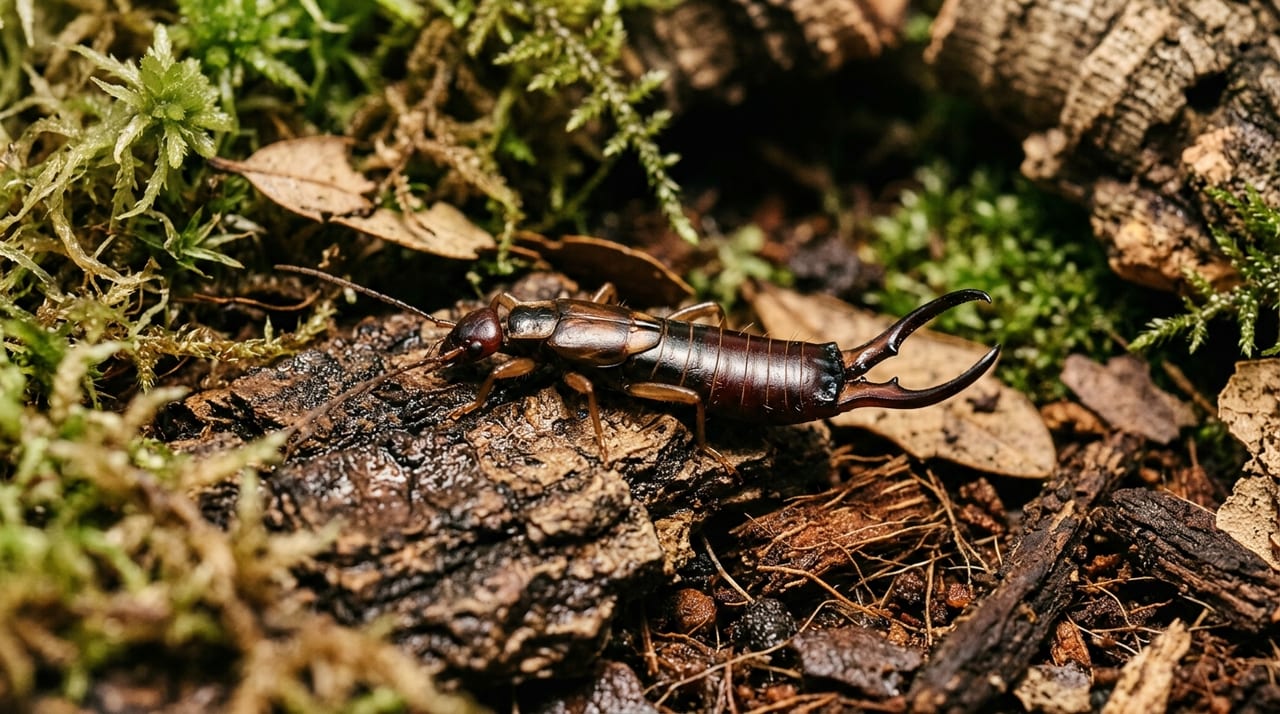
Earwigs are insects characterized by distinctive pincers (cerci) at their rear end. These nocturnal, omnivorous detritus feeders play an important ecological role as nature's cleanup crew. While not as popular as beetles or stag beetles, they have gained attention as subjects for insect observation and breeding due to their unique appearance and surprisingly sophisticated maternal behavior. This guide focuses on the littlewig and Hokkaido earwig native to Japan, explaining key points for care and breeding.
Earwig Basics: Species and Identification
Approximately 20 species of earwig inhabit Japan. The most commonly kept in captivity are listed below:
Littlewig (Anisolabis maritima) Primarily inhabits sandy areas along coasts and riverbanks. Body length 15–25 mm. Distinguished by noticeably curved pincers. Easy to keep and relatively straightforward to breed.
Hokkaido Earwig (Forficula mikado) Inhabits mountainous and forested regions. Body length 10–15 mm. Pincers are slender with pronounced sexual dimorphism (males have larger, more curved pincers). A common species domestically.
Yamato Earwig (Haplodiplatys pacificus) Inhabits damp areas of Honshu, Shikoku, and Kyushu. Body length 8–12 mm. One of the most readily available species.
Misconceptions About Earwigs: Earwigs do not harm humans. While they use their pincers for defense, mating, and capturing prey, they lack the strength to pierce human skin. Handling them is safe, though they may release a defensive secretion from scent glands if startled.
Setting Up the Enclosure
Container: A medium plastic container (approximately 30 cm × 20 cm) works well. Choose a lid with good sealing, as earwigs are surprisingly agile and will escape through gaps.
Substrate: Lay a 3–5 cm layer of slightly moistened coconut fiber, leaf mold, or fine expanded clay pellets. Maintain humidity at 60–70%. Excessive dryness causes dehydration and death, while excess moisture promotes mold and bacterial growth. Mist with a spray bottle once or twice weekly.
Temperature: Native Japanese species (littlewig and Hokkaido earwig) can be kept at 15–28°C. Summer heat above 30°C is lethal, so place the enclosure in a cool indoor location. While they can survive temperatures above 5°C in winter, breeding requires 20–25°C.
Shelters: Add several pieces of rotting wood, bark, cork bark, egg carton, or similar materials. Earwigs prefer dark, enclosed spaces and hide in shelters during the day. Multiple shelters reduce territorial conflicts among multiple individuals.
Lighting: Not necessary. Being nocturnal, they become less active in bright conditions. Observe them at night using a flashlight or headlamp.
Feeding: Omnivorous and Easy to Manage
Earwigs are omnivorous and accept a diverse diet.
Primary Foods:
- Vegetable scraps (cabbage, lettuce, carrot, or spinach trimmings)
- Fruits (banana, apple peel)
- Insect jelly (low-sugar beetle type)
- Small insects (dead crickets, worms)
- Fish flakes (in small amounts)
Feeding Frequency: Offer small amounts 2–3 times weekly. Remove uneaten food the next day to prevent mold and mite infestations.
Water: Do not provide standing water, as earwigs can drown. They obtain moisture from vegetables and fruits. Misting the substrate also provides hydration.
Breeding: A Rare Insect with Observable Maternal Behavior
The most fascinating aspect of earwig breeding is the maternal behavior in which females protect eggs and first-instar nymphs. Unlike many insects that abandon their eggs after laying, female earwigs brood their eggs until hatching and continue caring for nymphs until independence.
Pairing: Place a male and female together in the same container. Distinguish sexes by pincer shape: males have large, curved pincers while females have nearly straight ones. Mating is frequent during the breeding season (spring to autumn).
Egg-Laying: Females lay dozens of eggs (20–80) in moist soil or dark sheltered areas. After laying, move the male to a separate container, as females may attack him.
Incubation Period: The female covers the eggs with her body to protect them from desiccation and mold. Continue feeding her during this time, but minimize disturbance near the nest. Excessive stress may cause her to consume the eggs. Eggs hatch in 15–25 days, depending on temperature.
Nymph Stage: Hatchlings remain near the female for 2–3 weeks. Feed nymphs the same diet as adults but chopped finely. They undergo 3–5 instars before reaching adulthood (2–4 months total).
Common Problems and Solutions
Mite Infestations: High humidity triggers red mite outbreaks. Allow the substrate to dry out somewhat and increase ventilation. Promptly remove uneaten food to prevent infestations.
Cannibalism: Males kept together often cannibalize each other. Individual housing is safest, though multiple individuals can coexist if space is generous and shelters are adequate.
Escapes: Earwigs slip through lid gaps. Secure the lid with tape or weights.
Earwigs are recommended for both beginners and advanced keepers, offering ease of care combined with the opportunity to witness the remarkable maternal behavior that makes them truly special.