Goliath Beetle (Goliathus goliatus) Care Guide | Larval Management, Adult Feeding, and Acquisition Methods
A guide to caring for Goliath beetles, one of the world's heaviest insects. Includes larval rearing with high-protein substrate, adult fruit feeding, temperature management, and breeding basics.
Key Takeaways
A guide to caring for Goliath beetles, one of the world's heaviest insects. Includes larval rearing with high-protein substrate, adult fruit feeding, temperature management, and breeding basics.
Related Species
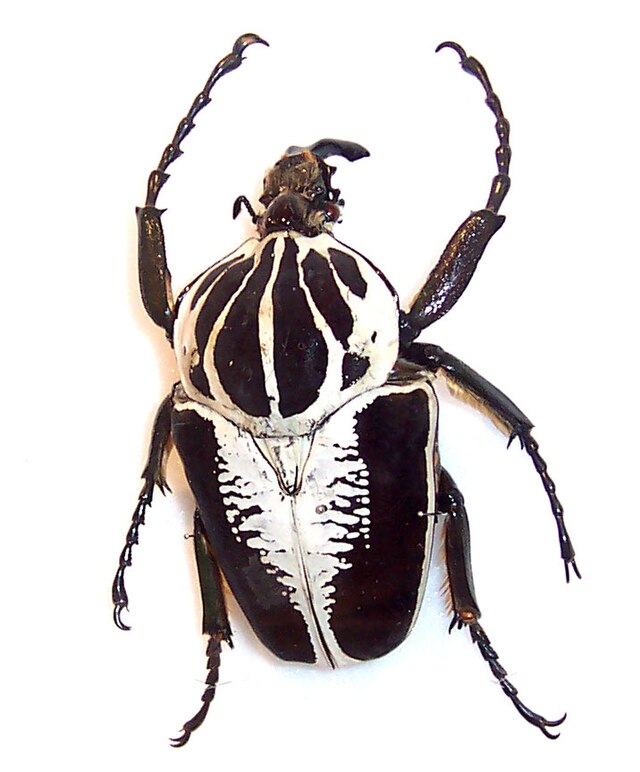
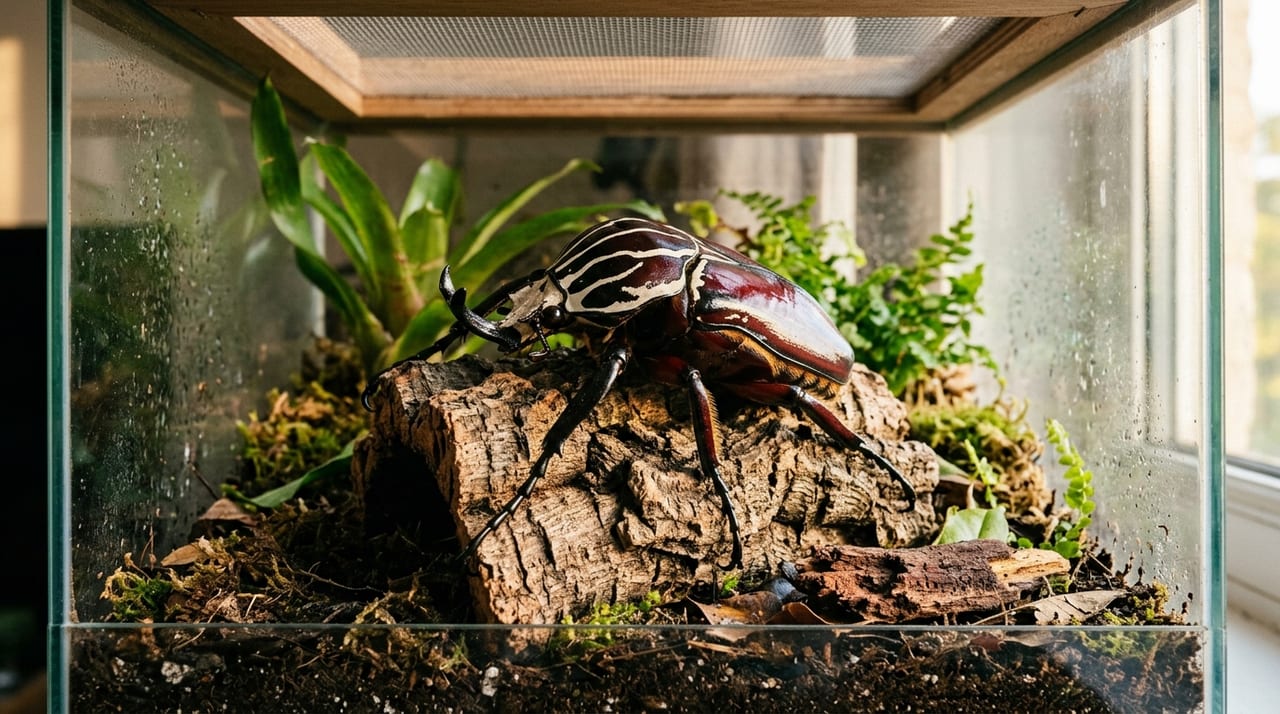
The Goliath beetle (scientific name: Goliathus goliatus and others) is a beetle of the family Scarabaeidae that inhabits the tropical rainforests of central and West Africa and is known as one of the world's heaviest insects. Adult beetles reach 6-11 cm in body length, and males can exceed 100 g in weight. When held in hand, they have an overwhelming texture and presence. Unlike Japanese rhinoceros beetles and stag beetles, they require unique husbandry methods, but once you experience their charm, it's hard to give up on them.
Types of Goliath Beetles
The main species commercially available are as follows:
- Goliathus goliatus: The largest species. Reddish-brown to dark brown body with white striping
- Goliathus regius: Lighter body color with distinctive pronotum markings
- Goliathus orientalis: Relatively compact. Tanzania origin
- Goliathus albosignatus: Slightly smaller and relatively easy to obtain
Importing wild-collected individuals to Japan is not subject to CITES regulations, but various African countries have export restrictions. Currently, CB (captive-bred) individuals are the mainstream.
Larval Rearing (Most Critical)
The most challenging and important aspect of Goliath beetle husbandry is larval management. The fundamental difference from Japanese rhinoceros beetle larvae is the requirement for a high-protein diet.
Using Specialized Substrate (High-Protein Substrate)
Ordinary fermented substrate is insufficient in nutrition and larvae will barely develop. High-protein fermented substrate mixed with dog or cat dry food is the standard for Goliath beetle larval rearing.
Basic preparation method:
- Per 1 kg of fermented substrate (made from oak or chinkapin bark, for rhinoceros beetles), crush and mix 50-100 g of dog food (high-protein, grain-free preferred)
- Add adequate moisture (enough to hold shape when squeezed)
- Allow fermentation gases to dissipate in a well-ventilated area for 1-2 days before use
Using commercially available Goliath-specific substrate from specialty shops makes management easier.
Enclosure and Temperature
- Container size: Plastic containers of 3-5 L or larger (per larva)
- Rearing temperature: 24-28°C (25-26°C is optimal)
- Humidity: Maintain appropriately moist substrate (excess moisture causes mold and oxygen deprivation)
- Aeration: Provide adequate ventilation with multiple air holes in the lid
Larval Stages and Management
Goliath beetle larvae have a long developmental period, taking 6-12 months total from first to third instar. Third instar larvae can reach maximum weights of 80-100 g.
- Substrate replacement: Every 2-3 months. Activity suddenly drops when larvae exhaust old substrate
- Cannibalism: Multiple larvae in the same container may cannibalize each other. Always keep larvae in individual containers
- Weight monitoring: Periodically weigh larvae to confirm growth. Declining weight indicates malnutrition or illness
Pupation (Pupation Chamber)
As third instar larvae approach their final stage, they will compact substrate and begin constructing a pupation chamber. It is absolutely critical not to disturb them during this period. Disturbing the pupation chamber causes failed emergence. Once a hole appears on the substrate surface, this signals the start of pupation. Thereafter, keep them undisturbed while maintaining temperature and humidity.
Adult Care and Feeding
Adult Goliath beetles do not feed on tree sap and subsist primarily on high-sugar fruits and liquid foods.
Basic Feeding
- Banana: Most eagerly consumed. Offer in sliced rounds
- Apple, mango, papaya: Good balance of moisture and sugar content
- Jelly (high-protein insect jelly): An alternative when fresh fruit is difficult to obtain. However, choose high-protein varieties rather than standard rhinoceros beetle fruit jellies
- Honey water (5-10% concentration): Serves both hydration and nutritional supplementation
Avoid oak bark jelly designed for rhinoceros beetles and stag beetles, as it is nutritionally inadequate for Goliath beetles.
Adult Husbandry Environment
- Enclosure: 60 cm class well-ventilated container (height is necessary for flight)
- Temperature: 24-28°C
- Substrate: Thin layer of coconut husk mat etc. (no need for deep burrowing)
- Activity period: Most active in afternoon and evening. Often remain still in shade during daylight hours
Adult lifespan is relatively short at 3-6 months. If breeding, perform pairing promptly.
Breeding Tips
Prepare a container with 15-20 cm depth of high-protein substrate for mature females to lay eggs. Females lay 20-30 eggs, and post-hatching larval management follows the aforementioned procedures. After pairing, it is recommended to move the female to a separate container for oviposition in a stable environment.
Summary
The Goliath beetle is a fascinating, advanced-level beetle that combines the challenge of larval rearing with the overwhelming presence of adults. Once you master high-protein substrate management and temperature maintenance, the joy of raising slowly developing larvae is incomparable. In Japan too, a small number of breeders handle CB individuals, so if interested, try searching at specialty insect shops or insect expos.