Lacostes Glossy Stag Beetle Care Guide | Indonesian Glossy Stag Beetle Larval Management, High Temperature Control, and Breeding Tips
Care and breeding guide for the Indonesian Lacostes glossy stag beetle (Odontolabis lacostes). Comprehensive explanation of this genus's key characteristics including high temperature tolerance, fully fermented substrate egg-laying, and larval management techniques.
Key Takeaways
Care and breeding guide for the Indonesian Lacostes glossy stag beetle (Odontolabis lacostes). Comprehensive explanation of this genus's key characteristics including high temperature tolerance, fully fermented substrate egg-laying, and larval management techniques.
Related Species

About the Lacostes Glossy Stag Beetle
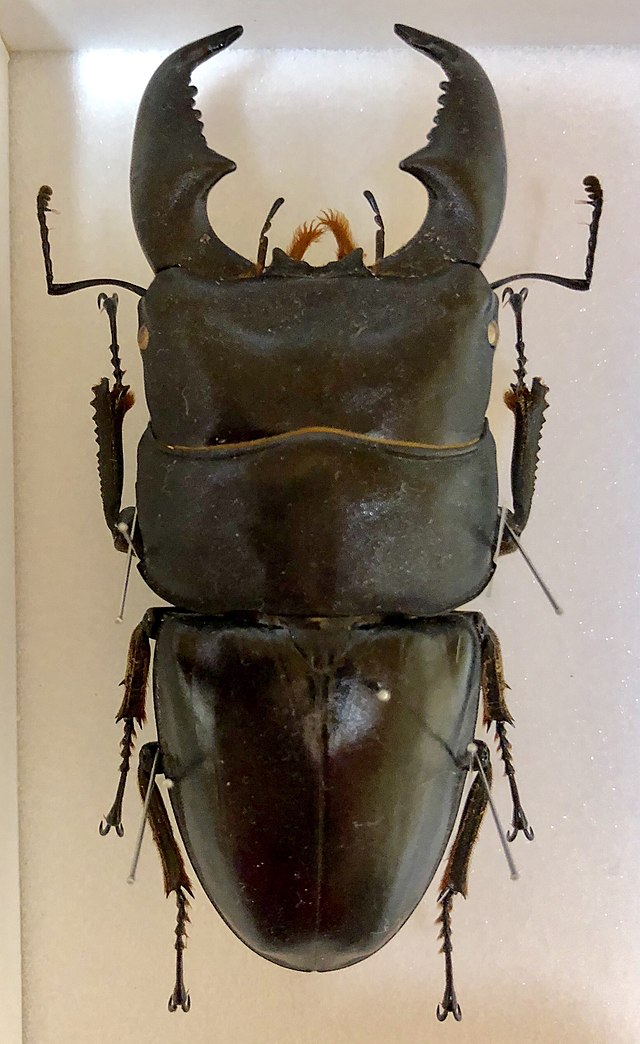
The Lacostes glossy stag beetle (Odontolabis lacostes) is a medium to large-sized stag beetle native to Indonesia, belonging to the Odontolabis genus (glossy stag beetles) in the family Lucanidae, order Coleoptera. As the name "glossy stag beetle" suggests, the exoskeleton has a striking sheen, displaying a lustrous black to dark brown coloration that is highly attractive.
Males reach a maximum length of approximately 60-80mm, and the straight mandibles combined with the body's sheen make them popular among collectors. While sharing similar husbandry characteristics with related species such as the dalmanni stag beetle (Odontolabis dalmanni) and bellicosus stag beetle (Odontolabis bellicosus), Lacostes is more commonly available in the hobby trade and is well-regarded as a beginner-friendly species.
Basic Ecology and Adaptation to Japanese Climate
Inhabiting the lowland to montane regions of Indonesia (altitudes of 500-1500m), this species is adapted to relatively warm environments. Compared to native Japanese stag beetles (such as the Japanese horned beetle or flathorn stag beetle), Lacostes exhibits higher heat tolerance and adults remain active even at temperatures of 28-30°C. However, temperatures above 32°C should be avoided, and air conditioning (27-28°C) is recommended during the summer months.
Adult Husbandry Setup
Housing
Standard adult housing consists of a medium-sized fruit fly-proof container (approximately 20cm height × 30cm width × 20cm depth). Medium-sized or larger containers designed for native Japanese stag beetles can also be used. Males are highly aggressive toward one another and toward females, so they should be housed individually (or in pairs only during breeding attempts).
Substrate
Spread a hardwood fermented substrate 15-20cm deep. The Odontolabis genus has a strong burrowing instinct, so substrate depth is critical. Insufficient depth causes chronic stress to the beetles.
Perches and Feeding Stations
Place 1-2 perches (cork bark or decaying wood) in the enclosure. Use feeding stations (jelly stands or bark) to prevent jelly cups from rolling around.
Feeding Management
The Odontolabis genus prefers high-protein jelly (55% protein jelly). While they will consume standard fruit jelly or fruit fly jelly, using high-protein jelly during long-term care and prior to breeding can extend lifespan and promote egg production.
Replace jelly every 2-3 days and remove uneaten portions. After the post-emergence feeding (first meal after adult emergence) begins, appetite increases rapidly, so increase the frequency of jelly changes.
Breeding Setup and Egg-Laying Management
Odontolabis Egg-Laying Characteristics
The Odontolabis genus rarely lays eggs in wood (decaying logs) and instead practices soil egg-laying, depositing eggs in fully fermented, humus-like substrate (fully fermented substrate). This is the primary difference from other stag beetles (such as wood-egg-laying species like the Japanese horned beetle).
Setting Up the Breeding Container
- Housing: Large fruit fly-proof container or larger (40-50L capacity ideal)
- Substrate: Fully fermented substrate (dark, humus-like fermented material) packed firmly to a depth of 30-35cm or more
- Moisture: Compress substrate to a consistency where it slightly holds together when squeezed firmly (avoid excessive moisture that causes water to drip)
- Temperature: 25-28°C is optimal for egg-laying
- Duration: Check for eggs after 2-3 months
During breeding, females frequently burrow into the substrate and lay eggs individually in the soil. If burrowing is observed within a week after setup, egg-laying has likely begun.
Larval Management
First and Second Instar Management
Newly hatched larvae are housed individually in plastic cups (120-430mL) filled with fully fermented substrate. First instar larvae are extremely small and grow by consuming microorganisms and organic matter in the substrate.
Transition to Third Instar
Transfer to 1L or larger containers when reaching the third instar. Odontolabis larvae have difficulty adapting to fungal substrate bottles, so management in fermented substrate is safer and more reliable.
Temperature and Management Schedule
- Larval rearing temperature: 23-27°C (higher temperatures promote faster growth but tend to produce smaller adults)
- Substrate change frequency: Every 2-3 months (before degradation or fruit fly infestation)
- Pre-pupae and pupae management: Once pupation chambers are formed, do not disturb them. These beetles tend to create vertical pupation chambers, so ensure adequate space at the bottom of the container for this purpose.
Adult Lifespan and Post-Emergence Care
Post-emergence Lacostes stag beetles begin feeding several weeks to several months after adult emergence. After post-emergence feeding begins, activity increases, requiring adequate jelly supply and appropriate space. Adult lifespan after post-emergence feeding is typically 6-12 months.
Summary
The Lacostes glossy stag beetle is an excellent beginner-friendly species within the Odontolabis genus, with good availability and relatively straightforward husbandry. The three main differences from native Japanese stag beetles are: (1) fully fermented substrate egg-laying, (2) high temperature tolerance, and (3) the need for deep substrate. With these points in mind, even beginner breeders can achieve consistent breeding results through proper setup and larval management. The lustrous sheen and powerful appearance of glossy stag beetles further expand the joy of beetle breeding.