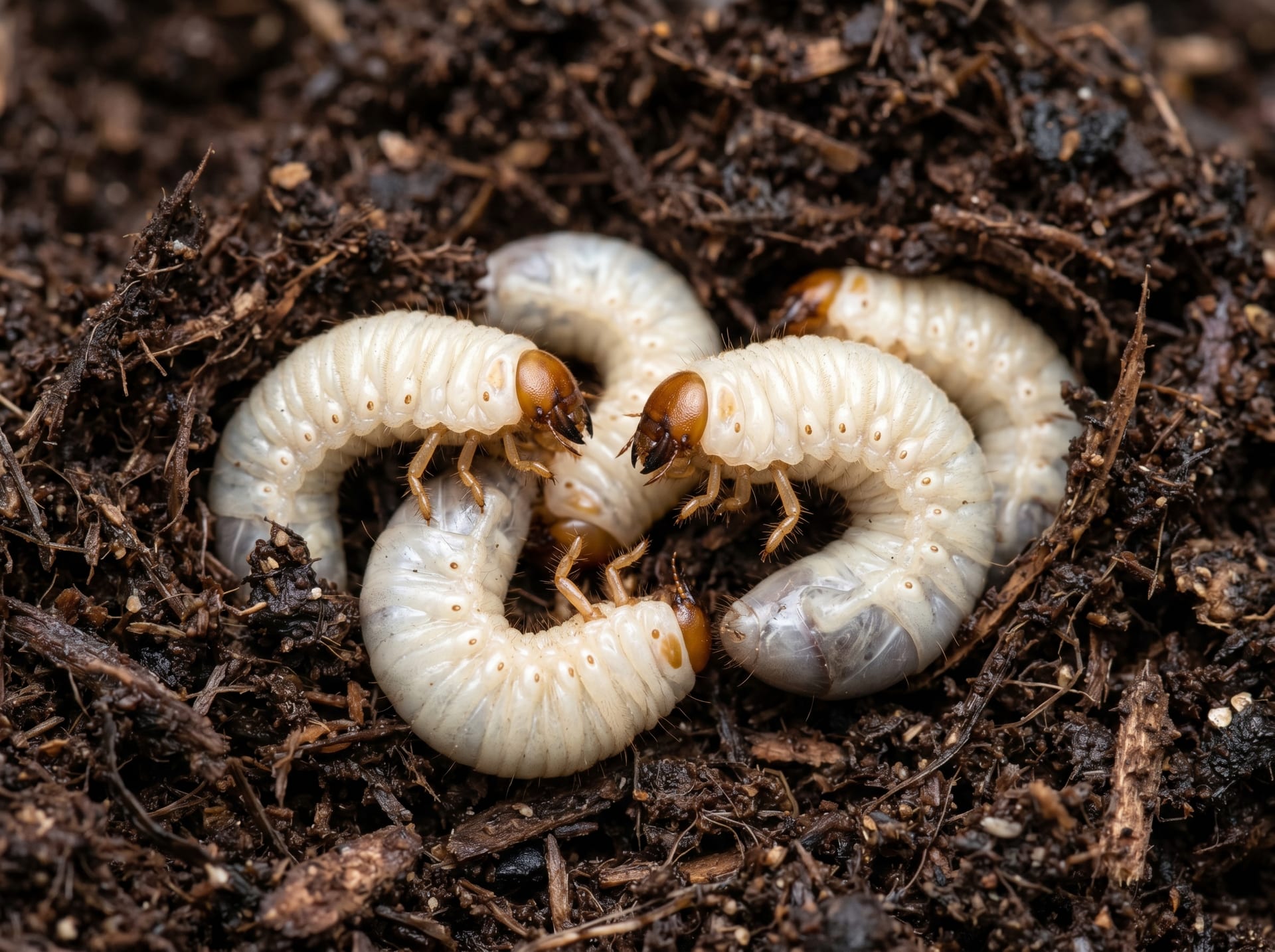
Beetle Larvae
Larvae represent one of the most critical stages in an insect's life cycle, growing through repeated molts before eventually reaching adulthood. Beetle and stag beetle larvae feed on leaf mold or decaying wood, slowly building their bodies over months. With the right setup, rearing larvae is a rewarding introduction to insect breeding and multi-generation keeping.
0% commission on your first sales!Register by September 30, 2026 and your first 2 sales are commission-free!
Breeder Wanted!
List on BreederDirect and sell directly to customers nationwide!
6 Transparency Standards You Can Trust
When listing Insects, Breeders disclose the following. We guarantee transparency on growth stage and breeding unit.
- Life Stage Clarity
- Generation Info
- Real Photos
- Breeding Unit
- Country of Origin
- Body Length (mm)
Browse all 26 breeds
Verified breeders wanted for Insects
Breeders are signing up now ahead of launch. Subscribe to be notified when new listings go live.
Getting alerts is free with a member account. When new listings match your saved search, we'll notify you by email and in-app.
Browse other categories
Verified breeders (preview)
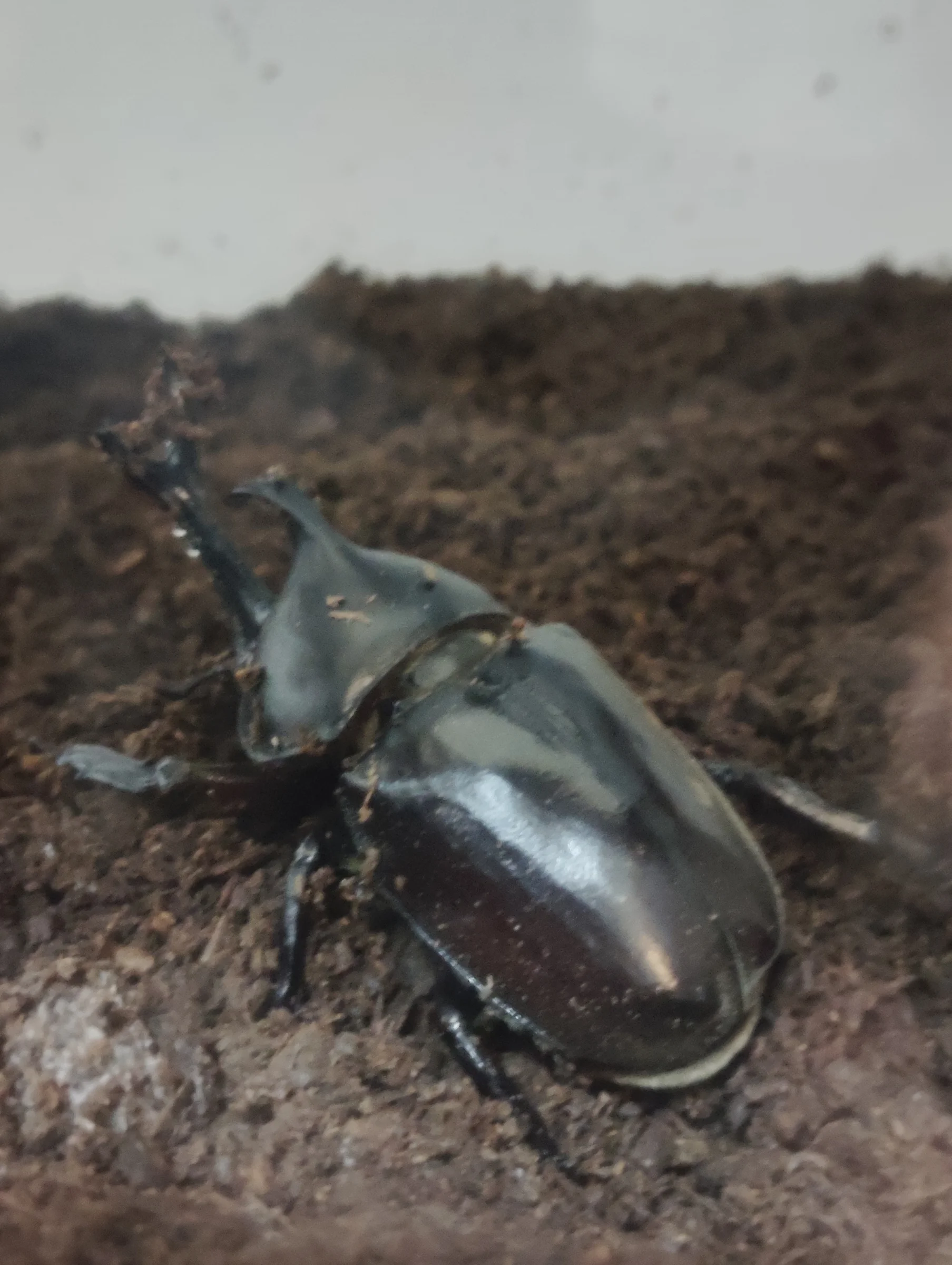
About Beetle Larvae
The history of larval keeping is closely tied to the rise of rhinoceros and stag beetles as iconic summer companions for Japanese children from the mid-Showa era onward. Early hobbyists relied on simple leaf compost gathered from forests, but the widespread adoption of mycelium bottles and high-quality fermented substrates from the 1990s onward brought dramatic advances in producing larger, healthier adults. Physically, larvae are recognized by their plump, white, C-shaped bodies; depending on species, they can measure anywhere from a few centimeters to well over ten. While they lack the personality of vertebrate pets, the raw determination with which they tunnel through substrate—and the dramatic transformations of molting and pupation—holds a captivating appeal. Witnessing the precise moment a fully formed adult emerges from its pupal chamber is an experience few other animals can match. From seasoned breeders managing multi-generational bloodlines to children discovering insects for the first time, larval keeping offers something rewarding at every level.
7 things to know before welcoming a Beetle Larvae
1Diet Varies by Species
Rhinoceros beetle larvae thrive in fermented leaf-mold substrate, while stag beetle larvae typically prefer fungal mycelium bottles or decaying wood. Confirm the species before purchasing so you can prepare the correct food source. Feeding the wrong substrate often leads to poor growth or death.
2Container Size Matters
As larvae grow, they need more space to build a pupal chamber before metamorphosis. A container that is too small may prevent proper pupation and lead to deformed adults. Choose bottle or container sizes appropriate for the species and larval instar (stage).
3Substrate Swaps and Temperature
Mycelium bottles and substrate mats degrade over time and should be replaced roughly every two to four months. Most species prefer temperatures between 15 and 25 degrees Celsius. Excessive heat can kill the fungal mycelium and stress the larvae, so summer temperature management is especially important.
4Minimize Disturbance
Larvae live quietly underground and are easily stressed by frequent disturbance. Digging them out—especially near or during pupation—can cause malformation during emergence. Observe from outside the container whenever possible and avoid unnecessary handling.
5Care Changes by Instar
Larvae pass through first, second, and third instar stages after hatching, and each stage calls for different container sizes and substrate types. Placing a tiny first-instar larva in a large mycelium bottle can result in the fungus overwhelming the larva. Tracking the growth stage helps you make the right care decisions.
6Costs Vary Widely by Species
Common rhinoceros beetle larvae are relatively affordable, but rare stag beetle or exotic species larvae can cost thousands of yen or more. Ongoing expenses such as mycelium bottles and temperature-control equipment add up over time. Since the larval stage lasts longer than adulthood, plan for sustained costs before committing.
7Wait Before Handling Adults
Even after the adult successfully emerges, it needs several weeks inside the pupal chamber for its exoskeleton to fully harden. Digging it out too soon can deform the wings or weaken the insect. Once you confirm emergence, wait patiently until the beetle begins feeding before removing it.
Frequently asked questions about Beetle Larvae
- Q.How long does it take for a larva to become an adult?
- A.It varies by species: Japanese rhinoceros beetles typically take about one year, while stag beetles such as Dorcus hopei binodulosus can take two to three years. Temperature and nutrition also play a significant role, so treat these figures as general guidelines.
- Q.Should I use substrate mat or a mycelium bottle?
- A.Rhinoceros beetle larvae do best in fermented mat and are not suited to mycelium bottles. Stag beetle larvae, on the other hand, tend to grow larger in mycelium bottles—particularly effective for species like Dorcus hopei and Dorcus titanus. Always confirm which substrate suits your specific species before purchasing.
- Q.My larva has stopped moving—is it okay?
- A.A larva approaching pupation will naturally become very still as it constructs its pupal chamber—this is completely normal behavior. Avoid digging it out or disturbing it at this stage. However, if the body appears dark and has an unpleasant odor, the larva may have died.
- Q.Are there odor or hygiene concerns with keeping larvae?
- A.Fermented substrate has a distinctive earthy smell, so placing containers in a well-ventilated area helps when keeping larvae indoors. Odor intensifies as the substrate degrades, but regular replacement keeps this under control. With proper management, larval keeping poses few significant hygiene concerns.
- Q.How can I tell if a larva is in good condition when buying?
- A.A healthy larva has a plump, slightly glossy body and moves actively when touched. Avoid individuals that appear shrunken or have black spots or visible wounds. Where possible, purchase from a reputable breeder who provides details such as instar, hatch date, and parentage information.
Useful tools for Beetle Larvae care
Beetle Larvae related articles
DIY Fermented Substrate Guide | How to Make Your Own Substrate for Rhinoceros Beetle and Stag Beetle Larvae
Learn how to make your own fermented substrate for breeding rhinoceros beetle and stag beetle larvae. We explain material selection, fermentation procedures, and breeder tips to avoid common mistakes in easy-to-understand language.
Complete Guide to Raising Japanese Beetle Larvae | Selecting Substrate, Temperature, Care by Growth Stage, and Pupation to Adult Emergence
A comprehensive breeding guide for raising Japanese beetle larvae (1st to 3rd instar) until adult emergence. Covers methods for collecting eggs from breeding setups, growth characteristics by instar stage, how to choose fermented substrate and timing for changes, temperature and humidity management tips, precautions before pupation, and post-emergence timing—practical information for successful full-cycle cultivation.
A Guide to Selecting Growing Media and Fungal Bottles for Beetle Larvae
Explains how to choose growing media (humus) and fungal bottles essential for rearing beetle larvae. Introduces fermented media types, fungal species selection, replacement timing, and tips for maximizing larval growth.
Rhinoceros Beetle & Stag Beetle Larvae Sex Determination Guide | Key Points and Timing for Accurate Sex Identification
Explains how to determine the sex of rhinoceros beetle and stag beetle larvae. Introduces the optimal instar for determination (2nd–3rd instar), how to identify abdominal yellow markings and sound-producing organs, and species-specific precautions in an easy-to-understand manner for beginners.
Comprehensive Comparison of Fungal Substrate vs. Fermented Substrate for Rhinoceros Beetle Larvae | How to Choose for Growing Large Specimens
A comprehensive comparison of the differences between fungal substrate bottles and fermented substrate in rhinoceros beetle larva cultivation. Practical guidance on selecting fermented substrate for raising large specimens, temperature management, timing for substrate changes, and cost-effectiveness.
How to Raise Stag Beetle Larvae | Basics of Fungal Media and Mat Cultivation
Explains how to raise stag beetle larvae for beginners. Introduces the differences between fungal media and mat cultivation, temperature management, timing for media changes, and tips for raising large individuals.
More in this category
Can't find the one you're looking for?
Post your wishes for free and breeders with matching animals will contact you with introductions.