A Guide to Selecting Growing Media and Fungal Bottles for Beetle Larvae
Explains how to choose growing media (humus) and fungal bottles essential for rearing beetle larvae. Introduces fermented media types, fungal species selection, replacement timing, and tips for maximizing larval growth.
Key Takeaways
Explains how to choose growing media (humus) and fungal bottles essential for rearing beetle larvae. Introduces fermented media types, fungal species selection, replacement timing, and tips for maximizing larval growth.
Related Species

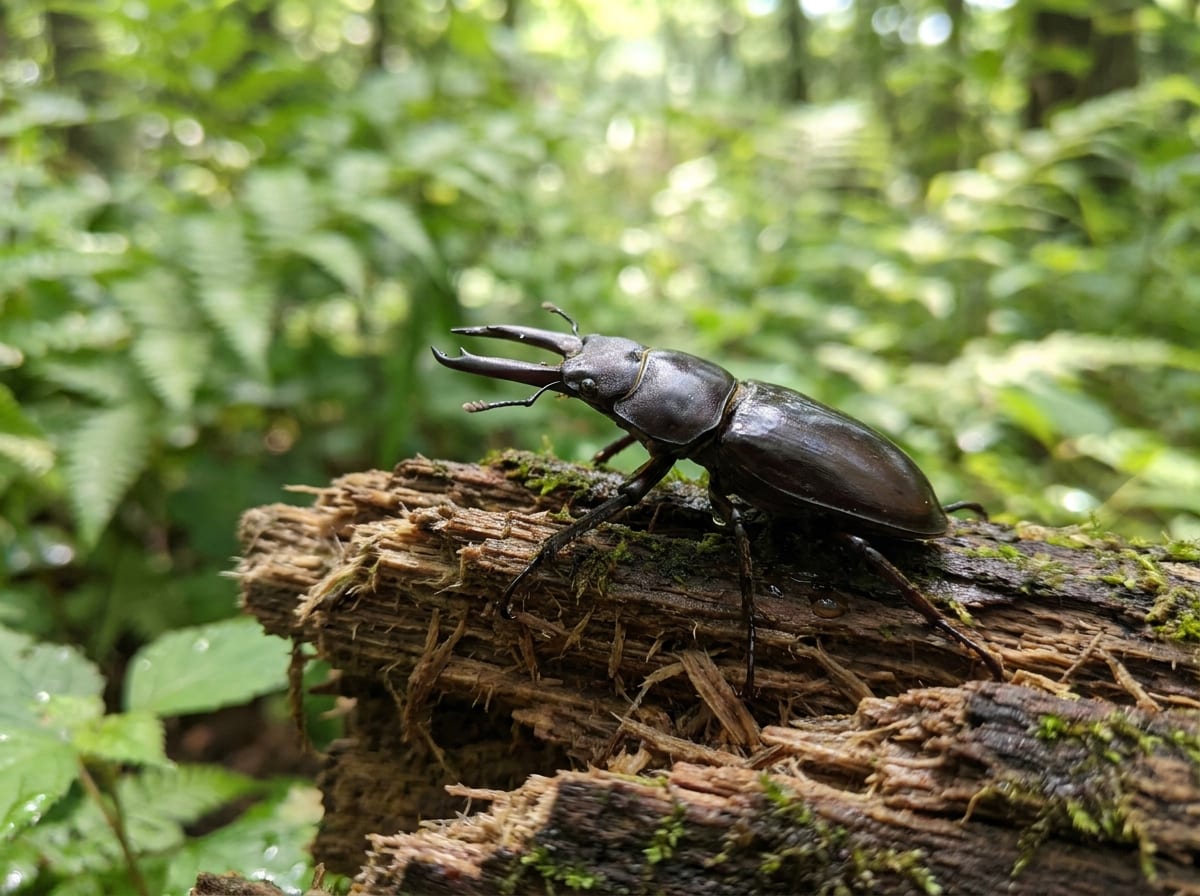
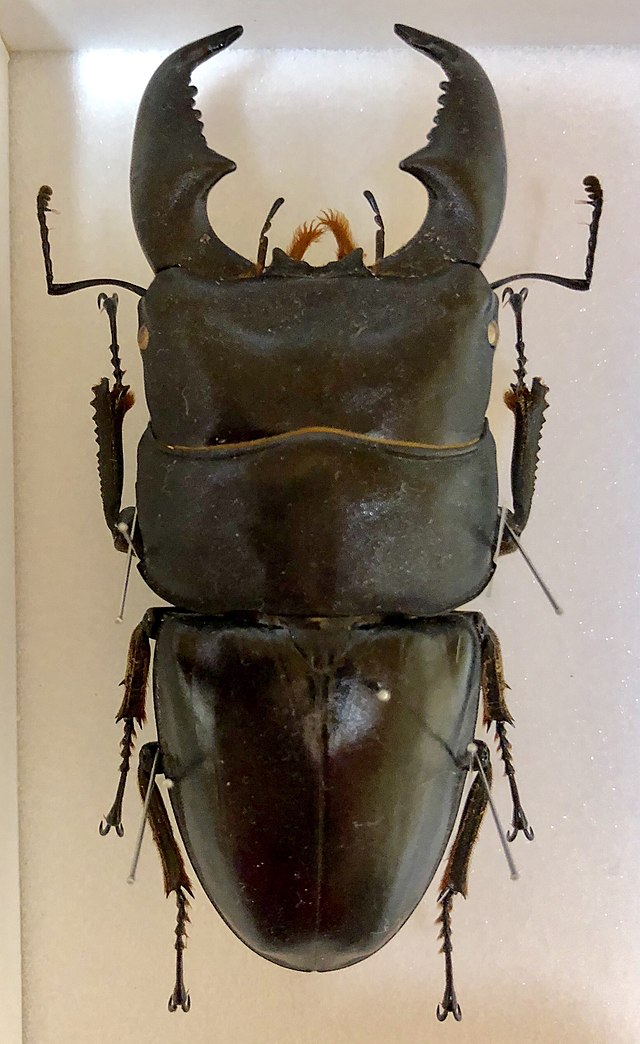
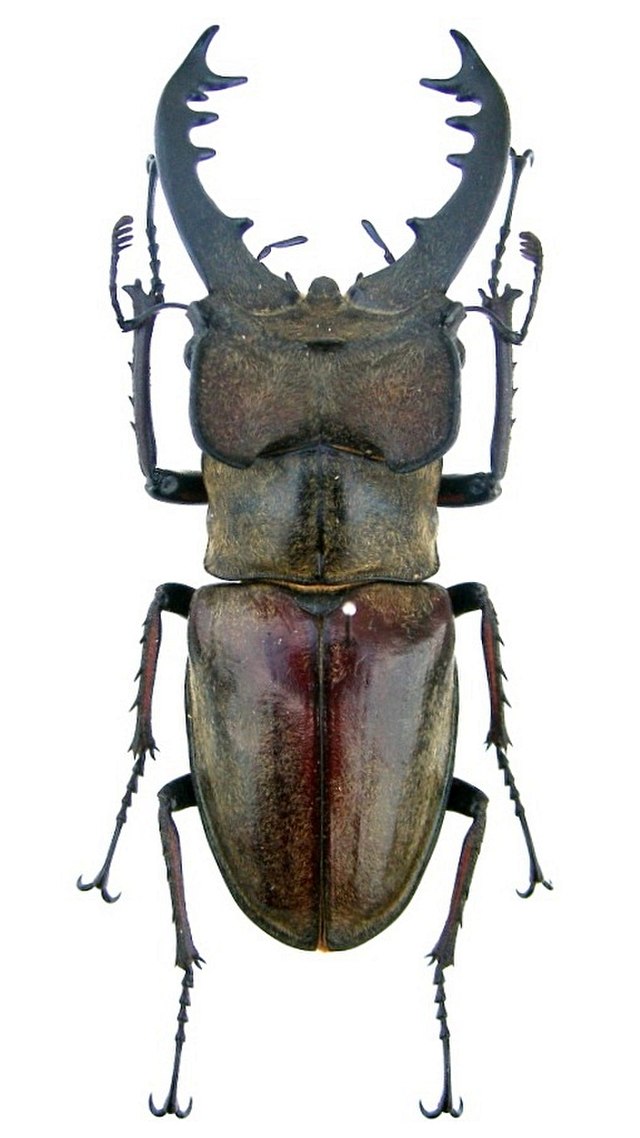
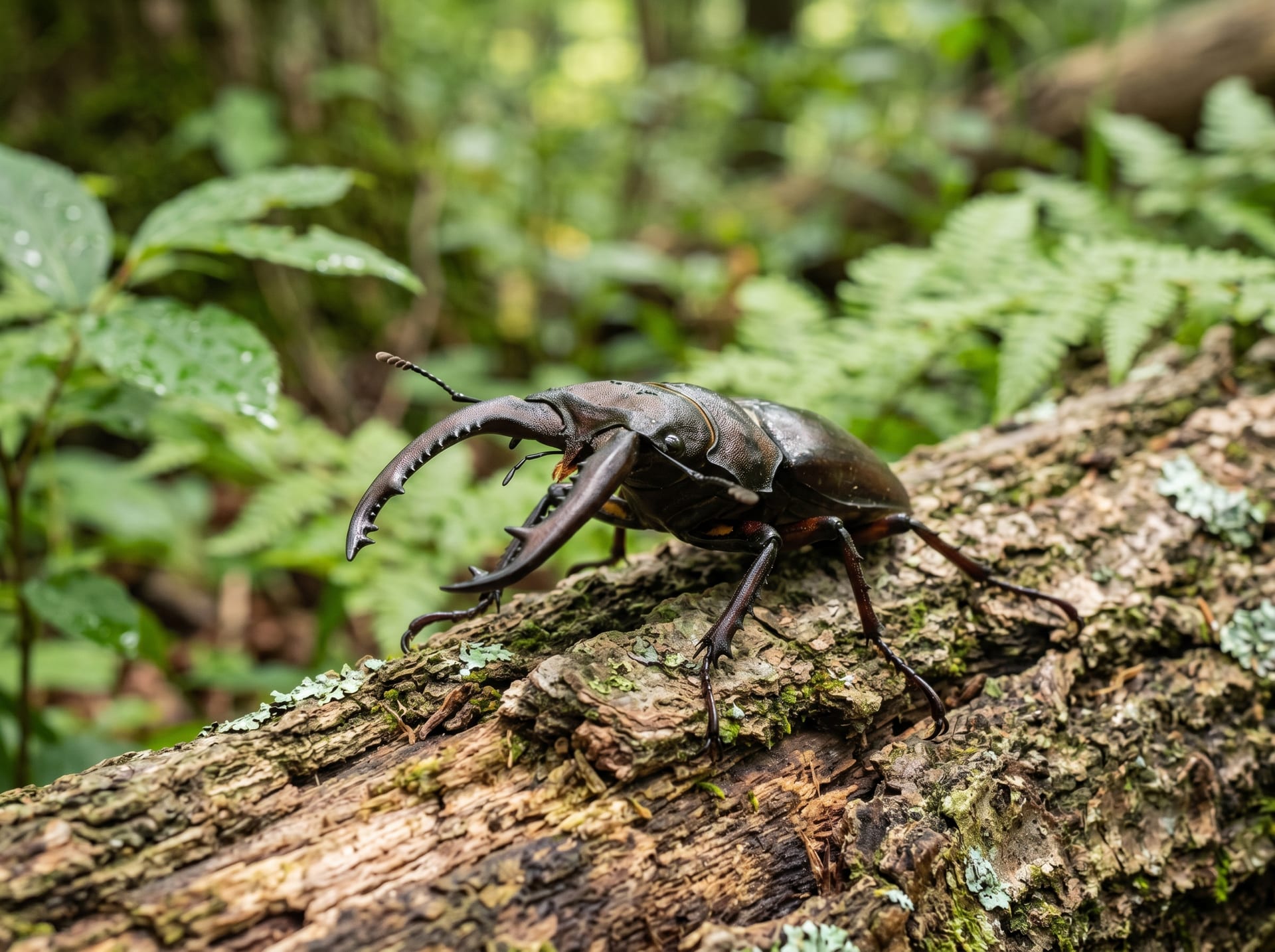
When you start rearing beetle larvae, the first challenge is choosing between "growing media" and "fungal bottles." This choice significantly impacts the larvae's growth rate and final size, so it's important to have solid foundational knowledge.
Understanding Media Types and Characteristics
The media used for larval rearing falls into two main categories: "fermented media" and "unfermented media (white media)."
Unfermented media is made by simply grinding broadleaf trees like Kunugi or Nara, and is used for egg-laying or early-stage larval rearing of some beetle species. Because it has low nutritional value, it's not suitable for long-term rearing.
Fermented media is created by decomposing and fermenting wood through the action of microorganisms, and contains abundant nutrients that are easy for larvae to digest. Based on the degree of fermentation, it's further divided into "primary fermentation," "secondary fermentation," and "tertiary fermentation (fully matured media)."
- Primary fermented media: Slightly whitish in appearance with shallow fermentation. Suitable for beetle egg-laying and early-stage larvae
- Secondary fermented media: Brownish in color with good nutrient balance. Ideal as the main food for domestic Japanese beetle larvae
- Fully matured media (tertiary fermentation): Nearly black in color, almost soil-like in texture. Most highly recommended for Japanese beetle larvae
For Japanese beetle larvae, fully matured or secondary fermented media is the gold standard. In contrast, larvae of species like the Great Stag Beetle and Flattened Stag Beetle tend to grow larger with fungal bottles rather than media-based rearing. Saw Stag Beetles and Miyama Stag Beetles are better suited to media rearing and prefer fully matured fermented media.
Fungal Species Selection Is Key to Success
Fungal bottles are made by inoculating a specific mushroom fungus into broadleaf wood powder and culturing it. Beetles of the Dorcus genus, including the Great Stag Beetle, grow dramatically larger by consuming this fungal substrate.
The three main fungal species are as follows:
King Oyster Mushroom (Pleurotus eryngii group) The most widely distributed, with high fungal activity that makes larvae eager to feed. Works well with a wide range of Dorcus species including Great Stag Beetles, Small Stag Beetles, and Flattened Stag Beetles. Beginner-friendly and relatively affordable. If unsure, King Oyster Mushroom is always a safe choice.
Trametes versicolor Essential for specific foreign species like the Tarandus Stag Beetle and Regal Stag Beetle. Not commonly used for domestic species, but necessary when rearing niche varieties. The fungus degrades relatively quickly, so care in management is required.
Oyster Mushroom (Pleurotus ostreatus group) Similar in properties to King Oyster Mushroom, with better stability in slightly cooler temperatures. Valuable in environments where winter temperature management is challenging.
Bottle Size and Replacement Timing
Fungal bottles come in various sizes: "550cc," "800cc," "1400cc (1 liter)," "2300cc (2 liters)," and others.
First-stage (1st instar) larvae typically start in small 550–800cc bottles. Placing them directly in large bottles can cause the fungus to degrade before the larvae finish consuming it. When they reach late 2nd instar to early 3rd instar, transfer them to bottles of 1400cc or larger.
Signs indicating replacement timing:
- The bottle interior is 70–80% or more filled with brown (feeding marks)
- You can see the larva moving around when viewing the bottle's side
- Approximately 3 months have passed since the larva was introduced
- The fungal substrate has discolored yellow or brown
During hot summer months, fungal degradation accelerates, so aim for replacement every 2–2.5 months. Conversely, during winter when larval activity slows, the bottle can last 3–4 months.
When removing the larva during replacement, weighing it helps track growth progress. For large Great Stag Beetles, 3rd instar larvae weighing 20g or more is a good benchmark.
Creating the Right Rearing Environment for Maximum Growth
Even with the same media and fungal bottles, the final size varies greatly depending on rearing conditions.
Temperature management is the most critical factor. Beetle larvae, especially Great Stag Beetles, grow best at 20–23℃. Sustained high temperatures (28℃ or above) accelerate fungal degradation and stress the larvae. During summer, utilize wine coolers, temperature-controlled storage, or air-conditioned rooms. Japanese beetle larvae are relatively heat-tolerant and can handle up to around 25℃.
Media moisture content is another often-overlooked factor. When squeezed by hand, the media should form a clump but crumble when pressed with a finger (moisture content of 50–60% is ideal). If too dry, larvae can't burrow; if too wet, poor aeration leads to fungal gnats and harmful bacteria.
Gas venting is an essential step before using media. Fermented media may release harmful gases immediately after opening. Leave the bag open and spread it in a well-ventilated area for 1–3 days before filling bottles or containers. Skipping this step risks larval death.
For fungal bottles, introducing larvae to bottles after the fungus has fully colonized and stabilized (1–2 weeks after preparation), rather than immediately when white, reduces rejection risk. The trick is to let the bottle sit for a bit after purchase before using it.
Summary: Using Media and Fungal Bottles Effectively
Here's a quick selection guide by species:
| Species | Recommended Rearing Method |
|---|---|
| Japanese Beetle | Fully matured media only. Fungus not needed |
| Great Stag Beetle & Flattened Stag Beetle | Fungal bottles (King Oyster) are advantageous for growth |
| Saw Stag Beetle & Miyama Stag Beetle | Fully matured to secondary fermented media are ideal |
| Small Stag Beetle | Thrives with fungal bottles or fermented media |
| Foreign species like Hercules Beetles | Secondary to fully matured media. Budget for high consumption |
As you gain experience, you'll discover which brands and fungal species work best in your environment. Start with standard products from established brands, and gradually refine your approach by observing how eagerly the larvae feed and how they grow. There's something genuinely enjoyable about watching larvae voraciously consume their media and grow larger. Enjoy the process by keeping detailed records.