How to Raise Stag Beetle Larvae | Basics of Fungal Media and Mat Cultivation
Explains how to raise stag beetle larvae for beginners. Introduces the differences between fungal media and mat cultivation, temperature management, timing for media changes, and tips for raising large individuals.
Key Takeaways
Explains how to raise stag beetle larvae for beginners. Introduces the differences between fungal media and mat cultivation, temperature management, timing for media changes, and tips for raising large individuals.
Related Species

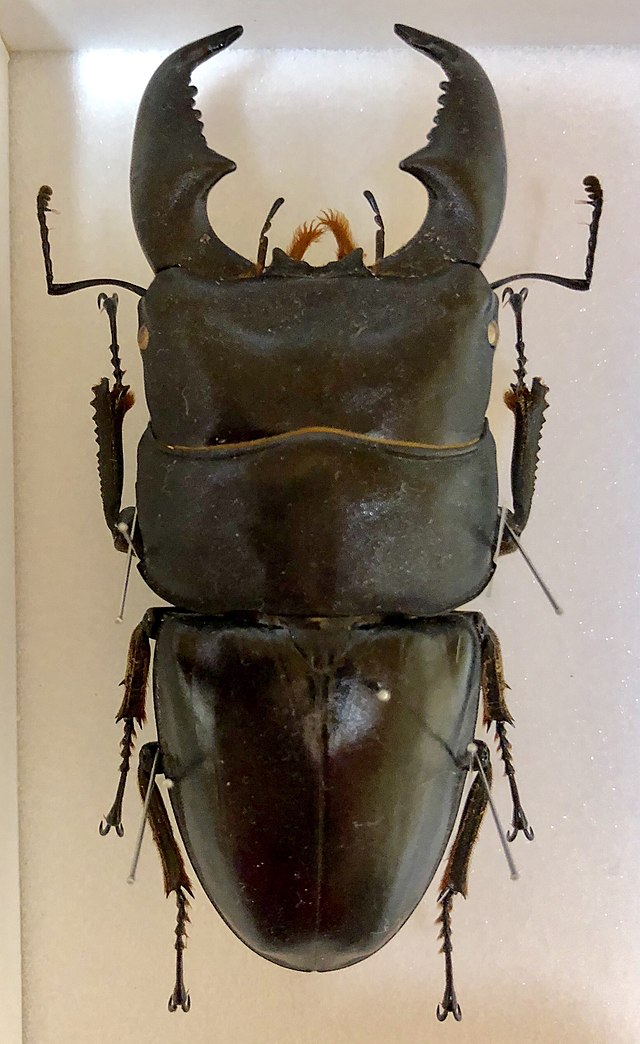
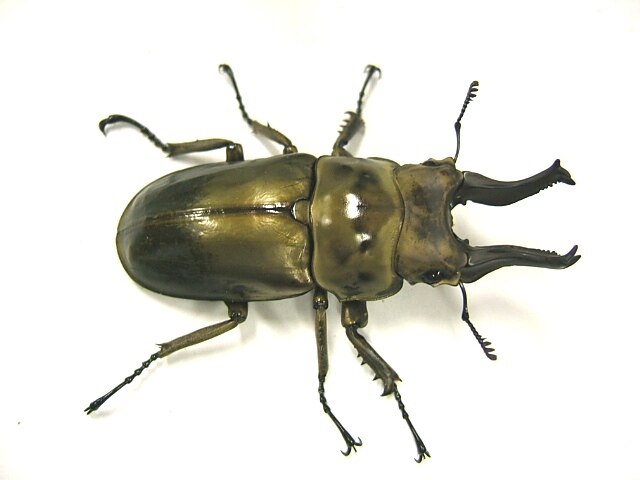
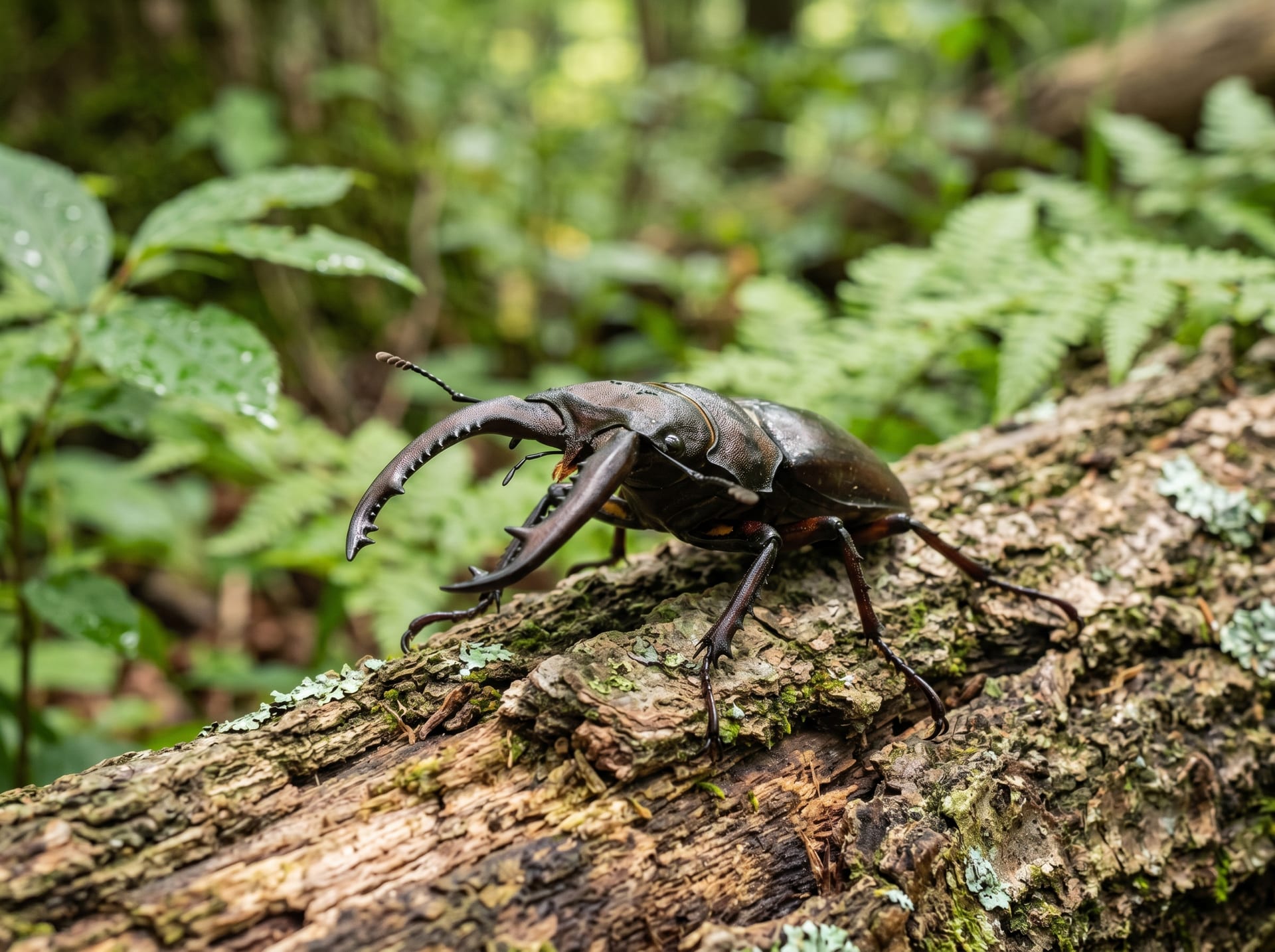

Stag beetle larva cultivation is one of the most rewarding fields in insect keeping. The choice of fungal media or mat, along with temperature management, can significantly change the size of the resulting adult, making it possible to aim for raising large individuals through careful planning. This article explains the basics of raising stag beetle larvae for beginners. For adult care of rhinoceros beetles and stag beetles, please also refer to Introduction to Insect Keeping.
Differences Between Fungal Media and Mat Cultivation
There are two main methods for raising stag beetle larvae.
Fungal Media Cultivation
- Advantages: Larvae grow quickly and larger individuals are more likely to develop
- Disadvantages: Higher cost (600–1,800 yen per bottle). Risk of re-colonization and mold if degraded
- Suitable for: Large stag beetles, flattened stag beetles, saw stag beetles, rainbow stag beetles, etc.
Mat Cultivation
- Advantages: Lower cost. Easy to manage and beginner-friendly
- Disadvantages: Growth is slower and large individuals are less likely to develop compared to fungal media
- Suitable for: Can be used generally, but especially for rhinoceros beetle larvae, mat cultivation is the standard
Fungal media is recommended if aiming for large individuals, while mat cultivation is recommended for those wanting to keep costs down and enjoy it more casually.
Choosing Fungal Media Bottles
There are several types of fungal media bottles, and you need to choose according to the species you are raising.
- King Oyster Mushroom Medium: The most common type. Compatible with a wide range of species including large stag beetles, flattened stag beetles, and saw stag beetles
- Turkey Tail Medium: Essential for specific species such as Tarandus, Regius, and golden stag beetles
- Oyster Mushroom Medium: Similar in properties to king oyster mushroom medium. Slightly cheaper products are more common
Size Guidelines
- 800cc: Use for first to second instar larvae and female larvae
- 1400cc: Use for male larvae in their second to third instar
- 2300cc or larger: Use for third instar male larvae of large species (3000cc or larger for large beetles such as Hercules beetles)
Temperature Management
Temperature is the most critical factor directly affecting larval growth rate and size.
- Japanese Large Stag Beetles: Ideal range is 20–24°C. If it exceeds 25°C, early pupation is likely and size will decrease
- Foreign Flattened Stag Beetles: 22–26°C. Slightly higher temperatures are acceptable, but exceeding 30°C is dangerous
- Rainbow Stag Beetles: 20–25°C. Keeping them at low temperatures and raising them slowly tends to produce larger individuals
The following methods can be used for temperature management:
- Air Conditioning Control: Most stable. Electricity costs apply, but it's efficient for raising multiple specimens
- Wine Cooler or Temperature-Controlled Cabinet: Ideal for managing small numbers. Set temperature remains stable
- DIY Simple Heating Chamber: Styrofoam box plus panel heater for winter insulation
- Room Temperature Cultivation: Possible for domestic species, but pay attention to temperature fluctuations in summer and winter
Timing for Media Changes
Determining when to change the fungal media bottle is one of the most important skills in larval breeding.
- When feeding marks reach 70–80%: Change the bottle when the white part visible from the outside is 20–30% or less
- Signs of degradation: Change the bottle early if the medium turns brown, moisture accumulates at the bottom, or an unusual odor develops
- When not to change: If the larva turns yellow and moves sluggishly, it's a sign of pre-pupation. Do not disturb it
- Frequency guidelines: Approximately every 2–3 months for 800cc, every 3–4 months for 1400cc
When changing, carefully remove the larva with a spoon to avoid injury. Make a hole in the new bottle that fits the larva snugly before introducing it.
Tips for Raising Large Individuals
- Use high-quality medium: Overly cheap medium may have low nutritional value. Choose manufacturers with proven results
- Raise slowly at low temperatures: High temperatures cause early pupation and result in smaller size. Low temperature management at 20–23°C is the shortcut to larger individuals
- Use larger containers: Use 1400cc or larger for third instar males to avoid stressing the larvae
- Consider lineage: Large individuals are more likely to come from large parents. Prioritize lineage information
- Avoid vibrations: Frequently moving the fungal media bottle causes stress and can lead to early pupation
Managing Pupation and Emergence
When the larva begins to construct a pupation chamber, emergence is just around the corner.
- Pre-pupation period: The larva becomes a pupa approximately 2–4 weeks after constructing the pupation chamber
- Pupal period: Emergence occurs approximately 3–4 weeks after becoming a pupa
- After emergence: The adult remains still in the pupation chamber for 1–2 months to harden its body. Do not excavate it
- If the pupation chamber is damaged: Transfer to an artificial pupation chamber (made from oasis or horticultural foam)
To prevent emergence failure, it's important not to move the bottle during pupation and to keep the temperature stable.
Benefits of Purchasing from BreederDirect
At BreederDirect, you can purchase stag beetle larvae directly from specialist breeders. Insect category features lineage-managed larvae available on an ongoing basis.
- Clear lineage information: You can verify parent size and lineage information directly from the breeder
- Advice on management temperature: You can consult with the breeder about the optimal temperature range for your purchased larvae
- Arrives in fungal media bottles: Many breeders ship larvae already in fungal media bottles
- Large-strain larvae available: Larvae from lineages with 80mm+ sizes can be obtained directly from breeders