Complete Care Guide for Caucasus Beetles | Larval Management, Temperature & Breeding Tips
We provide a detailed explanation covering everything from basic care for Caucasus beetles to larval rearing and breeding procedures. This guide encompasses all the key points for successfully raising these impressive beetles with their three prominent horns.
Key Takeaways
We provide a detailed explanation covering everything from basic care for Caucasus beetles to larval rearing and breeding procedures. This guide encompasses all the key points for successfully raising these impressive beetles with their three prominent horns.
✍️
BreederDirect Editorial
The BreederDirect editorial team specializes in care information for animals, covering veterinary care and breeding to deliver beginner-friendly guides.
Find Insects on BreederDirect
Buy directly from verified breeders
Browse Related Listings
Find Insects listings related to this article on BreederDirect. Buy directly from verified breeders.
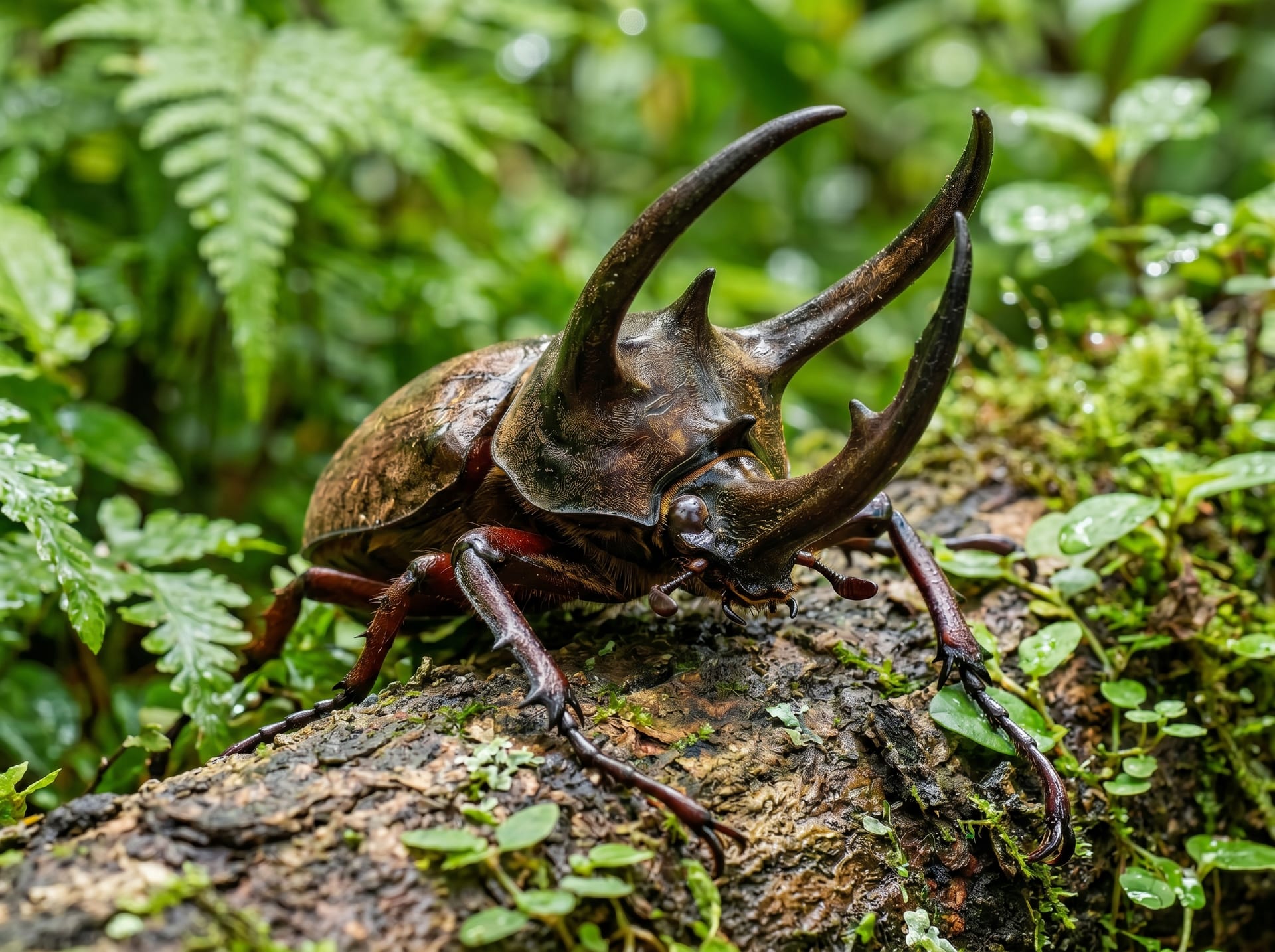
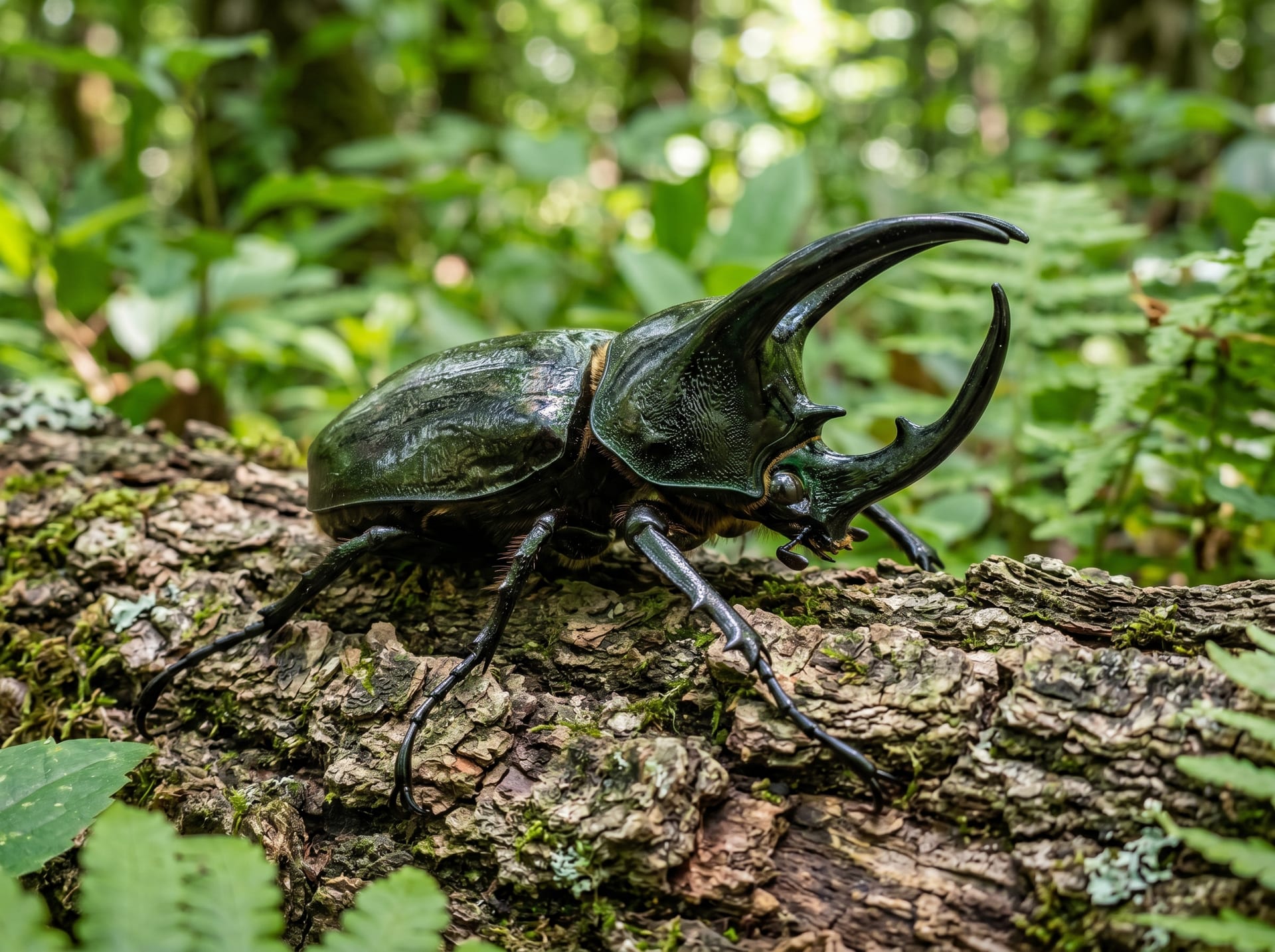
The Caucasus beetle (Chalcosoma caucasus) is one of the world's largest beetles, native to Southeast Asia. Characterized by three prominent horns, males can exceed 60-130mm in length. While husbandry difficulty is moderately high, the sense of accomplishment when raising a large specimen is truly exceptional.
Basic Information about Caucasus Beetles
The Caucasus beetle is distributed across Southeast Asia, including Indonesia, Malaysia, and southern Thailand. Subspecies vary by origin and body type, but those circulating in Japan are primarily from Indonesia (Sumatra, Java) or Malaysia.
Physical Characteristics
Males possess a large central horn on the head and two front horns on the thorax, for a total of three horns. These three horns are the distinguishing feature that sets them apart from other beetles, and their visual impact is their greatest appeal. Females lack horns and are somewhat smaller, with an oval, rounded body shape. Their body color ranges from dark brown to black with a glossy finish.
Lifespan and Activity Period
Adult lifespan is approximately 3-6 months under captive conditions. Larval duration is greatly influenced by rearing temperature, typically taking 1-1.5 years. Lower temperature management (18-22°C) extends the larval period, allowing you to aim for larger specimens, but higher temperatures (25-27°C) accelerate growth while tending to result in smaller sizes.
Caucasus Beetle Care Quick Reference Table
Item
Data
Scientific name
Chalcosoma caucasus
Distribution
Southeast Asia (Indonesia, Malaysia, southern Thailand)
Body length (males)
Approximately 60-130mm
Adult lifespan
3-6 months (captive)
Larval period
1-1.5 years
Optimal temperature (adults)
22-26°C
Optimal temperature (larvae, large size breeding)
20-24°C
Humidity
60-70%
Number of eggs
10-30 eggs
Food
High-protein insect jelly
Difficulty level
Moderate to moderately high
Adult Husbandry Environment
Cage Selection
Due to their large size, containers of 60L or larger are necessary. Provide adequate cage height to avoid damaging the male's horns. Multiple specimens should not be housed together due to the risk of male-to-male combat; solitary housing is recommended.
Substrate Management
Spread fermented substrate for adult beetles about 10-15cm deep. Fully fermented black substrate can lead to bacterial contamination, so choose moderately to fully fermented substrate. Change substrate approximately once every 1-2 months.
Temperature and Humidity Management
Being native to Southeast Asia, they prefer relatively high temperatures around 22-26°C. Heating is necessary during Japanese winters, but avoid temperatures above 30°C. Ideal humidity is 60-70%; lightly mist the substrate to maintain appropriate moisture.
Feeding
Use insect jelly. High-protein jelly (approximately 5-10% protein content) is said to promote maturation. Uneaten jelly can cause mold and bacterial issues, so replace it approximately every 1-2 days.
Larval Husbandry Methods
Larval care for Caucasus beetles is the most important process in raising large specimens.
Types of Substrate Used
Larvae are raised on fermented substrate. Coarse-particle fermented substrate with additives or premium substrate with fungal inoculants are said to be effective for achieving larger size. It is common to use fine-particle substrate for first and second instars, then transition to coarse-particle substrate at the third instar.
Container Size
Third instar larvae can weigh 40-100g, so 800ml-1500ml bottles or approximately 2L containers are necessary. Provide one container per larva to maintain a stress-free environment.
Substrate Change Timing
Change substrate when feces comprise approximately one-third to one-half of the total substrate. When changing, mix some old substrate into the new substrate to help the larva adapt more easily. Suddenly replacing all substrate can reduce appetite.
Importance of Temperature Management
Temperature management in the 20-24°C range is effective for achieving larger size. Maintaining this temperature range requires summer cooling, making wine coolers or compact temperature-controlled units useful. Temperatures that are too high shorten the larval period and result in smaller sizes.
Breeding Tips
Pairing
House males and females together for pairing. Confirm female maturity (1-2 months after feeding begins) before proceeding. Since large males can crush females, supervision during pairing is recommended, or hand-pairing (manually assisting mating) is also effective.
Spawning Setup
Fill the spawning setup with fully fermented black substrate to a depth of 20-25cm. Since these beetles lay eggs in substrate rather than in wood, there is no need to add decaying wood. Once the female is placed in the spawning setup, leave it undisturbed for 1-2 months.
Extracting Eggs and First Instar Larvae
Extract eggs and larvae 1.5-2 months after placing the female in the spawning setup. Gently loosen the substrate and carefully remove eggs and small larvae without damaging them, then manage them in individual containers. The number of eggs varies depending on husbandry conditions, but typically ranges from 10-30 eggs.
Precautions and Troubleshooting
Mite Infestations
Mites can develop when the same substrate is used for extended periods. Regular substrate changes and maintaining clean containers are the foundation of prevention. If mite infestation is severe, move larvae to fresh substrate.
Pupation Chamber Formation and Eclosion Management
In the late third instar, larvae begin forming pupation chambers. At this stage, avoid substrate changes and observe quietly. If the pupation chamber is damaged, create an artificial chamber to address it. Even after eclosion, keep the beetle in the pupation chamber for 2-3 weeks to allow the body to harden.
While Caucasus beetle husbandry requires effort, the satisfaction of raising a large specimen is unmatched by other insects. By meticulously managing temperature and selecting high-quality substrate, you can cultivate impressive specimens.
Caucasus Beetle Lifespan and Larval Period
Before starting care, it's important to understand the lifespan and growth period. Many common concerns—"the larval period is too long and it won't eclosion" or "I bought an adult but don't know how long it will live"—are resolved with the following guidelines.
Life Stage
Duration
Egg → Hatching
~1 month
Larval period
1–1.5 years (extends further with low-temperature management)
Pupal stage
~1–1.5 months
Eclosion → Post-eclosion feeding
2–3 weeks
Adult lifespan (captive conditions)
3–6 months
Adult lifespan is 3–6 months, slightly shorter than the Atlas beetle. The larval period is heavily influenced by temperature: maintaining 20–24°C results in an extended period but promotes larger sizes, while 25–27°C produces faster eclosion but more modest sizing. For 130mm+ specimens, low-temperature long-term management is advantageous.
Differences Between Caucasus and Atlas Beetles — Which to Keep?
Here's a comparison of the two three-horned Southeast Asian large beetles, which are frequently compared.
Comparison Item
Caucasus beetle
Atlas beetle
Body length (males)
60–130mm
70–100mm+
Temperament
Aggressive (more combative)
Aggressive
Availability and sourcing
Somewhat limited
Widely available, easy to obtain
Price
Somewhat higher
Moderate
Impression of large specimens
◎ Maximum size
○
The Caucasus grows larger than the Atlas and impresses with its size, but has a more aggressive temperament and higher accident risk during pairing. For first exotic beetles, choose Atlas; for the drama of large specimens, choose Caucasus as a rough guide. Both have males that pinch females with their horns, so hand-pairing is essential for both.
Frequently Asked Questions
How long do Caucasus beetles live?
Adults in captivity live approximately 3–6 months. From the egg stage, accounting for 1–1.5 years of larval period plus the pupal stage, the total lifespan is roughly 2 years.
Which is easier to keep, Caucasus or Atlas beetles?
The Atlas is more beginner-friendly, thanks to its wide availability and affordable price. Caucasus beetles grow larger but have a more aggressive temperament and slightly higher pairing accident risk.
What's the key to raising larger larvae?
Low-temperature management at 20–24°C combined with coarse-grain fermented substrate (premium substrate with mushroom fungal additives, etc.) is effective. High summer temperatures make large sizes difficult to achieve, so cooling via wine cellar or cooler units is key to maximizing size.