Complete Breeding Guide for Papua New Guinea Jeweled Beetles | How to Raise These Beautiful Metallic Stag Beetles
A detailed guide to breeding Papua New Guinea jeweled beetles (Lamprima adolphinae). Covers everything from managing their metallic coloration to egg-laying setups, larval care, and temperature control—with breeding tips that work well even for beginners.
Key Takeaways
A detailed guide to breeding Papua New Guinea jeweled beetles (Lamprima adolphinae). Covers everything from managing their metallic coloration to egg-laying setups, larval care, and temperature control—with breeding tips that work well even for beginners.
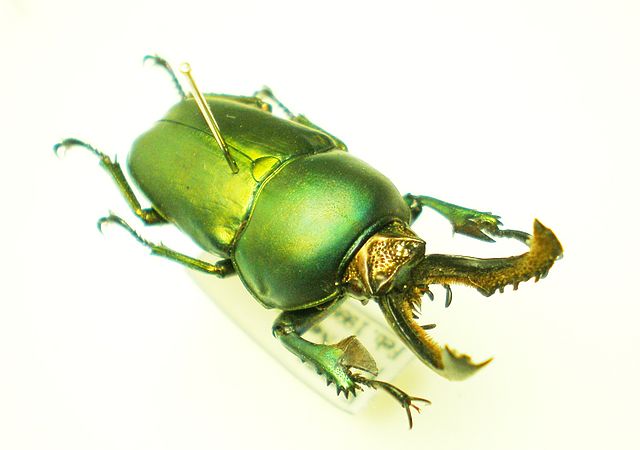
The Papua New Guinea jeweled beetle (Lamprima adolphinae) is a small stag beetle native to New Guinea that captivates breeders with its stunning metallic coloration—emerald green, gold, blue, or red depending on the individual. With a body length of around 2–6 cm, its luminous metallic sheen is a beauty unlike any other stag beetle. They have relatively low breeding difficulty and are excellent entry-level exotic stag beetles for beginners.
✍️
BreederDirect Editorial
The BreederDirect editorial team specializes in care information for animals, covering veterinary care and breeding to deliver beginner-friendly guides.
Find Insects on BreederDirect
Buy directly from verified breeders
Browse Related Listings
Find Insects listings related to this article on BreederDirect. Buy directly from verified breeders.
New Guinea Island (Papua New Guinea, Indonesia, Irian Jaya)
Adult Body Length (Male)
25–60 mm
Adult Body Length (Female)
20–35 mm
Adult Lifespan
3–6 months
Breeding Difficulty
Beginner to Intermediate (★★☆☆☆)
Legal Status
Not listed under CITES (import and breeding permitted)
Adult Breeding Environment
Enclosure and Substrate
Enclosure Size: Small containers (600 ml–1.5 L) are sufficient
Substrate: Spread insect matting approximately 5 cm deep
Climbing Wood / Anti-Flip Materials: Essential. They become weak if turned on their backs and cannot right themselves
Mesh Lid: Use one with high airflow. This species is sensitive to excessive humidity
Temperature and Humidity
Item
Target Range
Breeding Temperature
20–26℃ (ideal: 22–24℃)
Humidity
60–70%
Papua New Guinea jeweled beetles dislike high temperatures. Prolonged exposure to 28℃ or higher causes rapid decline. During summer, air conditioning or foam coolers are necessary.
Food
Provide insect jelly (16g) 2–3 times per week
High-protein jelly increases egg production
They enjoy fruits (banana, apple), but avoid regular use to prevent fruit fly infestations
Housing Males and Females Together
Male Papua New Guinea jeweled beetles are highly aggressive and will fight intensely if housed together.
Males Together: Never house together (they injure each other with their mandibles)
Male and Female: House together briefly (2–3 days) only for mating purposes. Separate immediately after
Females Together: Relatively docile, but separate containers for egg-laying are safer
Mating and Egg-Laying
Pairing
Confirm both male and female have completed post-emergence feeding (typically 1–2 months after eclosion)
Place the male and female in the same size container and house them together for 2–3 days
Remove the male immediately after confirming mating
Transfer the female to the egg-laying setup
Egg-Laying Setup Configuration
Papua New Guinea jeweled beetles primarily lay eggs in substrate.
Material
Details
Egg-Laying Container
Small container (500 ml–1 L)
Fermented Substrate
Fermented matting for stag beetles (Midori matte, mushroom substrate, etc.)
Substrate Depth
10–15 cm (pack firmly)
Temperature
20–24℃
Packing substrate firmly tends to increase egg numbers. After 4–6 weeks, flip the substrate to collect eggs and larvae. Egg count per setup is typically 10–30.
Larval Rearing
Larval Characteristics
Papua New Guinea jeweled beetle larvae are small and are usually raised in fermented substrate rather than fungal breeding bottles.
Containers and Substrate
Larval Stage
Container Size
Substrate
1st–2nd Instar
200 ml cup
Fine fermented matting
3rd Instar
500–800 ml bottle
Fermented matting (coarser OK)
Management Tips
Temperature: 18–24℃ (optimal: 20–22℃)
Humidity: Add water so substrate forms a ball when squeezed
Substrate Changes: Replace every 2–3 months to remove frass and degraded material
Individual Housing: One larva per container. Multiple larvae in one container may lead to cannibalism
Larval Period and Eclosion
Stage
Timeline
Egg
2–4 weeks
Larva (1st–3rd Instar)
3–5 months
Pupa
3–5 weeks
Eclosion to Post-Emergence Feeding
1–2 months
The larval period varies significantly by temperature. Lower-temperature rearing (20–22℃) extends the larval stage and tends to produce larger adults.
Color Variations
Papua New Guinea jeweled beetle coloration varies by origin and individual, making them highly collectible.
Color
Characteristics
Emerald Green
Most common. Vibrant green metallic sheen
Gold
Brilliant golden coloration. Higher rarity
Blue
Bluish tints. Appearance rate varies by origin
Red (Copper)
Reddish-bronze coloration. More common in certain origins
Multicolor
Mix of green, blue, and gold. Large individual variation
Coloration is influenced by both genetic factors and rearing environment. It is not uncommon for a single pair to produce offspring with diverse color variations.
Common Problems and Solutions
Pale Coloration After Eclosion
Cause: Color is unstable immediately after eclosion. Full color stabilization takes 2–4 weeks
Solution: Keep in a quiet environment away from intense light
No Egg-Laying
Cause: Incomplete post-emergence feeding, failed mating, substrate quality issues, or excessive temperature
Solution: Fully confirm post-emergence feeding before mating. Try different substrate types
Larvae Not Growing
Cause: Insufficient substrate moisture, degraded substrate, or excessively high temperature (25℃+)
Solution: Add water to maintain proper humidity. Use air conditioning to lower temperature
Tips for Selling as a Breeder
Papua New Guinea jeweled beetles are prized for their color variations.
Photography: Photograph against white or black backgrounds with proper lighting to capture the metallic sheen clearly
Specify Color: Note the color type (e.g., "Emerald Green," "Gold," "Blue individual") for higher customer satisfaction
Packaging: Place in individual small plastic containers with insect matting. Use cooling/heating packs in summer and winter
Papua New Guinea jeweled beetles combine stunning metallic coloration with ease of care, making them an excellent exotic stag beetle choice. The most critical factor is managing temperature during summer, as they dislike high heat—but if you maintain 20–24℃, they will live relatively long lives. Larvae are simple to manage using substrate rearing, and their colorful variety makes them well-suited for commercial breeding. On BreederDirect, you'll find domestically bred individuals available, so explore and find your favorite color!