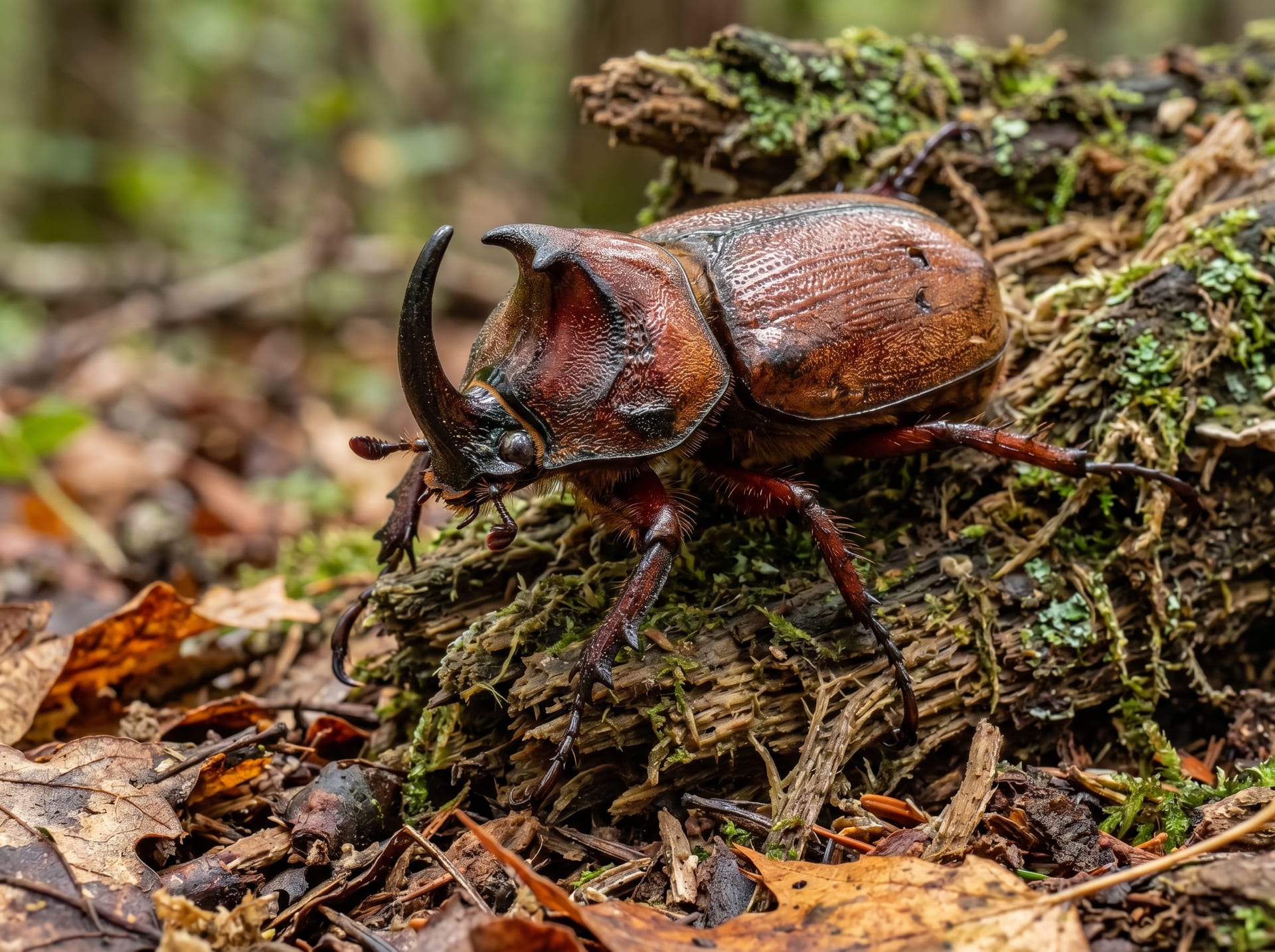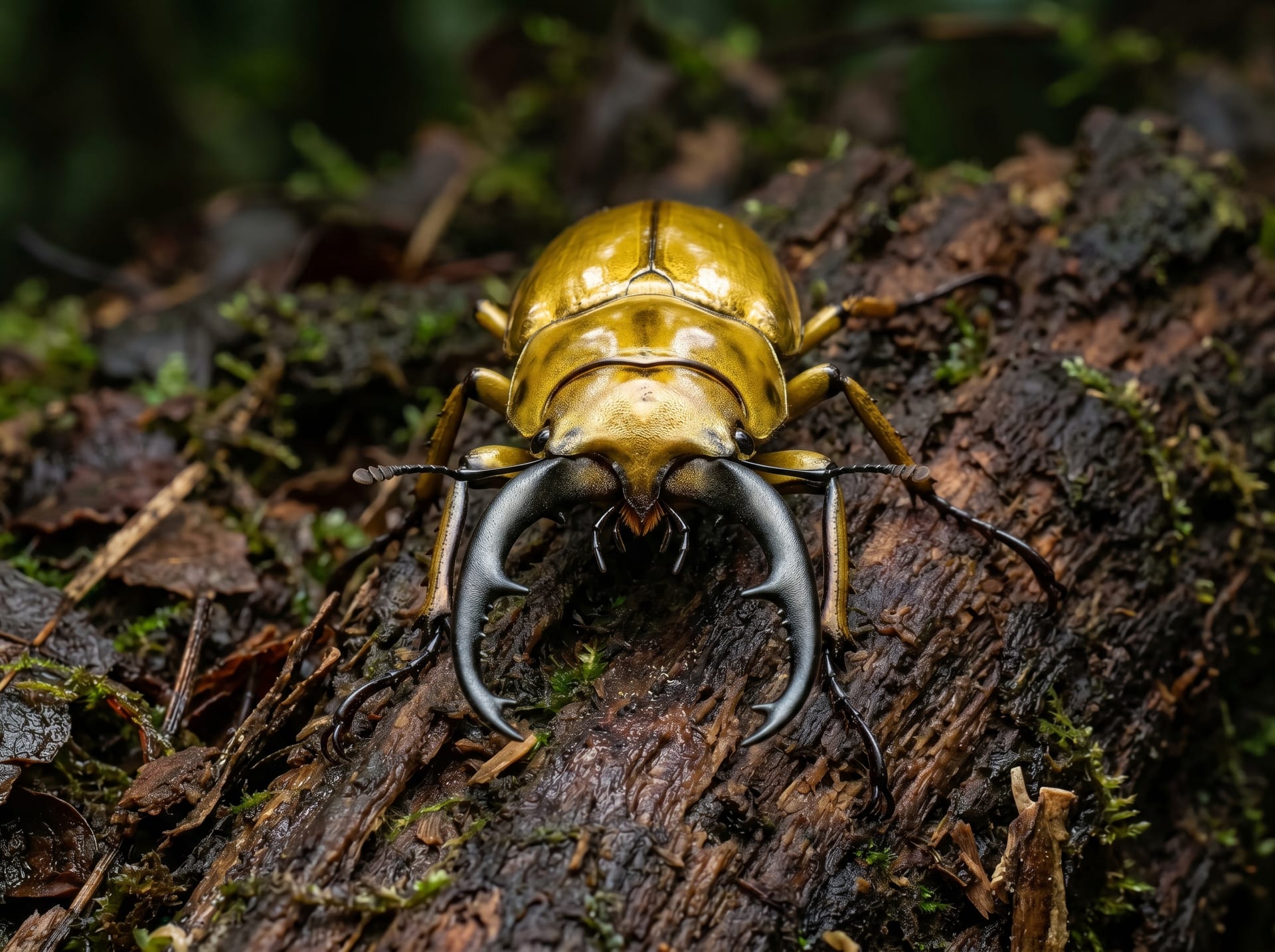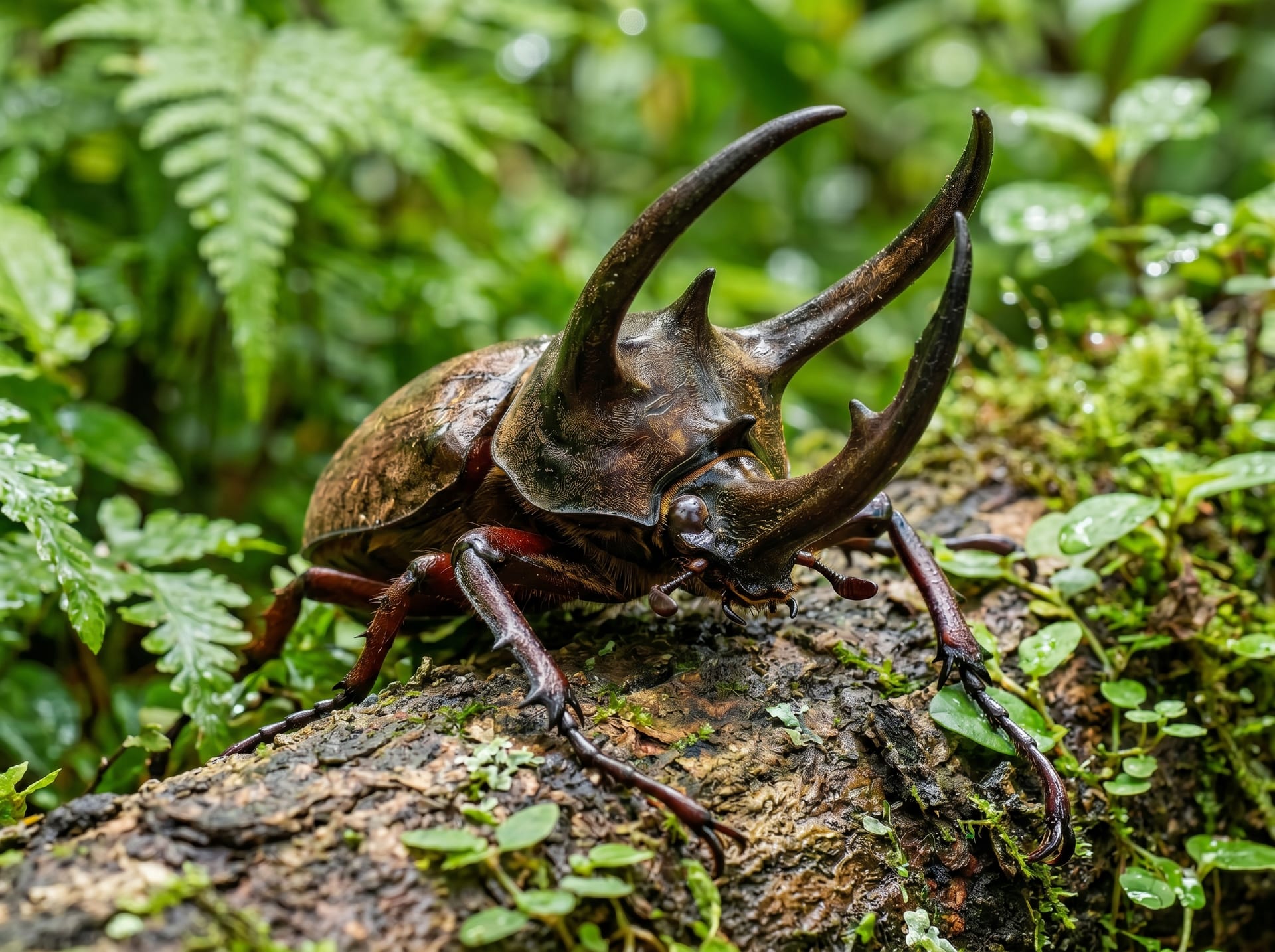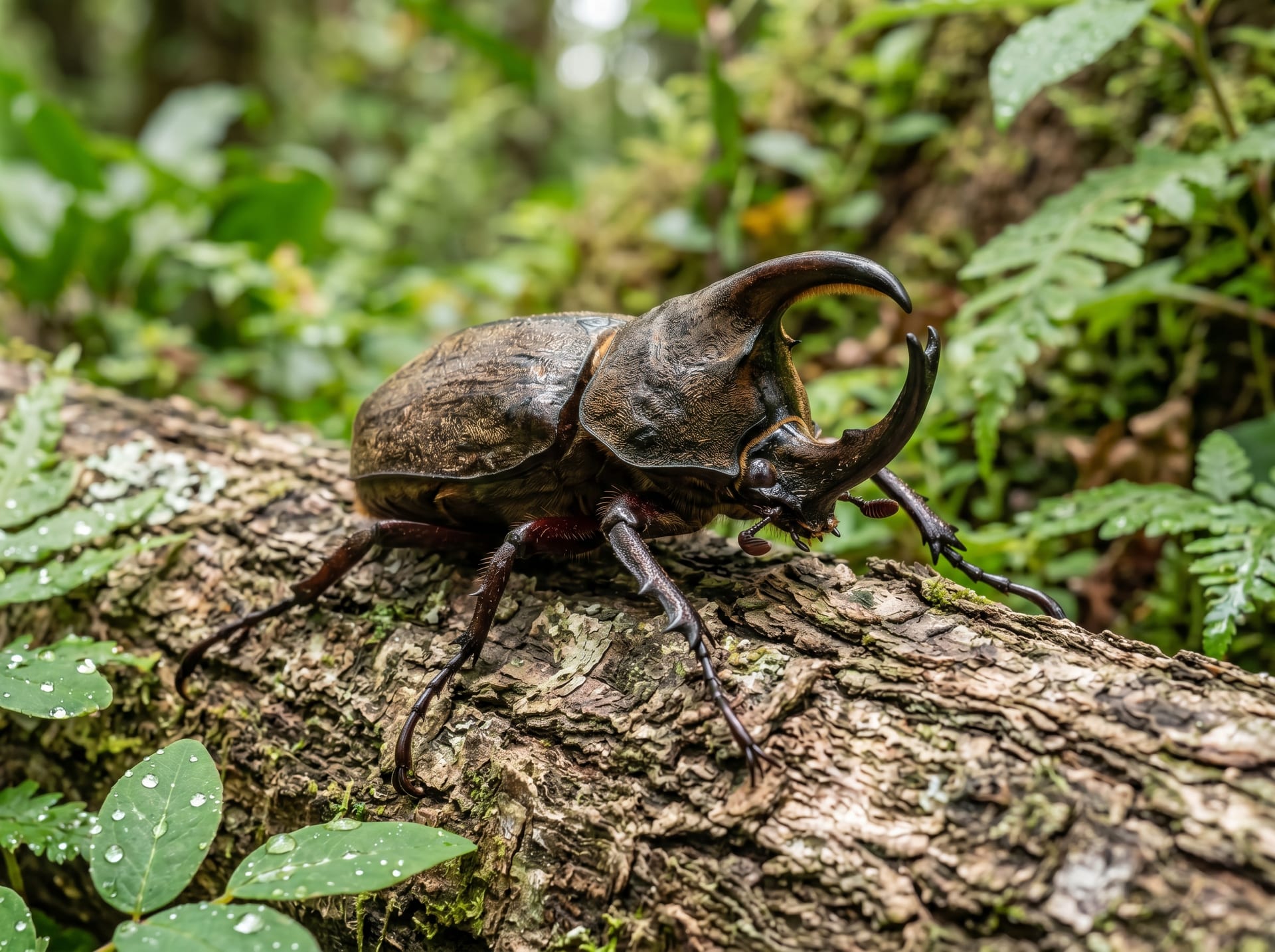
AI-generated image
Elephant Beetle
IntermediateMegasoma elephas
The world's heaviest class of beetle. Stocky body and small horn reminiscent of an elephant.
Difficulty
Intermediate
Temperature
20〜28℃
Lifespan
Adult 3-6 months
Size
50-130mm
Humidity
60〜80%
Diet
Insect jelly, Banana
About
Megasoma elephas, the elephant beetle, is a large Neotropical rhinoceros beetle in the family Scarabaeidae, subfamily Dynastinae, distributed across tropical rainforests from Mexico to Venezuela. It is renowned as the heaviest beetle in the world by larval mass, with larvae sometimes exceeding 100 g. Because larvae grow exceptionally large, housing must be spacious, and substantial quantities of leaf litter or fermented substrate are required throughout the lengthy larval period of 18–36 months. Egg-laying occurs in fermented substrate. Adults are fed beetle jelly or banana and live approximately 3–6 months. The elephant beetle's massive proportions and the scale of husbandry required make it a rewarding challenge for experienced beetle keepers.
Source: Wikipedia (CC BY-SA 4.0)
Lifespan of the Elephant Beetle
The Elephant Beetle lives Adult 3-6 months.
Size of the Elephant Beetle
The Elephant Beetle grows to 50-130mm.
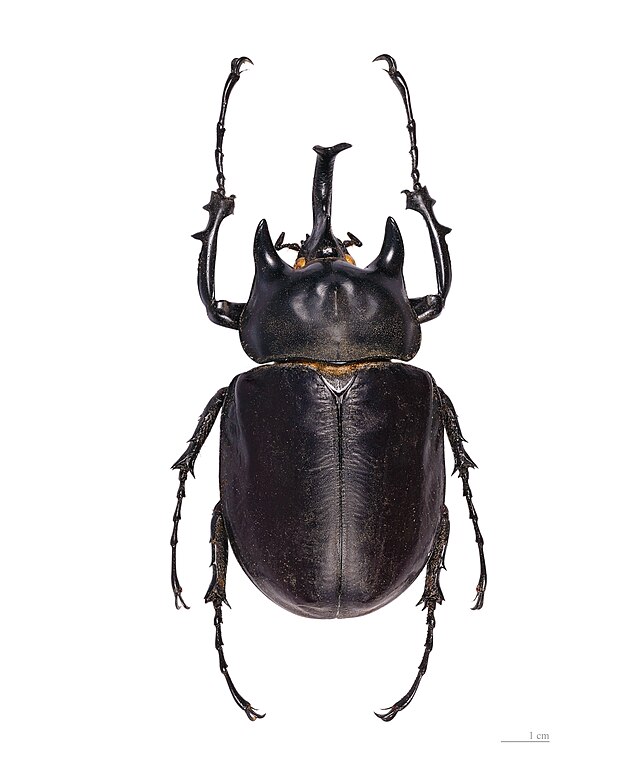
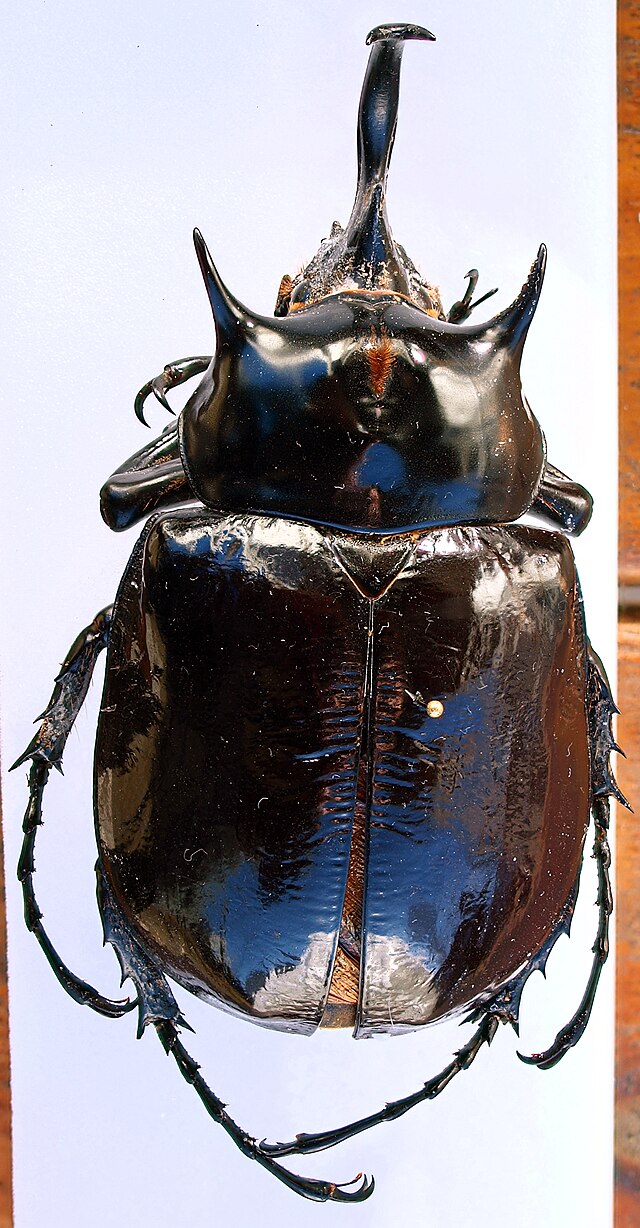
Males bear both cephalic and thoracic horns and reach 50–130 mm in body length; the entire body is densely covered with fine hairs, a characteristic feature of the genus Megasoma.
Temperature & humidity for the Elephant Beetle
Optimal captive temperature is 22–27°C.
Basic Info
Origin
tropical rainforests from Mexico to Venezuela in Central and northern South America
Care Specifications
PeacefulSolitaryBreeding: Moderate
Breeding Records & Localities
Captive record (♂)
134 mm
Record source: BE-KUWA 2025 edition (Elephant Beetle, Central American type, captive 134.0mm, Yamazaki Toru 2025, total length including horns)
Notable localities
Southern MexicoCentral AmericaNorthern South America
Regional subspecies
- Megasoma elephas elephas(nominate subspecies)
- Megasoma elephas iijimai — iijimai type
Large elephant beetle with yellowish-brown fine setae on the body surface (captive records: Central American type 134.0 / Iijima type 124.0mm). Captive breeding records are updated annually in BE-KUWA (Mushi-sha) contests. Individual value varies significantly based on locality, generation (CBF/WF/WD), and size.
Generation codes
- WD
- Wild-caught
- WF1
- Offspring of a wild-caught female
- F1〜
- Captive generations (same locality)
- CBF1
- Cross-locality captive-bred (reset)
Sources: BE-KUWA Certified Breeding Records (Mushi-sha, FY2025 edition, JA)
References & Sources
Edited & verified by: BreederDirect editorial team
The taxonomic, regulatory, and husbandry data on this page are compiled and verified against the authoritative primary sources below.
Taxonomy & Authority
Accepted name: Megasoma elephas (Fabricius, 1775)
Synonyms: Megasoma elephas iijimai Nagai, 2003, Scarabaeus elephas Fabricius, 1775
Authority databases: GBIF
Nomenclature follows global taxonomic authority databases.
Regulations & Conservation Status
Not CITES-listed
Plant Protection Act: When importing live specimens of Scarabaeoidea (including rhinoceros beetles, stag beetles, flower beetles, etc.), a species identification certificate issued by the exporting country government agency or equivalent must be attached in accordance with the Invasive Species Act (import ports are limited to Narita, Chubu, Kansai, Fukuoka, and Kagoshima airports). This species itself is not a designated invasive species, and import is possible upon submission of the certificate.
Sources: Ministry of the Environment, Invasive Species Act: "Guidance for Those Importing Live Insects in Scarabaeoidea" / CITES Appendix (checklist.cites.org)
Regulations may change. Always verify the latest information with the relevant authorities.
Elephant Beetle Listings
Loading latest listingsFind listings for this species