Breeding Methods and Care Guidelines for Rhinoceros Beetles and Stag Beetles
Master the techniques for successfully breeding rhinoceros beetles and stag beetles, from pairing methods and setting up laying boxes to larva collection and management. This guide also covers the practical differences between substrate and fungal wood cultivation.
Key Takeaways
Master the techniques for successfully breeding rhinoceros beetles and stag beetles, from pairing methods and setting up laying boxes to larva collection and management. This guide also covers the practical differences between substrate and fungal wood cultivation.
Related Species

Japanese Giant Stag Beetle
View species details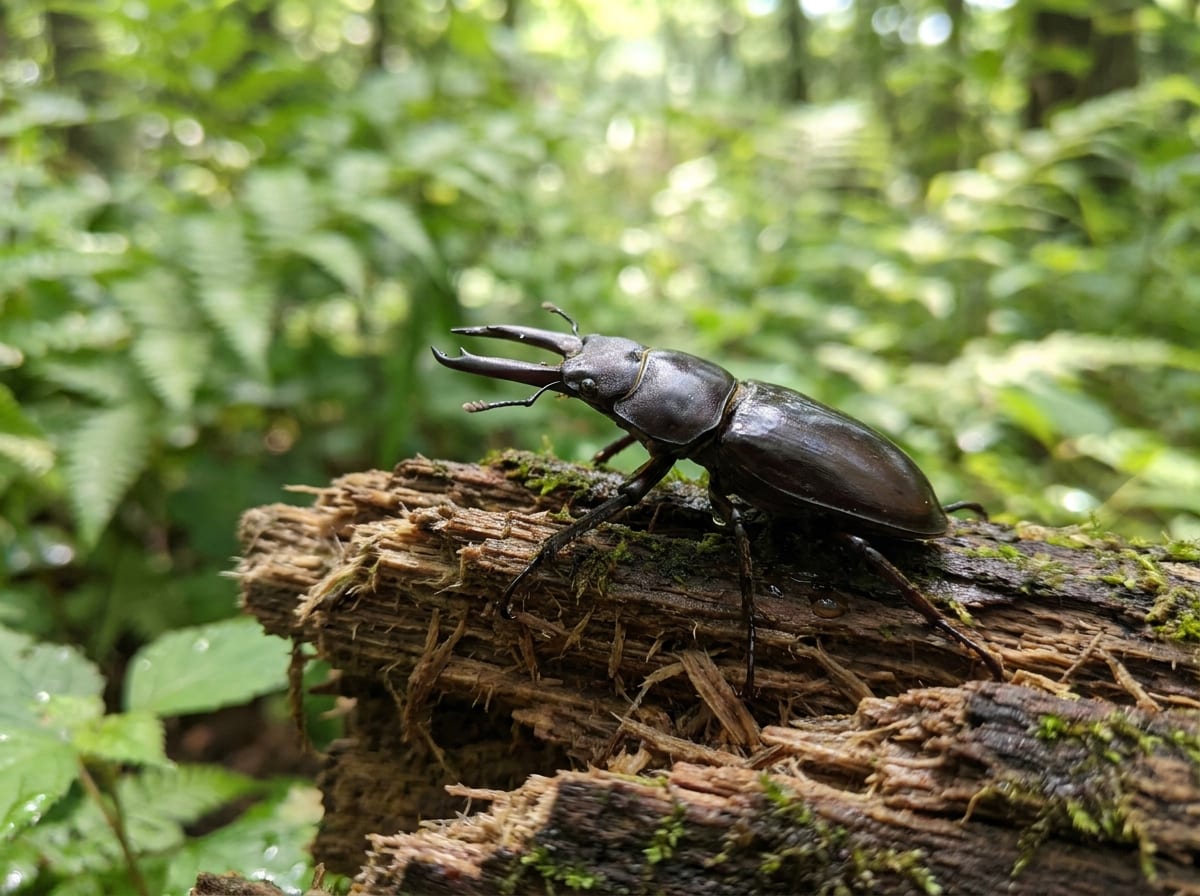
Kokuwa Stag Beetle
View species details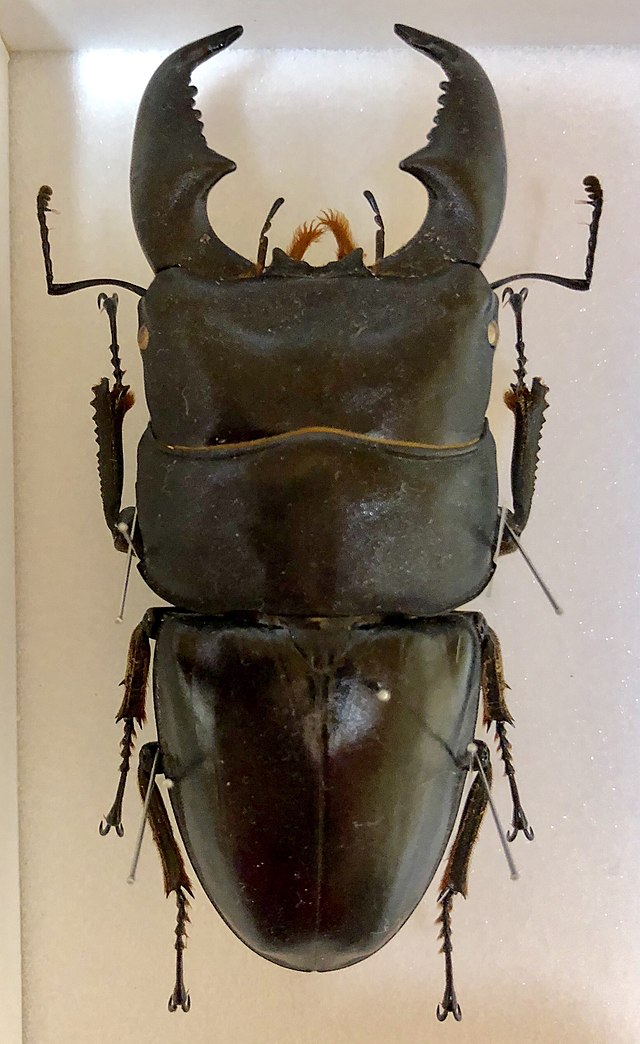
Flat Stag Beetle
View species details
Giraffe Stag Beetle
View species details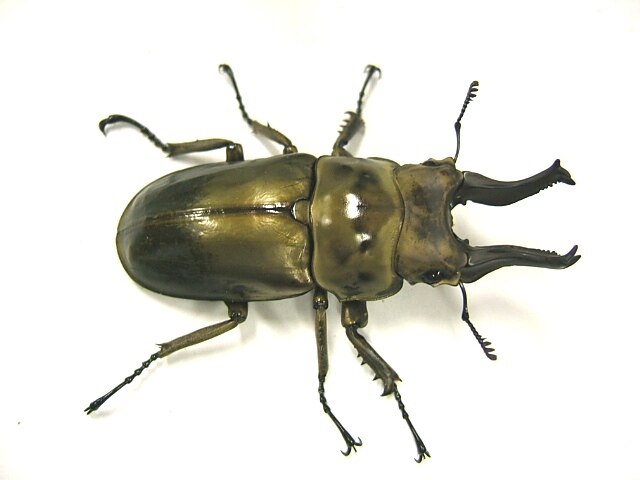
Golden Stag Beetle
View species details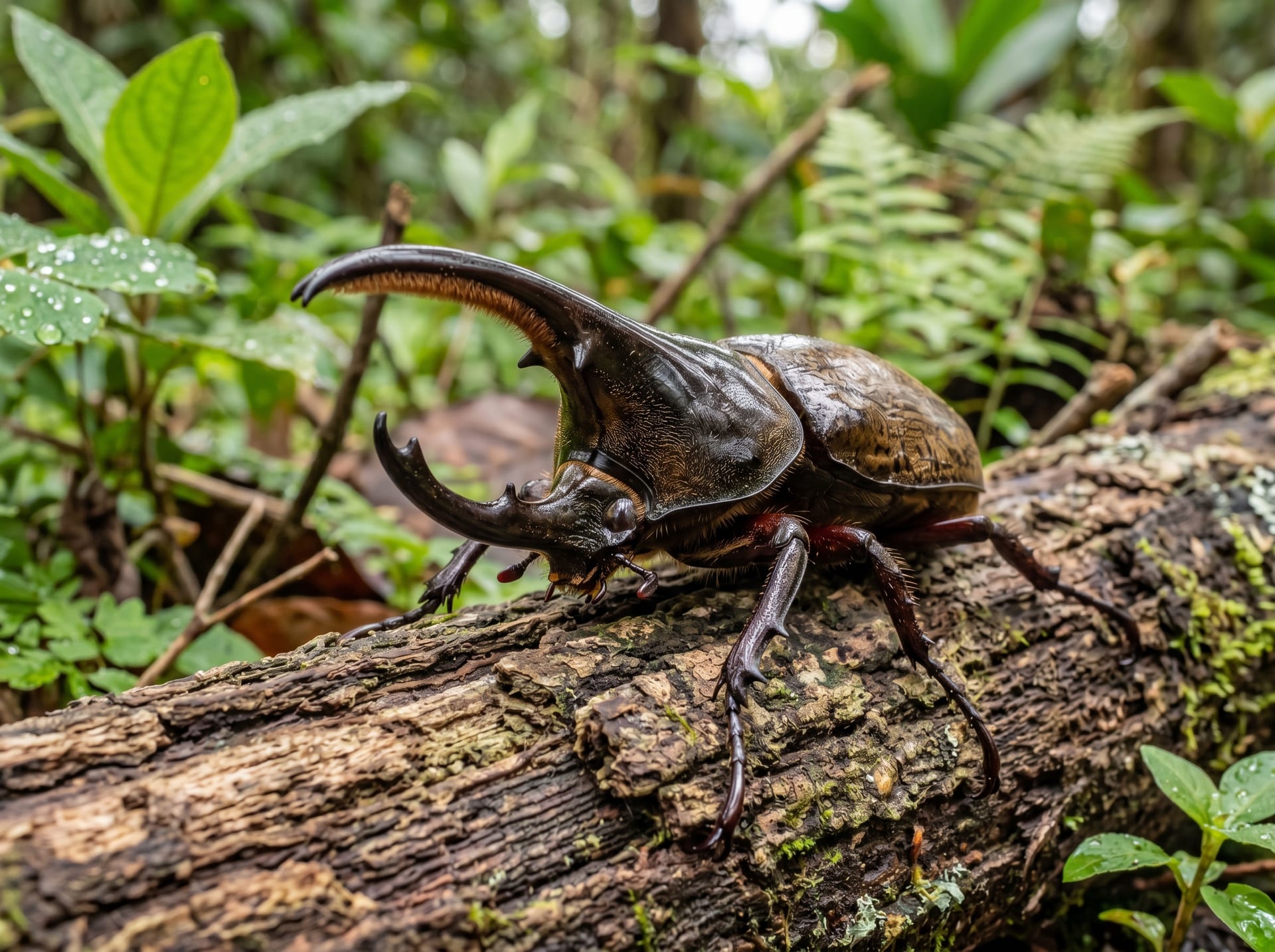
Hercules Beetle
View species details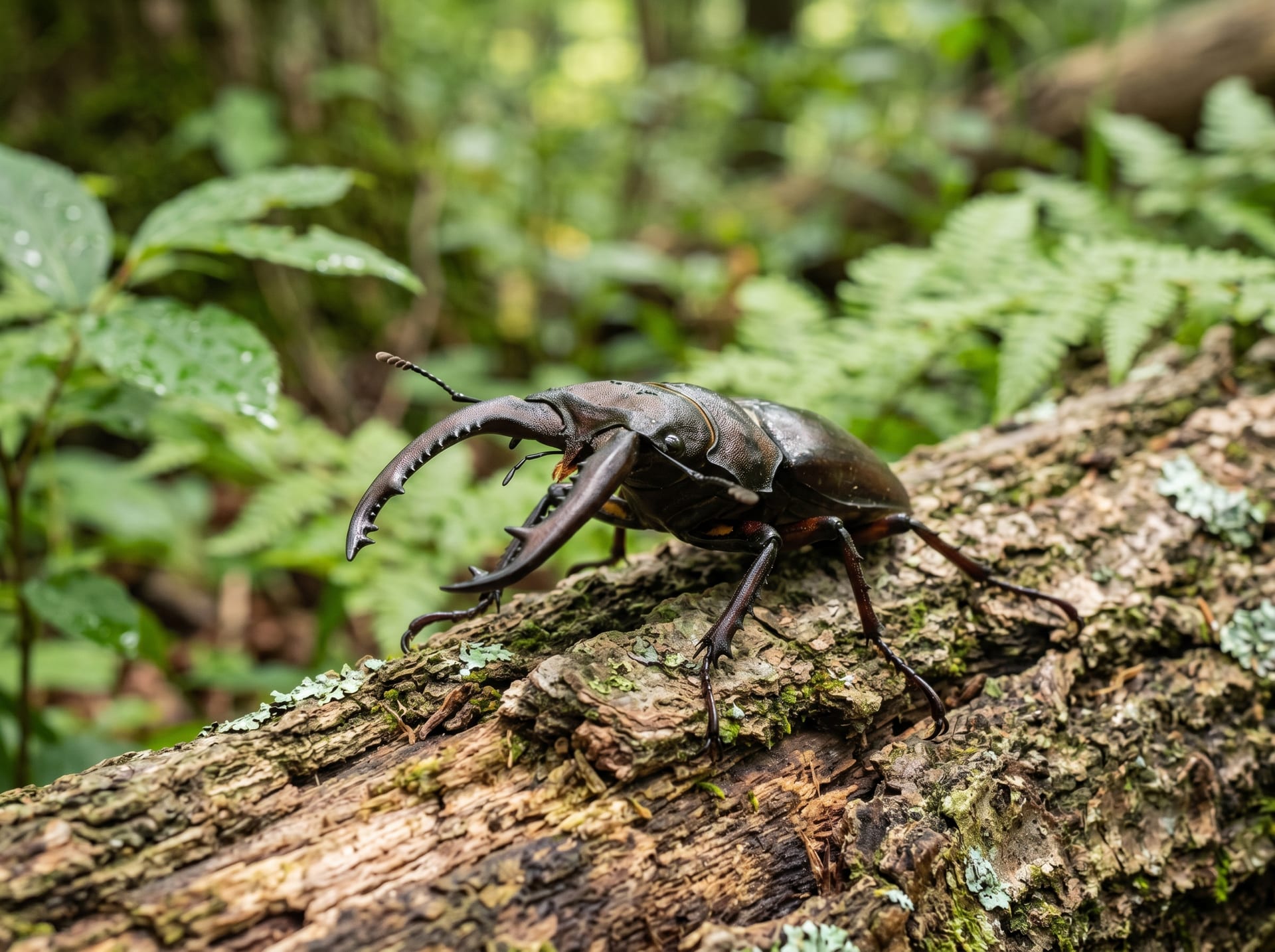
Saw Stag Beetle
View species details
Rainbow Stag Beetle
View species detailsBreeding rhinoceros beetles and stag beetles is arguably the ultimate joy of insect keeping. Creating large specimens, maintaining rare species across generations, witnessing the mystical transformation from larva to adult—experiencing all of this firsthand is the true appeal of beetle breeding. This article walks beginners through the fundamentals step by step, providing everything you need to know to successfully start your breeding journey.
Essential Equipment Before You Begin
Successful breeding requires proper tools and mature specimens. At minimum, prepare the following items:
- Mature breeding pair — Use individuals at least one month past their first feeding. Freshly emerged beetles have underdeveloped reproductive organs and will not lay eggs even if they mate.
- Laying box container — Medium to large size is standard, though some species can breed in smaller containers.
- Laying substrate — Use coarse, fully fermented substrate for rhinoceros beetles and fine-particle fermented substrate for stag beetles.
- Laying wood — Required for most stag beetle species, such as Japanese oak (Konara) or hardwood (Kawara) wood.
- High-protein jelly — Feeding this to females before laying can increase egg production.
Lining the container lid with a fruit fly-proof sheet will significantly reduce fruit fly infestations.
Rhinoceros Beetle Breeding Steps
Pairing
The most straightforward method is "cohabitation pairing"—housing a male and female together for 5–7 days. However, monitor them daily as males may injure females. If you want to observe mating directly, you can use "hand pairing": gently place the female on the male's back and hold them until their reproductive organs connect. When the female begins burrowing into the substrate, mating has occurred.
Setting Up the Laying Box
- Press fermented substrate firmly into the container bottom to a depth of about 10 cm
- Add another 5 cm of substrate loosely on top (so the female can choose her laying location)
- Place a small piece of wood for support and high-protein jelly
- Move the male to a separate container and introduce only the female
- Place in a dark, cool location and avoid disturbing the setup for 2–3 weeks
Larva Collection (割り出し)
The ideal time to collect larvae is 1–1.5 months after setup. Spread the substrate on a tray or newspaper and gently break it apart with a spoon while searching for eggs and larvae. Eggs are small white spheres about 3–4 mm in diameter; they will deform if touched by hand, so always handle them with a spoon. First-instar larvae are extremely tiny and easily overlooked, so proceed carefully.
Stag Beetle Breeding Steps
Stag beetles vary greatly by species in their laying behavior. They fall into three main types: "wood-laying," "substrate-laying," and "fungal substrate-laying." Research your specific species beforehand to know which method to use.
Wood-Laying Species (Giant Stag Beetles, Small Stag Beetles, etc.)
- Soak wood (Japanese oak or Kunugi) in water for 6–12 hours to hydrate it
- Peel the bark and set it up before the surface dries out completely
- Spread fine-particle substrate 3–5 cm deep in the container and half-bury the wood
- Secure the wood with substrate around it, add support materials and jelly
Substrate-Laying Species (Rainbow Stag Beetles, Flat Stag Beetles, etc.)
Spread fine-particle fermented substrate 8–10 cm deep and compress firmly—this is essentially all you need. You may add laying wood as a supplementary option, but it is not required. Maintain a temperature of 20–25°C and mist regularly to prevent drying.
Fungal Substrate-Laying Species (Golden Stag Beetles, etc.)
These require advanced techniques using fungal substrate bottles or wood. While success rates are high, costs are significant. No hydration is needed; simply embed the material into the substrate.
Collect larvae 1.5–2 months after setup. Carefully split the wood to extract larvae. First-instar larvae are extremely small and can be buried in wood debris, so inspect carefully.
Rearing Larvae to Adulthood
Substrate Rearing
Rhinoceros beetle larvae grow by consuming fermented substrate. House one larva per 500 ml–1 L bottle or cup, replacing substrate every 2–3 months. For stag beetles, the ideal substrate particle size varies by species. This method is more economical than fungal wood, but it is not ideal if you are aiming for large specimens.
Fungal Wood Rearing (For Stag Beetles)
Large stag beetles such as the Giant Stag Beetle thrive with fungal wood cultivation, which is the most direct path to large adults. Choose fungal substrate (such as oyster mushroom or Kawara fungal wood) appropriate to your species, and replace it when feeding scars cover 70% or more of the surface. The ideal temperature is 20–25°C; sudden temperature changes can damage larvae.
Observing Pupation and Emergence
When a larva turns yellowish, shrinks, and stops moving, this signals the "pre-pupae" stage. Never shake the container or move the larva during this time. The larva will create its own pupal chamber and emerge as an adult in 2–4 weeks. Newly emerged beetles are soft and extremely fragile; do not handle them until they begin feeding on their own. First feeding typically begins 1–3 months after emergence, depending on species.
Essential Rules for Responsible Breeding
To enjoy breeding responsibly, follow these important guidelines:
- Never release non-native species into the wild — Introducing foreign species like Hercules beetles or Giraffa stag beetles into Japan's natural environment can cause serious ecological damage. If you can no longer care for your beetles, find a responsible home or consult a specialty store.
- Verify restricted species — Some species are legally prohibited for breeding and sale. Check the "Law Concerning the Prevention of Damage to Ecosystems by Specified Alien Species" before purchasing. As of 2026, the list of restricted species continues to be reviewed; consult the Ministry of the Environment website for the latest information.
- Maintain lineage records — Recording the generation number (F1, F2, etc.) helps with bloodline management and providing accurate information to buyers. Inbreeding over many generations leads to deformities and reduced hatch rates; it is recommended to introduce outcross bloodlines every 4–5 generations.
- Maintain strict temperature control — Many foreign species cannot tolerate Japan's summer heat; air conditioning or cooling supplies are essential for their survival.
Safe and Trustworthy Breeding on BreederDirect
On BreederDirect, insect breeders list their specimens directly, giving you detailed access to origin, generation information, and rearing conditions. This level of detail is unavailable at conventional pet shops, and the ability to purchase directly from trusted breeders is our greatest advantage.
You can ask breeders questions after purchase, so even first-time breeders can get expert advice on challenges like "How do I set up a laying box?" or "My larvae keep escaping the substrate." Payment terms and delivery methods are arranged directly with the breeder, so you can proceed with confidence and peace of mind.
Breeding rhinoceros beetles and stag beetles is accessible to anyone with proper knowledge and equipment. Find a trusted breeder on BreederDirect and start your own rewarding breeding journey today.