Breeding and Care Guide for Dung Beetles (Scarabaeus and Copris) | Enjoying the Fascinating Ecology of Scarab Beetles
A guide to breeding and raising dung beetles (scarabs) such as Scarabaeus sacer and Copris species. From dung ball formation to adult care and larval management—we clearly explain how to raise these insects with their unique ecology.
Key Takeaways
A guide to breeding and raising dung beetles (scarabs) such as Scarabaeus sacer and Copris species. From dung ball formation to adult care and larval management—we clearly explain how to raise these insects with their unique ecology.
Related Species
What are Dung Beetles and Scarab Beetles?
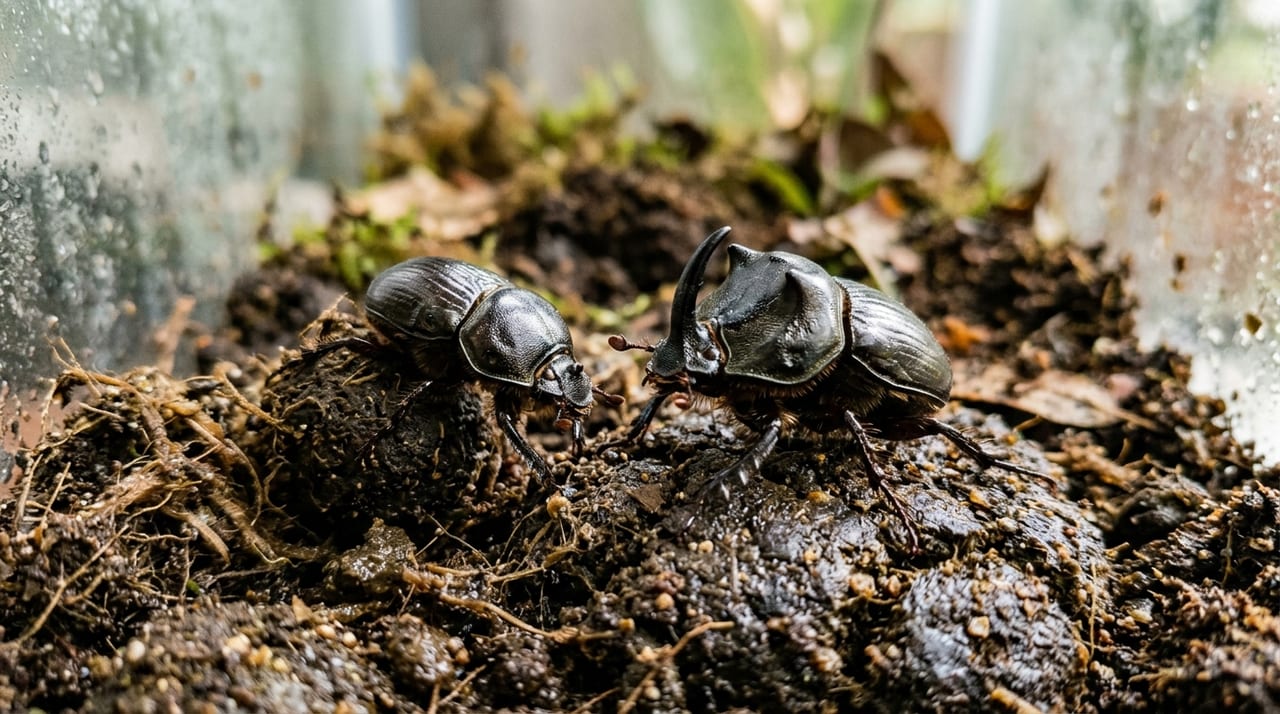
Dung beetles, including Scarabaeus sacer, are collectively called insects belonging to the family Scarabaeidae, subfamily Scarabaeinae (order Coleoptera). They are famous for being revered as sacred scarabs (beetles) in ancient Egypt.
Dung beetles have a unique ecology in which they use feces from mammals, birds, reptiles and other animals as food and breeding sites. The behavior of dung beetles such as Scarabaeus sacer rolling feces into balls is particularly well-known, but Copris species that inhabit Japan are also members of the "ball-making beetles" that create larval chambers (dung balls) within feces.
Species commonly available for captive breeding include the Japanese Copris cornutus (Japanese horned dung beetle) and Asian Copris orientalis. These are fascinating species that allow observation of the unique parental care behavior of adult beetles (nurturing behavior) and provide an opportunity to experience the wonderful ecology of insects.
Equipment Needed for Breeding
Breeding Cage
Since Copris species dig burrows in the ground to live, a deep breeding cage is necessary.
- Size: At least 30cm wide × 20cm deep × 30cm tall
- Material: Plastic reptile cages or deep-type insect containers
- Lid: Breathable mesh lid (to prevent escape)
Substrate (for Egg-Laying and Larval Development)
Since Copris larvae develop inside feces, use substrate containing fresh dung.
Ideal substrate preparation:
- Mix leaf mold (or fermentation substrate) and dried dung from herbivorous animals (cattle, horses, goats) in a 4:1 ratio
- Lightly mist with water to moisten (until it clumps when squeezed)
- Fill to a depth of 15-20cm or more
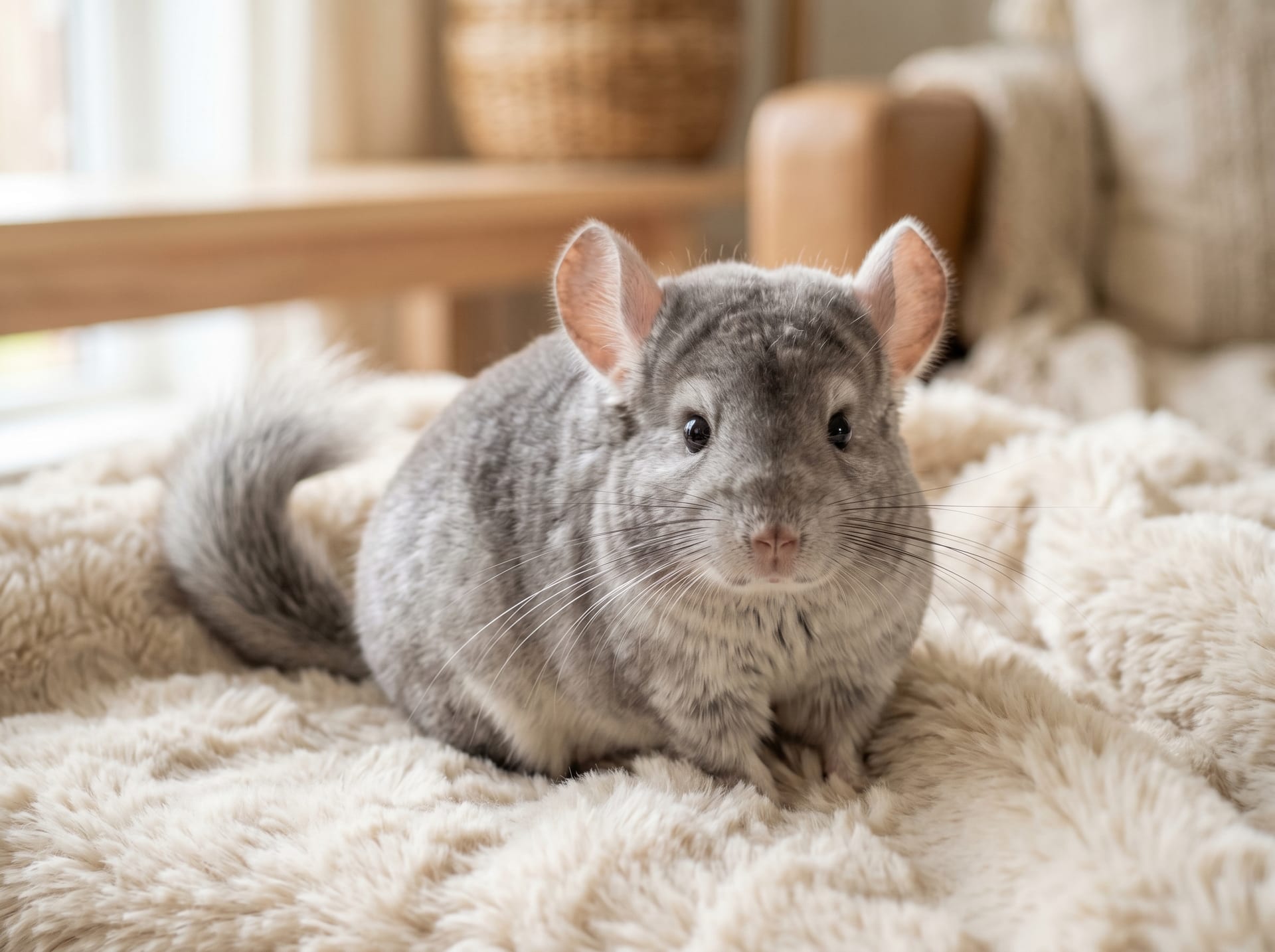
Alternatives: You can substitute by mixing commercially available 'fermentation substrate for rhinoceros beetles' with dried dung from herbivorous animals available at pet shops (rabbit and chinchilla droppings are easiest to obtain).
Temperature and Humidity Management
| Item | Recommended |
|---|---|
| Temperature | 22-28°C |
| Humidity | 60-70% |
| Lighting | Dim location (nocturnal) |
Copris species are nocturnal and spend most of the day buried in the soil.
Diet and Feeding
Both adult and larval Copris species are coprophagous (feces-eating).
Adult diet:
- Fresh dung from herbivorous animals (cattle, horses, sheep, rabbits, chinchillas)
- Pet food (easily digested and readily becomes dung ball material)
- Insect jelly (supplementary)
Important notes:
- Do not use carnivore feces, as they rot easily and contain many bacteria
- Replace feces weekly to maintain cleanliness
- Individual beetles may have preferences even among feces from the same herbivore species
Unique Nurturing Behavior of Copris Species (Parental Care)
The greatest attraction of Copris species is the unique nurturing behavior where female parents care for dung balls containing larvae.
Breeding Process
- After mating, the female digs burrows in the ground
- She collects feces to form spherical 'nurturing balls (breeding balls)'
- She lays eggs inside the nurturing ball and continuously guards it
- Eggs hatch and larvae grow by consuming the interior of the dung ball
- After pupation and emergence, adults break through the ball to escape
This parental care behavior by females is rare in the insect world and can sometimes be observed through glass in captivity.
Breeding Tips
- Keep males and females together: Placing them as a pair in the same cage promotes mating
- Promote egg-laying: Provide deep substrate and abundant dung material
- Do not disturb during female nurturing: Breaking the ball can likely cause rearing failure
Larval Management
Since parent beetles raise larvae inside the nurturing ball, human intervention is generally unnecessary. They are naturally managed until emergence.
If artificially rearing larvae, remove the nurturing ball and bury it in a mixed substrate of fermentation material and feces. Since larvae grow by feeding, replenish the substrate as it is consumed.
Care Notes and Troubleshooting
Odor Management Because they feed on feces, the breeding cage will emit a distinctive odor. You can reduce it by ensuring ventilation (not sealing the lid completely) and cleaning regularly. We recommend placing the cage in a well-ventilated area.
Mite and Fruit Fly Infestations Substrate containing feces is an environment where mites and fruit flies readily develop.
- Heat-treat substrate (heat at 60°C or above for 1 hour) before use
- Use breeding cages with fruit fly barriers
- Remove dead adult beetles immediately
Substrate Moisture Management If too dry, adults cannot burrow into the substrate; if too wet, mold will grow and kill larvae. Adjust with a mist spray about once a week.
Summary
Dung beetles and Copris species are insects with unique ecology that sets them apart from typical beetles. Creating dung balls and observing females protecting eggs and larvae is inherently fascinating and allows you to experience the "wonder of living things" firsthand. While you may have some hesitation about the odor and handling of feces, it is certainly worthwhile to enter their unique world. We encourage you to try breeding Copris species as a new challenge in insect keeping.