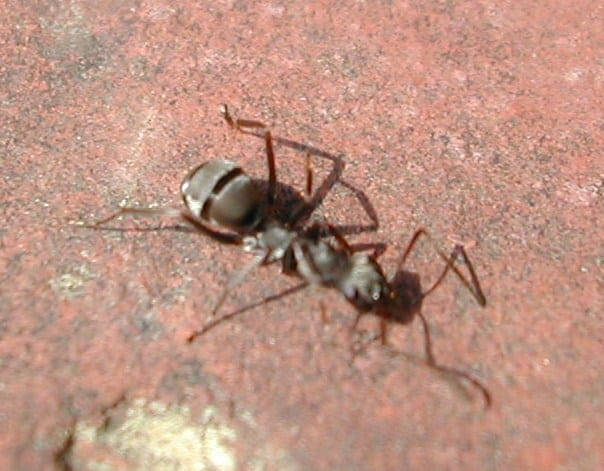
 © Imuzak / Public domain
Japanese Wood Ant
The Japanese Wood Ant is a grayish-black ant commonly found in sunny grasslands throughout Japan. The size difference between workers (about 4.5-6mm) and the queen (about 10mm) makes for interesting observation. Fast-moving, active, and hardy, this species adapts well to changing conditions, making it a popular starter choice for those new to ant keeping. Watching the colony cooperate to expand its nest and observing the queen-centered social structure up close are among its main appeals. Though a familiar species, it rewards close observation with plenty to discover.
View Japanese Wood Ant encyclopedia →0% commission on your first sales!Register by September 30, 2026 and your first 2 sales are commission-free!
Breeder Wanted!
List on BreederDirect and sell directly to customers nationwide!
BreederDirect's 6 Transparency Commitments
When listing Insects, Breeders disclose the following. We guarantee transparency on growth stage and breeding unit.
- Life Stage Clarity
- Generation Info
- Real Photos
- Breeding Unit
- Country of Origin
- Body Length (mm)
Browse all 336 breeds
Verified breeders wanted for Insects
Breeders are signing up now ahead of launch. Subscribe to be notified when new listings go live.
Getting alerts is free with a member account. When new listings match your saved search, we'll notify you by email and in-app.
Browse other categories
Verified breeders (preview)
Japanese Wood Ant key facts
- Care level
- Beginner-friendly
- Lifespan
- Queens 5-10 years
- Size
- Workers 4.5-6mm, queens about 10mm
- Temperature
- 23-25°C (avoid 30°C or above)
- Diet
- Honeydew or sugar water plus insects (omnivorous)
- Temperature & Humidity
- Keep at 23-25C, never above 30C. Honshu stock overwinters indoors unheated. A soil-nesting species sensitive to drying; keep the plaster or test tube watered.
- Breeding & Egg-laying
- Alates fly from early June to early July in Tokyo. A dealated queen kept alone in a test tube raises her first workers unaided. Kansai-type queens may co-found in groups.
- Cohabitation
- Kanto-type colonies are monogynous and cannot be merged. Kansai-type colonies are polygynous and accept several queens, but never mix ants of different origin.
- Lifespan & Rearing Period
- Mature colonies have been reported to exceed 10,000 workers; link additional plaster nests as the colony grows.
- Health & Notes
- Fast-moving and prone to escape; apply an escape barrier to the rim of the foraging area. Beware of mold from overfeeding.
About Japanese Wood Ant
A hardy, grayish-black wood ant found across Japan's grasslands. Learn about the Japanese Wood Ant, a popular and active starter species for ant keeping.
7 things to know before welcoming a Japanese Wood Ant
1Fast and Active by Nature
Japanese Wood Ants are highly active and move quickly once they locate food. This makes them fascinating to watch, but it also means escape-proofing matters — check that lids and container seams are well sealed before setup.
2Hardy and Adaptable
Part of what makes this species beginner-friendly is its resilience. It tolerates some fluctuation in temperature and humidity, and since it naturally lives outdoors across Japan, it tends to adapt well to typical indoor keeping conditions.
3Size Difference Between Queen and Workers
Workers measure around 4.5-6mm, while the queen is noticeably larger at about 10mm. This size contrast makes it easy to visually distinguish roles within the colony.
4Understated Grayish-Black Coloring
The body is grayish-black — understated rather than flashy, with a subdued texture. The appeal lies less in color and more in watching the colony move and form trails together.
5Prepare Housing Before Arrival
Before bringing your ants home, set up an escape-proof enclosure along with a feeding and watering system. Since this is an active species, providing generous space helps them settle in comfortably.
6Avoid Sudden Temperature or Humidity Swings
While hardy, this species can still be stressed by extreme temperatures or abrupt humidity changes. Avoid placing the enclosure in direct sunlight or directly in the path of air conditioning airflow.
7Enjoy Observing Colony Behavior
The real appeal of this species lies less in individual ants and more in colony-wide behavior. Watching how they share information about food sources or build out their nest reveals much of what makes ant keeping engaging.
Frequently asked questions about Japanese Wood Ant
- Q.Can beginners keep Japanese Wood Ants?
- A.Yes, this species is widely known as a good starter choice thanks to its hardiness and active nature. It also adapts reasonably well to changes in its environment.
- Q.How much size difference is there between workers and the queen?
- A.Workers measure roughly 4.5-6mm, while the queen is about 10mm — noticeably larger, making the two easy to tell apart.
- Q.Are there legal restrictions on keeping Japanese Wood Ants?
- A.The Japanese Wood Ant is not subject to CITES.
- Q.How fast do Japanese Wood Ants move?
- A.This species is known for quick, active movement and reacts fast once food is found. Solid escape-proofing for the enclosure is important as a result.
- Q.Where is this species typically found in the wild?
- A.It is one of the most commonly seen wood ants, living in sunny grasslands across Japan. Because it naturally inhabits familiar environments, it tends to settle in well under captive conditions too.
Useful tools for Japanese Wood Ant care
Learn more about Japanese Wood Ant in the encyclopedia
View Japanese Wood Ant encyclopedia entry →
Care difficulty, lifespan, size and diet — all basics covered.
More in this category
Can't find the one you're looking for?
Post your wishes for free and breeders with matching animals will contact you with introductions.