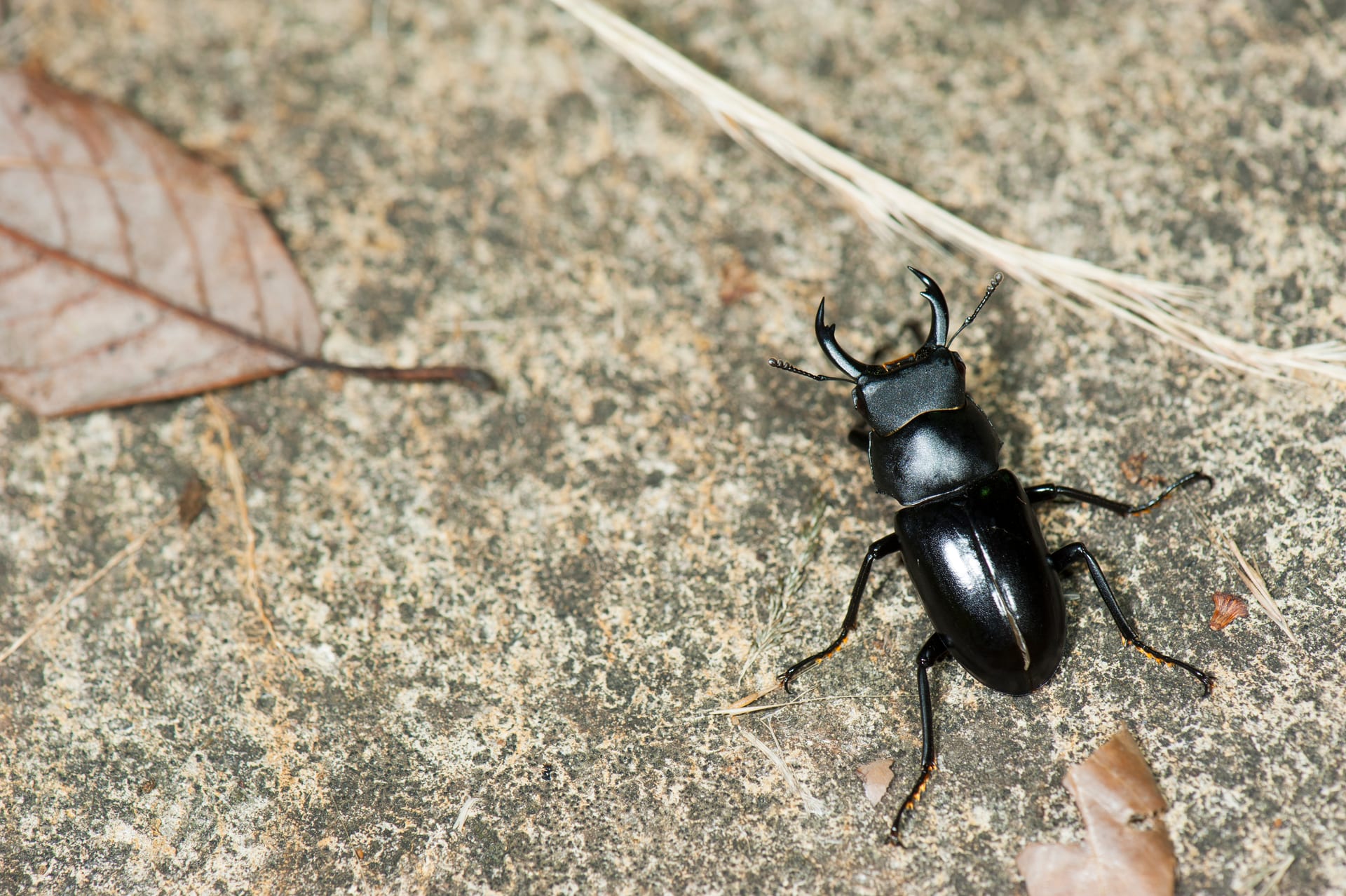
 © LiCheng Shih / CC BY 2.0
Yamada's lesser stag beetle
Yamada's lesser stag beetle is a member of the genus Dorcus native to Taiwan, known locally as 刀鍬形蟲. It was once classified as a subspecies of the red-legged stag beetle, and despite its Japanese name it is a different species from Japan's common lesser stag beetle. Detailed Japanese-language information on its form and habits is limited, but it is bred in captivity in Japan. Captive-bred specimens have reached 65.8mm for males and 43.1mm for females, while a wild-caught male has been recorded at 67.0mm. Considered best suited to keepers with some prior experience, it's a species to bring home after confirming its scientific name and locality.
View Yamada's lesser stag beetle encyclopedia →0% commission on your first sales!Register by September 30, 2026 and your first 2 sales are commission-free!
Breeder Wanted!
List on BreederDirect and sell directly to customers nationwide!
6 Transparency Standards You Can Trust
When listing Insects, Breeders disclose the following. We guarantee transparency on growth stage and breeding unit.
- Life Stage Clarity
- Generation Info
- Real Photos
- Breeding Unit
- Country of Origin
- Body Length (mm)
Browse all 336 breeds
Verified breeders wanted for Insects
Breeders are signing up now ahead of launch. Subscribe to be notified when new listings go live.
Getting alerts is free with a member account. When new listings match your saved search, we'll notify you by email and in-app.
Browse other categories
Verified breeders (preview)
Yamada's lesser stag beetle key facts
- Care level
- Intermediate
- Lifespan
- Little data
- Size
- Captive records 65.8mm (male) and 43.1mm (female); wild record 67.0mm (male)
- Diet
- Adults take sap or beetle jelly; larvae eat rotten wood, fungus media or fermented substrate
- Temperature & Humidity
- There is little numeric temperature data. Avoid extremes of heat and cold and keep substrate and laying wood from drying out.
- Breeding & Egg-laying
- Little is published on breeding, but it is bred in Japan. Use ordinary Dorcus methods, with a laying log or fermented substrate.
- Cohabitation
- Keep adults singly and together only for mating.
- Lifespan & Rearing Period
- Larval duration and adult lifespan are poorly documented.
- Health & Notes
- Its genus and rank vary between sources and it was once treated as a subspecies of D. rubrofemoratus, so confirm the scientific name and locality and never cross it with that species. Importing foreign stag and rhinoceros beetles is regulated by the Plant Protection Act and the Invasive Alien Species Act (species-name certificate), with each species needing clearance from the Plant Protection Station, so domestically bred stock is the safe choice. Never release captive beetles.
About Yamada's lesser stag beetle
Yamada's lesser stag beetle is a Taiwanese Dorcus species once classified as a subspecies of the red-legged stag beetle, with captive-bred males reaching 65.8mm.
7 things to know before welcoming a Yamada's lesser stag beetle
1A Medium Taiwanese Species
Yamada's lesser stag beetle is a Dorcus species native to Taiwan and is not found naturally in Japan. Locally, it is called 刀鍬形蟲.
2Close Kin to Another Dorcus Species
This beetle was once classified as a subspecies of the red-legged stag beetle. That close relationship shows in similarities of body shape and general biology.
3Best Suited to Experienced Keepers
Yamada's lesser stag beetle is considered a species for intermediate-level keepers. Prior experience with stag beetle care will help you keep it comfortably.
4Limited Lifespan Data
Detailed records on this species' lifespan are scarce. As with most stag beetles, how long an adult lives likely varies with the individual and its care.
5Substrate and Temperature Care
Keeping this beetle relies on standard fermented insect mat as substrate. Avoid high temperatures and keep it in a cool, well-ventilated spot to help it stay in good condition.
6Insect Jelly Is the Staple Food
Commercial insect jelly makes a suitable staple diet for adults. They also enjoy fruit like banana, but it spoils quickly, so offer it in moderation.
7Gather Supplies Before Bringing One Home
Have a case, substrate, insect jelly, and a climbing branch ready before your beetle arrives. Since this is a Taiwanese species, prepare an environment that avoids extreme heat and humidity.
Frequently asked questions about Yamada's lesser stag beetle
- Q.What's the difference between Yamada's lesser stag beetle and the red-legged stag beetle?
- A.Yamada's lesser stag beetle was once classified as a subspecies of the red-legged stag beetle, making them close relatives. Today they are generally treated as separate species.
- Q.How large does Yamada's lesser stag beetle grow?
- A.Captive-bred records show males reaching 65.8mm and females reaching 43.1mm. A wild-caught male has been recorded at 67.0mm.
- Q.Is this beetle suitable for beginners?
- A.Yamada's lesser stag beetle is considered a species for intermediate-level keepers. It's best to gain some basic stag beetle keeping experience before bringing one home.
- Q.How long does Yamada's lesser stag beetle live?
- A.Detailed lifespan data for this species is currently limited. As with many stag beetles, lifespan likely varies by individual and by how it's kept.
- Q.Is Yamada's lesser stag beetle subject to CITES?
- A.Yamada's lesser stag beetle is not subject to CITES. Many live foreign Scarabaeoidea (stag beetles, rhinoceros beetles, flower chafers and relatives) are quarantine pests whose import is banned under Japan's Plant Protection Act, and even importable species require a species-name certificate from a foreign government body under the Invasive Alien Species Act (entry only via designated airports, never by international post). Whether a species may enter must be checked with the Plant Protection Station in advance, so choose domestically bred stock and never release captive beetles.
Useful tools for Yamada's lesser stag beetle care
Learn more about Yamada's lesser stag beetle in the encyclopedia
View Yamada's lesser stag beetle encyclopedia entry →
Care difficulty, lifespan, size and diet — all basics covered.
More in this category
Can't find the one you're looking for?
Post your wishes for free and breeders with matching animals will contact you with introductions.