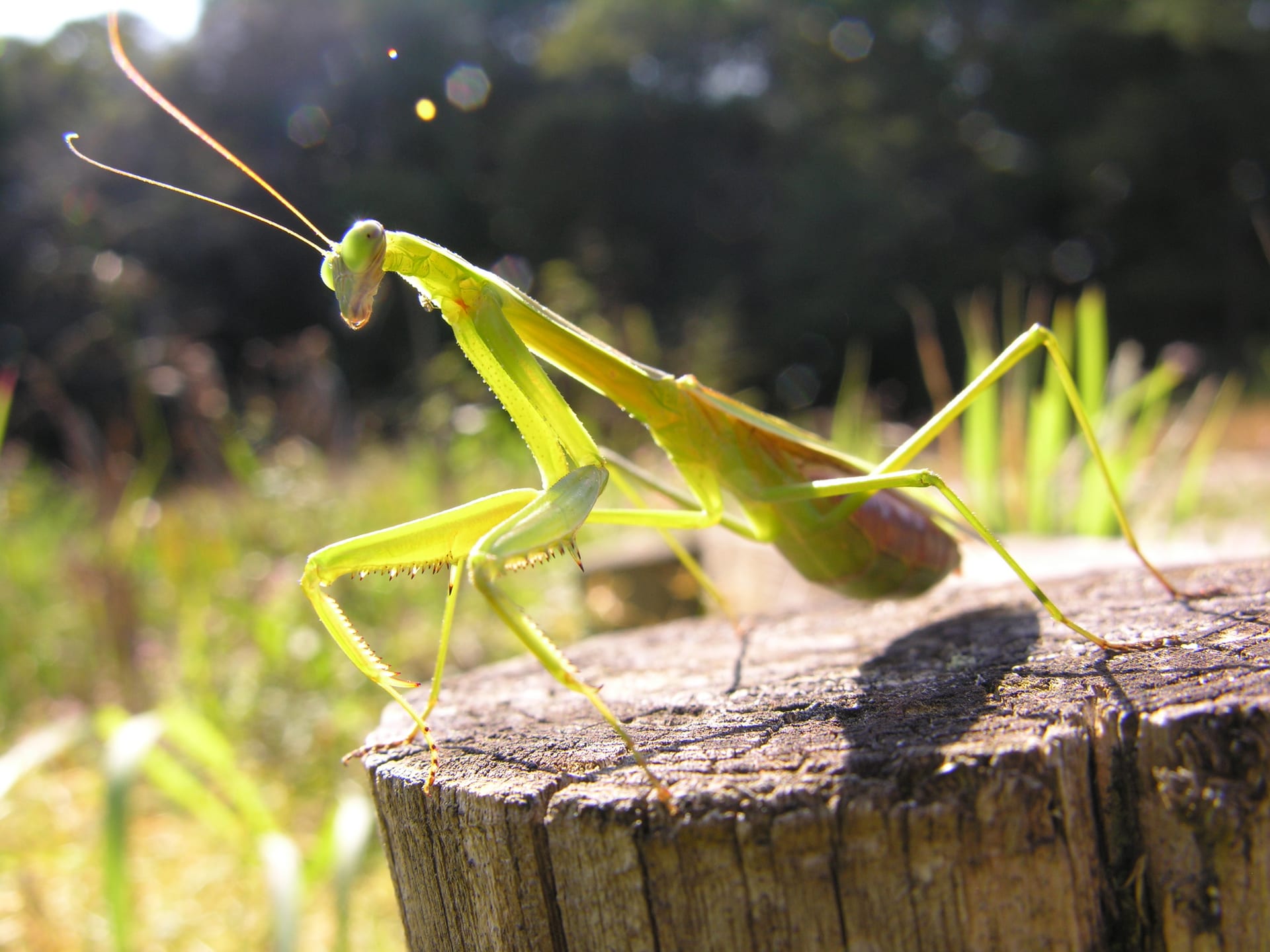
 © Yasunori Koide / CC BY-SA 3.0
Narrow-winged Mantis
The Narrow-winged Mantis is a large mantis that closely resembles the more common Chinese mantis, though its body is noticeably slimmer and its movements quicker. The easiest way to tell it apart is the bright orange-red color between its front leg bases and its nearly transparent hind wings. It thrives in open, sunny habitats such as the edges of rice paddies and parks, where females lay long, hard egg cases on stems and tree trunks in autumn. Watching it hold its striking pose while waiting motionlessly for prey is genuinely captivating, and its manageable care needs make it a great choice for anyone new to keeping insects.
View Narrow-winged Mantis encyclopedia →0% commission on your first sales!Register by September 30, 2026 and your first 2 sales are commission-free!
Breeder Wanted!
List on BreederDirect and sell directly to customers nationwide!
6 Transparency Standards You Can Trust
When listing Insects, Breeders disclose the following. We guarantee transparency on growth stage and breeding unit.
- Life Stage Clarity
- Generation Info
- Real Photos
- Breeding Unit
- Country of Origin
- Body Length (mm)
Browse all 296 breeds
Verified breeders wanted for Insects
Breeders are signing up now ahead of launch. Subscribe to be notified when new listings go live.
Getting alerts is free with a member account. When new listings match your saved search, we'll notify you by email and in-app.
Browse other categories
Verified breeders (preview)
Narrow-winged Mantis key facts
- Care level
- Beginner-friendly
- Lifespan
- One generation a year; adults appear around July-November
- Size
- Males 65-80mm, females 70-90mm
- Temperature
- 20〜25℃
- Diet
- Live insects (crickets, grasshoppers, butterflies; fruit flies and aphids for nymphs)
- Temperature & Humidity
- Keep at 20-25C; the tolerated range is roughly 15-30C, with 30C treated as the ceiling. Place in a bright spot away from direct sun and air-conditioner draughts, and mist every few days so it can lick droplets.
- Breeding & Egg-laying
- Mates in autumn, and the female attaches a slender, hard ootheca to plant stems or tree trunks. Glue collected oothecae to a stick with wood glue and store them outdoors or in a cold room; a warm room makes them hatch during winter. American observations suggest they hatch one to two weeks later than those of the Chinese mantis.
- Cohabitation
- Carnivorous and cannibalistic, so house one per container. Keep only as many hatchlings as can be cared for and release the rest where the ootheca was collected.
- Lifespan & Rearing Period
- One generation a year, overwintering as eggs. Nymphs moult several times and mature in summer, and adults are seen from July to November.
- Health & Notes
- Moulting and the final emergence need a height about three times the body length plus perches; without footing the moult fails. Watch for horsehair worms and for parasitic wasps and dermestid beetles that attack oothecae. It ignores motionless food but takes prey moved with forceps.
About Narrow-winged Mantis
A large mantis resembling the Chinese mantis, with orange-red front leg bases and near-transparent hind wings. It favors open, sunny habitats and suits beginner insect keepers.
7 things to know before welcoming a Narrow-winged Mantis
1How to identify it
It closely resembles the Chinese mantis, but you can tell it apart by the bright orange-red color at the base of its front legs and its nearly transparent hind wings. Checking these features before bringing one home helps confirm the species.
2Enclosure size guide
As a large mantis, it needs a rearing container at least three times its body height. Give it sturdy footholds and enough vertical space to molt safely.
3Keep it alone
It's territorial and prone to cannibalism, so multiple mantises should never share a container — keep each one separately. When threatened, it may raise its front legs in a defensive display.
4When adults appear
Adults are typically seen from July through November, completing one generation per year. Adjust temperature care according to the season and growth stage.
5Feeding basics
It hunts and eats live insects, so you'll need to regularly provide live feeder insects such as crickets. Since it reacts to movement, how you present the food matters.
6Handling the egg case
Females lay long, hard egg cases (oothecae) on stems and tree trunks. If keeping one indoors, store it away from dryness and sudden temperature swings.
7Before you bring one home
Prepare a well-ventilated enclosure, branches for footholds, and a mister before bringing one home. Thoughtful placement of perches also helps prevent molting failures.
Frequently asked questions about Narrow-winged Mantis
- Q.How can I tell it apart from the Chinese mantis?
- A.Its body is slightly slimmer, and it has orange-red front leg bases along with nearly transparent hind wings. It also tends to favor open, sunny habitats such as the edges of rice paddies.
- Q.Is it suitable for beginners?
- A.Yes, it's considered a beginner-friendly species. As long as you maintain the basic habitat setup and a regular feeding routine, it's manageable to care for.
- Q.When can I see adults?
- A.Adults appear from around July through November. It follows a one-generation-per-year cycle, growing from egg to adult over the course of a year.
- Q.Can multiple mantises be kept together?
- A.No, cannibalism makes group housing unsuitable. It's best to keep each mantis in its own separate container.
- Q.Can I hatch nymphs from an egg case?
- A.An ootheca typically needs temperature changes similar to outdoor conditions to hatch. If you bring one indoors, keep it away from dryness and monitor the temperature carefully.
Useful tools for Narrow-winged Mantis care
Learn more about Narrow-winged Mantis in the encyclopedia
View Narrow-winged Mantis encyclopedia entry →
Care difficulty, lifespan, size and diet — all basics covered.
More in this category
Can't find the one you're looking for?
Post your wishes for free and breeders with matching animals will contact you with introductions.