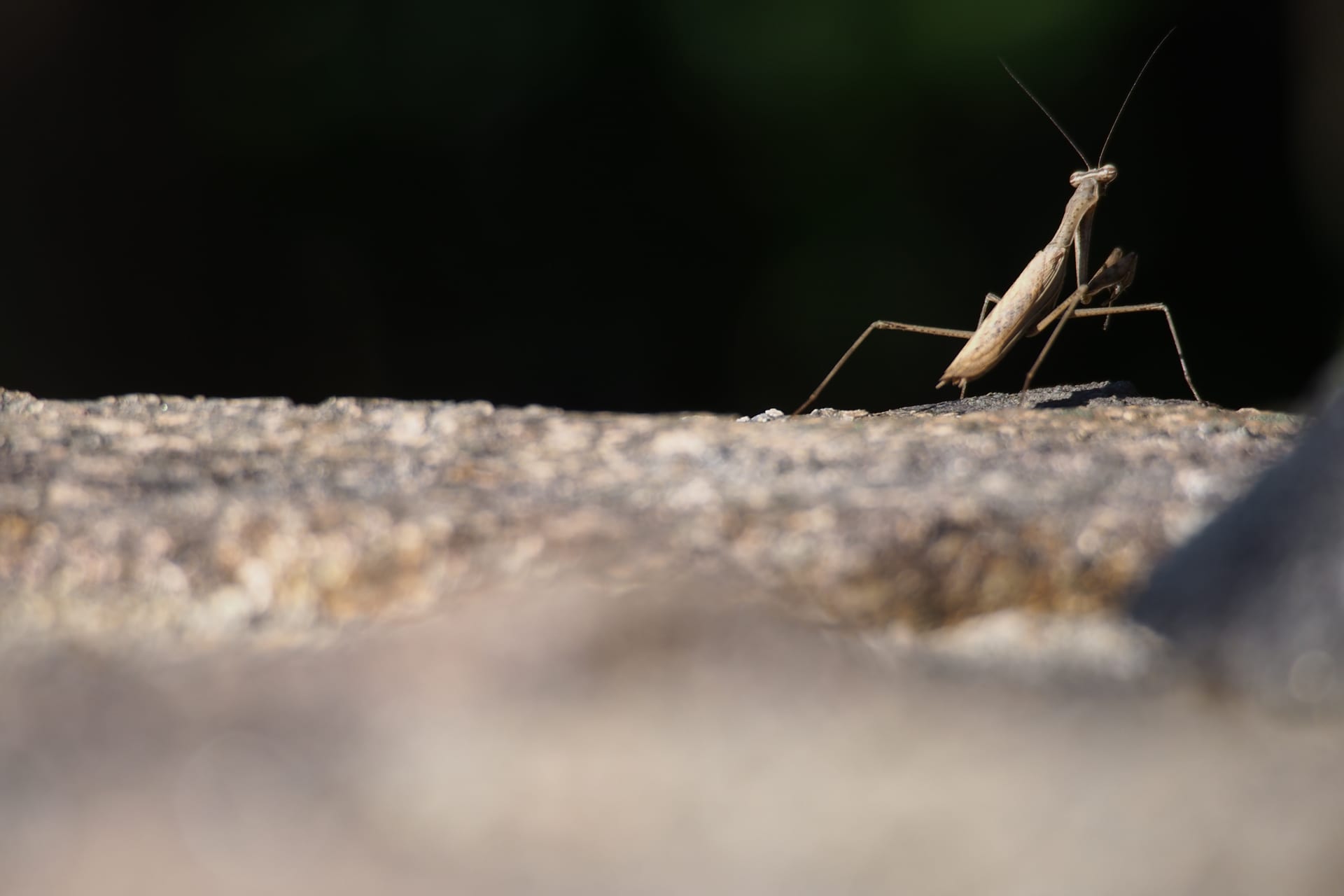
 © harum.koh from Kobe city, Japan / CC BY-SA 2.0
Lesser Mantis
The lesser mantis is a mid-sized mantis found on forest floors and among grasses from Honshu to Kyushu in Japan. Its body is mostly brown, and the bold white-and-black bands on the inner side of its raptorial forelegs are the easiest way to identify it. Small in stature but remarkably quick, it lies in wait among the undergrowth before striking at passing prey. Because mantises are solitary and prone to cannibalizing each other, keepers typically house one per enclosure. It's considered a beginner-friendly species, making it a great entry point for anyone new to insect keeping. Egg cases and nymphs are also available seasonally, so you can watch this mantis grow through each life stage.
View Lesser Mantis encyclopedia →0% commission on your first sales!Register by September 30, 2026 and your first 2 sales are commission-free!
Breeder Wanted!
List on BreederDirect and sell directly to customers nationwide!
6 Transparency Standards You Can Trust
When listing Insects, Breeders disclose the following. We guarantee transparency on growth stage and breeding unit.
- Life Stage Clarity
- Generation Info
- Real Photos
- Breeding Unit
- Country of Origin
- Body Length (mm)
Browse all 296 breeds
Verified breeders wanted for Insects
Breeders are signing up now ahead of launch. Subscribe to be notified when new listings go live.
Getting alerts is free with a member account. When new listings match your saved search, we'll notify you by email and in-app.
Browse other categories
Verified breeders (preview)
Lesser Mantis key facts
- Care level
- Beginner-friendly
- Lifespan
- One generation a year; on the Japanese mainland adults are seen from late August to early December
- Size
- Males 36-55 mm, females 46-63 mm
- Temperature
- 20〜25℃
- Diet
- Live insects (crickets, grasshoppers, butterflies; fruit flies and aphids for first and second instars)
- Temperature & Humidity
- The preferred range is 20-25 C, with a tolerance of roughly 15-30 C. Mist it or leave water in a shallow dish. Put a damp sponge or tissue in nymph containers, and mist finely enough that no large droplets form.
- Breeding & Egg-laying
- The ootheca is long and narrow and is laid in crevices in wood or between stones. Glue a collected ootheca to a stick with wood glue, put it in a container and keep it outdoors or in a cold room; a warm room will make it hatch in midwinter. Add damp tissue so it does not dry out.
- Cohabitation
- It is predatory and cannibalistic, so house each one separately. Stand the container upright with perching twigs and use the lid as a foothold. It is small and quick, so watch for escapes when opening the container.
- Lifespan & Rearing Period
- It has one generation a year and overwinters as an ootheca; on the mainland adults are seen from late August to early December, with nymphs hatching from about May.
- Health & Notes
- Offer live insects about a third the mantis's own size, and feed first and second instars small prey such as fruit flies and aphids. Watch for horsehair worm infection and for parasitic wasps that lay in the ootheca. Related species such as Statilia nemoralis occur in Okinawa, so do not confuse stock from different regions.
About Lesser Mantis
A mid-sized mantis found on forest floors and in grasslands from Honshu to Kyushu, Japan. Its brown body and the distinctive white-and-black bands on its forelegs make it easy to identify. Beginner-friendly to keep, with egg cases and nymphs available seasonally.
7 things to know before welcoming a Lesser Mantis
1Use a Tall Enclosure
This mantis lengthens with each molt, so give it an enclosure with plenty of vertical space. Add a perch or small twigs so it has something secure to hang upside-down from while molting.
2Leave It Alone While Molting
A mantis is extremely fragile during molting. Vibration or handling at this stage can cause a failed molt or a fall that injures it, so just observe quietly and don't intervene.
3Feed It Live Insects
The lesser mantis hunts by reacting to movement, so live insects such as crickets are the standard food. Choose prey it can comfortably subdue — avoid anything too large for its size.
4Keep One Per Enclosure
Mantises will cannibalize each other, so avoid housing more than one per enclosure. This tendency is especially strong among nymphs, so keep them separated early on.
5Fast Mover — Secure the Lid
Despite its small size, this mantis moves with surprising speed. Use a lid that closes securely while still allowing airflow, so it can't slip out through any gaps.
6One Generation Per Year
The lesser mantis completes one generation per year. On mainland Japan, adults are typically seen from late August through early December, so keep this timing in mind when you bring one home at a given life stage.
7Egg Cases Take Patience
If you start with an egg case, be aware that many nymphs can hatch all at once. Since cannibalism is a risk, have separate containers ready so you can split them up soon after hatching.
Frequently asked questions about Lesser Mantis
- Q.Is the lesser mantis suitable for beginners?
- A.Yes, it's considered a beginner-friendly species, so it's approachable even for first-time insect keepers. As long as you keep up with basic care like feeding and temperature/humidity management, it's not difficult to raise.
- Q.How can I identify a lesser mantis?
- A.Its body is mostly brown, and the standout feature is the white-and-black banding on the inner side of its forelegs. This banding is a distinctive identification point not commonly seen in other mantis species.
- Q.Can I keep multiple mantises together?
- A.It's not recommended, since mantises will cannibalize each other. Keep each one in its own separate enclosure.
- Q.What is the lifespan of the lesser mantis?
- A.It completes one generation per year. On mainland Japan, adults are typically seen from late August through early December.
- Q.Can I raise one from an egg case or nymph?
- A.Yes, egg cases and nymphs are sometimes available, letting you watch the mantis grow through its life stages. Just note that many nymphs can hatch at once, so it helps to have separate containers ready to split them up.
Useful tools for Lesser Mantis care
Learn more about Lesser Mantis in the encyclopedia
View Lesser Mantis encyclopedia entry →
Care difficulty, lifespan, size and diet — all basics covered.
More in this category
Can't find the one you're looking for?
Post your wishes for free and breeders with matching animals will contact you with introductions.