Source: Wikimedia Commons
Lesser Mantis
BeginnerStatilia maculata
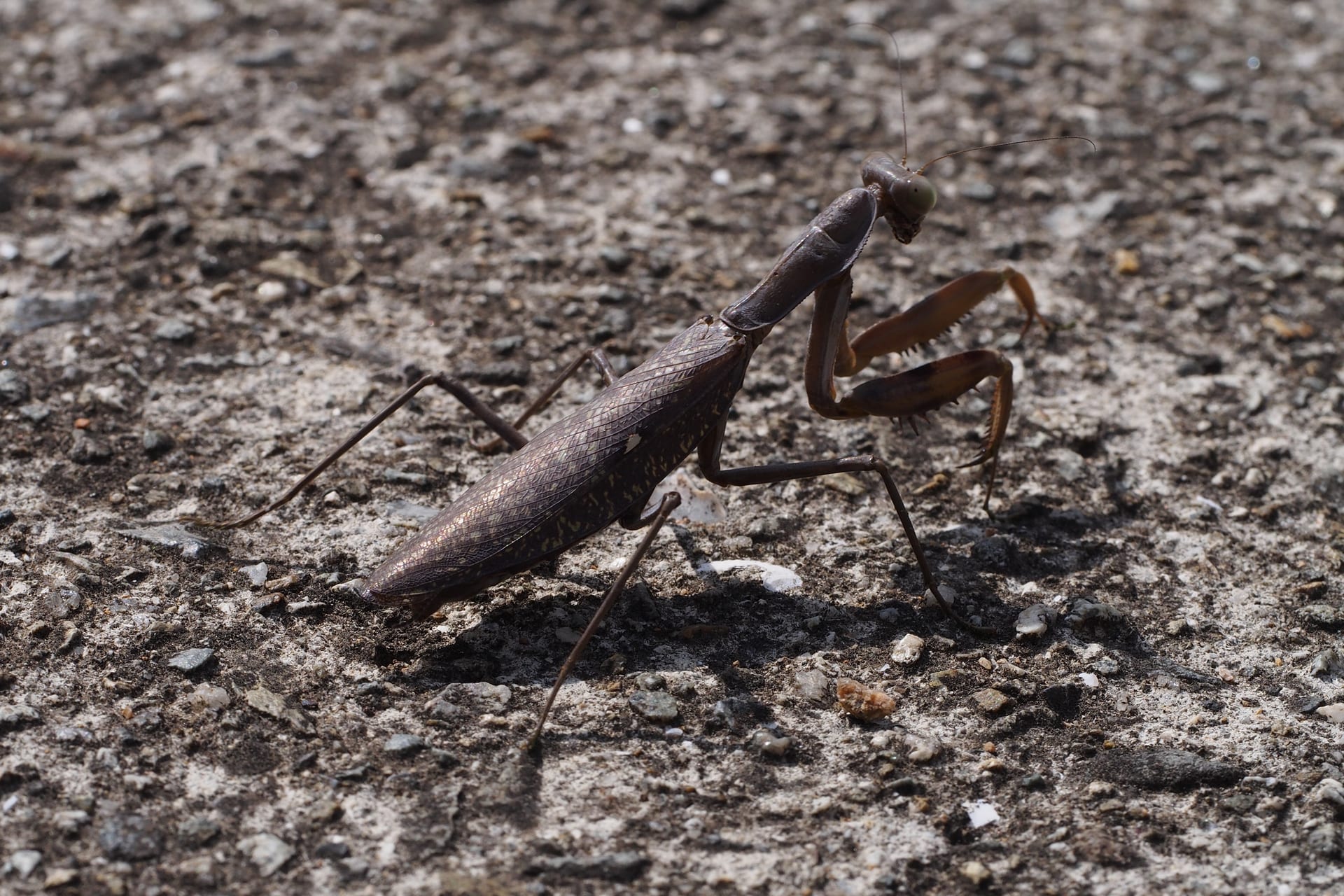
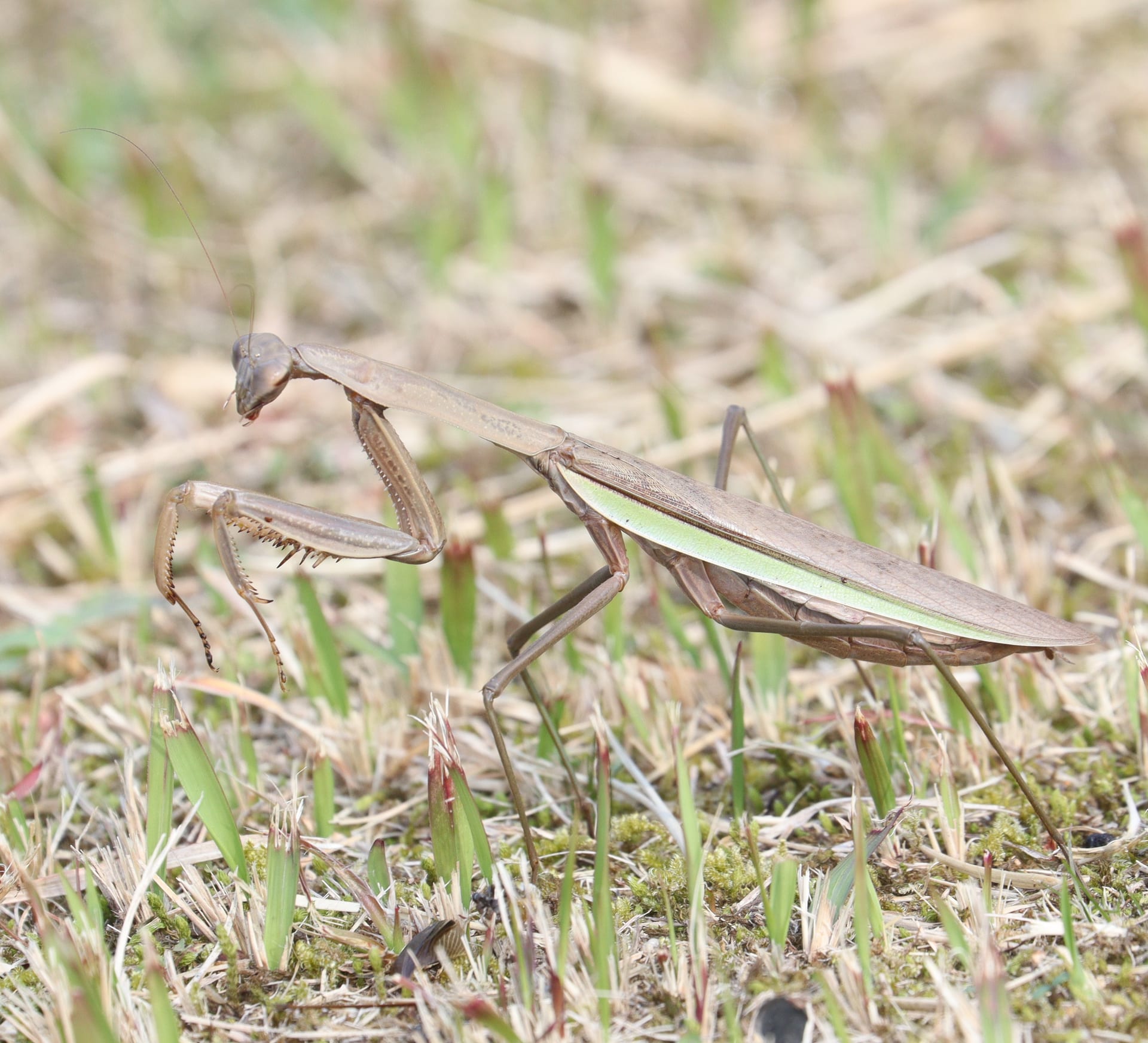
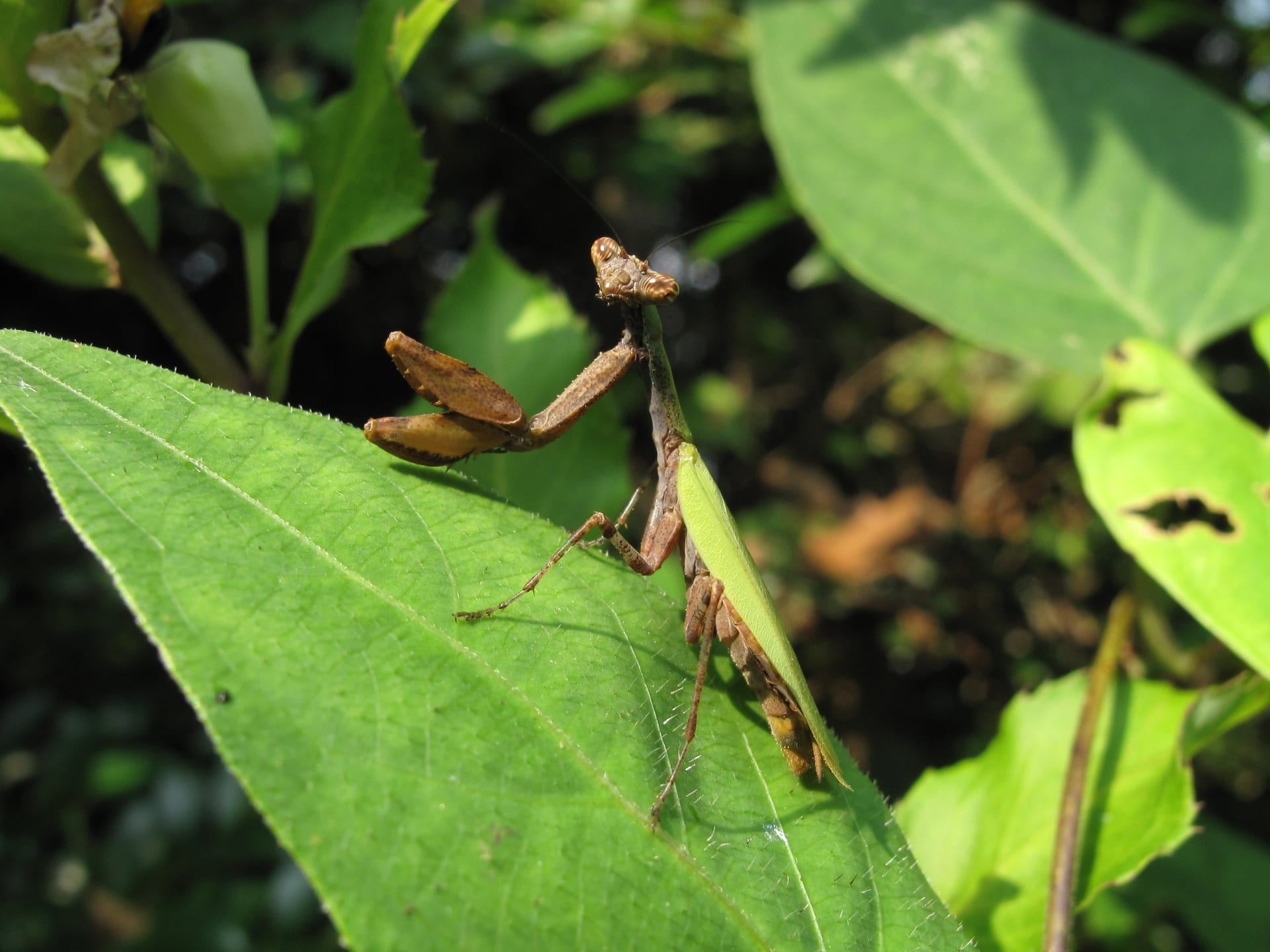
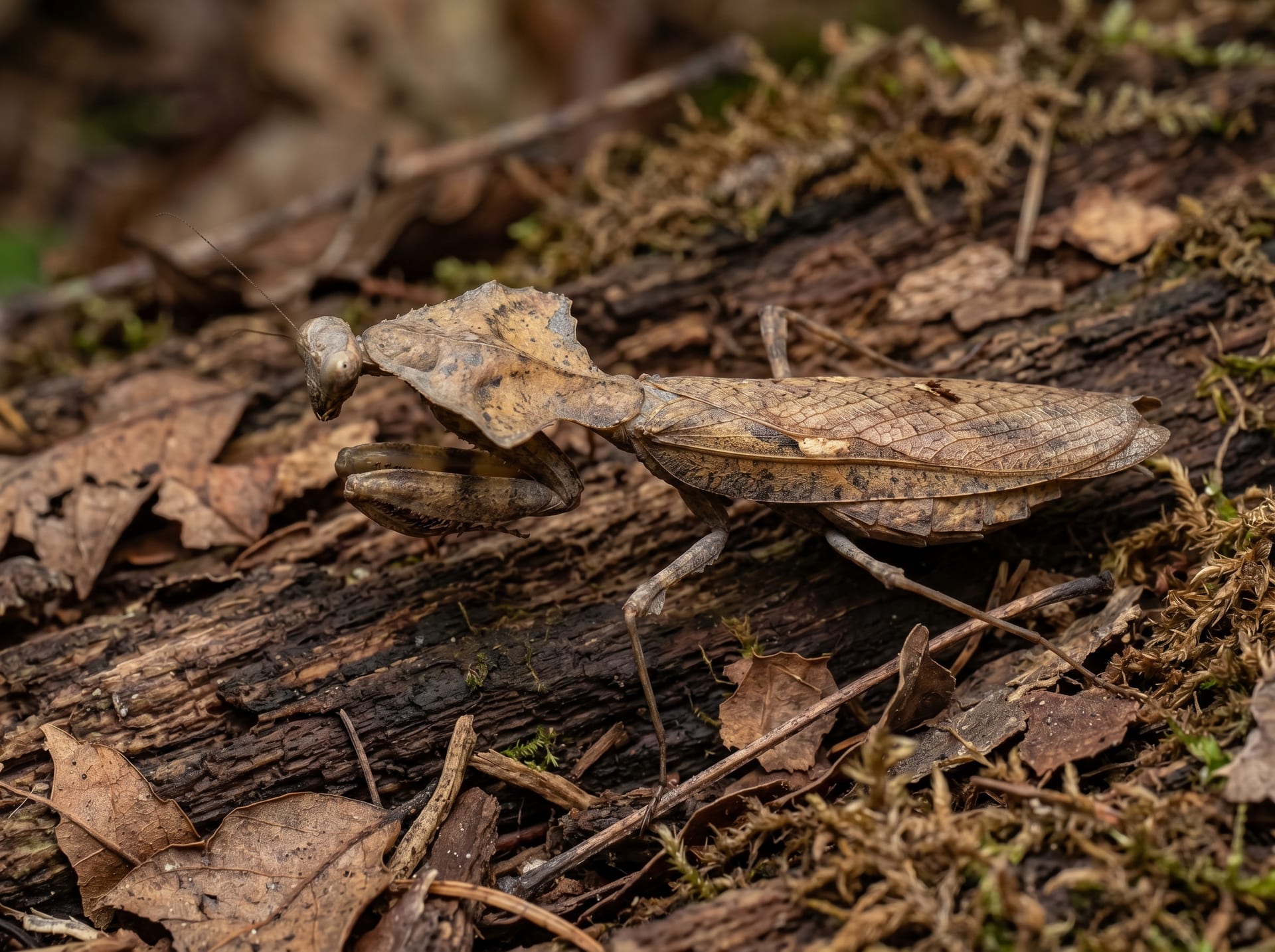
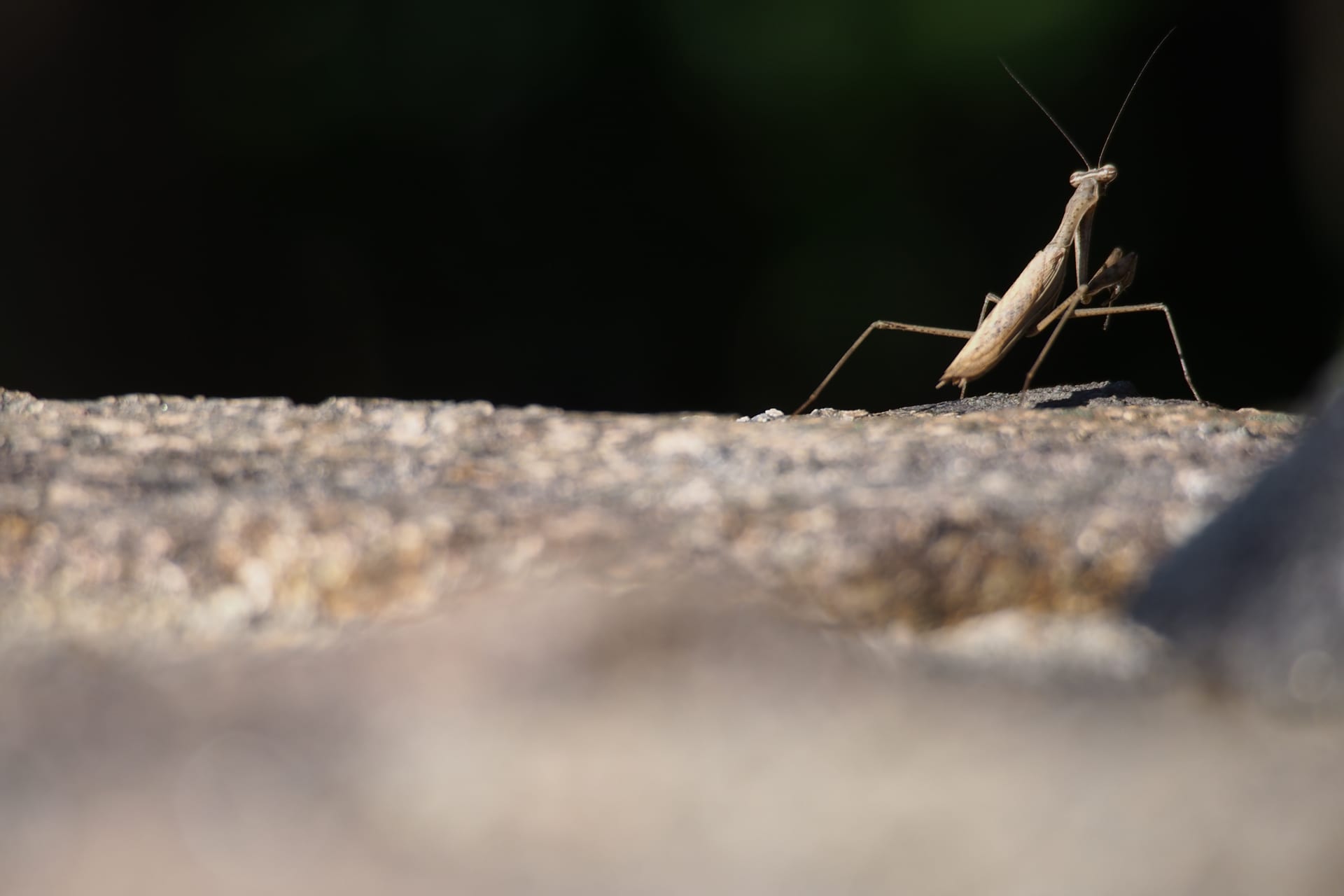
A medium-sized mantis of forest floors and the base of tall grassland from Honshu to Kyushu. Most individuals are brown, and the white and black bands inside the raptorial legs identify it. Small and quick, its oothecae and nymphs are traded seasonally.
Difficulty
Beginner
Temperature
20〜25℃
Lifespan
One generation a year; on the Japanese mainland adults are seen from late August to early December
Size
Males 36-55 mm, females 46-63 mm (English Wikipedia gives males 40-50 mm, females 45-58 mm)
Humidity
60〜80%
Diet
Live insects (crickets, grasshoppers, butterflies; fruit flies and aphids for first and second instars)
About
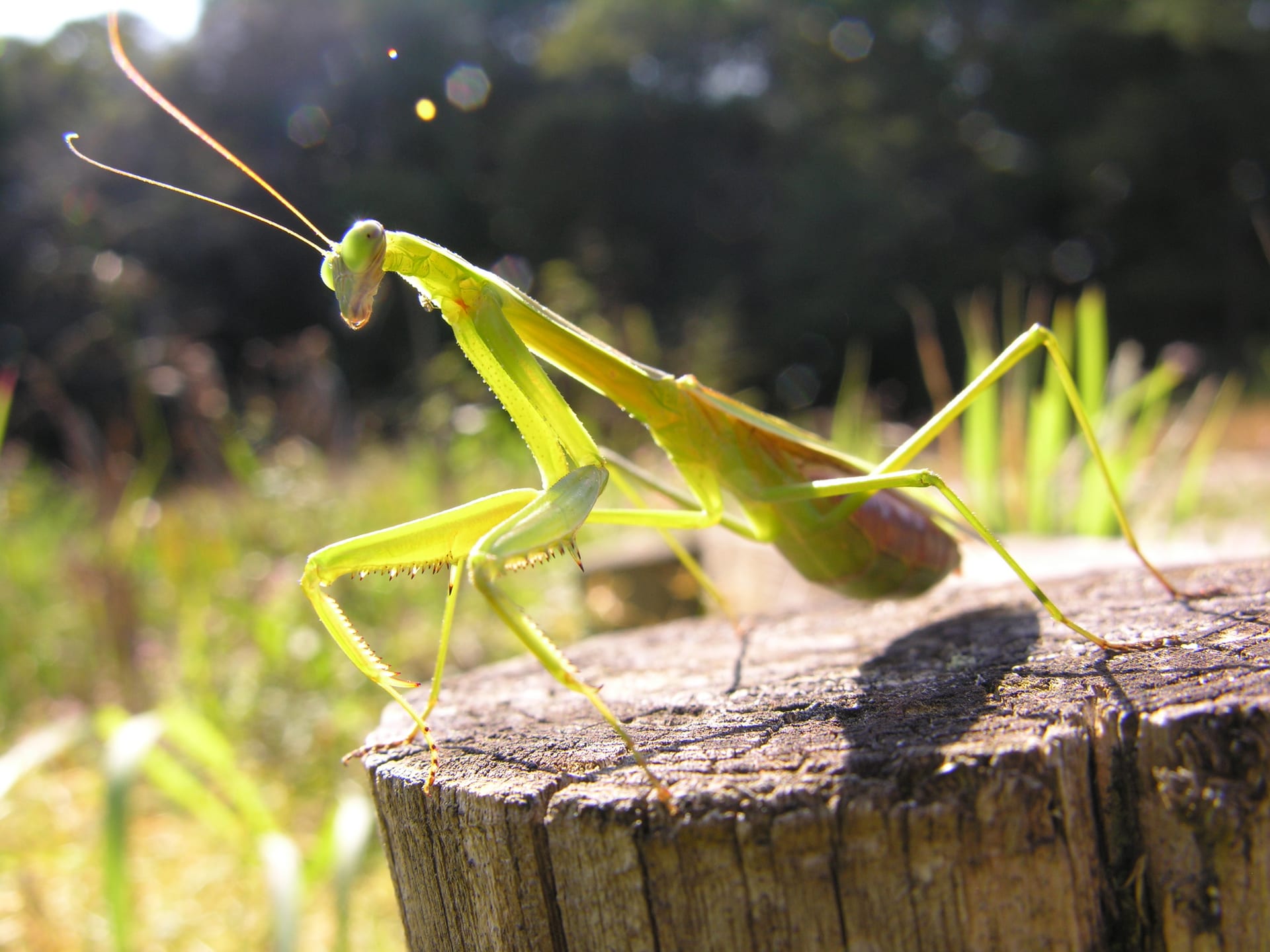
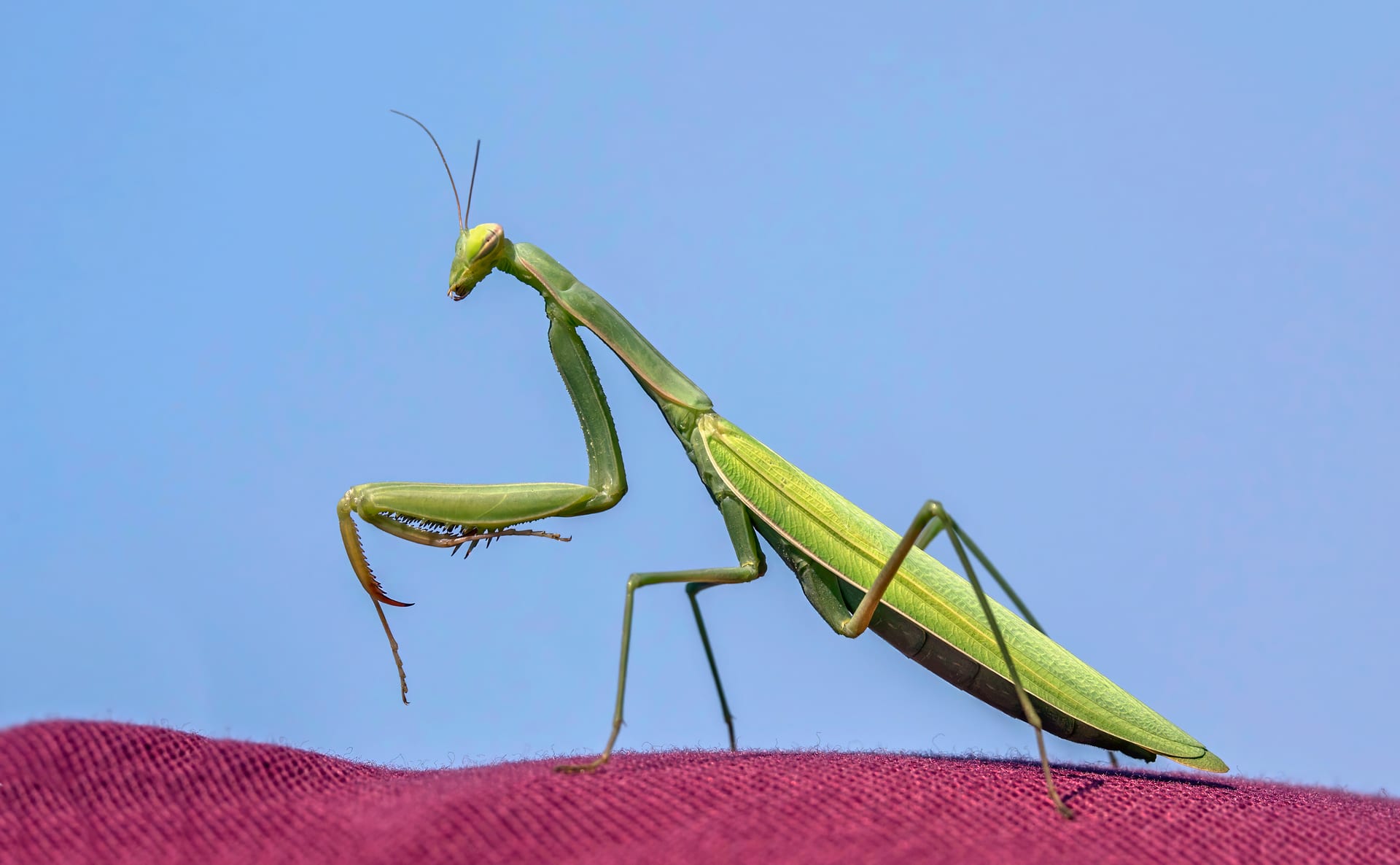
The lesser mantis (Statilia maculata) ranges from Honshu south of the Tsugaru area of Aomori through Shikoku, Kyushu and the Izu Islands, and on into the Korean Peninsula, China, South-East Asia and Sri Lanka. It is found on forest floors and at the base of tall grassland, and turns up around houses, so it is often encountered. Males measure 36-55 mm and females 46-63 mm, while English Wikipedia gives 40-50 mm and 45-58 mm. White and black bands inside the raptorial legs identify it against similar species. Most individuals are brown; green ones turn up rarely and some collectors call these mori-kamakiri. On the Japanese mainland adults appear from late August to early December. Being small it is quick on its feet. Care follows other native mantises: feed live insects and house each one separately.
Source: Wikipedia (CC BY-SA 4.0)
Size of the Lesser Mantis
The Lesser Mantis grows to Males 36-55 mm, females 46-63 mm (English Wikipedia gives males 40-50 mm, females 45-58 mm).
Temperature & humidity for the Lesser Mantis
The ideal temperature for the Lesser Mantis is 20〜25℃.
Basic Info
Origin
Japan (Honshu south of the Tsugaru area of Aomori, Shikoku, Kyushu and the Izu Islands), the Korean Peninsula, China, South-East Asia and Sri Lanka
Lifespan
One generation a year; on the Japanese mainland adults are seen from late August to early December
Size
Males 36-55 mm, females 46-63 mm (English Wikipedia gives males 40-50 mm, females 45-58 mm)
Care Specifications
AggressiveSolitaryBreeding: Moderate
Sources: Orthoptera-jp: Statilia maculata (JA; range, season, identification) / Kodomo to Mushi no Kai: mantises of Hyogo (ootheca guide and care) / Kamakiri Hakase: temperature and sunlight / Statilia maculata - Wikipedia (JA) / Statilia maculata - Wikipedia (EN)
References & Sources
Edited & verified by: BreederDirect editorial team
The taxonomic, regulatory, and husbandry data on this page are compiled and verified against the authoritative primary sources below.
Taxonomy & Authority
Accepted name: Statilia maculata (Thunberg, 1784)
Synonyms: Mantis maculata
Authority databases: GBIF
Nomenclature follows global taxonomic authority databases.
Regulations & Conservation Status
Not CITES-listed
Sources: CITES Appendices (species not listed)
Regulations may change. Always verify the latest information with the relevant authorities.
Lesser Mantis Listings
Loading latest listingsFind listings for this species