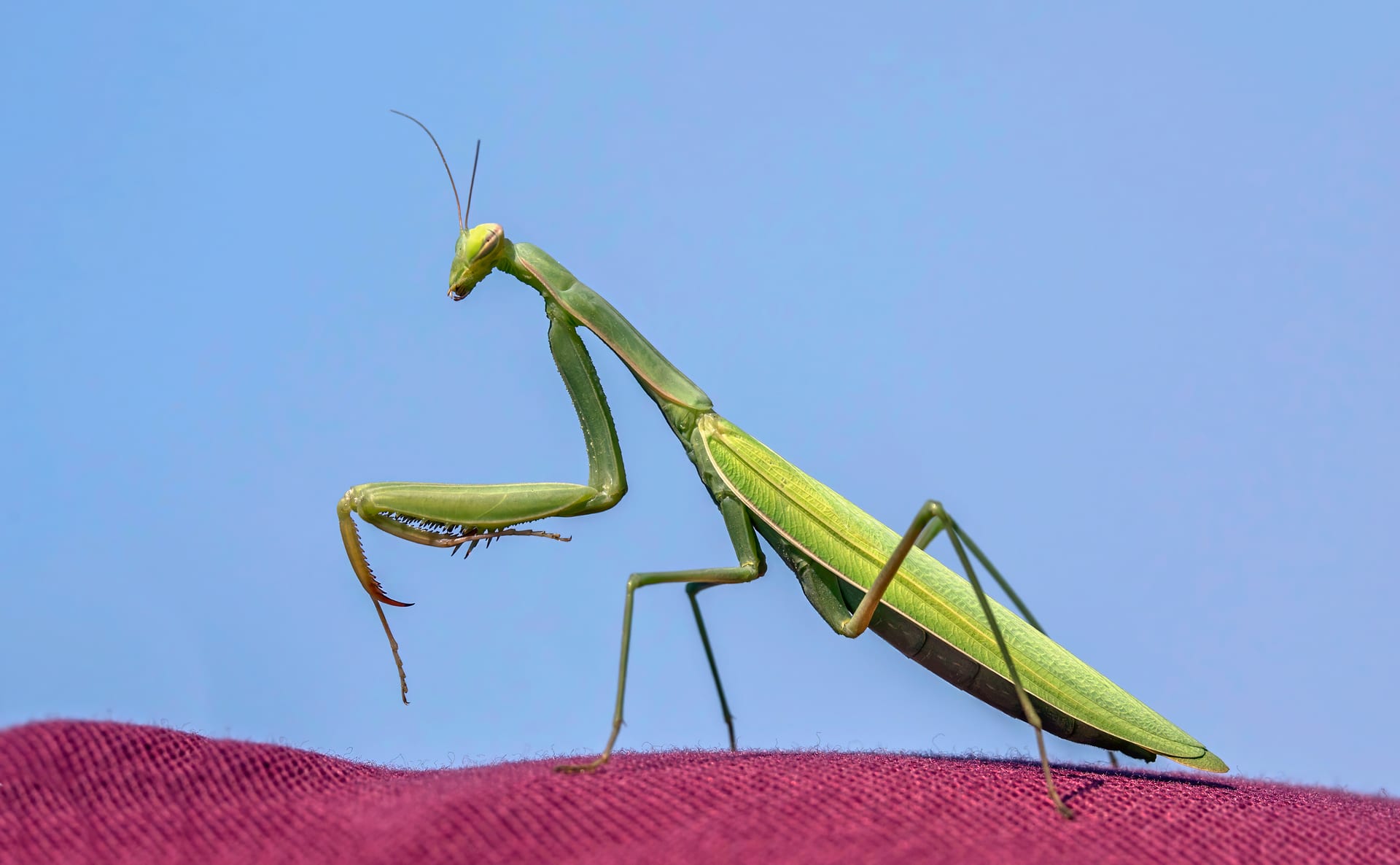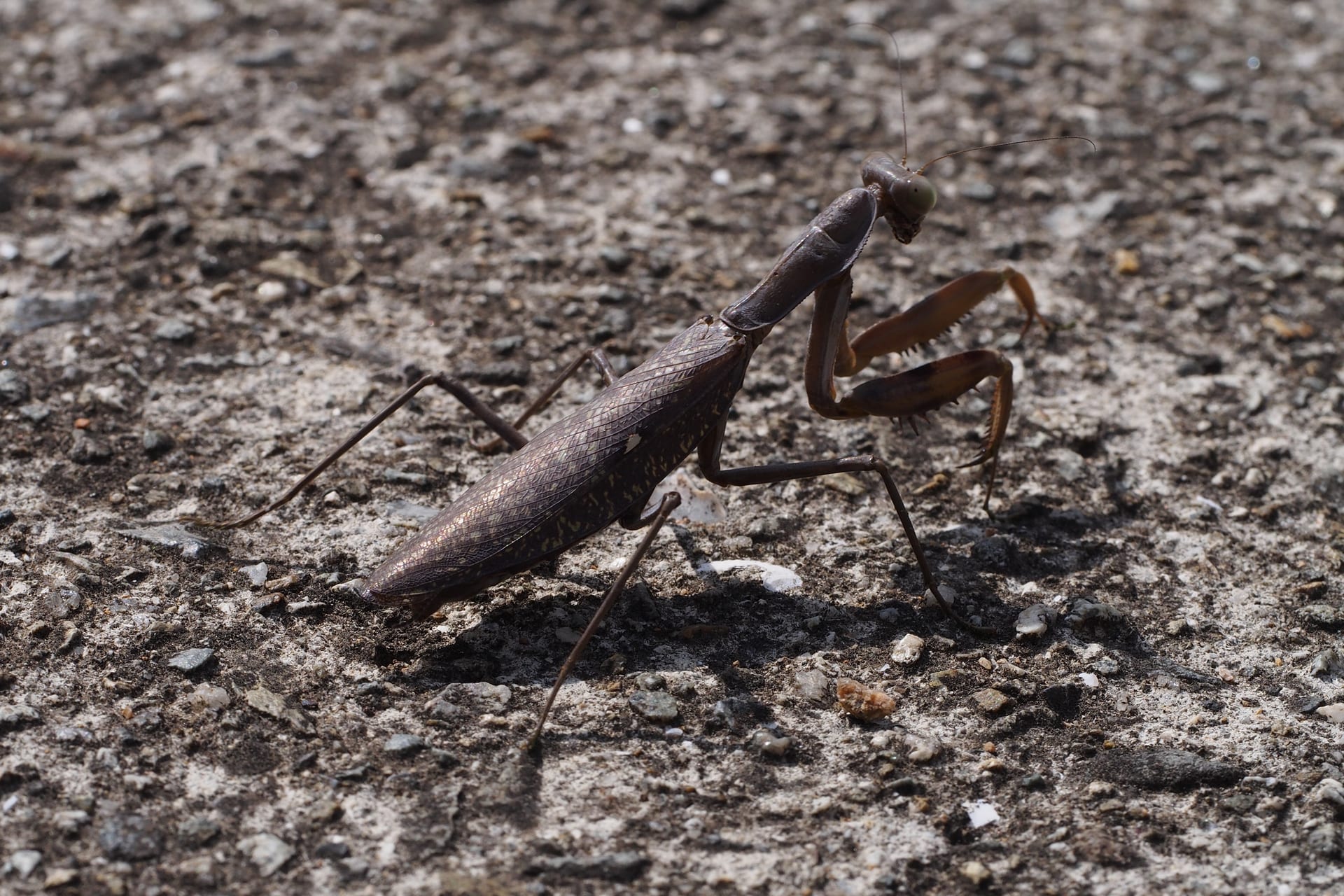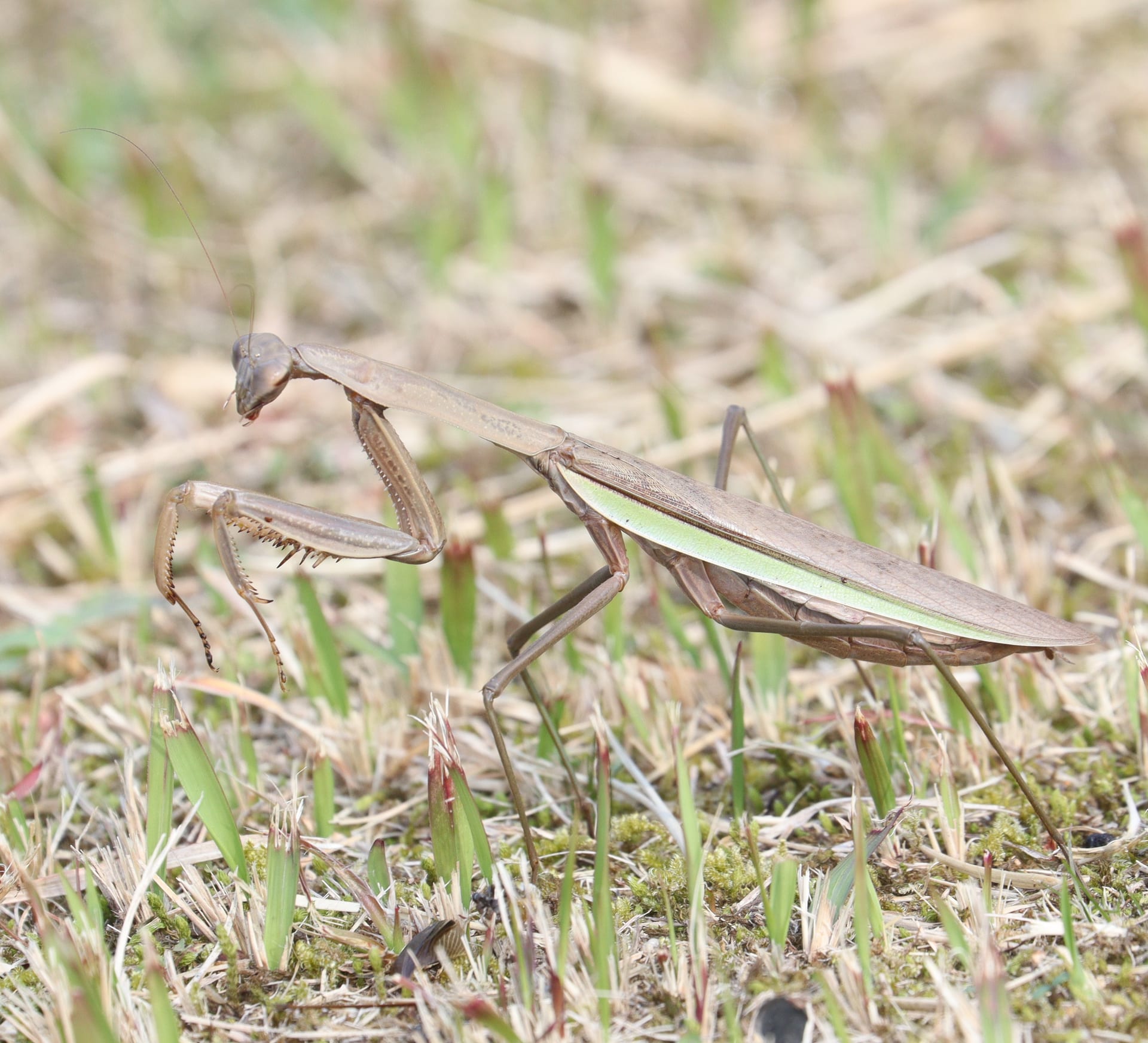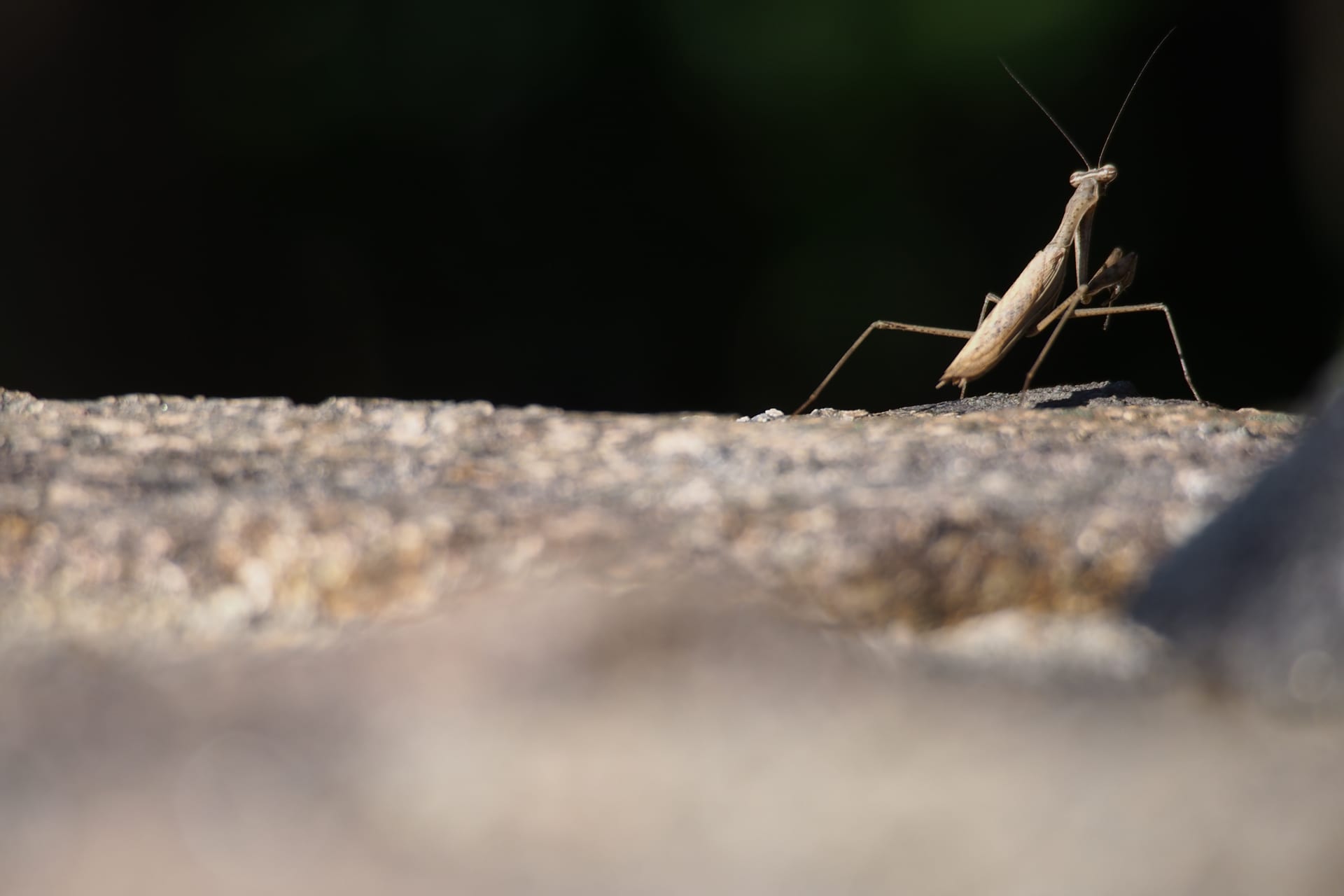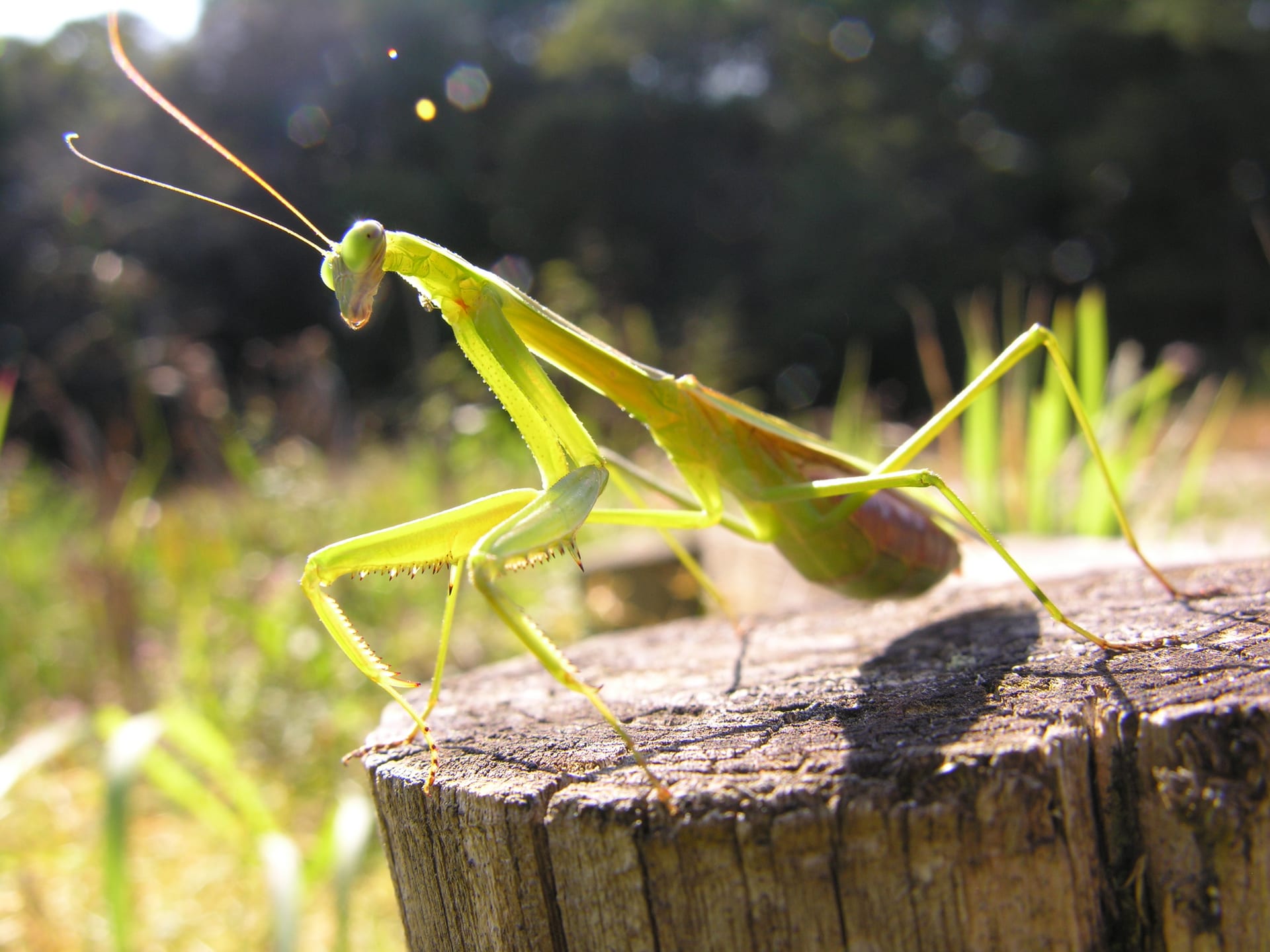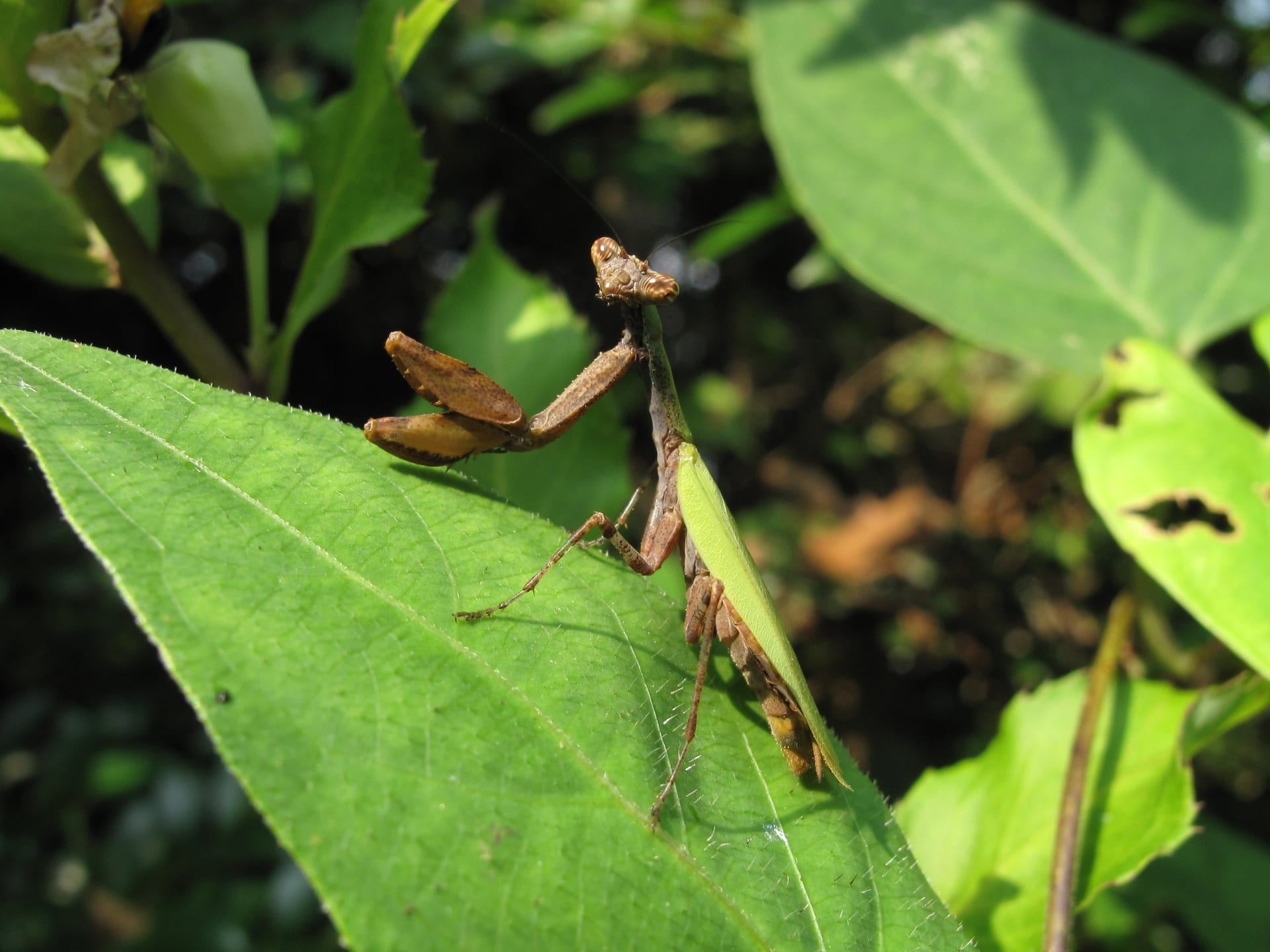
Source: Wikimedia Commons
Japanese Boxer Mantis
IntermediateAcromantis japonica
A small mantis of woodland interiors and edges from Honshu to Kyushu, about 3 cm long. It belongs to the Hymenopodidae and feigns death when threatened. The very similar Acromantis satsumensis is told apart by its adult season.
Difficulty
Intermediate
Temperature
20〜25℃
Lifespan
One generation a year; adults appear from September to December
Size
Males 25-32 mm, females 25-31 mm
Humidity
60〜80%
Diet
Live insects (small crickets and flies; fruit flies and aphids for early instars)
About
The Japanese boxer mantis (Acromantis japonica) is a small member of the Hymenopodidae found in Honshu, Shikoku and Kyushu, and also in Taiwan, the Korean Peninsula and China. It is rarely seen in the Kanto region but is fairly common in western Japan. Males measure 25-32 mm and females 25-31 mm, so the sexes differ little in size and both are small for a Japanese mantis. It lives inside woodland and along its edges, and its most striking trait is feigning death when threatened. The similar Acromantis satsumensis also occurs in Japan, but the two are separated by season: this species is adult from September to December, the other from May to July. The ootheca is squarish and is laid in hollows in stone or wood. Horsehair worm infection is known, with worms recorded emerging from the abdomen.
Source: Wikipedia (CC BY-SA 4.0)
Size of the Japanese Boxer Mantis
The Japanese Boxer Mantis grows to Males 25-32 mm, females 25-31 mm.
Temperature & humidity for the Japanese Boxer Mantis
The ideal temperature for the Japanese Boxer Mantis is 20〜25℃.
Basic Info
Origin
Japan (Honshu, Shikoku, Kyushu), Taiwan, the Korean Peninsula and China
Lifespan
One generation a year; adults appear from September to December
Size
Males 25-32 mm, females 25-31 mm
Temperature
Care Specifications
AggressiveSolitaryBreeding: Moderate
Sources: Kodomo to Mushi no Kai: mantises of Hyogo (ootheca guide, care and horsehair worms) / Kamakiri Hakase: temperature and sunlight / Acromantis japonica - Wikipedia (JA) / Acromantis japonica - Wikipedia (EN)
References & Sources
Edited & verified by: BreederDirect editorial team
The taxonomic, regulatory, and husbandry data on this page are compiled and verified against the authoritative primary sources below.
Taxonomy & Authority
Accepted name: Acromantis japonica Westwood, 1889
Authority databases: GBIF
Nomenclature follows global taxonomic authority databases.
Regulations & Conservation Status
Not CITES-listed
Sources: CITES Appendices (species not listed)
Regulations may change. Always verify the latest information with the relevant authorities.
Japanese Boxer Mantis Listings
Loading latest listingsFind listings for this species