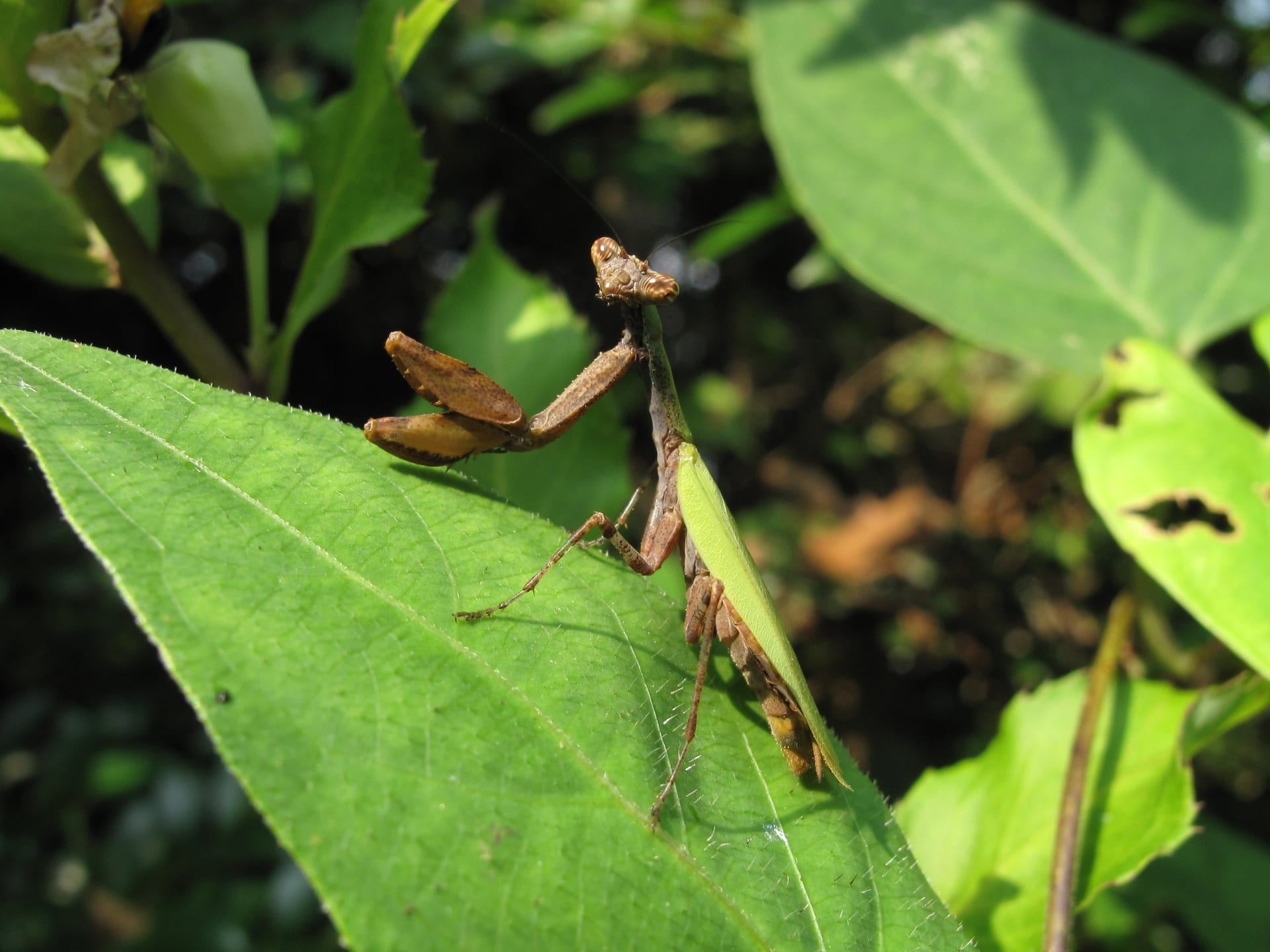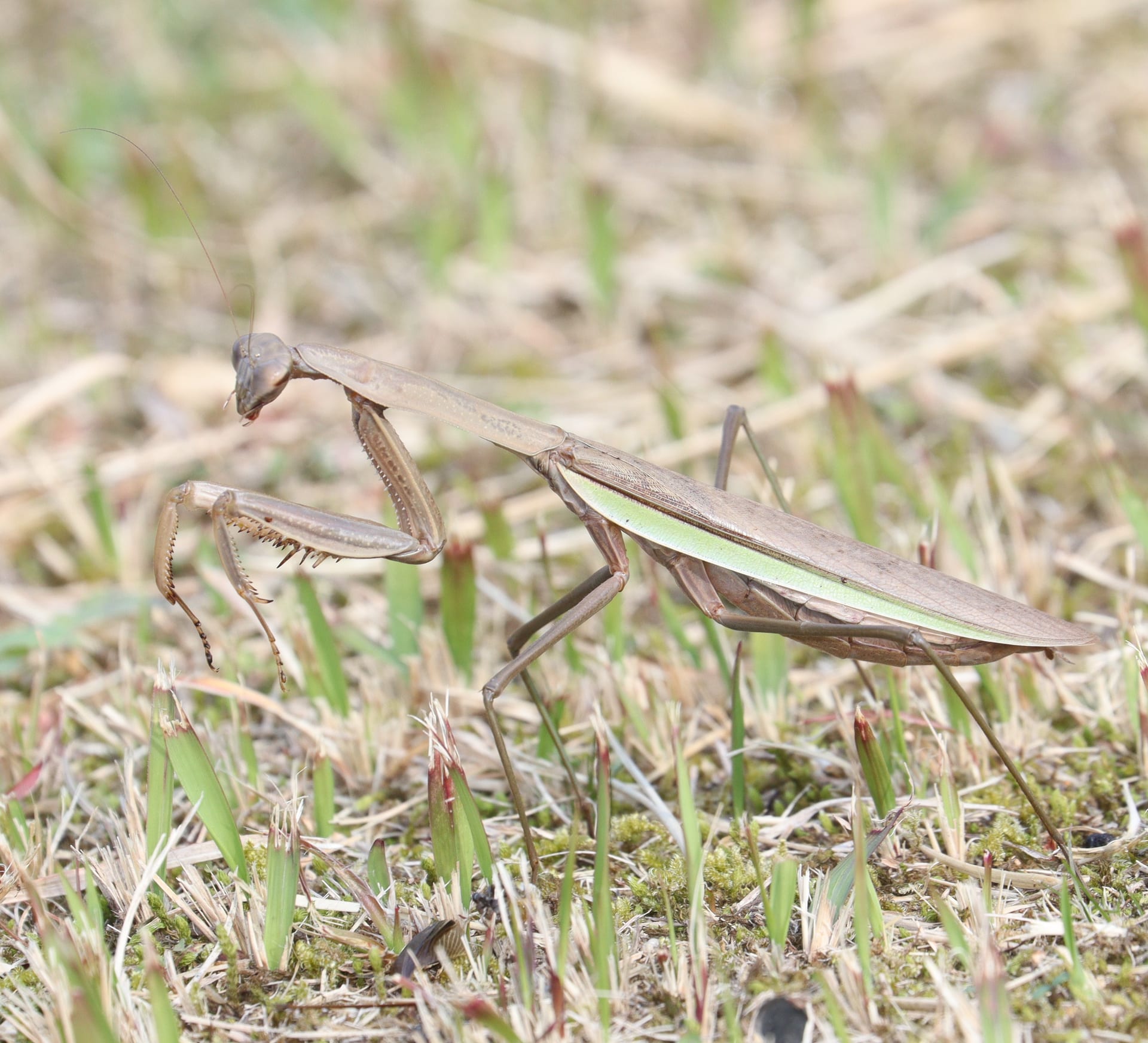
Source: Wikimedia Commons
Japanese Giant Mantis
BeginnerTenodera aridifolia
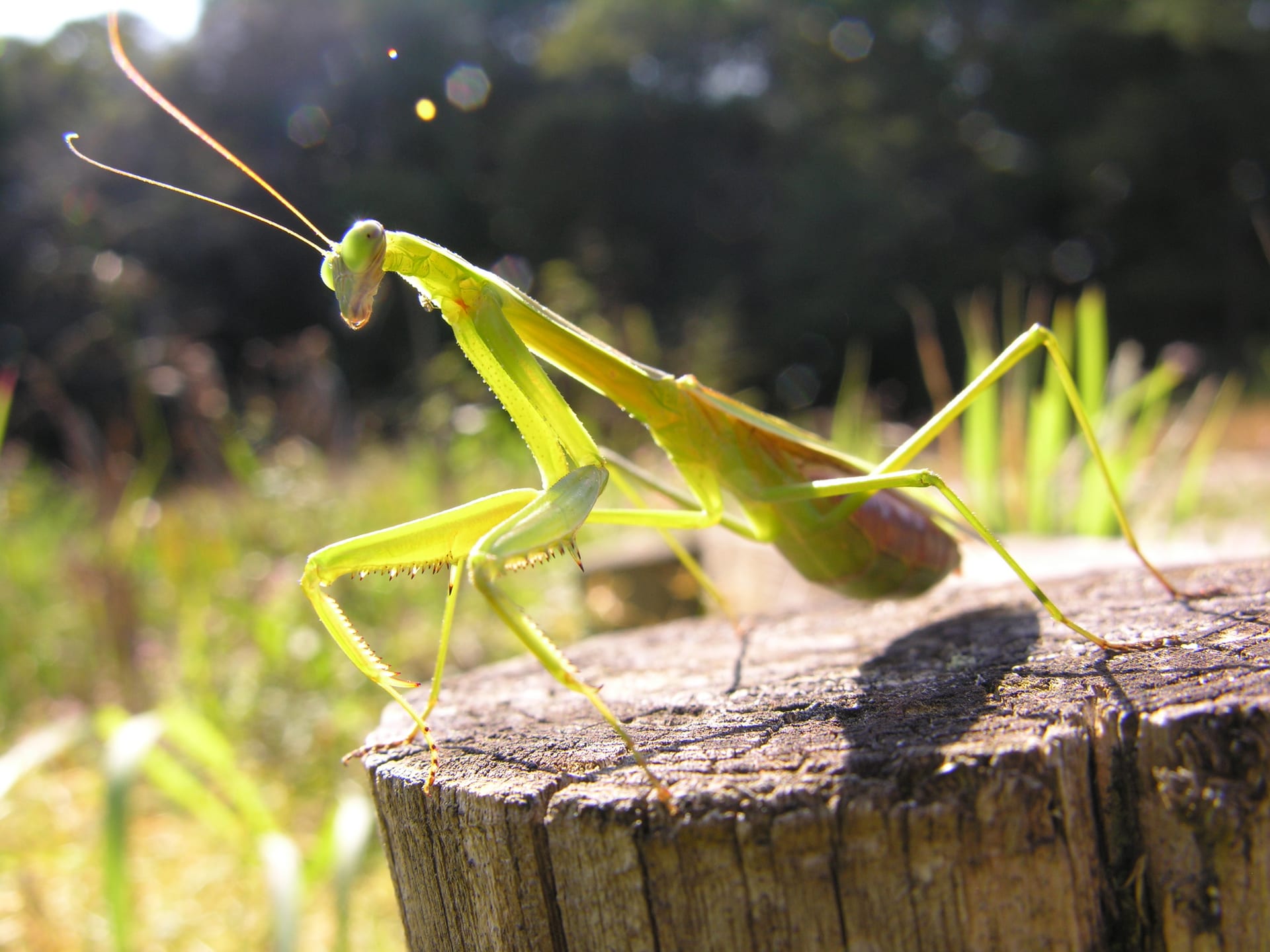
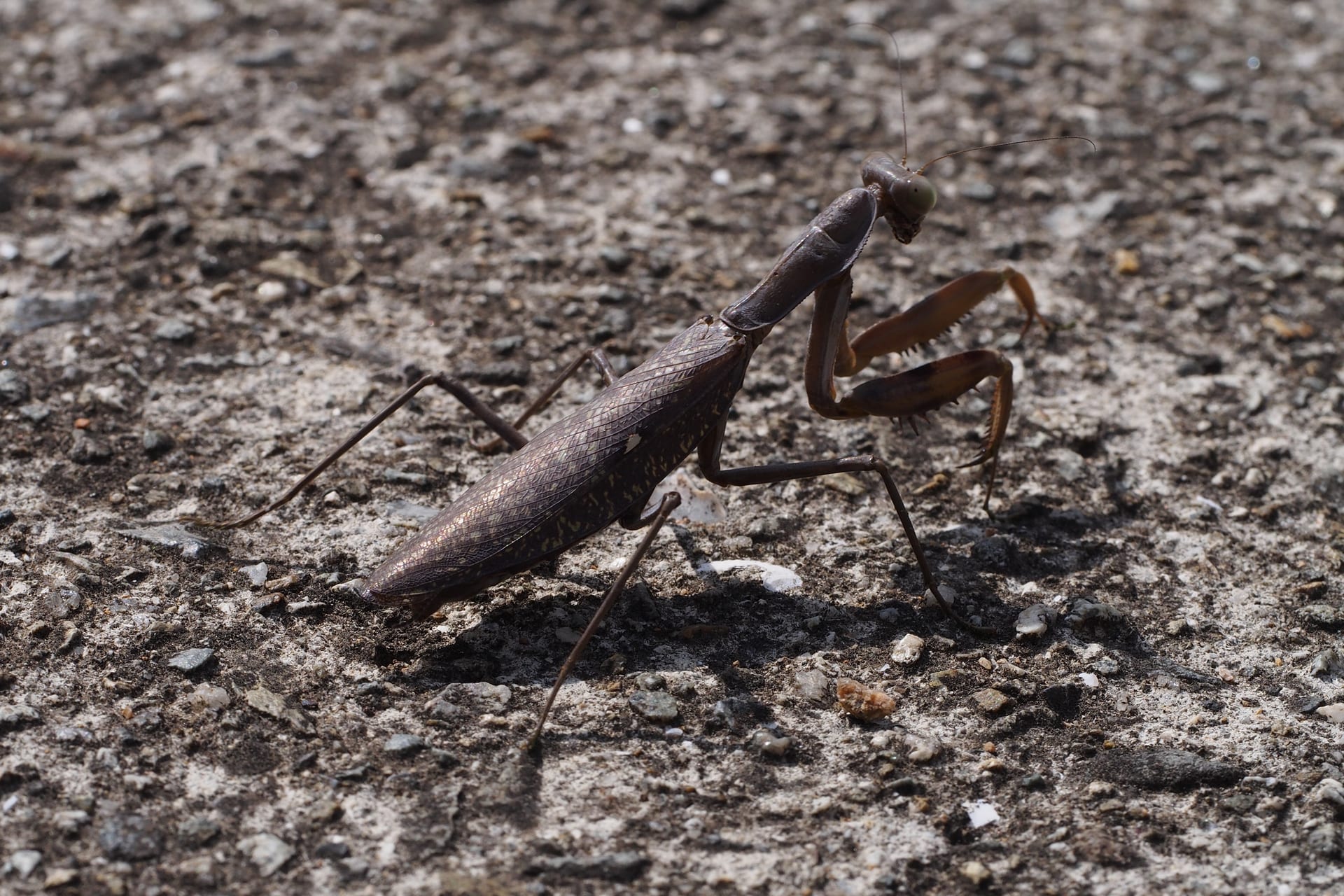
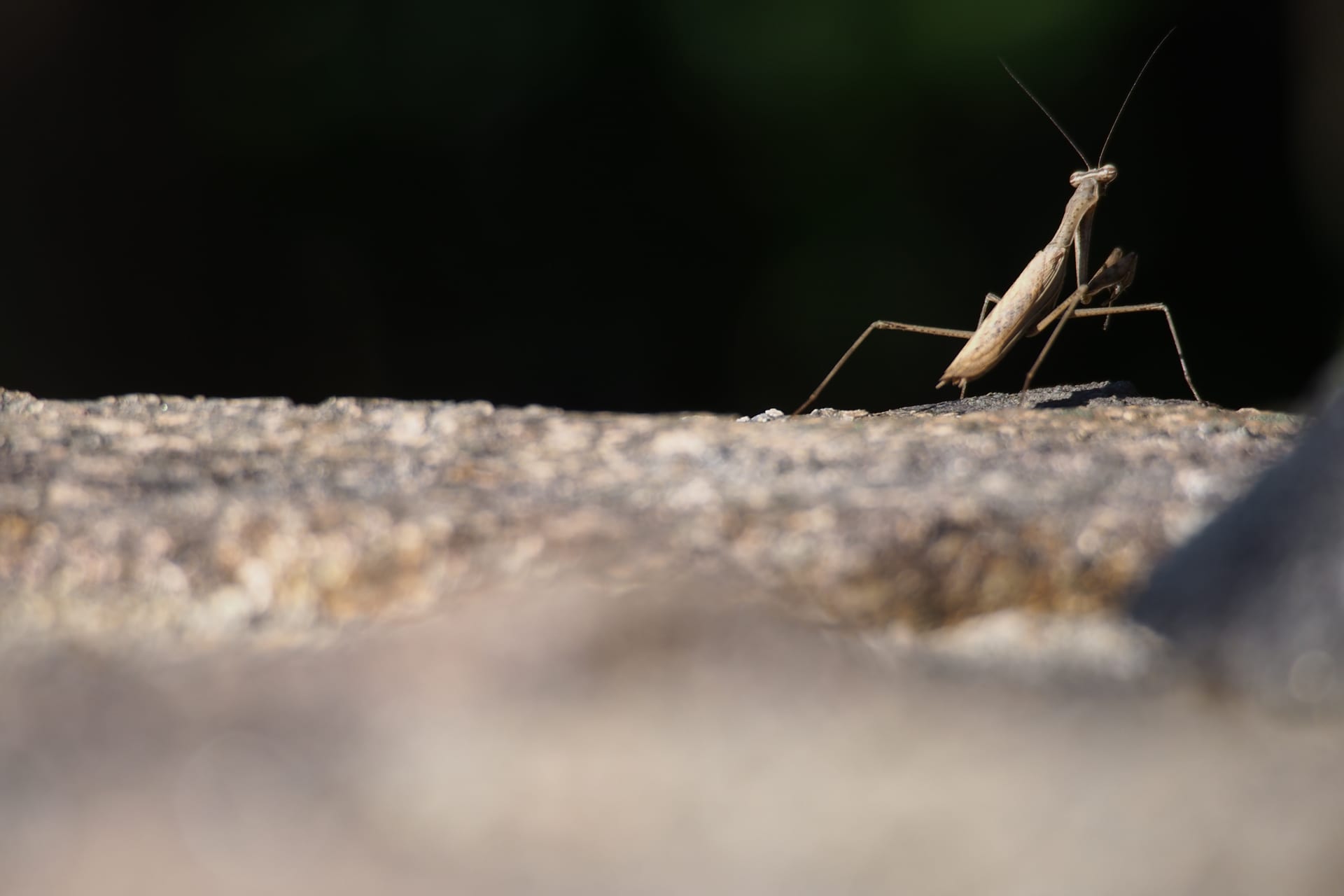
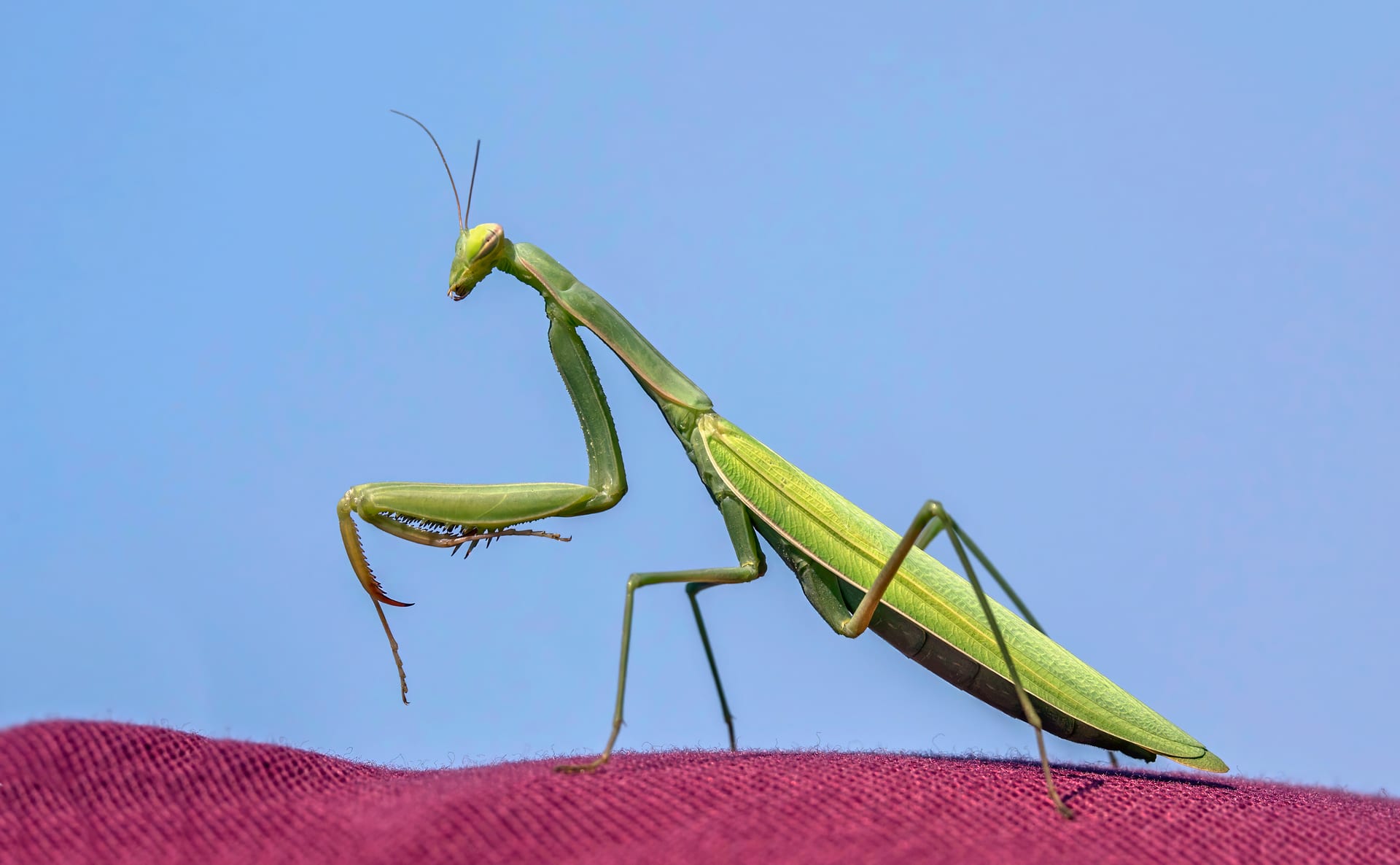
The largest mantis on mainland Japan, in green and brown forms, with a yellow spot at the base of the forelegs and purplish-brown hind wings. Oothecae laid in autumn hatch all at once in spring, releasing around 200 nymphs. Oothecae and nymphs are traded seasonally and it is a classic subject for nature study.
Difficulty
Beginner
Temperature
20〜25℃
Lifespan
One generation a year; adults appear around August-October and captive females live to late December
Size
Males 70-90mm, females 80-95mm
Humidity
60〜80%
Diet
Live insects (crickets, grasshoppers, butterflies; fruit flies and aphids for nymphs)
About
The Japanese giant mantis (Tenodera aridifolia) ranges over Honshu, Shikoku and Kyushu south to Tanegashima and Yakushima and is the largest mantis on mainland Japan. Some authorities regard it as conspecific with the continental Tenodera sinensis, and the 2020 Catalogue of Japanese Insects follows that treatment. Green and brown forms occur; males measure 70-90mm and females 80-95mm, growing larger southward. It is told from the similar narrow-winged mantis by the yellow spot at the base of the forelegs and the purplish-brown hind wings. Common in sunny grassland and riverbeds, it ambushes prey by day, taking insects and even small vertebrates such as frogs. Adults are active from August to October; in autumn the female attaches several oothecae of about 200 eggs to grass stems or twigs, and the eggs overwinter. Hatching falls around March in Kyushu and April in Kanto, and because the mass-hatched nymphs eat each other, keepers reduce them to a few and house them separately. Keep at 20-25C, mist for drinking water and feed live prey about every other day. Oothecae and nymphs are traded in spring, and the species is a classic subject for nature study.
Source: Wikipedia (CC BY-SA 4.0)
Size of the Japanese Giant Mantis
The Japanese Giant Mantis grows to Males 70-90mm, females 80-95mm.
Temperature & humidity for the Japanese Giant Mantis
The ideal temperature for the Japanese Giant Mantis is 20〜25℃.
Basic Info
Origin
Japan (Honshu, Shikoku, Kyushu, south to Tanegashima and Yakushima; status in southern Hokkaido unclear), Korean Peninsula, coastal China
Lifespan
One generation a year; adults appear around August-October and captive females live to late December
Care Specifications
References & Sources
Edited & verified by: BreederDirect editorial team
The taxonomic, regulatory, and husbandry data on this page are compiled and verified against the authoritative primary sources below.
Taxonomy & Authority
Accepted name: Tenodera aridifolia (Stoll, 1813)
Synonyms: Tenodera aridifolia sinensis
Authority databases: GBIF
Nomenclature follows global taxonomic authority databases.
Regulations & Conservation Status
Not CITES-listed
Sources: CITES Appendices (species not listed)
Regulations may change. Always verify the latest information with the relevant authorities.
Japanese Giant Mantis Listings
Loading latest listingsFind listings for this species