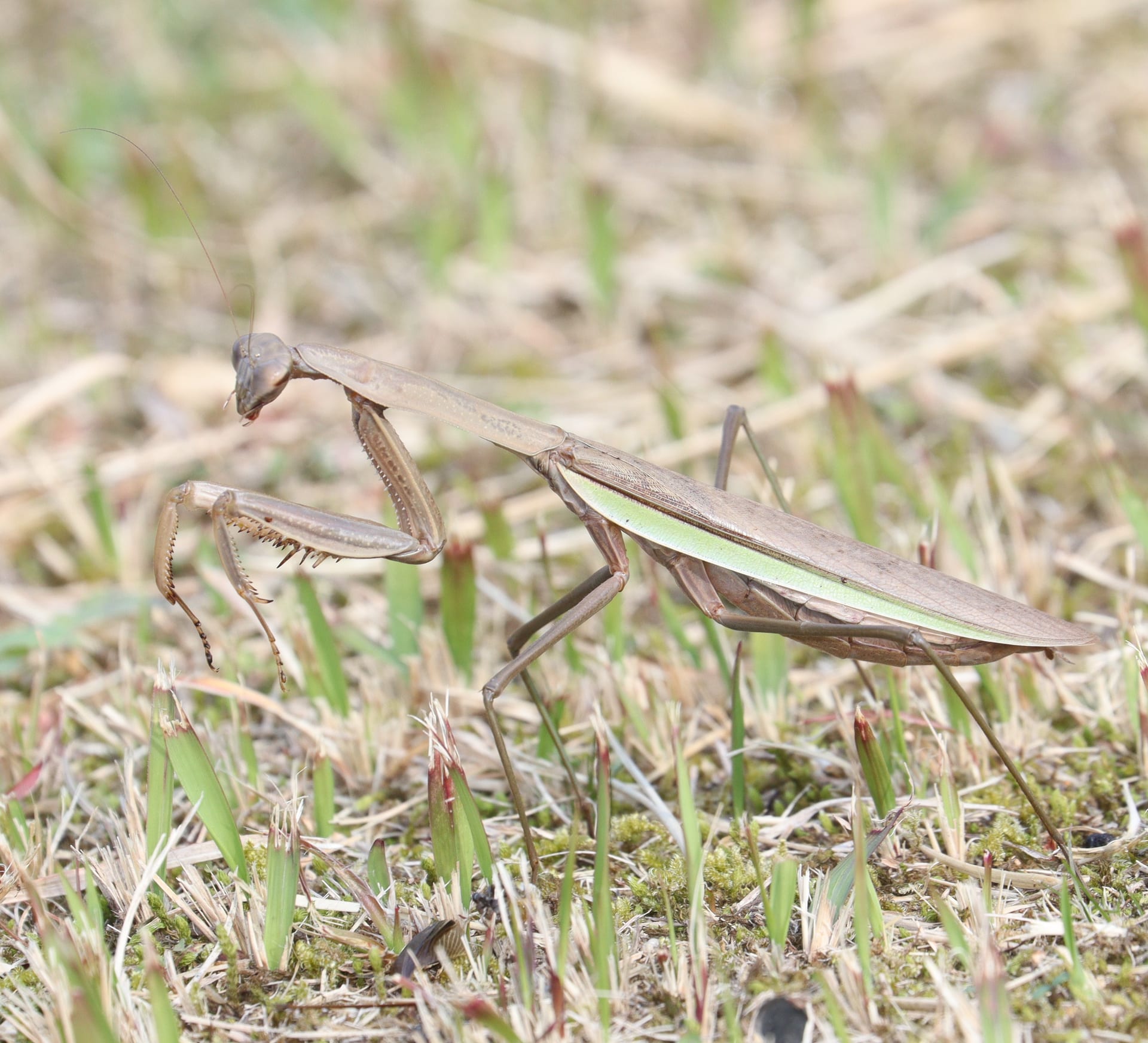
 © Alpsdake / CC BY-SA 4.0
Japanese Giant Mantis
The Japanese Giant Mantis is the largest mantis species found on mainland Japan, appearing in both green and brown color forms. Its distinctive features include a bright yellow patch at the base of the forelegs and hind wings tinged with purple-brown, giving each individual its own look. Fierce by nature, it strikes at anything that moves with its sharp, raptorial forelegs. The egg case laid in autumn hatches all at once come spring, releasing around 200 tiny nymphs in a striking natural spectacle. Rated beginner-friendly, it's a popular entry point into insect keeping and a classic subject for nature observation.
View Japanese Giant Mantis encyclopedia →0% commission on your first sales!Register by September 30, 2026 and your first 2 sales are commission-free!
Breeder Wanted!
List on BreederDirect and sell directly to customers nationwide!
6 Transparency Standards You Can Trust
When listing Insects, Breeders disclose the following. We guarantee transparency on growth stage and breeding unit.
- Life Stage Clarity
- Generation Info
- Real Photos
- Breeding Unit
- Country of Origin
- Body Length (mm)
Browse all 296 breeds
Verified breeders wanted for Insects
Breeders are signing up now ahead of launch. Subscribe to be notified when new listings go live.
Getting alerts is free with a member account. When new listings match your saved search, we'll notify you by email and in-app.
Browse other categories
Verified breeders (preview)
About Japanese Giant Mantis
The Japanese Giant Mantis is mainland Japan's largest mantis, found in green and brown forms. Its autumn egg case hatches all at once in spring, releasing around 200 nymphs, and it's a beginner-friendly species popular for nature observation.
7 things to know before welcoming a Japanese Giant Mantis
1Males and Females Differ in Size
Males grow to about 70-90mm while females reach 80-95mm, making females noticeably larger. Adjust the size of the prey you offer as the mantis grows.
2Keep Them Alone
Mantises will cannibalize one another, so housing multiple individuals in the same container leads to fighting. Keep each one in its own enclosure from the nymph stage through adulthood.
3Live Food Is a Must
Since it only reacts to moving prey, you'll need a steady supply of live insects such as crickets. It will not respond to artificial food.
4Provide a Tall Enclosure
When molting, the mantis hangs upside down and stretches out its body, so a tall enclosure with branches to grip is important to have ready.
5Don't Disturb During Molting
An unstable perch or sudden disturbance can cause a failed molt. When you notice signs of molting approaching, keep the surroundings calm and quiet.
6Adults Emerge Aug-Oct
This species completes one generation per year, with adults typically appearing from around August to October. In captivity, females have been known to survive until late December.
7Eggs Hatch Together in Spring
Egg cases laid in autumn overwinter and hatch all at once in spring, releasing around 200 nymphs. It helps to have individual enclosures ready before hatching begins.
Frequently asked questions about Japanese Giant Mantis
- Q.What should I feed a Japanese Giant Mantis?
- A.Live insects such as crickets are the main food source. Since it only reacts to moving prey, it won't eat artificial food, so adjust the prey size to match its growth stage.
- Q.Can I keep multiple mantises together?
- A.No, they will cannibalize each other, so multiple mantises should not share a container. Keep each one in its own enclosure from the nymph stage through adulthood.
- Q.How long does the adult stage last?
- A.This species completes one generation per year, with adults typically appearing from August to October. In captivity, females have been known to live until late December.
- Q.When do the nymphs hatch from the egg case?
- A.Egg cases laid in autumn overwinter outdoors and hatch all at once in spring. Around 200 nymphs emerge from a single egg case.
- Q.Is this species suitable for beginners?
- A.Yes, it is generally considered beginner-friendly to keep. That said, you'll still need to manage the basics, such as supplying live food and housing each mantis separately.
Useful tools for Japanese Giant Mantis care
Learn more about Japanese Giant Mantis in the encyclopedia
View Japanese Giant Mantis encyclopedia entry →
Care difficulty, lifespan, size and diet — all basics covered.
More in this category
Can't find the one you're looking for?
Post your wishes for free and breeders with matching animals will contact you with introductions.