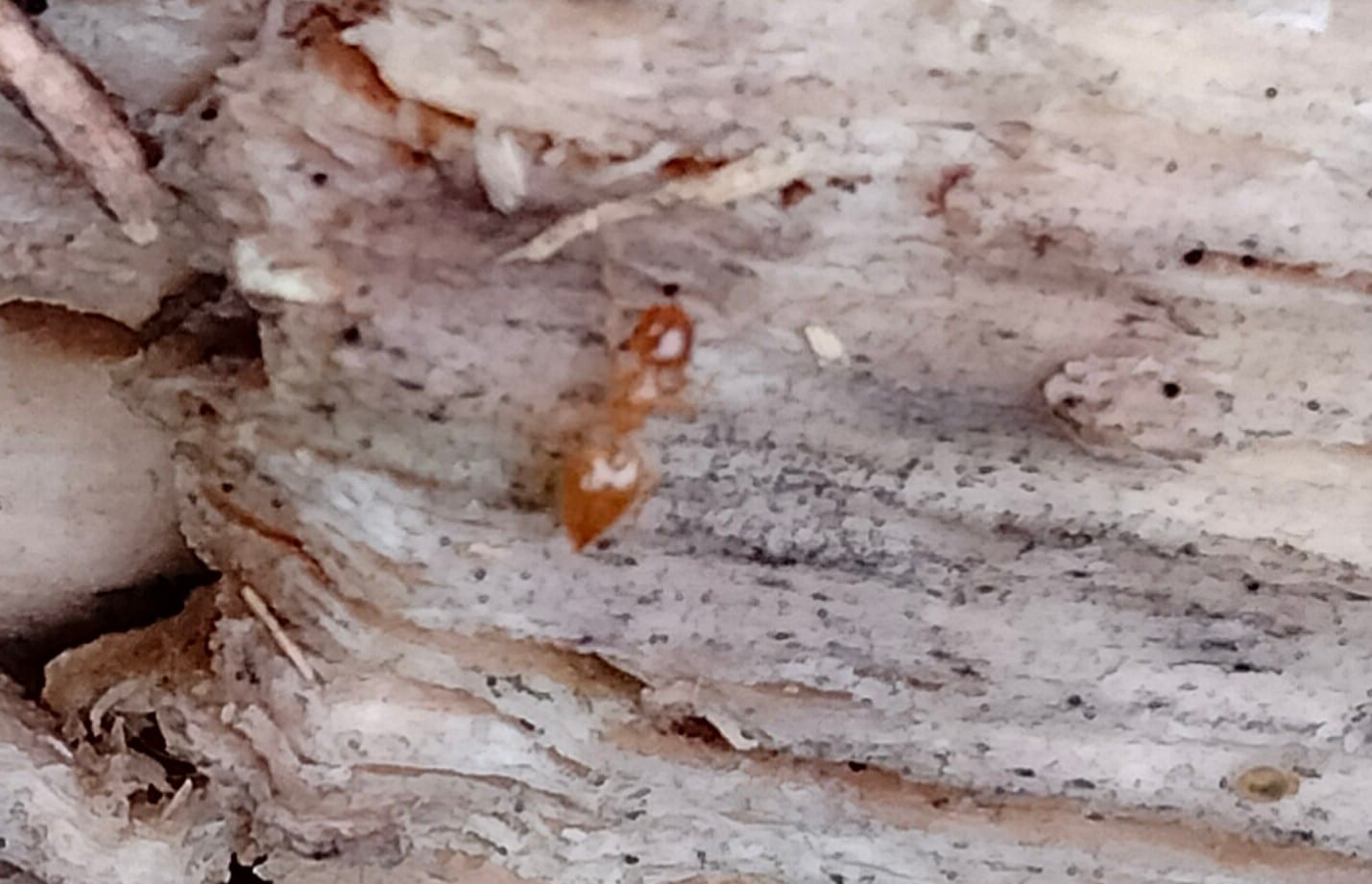
 © ケケケノケ / CC0 1.0
Yellow Acrobat Ant
The Yellow Acrobat Ant is a small ant species with a striking amber sheen, known for its endearing habit of raising its heart-shaped abdomen when disturbed — a signature behavior shared by acrobat ants. Because the species is polygynous, a single nest can host multiple queens, helping young colonies establish quickly and grow steadily. Each autumn evening, swarms of winged ants gather around lights together, and many keepers start their colonies from newly mated, de-winged queens collected during this season. Active and endlessly watchable, it's a favorite entry point for anyone new to ant keeping.
View Yellow Acrobat Ant encyclopedia →0% commission on your first sales!Register by September 30, 2026 and your first 2 sales are commission-free!
Breeder Wanted!
List on BreederDirect and sell directly to customers nationwide!
6 Transparency Standards You Can Trust
When listing Insects, Breeders disclose the following. We guarantee transparency on growth stage and breeding unit.
- Life Stage Clarity
- Generation Info
- Real Photos
- Breeding Unit
- Country of Origin
- Body Length (mm)
Browse all 296 breeds
Verified breeders wanted for Insects
Breeders are signing up now ahead of launch. Subscribe to be notified when new listings go live.
Getting alerts is free with a member account. When new listings match your saved search, we'll notify you by email and in-app.
Browse other categories
Verified breeders (preview)
Yellow Acrobat Ant key facts
- Care level
- Beginner-friendly
- Lifespan
- Queens 3-6 years
- Size
- Workers 2-3mm, queens about 5mm
- Temperature
- 23〜25℃
- Diet
- Mainly sugars (honeydew, sugar water); also insects
- Temperature & Humidity
- Keep at 23-25C, never above 30C. Honshu stock overwinters indoors unheated. Being tiny it dries out easily, so keep the test tube watered.
- Breeding & Egg-laying
- Alates fly on autumn evenings in September-October and come to lights. Being polygynous, several dealated queens placed together in a test tube will co-found a colony.
- Cohabitation
- New queens collected at the same site can be housed together, but workers from other colonies or other species cannot be mixed in.
- Lifespan & Rearing Period
- Small and space-saving, but with multiple queens the colony grows quickly, so expand the nest and foraging area early.
- Health & Notes
- At 2-3mm it escapes easily; a sealed container and escape barrier are essential. Soak liquid food into cotton to prevent drowning.
About Yellow Acrobat Ant
A small, amber-colored acrobat ant that's polygynous and beginner-friendly. Workers run 2-3mm with queens around 5mm, and colonies can be started from autumn's winged-ant swarms.
7 things to know before welcoming a Yellow Acrobat Ant
1Polygynous Colonies Are Stable
Yellow Acrobat Ants are polygynous, meaning multiple queens can coexist in a single nest. This makes young colonies easier to establish than single-queen species, and the colony tends to survive even if one queen is lost.
2The Signature Tail-Raising Pose
When disturbed, these ants flick up their heart-shaped abdomen in the classic acrobat-ant display. It's a defensive gesture, and their sting is generally considered mild, making it a fascinating behavior to watch up close.
3Tiny at Just 2-5mm
Workers measure only 2-3mm and even queens reach just about 5mm, making this one of the smaller species you can keep. A compact setup is enough to start, but the tiny size means enclosures need to be escape-proof.
4Autumn Swarms Are a Highlight
On autumn evenings, large numbers of winged ants gather around lights, and mated queens that have shed their wings cluster together in small clumps. Many keepers begin their colonies with queens collected during this seasonal flight.
5Easy Temperature and Humidity Needs
As a beginner-friendly species, it adapts well to typical indoor conditions as long as extreme heat, humidity, or dryness are avoided. Choose a container with enough ventilation to prevent condensation buildup.
6Simple Feeding with Jelly or Syrup
These ants readily eat insect jelly, diluted sugar syrup, and small live insects like mealworms. There's no need to prepare special live food every day, keeping day-to-day care relatively light.
7Escape-Proofing Matters
Because their small bodies can slip through tiny gaps, sealing lid edges and cable openings with petroleum jelly or baby powder helps prevent escapes. Commercial artificial nests or plaster nests are convenient starter options.
Frequently asked questions about Yellow Acrobat Ant
- Q.Can beginners keep this species?
- A.Yes, the Yellow Acrobat Ant is considered beginner-friendly. Temperature, humidity, and feeding requirements are relatively manageable, making it a good starting point for first-time ant keepers.
- Q.How many queens can live in one colony?
- A.Because this species is polygynous, multiple queens can coexist in a single nest. The exact number varies with colony conditions and setup, so it's best to observe how your colony develops over time.
- Q.Is the tail-raising pose dangerous?
- A.Raising the heart-shaped abdomen is simply a defensive display typical of acrobat ants, not an attack. Their sting is generally considered mild, so it's not something to be overly concerned about.
- Q.When and how can I get a new queen?
- A.Newly mated, de-winged queens can sometimes be found during the autumn evening swarming season. Queens collected during this period, or already-established ones, may also be available through breeders.
- Q.Do they tend to escape from their nest?
- A.Since workers are only about 2-3mm long, they can slip out through very small gaps. Treating lid edges and cable openings with petroleum jelly or similar barriers helps keep them contained.
Useful tools for Yellow Acrobat Ant care
Learn more about Yellow Acrobat Ant in the encyclopedia
View Yellow Acrobat Ant encyclopedia entry →
Care difficulty, lifespan, size and diet — all basics covered.
More in this category
Can't find the one you're looking for?
Post your wishes for free and breeders with matching animals will contact you with introductions.