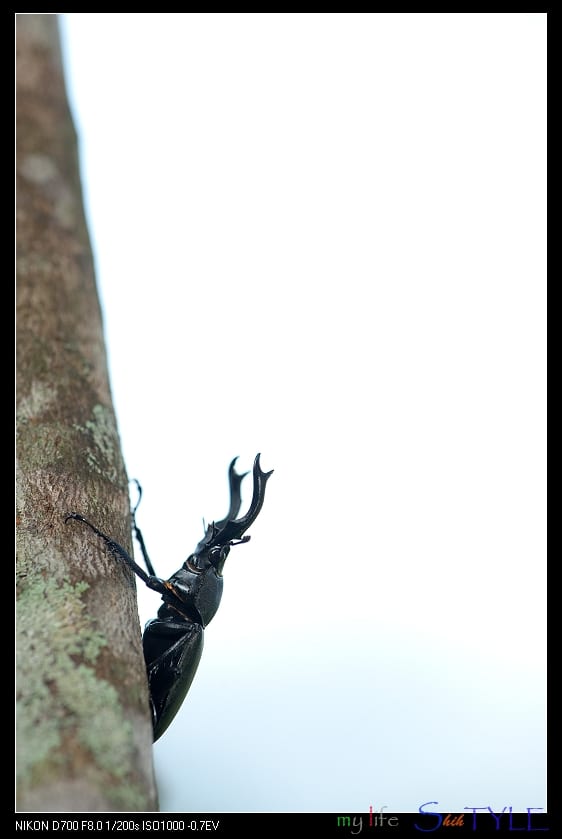
 © LiCheng Shih / CC BY-SA 2.0
Taiwanese Deer Stag Beetle
The Taiwanese Deer Stag Beetle is the nominate subspecies of the deer stag beetle group, native to Taiwan. Its most striking feature is a set of impressive, antler-like mandibles reminiscent of a deer's horns — so iconic that this subspecies is often what people picture when they hear "deer stag beetle." Even smaller individuals show off prominent mandibles, and its glossy body helps distinguish it from the closely related Amami deer stag beetle. Generally calm and easy to handle, it's rated as beginner-friendly, making it an approachable choice for first-time stag beetle keepers who want to enjoy its dramatic silhouette.
View Taiwanese Deer Stag Beetle encyclopedia →0% commission on your first sales!Register by September 30, 2026 and your first 2 sales are commission-free!
Breeder Wanted!
List on BreederDirect and sell directly to customers nationwide!
6 Transparency Standards You Can Trust
When listing Insects, Breeders disclose the following. We guarantee transparency on growth stage and breeding unit.
- Life Stage Clarity
- Generation Info
- Real Photos
- Breeding Unit
- Country of Origin
- Body Length (mm)
Browse all 296 breeds
Verified breeders wanted for Insects
Breeders are signing up now ahead of launch. Subscribe to be notified when new listings go live.
Getting alerts is free with a member account. When new listings match your saved search, we'll notify you by email and in-app.
Browse other categories
Verified breeders (preview)
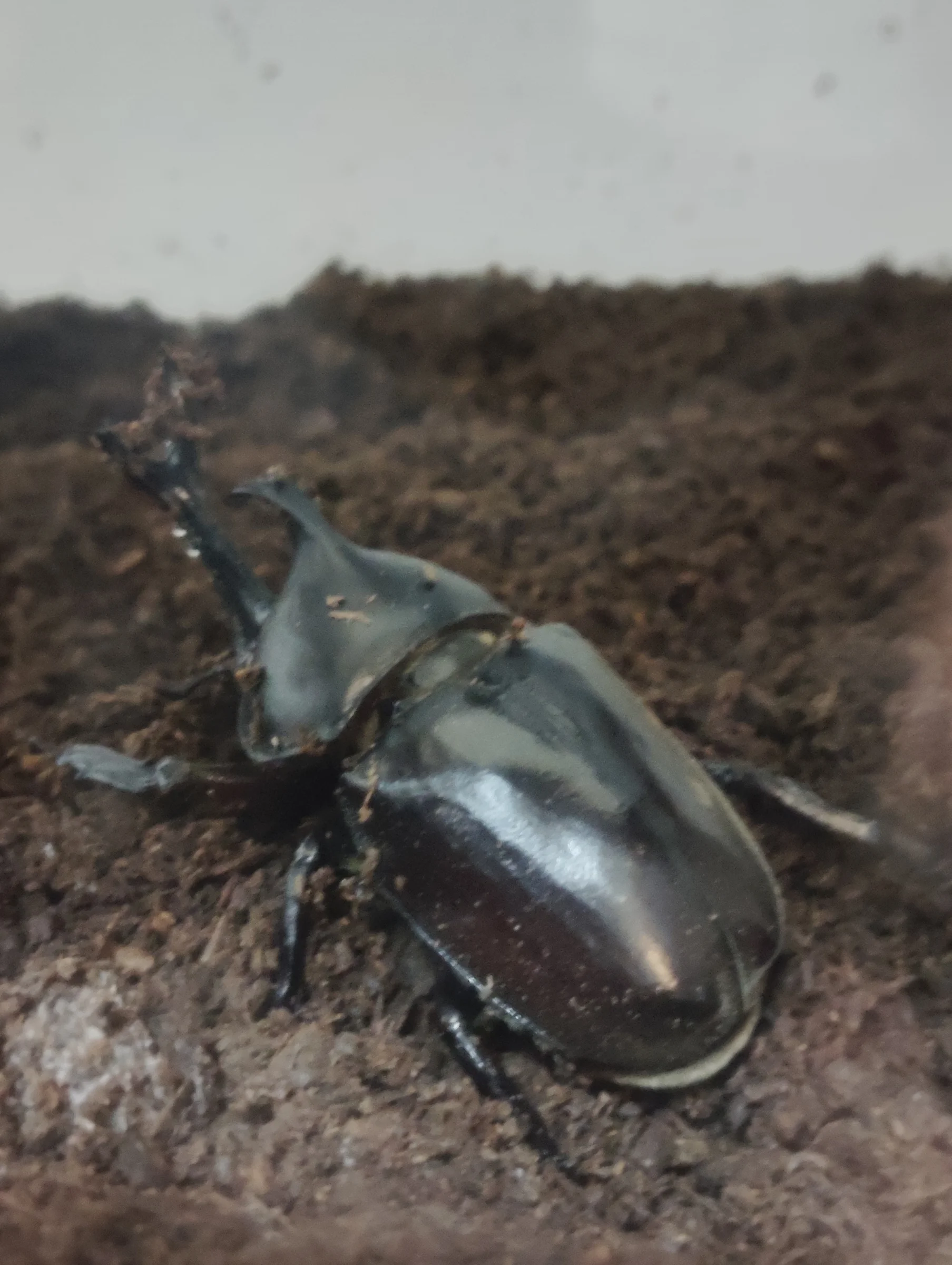
Taiwanese Deer Stag Beetle key facts
- Care level
- Beginner-friendly
- Lifespan
- About a year, with an active period of around five months
- Size
- Males 25-57mm, females 27-31mm (captive record 63.2mm, wild record 63.0mm)
- Diet
- Adults take the sap of broadleaf trees and beetle jelly; larvae are reared in mycelium bottles made from beech or konara oak
- Temperature & Humidity
- It comes from Taiwan and is not adapted to a mainland Japanese winter. Do not let the mycelium bottle or the egg-laying log dry out.
- Breeding & Egg-laying
- Eggs are laid into rotten wood at ground level, and the larvae can be reared in mycelium bottles, though they do not take to sawtooth oak and grow largest on oyster-mushroom mycelium made from beech or konara oak. Wild males are usually around 40 mm, but captive-bred beetles have eclosed above 60 mm and the record stands at 63.2 mm.
- Cohabitation
- The males are a little short-tempered but among the milder members of the genus, which will withdraw of their own accord if a fight drags on. Even so the adults are kept singly and are put together only for pairing.
- Lifespan & Rearing Period
- Adults live about a year, with a short dormancy of roughly three months between eclosion and maturity and an active period of around five months. The cycle from egg to adult takes about a year.
- Health & Notes
- This is the nominate subspecies of R. crenatus, a species that also takes in speciosus and many other forms. Avoid crossing or housing the subspecies together, and check the stated locality when buying. Importing live Scarabaeoidea requires the species identification certificate.
About Taiwanese Deer Stag Beetle
Native to Taiwan, this nominate deer stag beetle subspecies is prized for its antler-like mandibles and glossy body. Beginner-friendly to keep.
7 things to know before welcoming a Taiwanese Deer Stag Beetle
1Lifespan and Active Period
Adults typically live around one year, though their actively moving period lasts roughly five months. Keep this seasonal activity pattern in mind before bringing one home.
2Size Difference Between Sexes
Males range widely from 25 to 57mm, with mandible development changing their overall look. Females are somewhat smaller at 27 to 31mm, with a rounder body shape.
3Mandibles Vary by Individual
The signature antler-like mandibles vary significantly between individuals. Since even smaller specimens tend to show prominent mandibles, each beetle has its own distinct look to appreciate.
4Glossy Body as an ID Point
Its body has a glossy sheen that distinguishes it from the closely related Amami deer stag beetle, which lacks this shine. This is a useful point to check when identifying an individual.
5Beginner-Friendly to Keep
This species is rated as beginner-friendly, making it approachable even for those new to stag beetle keeping. With a basic, well-prepared setup, care can proceed smoothly.
6Manage Temperature and Humidity
Since the active period is limited to roughly five months, keeping temperature and humidity stable in the enclosure helps the beetle stay healthy. Avoid extreme heat or dryness.
7Prepare the Enclosure in Advance
Having the enclosure, climbing branches, and insect substrate ready before arrival makes the transition smoother, especially given the reach of the mandibles. Provide enough space suited to the individual's size.
Frequently asked questions about Taiwanese Deer Stag Beetle
- Q.What's the difference between the Taiwanese and Amami deer stag beetle?
- A.Both belong to the same deer stag beetle group and look similar, but the Taiwanese subspecies has a glossy body while the Amami subspecies does not. Its mandibles also tend to stand out even on smaller individuals.
- Q.Can beginners keep this species?
- A.Yes, this species is considered beginner-friendly. With a basic, properly set up enclosure, even first-time keepers can care for it without difficulty.
- Q.How long can I enjoy keeping this beetle?
- A.Adults live for roughly one year, though the actively moving period lasts about five months. Watching how its activity changes with the seasons is part of the enjoyment.
- Q.How large does it grow?
- A.Adult males typically range from 25 to 57mm and females from 27 to 31mm. Since mandible development varies by individual, the visual differences go beyond size alone.
- Q.Is this species subject to any regulations?
- A.The Taiwanese Deer Stag Beetle is not listed under CITES.
Useful tools for Taiwanese Deer Stag Beetle care
Learn more about Taiwanese Deer Stag Beetle in the encyclopedia
View Taiwanese Deer Stag Beetle encyclopedia entry →
Care difficulty, lifespan, size and diet — all basics covered.
More in this category
Can't find the one you're looking for?
Post your wishes for free and breeders with matching animals will contact you with introductions.