 © Noël Mal / CC BY-SA 4.0
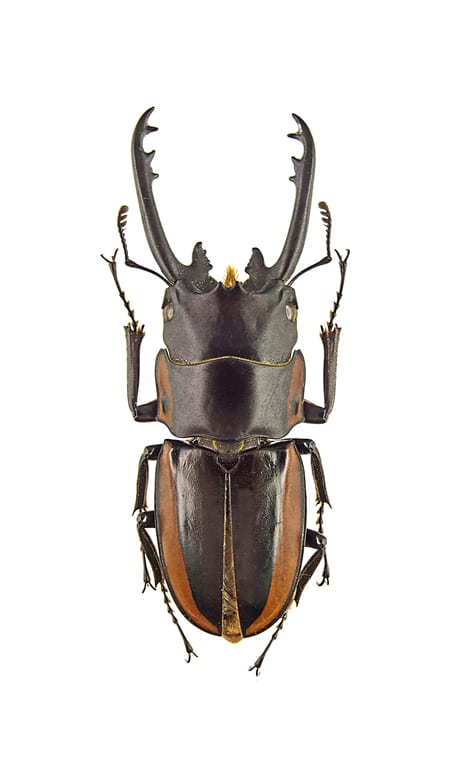
Bison Saw Stag Beetle
The Bison Saw Stag Beetle takes its name from the Latin word for bison. Both males and females sport a striking yellow stripe running along the edge of the body from the thorax to the rear, standing out sharply against their dark coloring. Males have a pincer-like inner tooth at the base of their jaws that closes with a precise, gapless fit — a small mechanical marvel up close. The species is split into five subspecies, each with subtle differences in build and jaw shape. Considered beginner-friendly, it's a great choice for anyone just starting out with stag beetle keeping.
View Bison Saw Stag Beetle encyclopedia →0% commission on your first sales!Register by September 30, 2026 and your first 2 sales are commission-free!
Breeder Wanted!
List on BreederDirect and sell directly to customers nationwide!
6 Transparency Standards You Can Trust
When listing Insects, Breeders disclose the following. We guarantee transparency on growth stage and breeding unit.
- Life Stage Clarity
- Generation Info
- Real Photos
- Breeding Unit
- Country of Origin
- Body Length (mm)
Browse all 296 breeds
Verified breeders wanted for Insects
Breeders are signing up now ahead of launch. Subscribe to be notified when new listings go live.
Getting alerts is free with a member account. When new listings match your saved search, we'll notify you by email and in-app.
Browse other categories
Verified breeders (preview)
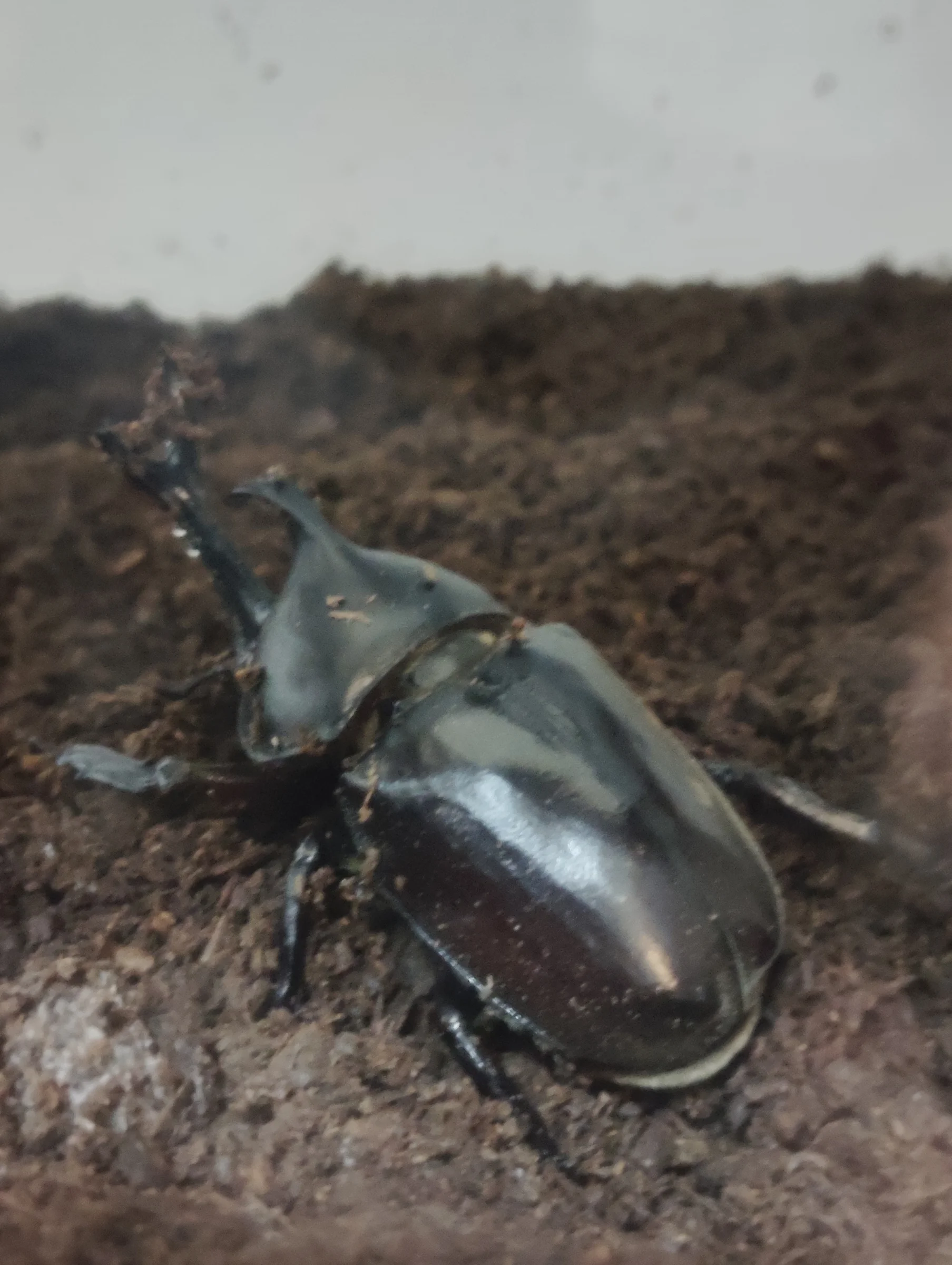
Bison Saw Stag Beetle key facts
- Care level
- Beginner-friendly
- Lifespan
- About 8-10 months as adults, the general rule for foreign saw stag beetles
- Size
- Males 27-75mm (captive record 79.1mm for cinctus from New Guinea), females 25-33mm
- Temperature
- 20〜24℃
- Diet
- Beetle jelly; larvae on fermented substrate or fungus bottles
- Temperature & Humidity
- Follow the standard routine for foreign saw stags and hold adults and larvae near 20-24C. Do not let winter temperatures fall below 18C.
- Breeding & Egg-laying
- Set a log buried in fermented substrate at around 23-25C. Larvae take either fermented substrate or fungus bottles.
- Cohabitation
- House both sexes singly. The meeting inner teeth at the mandible base give a strong bite, so pair only briefly and under supervision.
- Lifespan & Rearing Period
- As a general rule for foreign saw stags adults live about 8-10 months. The larval period varies with temperature and food.
- Health & Notes
- The inner teeth differ between regional subspecies, so keep the five subspecies separate under their locality labels. cinctus is the largest, followed by the nominate form and hortensis.
About Bison Saw Stag Beetle
A stag beetle named for the bison, with a bold yellow stripe along both sexes' bodies and pincer-like inner teeth on the male's jaws. Beginner-friendly to keep.
7 things to know before welcoming a Bison Saw Stag Beetle
1Setting Up the Enclosure
House your beetle in a small-to-medium enclosure lined with insect substrate. Add a climbing branch or bark so it can right itself if it flips over. Mist occasionally to keep the substrate from drying out completely.
2Adult Lifespan Is Months, Not Years
As with many foreign saw stag beetles, adults are generally active for around eight to ten months. Rather than expecting a multi-year commitment, it helps to go in planning to enjoy that shorter window fully.
3The Male's Toothed Jaws
Males have a pincer-like inner tooth at the base of the jaws that closes with a perfectly gapless fit — a striking detail to observe up close. That same grip can pinch fingers, so handle adult males with care.
4Size Varies Considerably
Males vary widely in size, roughly 27 to 75mm, with a record specimen of the cinctus subspecies from New Guinea reaching 79.1mm. Females are more consistent, typically measuring 25 to 33mm.
5Five Subspecies, Five Personalities
The Bison Saw Stag Beetle is divided into five subspecies by region of origin. Even within the same species, build and jaw shape vary subtly between subspecies, so comparing them side by side can be part of the fun.
6Avoid Extreme Heat and Humidity
Native to tropical and subtropical regions, this beetle doesn't tolerate sudden cold well, but poor ventilation and excess humidity can be just as harmful. Keep the enclosure somewhere well-ventilated, avoiding extremes of heat and moisture.
7What to Prepare Beforehand
Before bringing one home, prepare a case, insect substrate, a climbing branch, and insect jelly for feeding. If keeping more than one, house males separately, since two males sharing a case are prone to jaw-to-jaw fights.
Frequently asked questions about Bison Saw Stag Beetle
- Q.Is this beetle suitable for beginners?
- A.Yes, it's generally considered beginner-friendly. With a basic setup of substrate, a case, and insect jelly, you can get started without needing specialized experience.
- Q.How long do adults typically live?
- A.As a general rule for foreign saw stag beetles, adults tend to remain active for about eight to ten months. This can vary somewhat by individual and by how they're kept.
- Q.How large does it grow?
- A.Males typically range from 27 to 75mm, with a recorded specimen of the cinctus subspecies from New Guinea reaching 79.1mm. Females generally measure 25 to 33mm.
- Q.What's distinctive about the male's jaws?
- A.The base of the jaws has a pincer-like inner tooth that closes with a perfectly gapless fit. It's fascinating to observe but can pinch if handled carelessly, so take care.
- Q.Is this species listed under CITES?
- A.No, it is not listed under CITES.
Useful tools for Bison Saw Stag Beetle care
Learn more about Bison Saw Stag Beetle in the encyclopedia
View Bison Saw Stag Beetle encyclopedia entry →
Care difficulty, lifespan, size and diet — all basics covered.
More in this category
Can't find the one you're looking for?
Post your wishes for free and breeders with matching animals will contact you with introductions.