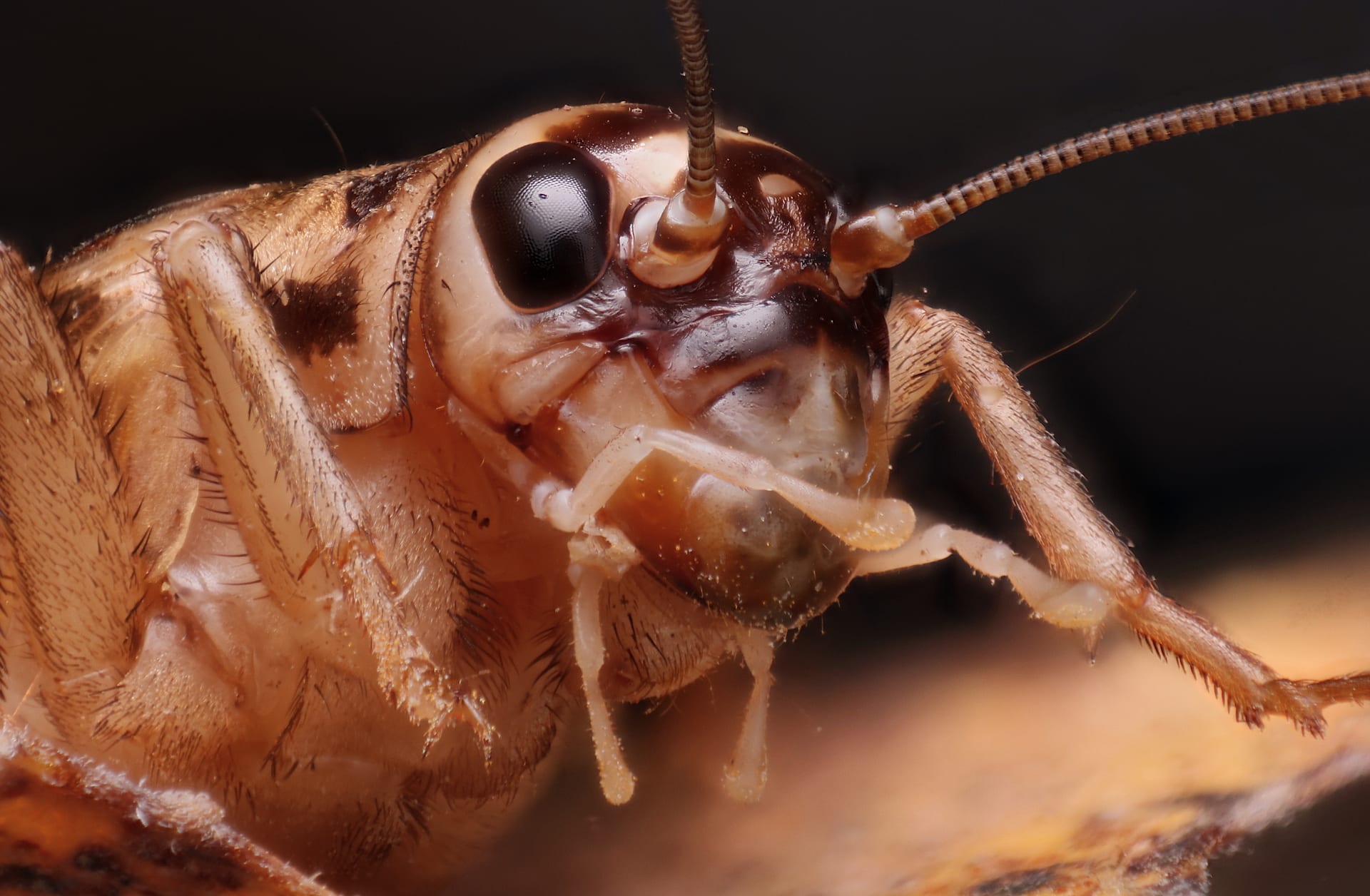
 © Matthew Lindsey / CC BY 2.0
House Cricket
The House Cricket is a small, pale brown cricket native to Southwest Asia that has since spread around the world, and it's one of the most widely used live feeder insects for reptiles and amphibians. It tolerates dry conditions well and is easy to care for. Compared with the two-spotted cricket, it's a bit smaller but moves noticeably faster, making its brisk hopping easy to observe. Adults reach about 16–21mm, and with eggs taking roughly 2–3 months to mature and adults living another 2–3 months, generations turn over on a fairly short cycle. Rated as a beginner-friendly species, it's a good starting point for anyone new to keeping insects.
View House Cricket encyclopedia →0% commission on your first sales!Register by September 30, 2026 and your first 2 sales are commission-free!
Breeder Wanted!
List on BreederDirect and sell directly to customers nationwide!
6 Transparency Standards You Can Trust
When listing Insects, Breeders disclose the following. We guarantee transparency on growth stage and breeding unit.
- Life Stage Clarity
- Generation Info
- Real Photos
- Breeding Unit
- Country of Origin
- Body Length (mm)
Browse all 296 breeds
Verified breeders wanted for Insects
Breeders are signing up now ahead of launch. Subscribe to be notified when new listings go live.
Getting alerts is free with a member account. When new listings match your saved search, we'll notify you by email and in-app.
Browse other categories
Verified breeders (preview)
About House Cricket
The House Cricket is a hardy, drought-tolerant small cricket widely used as live feed for reptiles and amphibians — and easy enough for beginners to keep.
7 things to know before welcoming a House Cricket
1Housing & Hiding Spots
Use a well-ventilated plastic or purpose-made enclosure, and add egg cartons or paper materials as hiding spots to help the crickets settle in. At 16–21mm, adults are compact, so check that the lid seals tightly to prevent escapes through small gaps.
2Naturally Drought-Tolerant
House Crickets come from a dry native habitat and tolerate arid conditions well, so over-humidifying the enclosure can actually cause problems. Keep the substrate mostly dry and provide moisture separately, as described below.
3Providing Water Safely
Crickets can easily drown in open water dishes, so a water gel or moisture crystals are a safer way to hydrate them. Water-rich vegetable scraps can also help supplement their hydration.
4Cannibalism Risk
Overcrowding or running out of food can lead to cannibalism among the crickets. Giving them enough space relative to their numbers and keeping food consistently available helps prevent losses.
5Fast Movers, Easy Escapees
Though smaller than the two-spotted cricket, House Crickets move quickly and can leap out in an instant if given the chance. Work efficiently during feeding or cleaning and avoid leaving the enclosure open.
6Only Males Chirp
The chirping sound comes only from males rubbing their wings together; females stay silent. If you're keeping a group, it's worth considering whether the chirping fits your living environment.
7A Fast Life Cycle
It takes about 2–3 months for eggs to develop into adults, and adults themselves live for roughly 2–3 months. This relatively fast turnover makes it easier to plan ahead if you want to keep them on an ongoing basis.
Frequently asked questions about House Cricket
- Q.Is this species suitable for beginners?
- A.Yes, the House Cricket is generally considered a beginner-friendly species to keep. It tolerates dry conditions well and requires relatively little maintenance, making it approachable even for first-time insect keepers.
- Q.How is it different from the two-spotted cricket?
- A.The House Cricket is smaller and faster-moving than the two-spotted cricket. Adults typically measure around 16–21mm and are quite active.
- Q.How long can I keep this species?
- A.It takes roughly 2–3 months for eggs to mature into adults, and adults themselves live for about 2–3 months. Because generations turn over quickly, it helps to plan ahead for restocking if you want to keep them long-term.
- Q.Are they noisy?
- A.Only males chirp, by rubbing their wings together; females are silent. How noticeable the sound is depends on the number kept and the environment, so it's worth considering placement if you plan to keep several.
- Q.Do they cannibalize each other?
- A.Cannibalism can occur if crickets are overcrowded or food runs out. Providing enough space and keeping a steady food supply helps reduce this risk.
Useful tools for House Cricket care
Learn more about House Cricket in the encyclopedia
View House Cricket encyclopedia entry →
Care difficulty, lifespan, size and diet — all basics covered.
More in this category
Can't find the one you're looking for?
Post your wishes for free and breeders with matching animals will contact you with introductions.