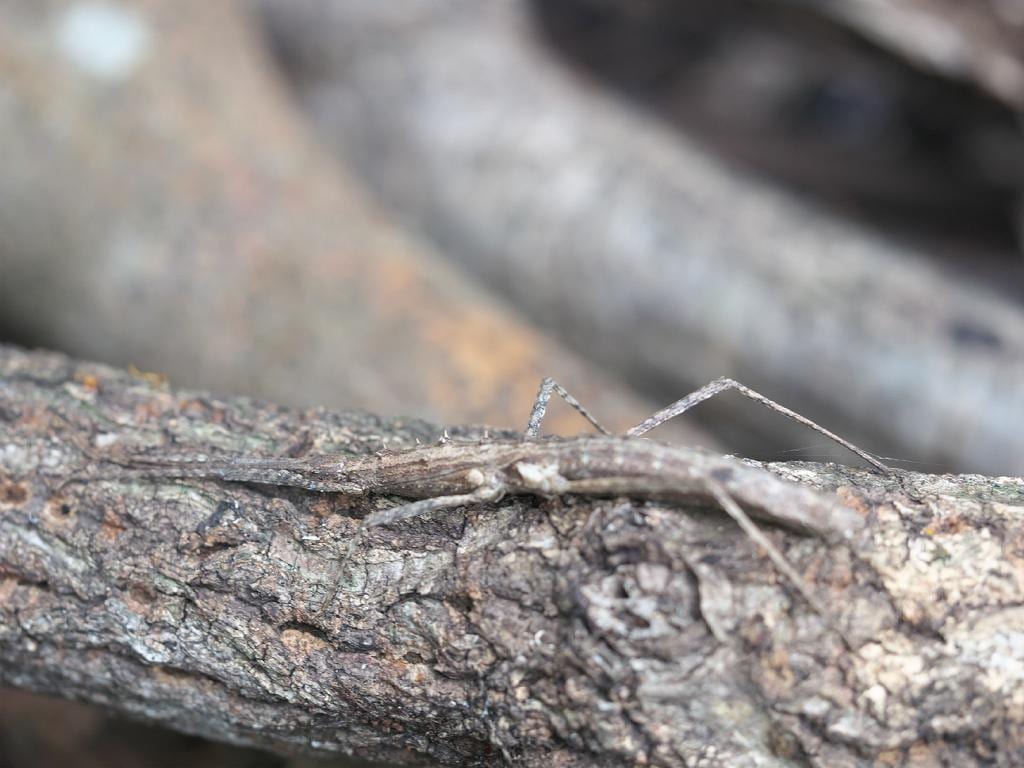
 © Keisotyo / CC BY-SA 4.0
Japanese Spiny Stick Insect
The Japanese Spiny Stick Insect is a native stick insect species known for its comparatively stout, sturdy body among stick insects, with numerous spine-like projections running along its back and the edges of its body, giving it a distinctive appearance. In the wild, nearly all individuals are female, and the species is known for its unusual reproductive strategy of parthenogenesis, allowing it to continue generations without males. It is a slow-moving, calm insect that rarely startles or scurries away, making it well suited to quiet, close-up observation. Because it can feed on a wide range of host plants, it is considered an approachable species for those new to keeping stick insects.
View Japanese Spiny Stick Insect encyclopedia →0% commission on your first sales!Register by September 30, 2026 and your first 2 sales are commission-free!
Breeder Wanted!
List on BreederDirect and sell directly to customers nationwide!
6 Transparency Standards You Can Trust
When listing Insects, Breeders disclose the following. We guarantee transparency on growth stage and breeding unit.
- Life Stage Clarity
- Generation Info
- Real Photos
- Breeding Unit
- Country of Origin
- Body Length (mm)
Browse all 296 breeds
Verified breeders wanted for Insects
Breeders are signing up now ahead of launch. Subscribe to be notified when new listings go live.
Getting alerts is free with a member account. When new listings match your saved search, we'll notify you by email and in-app.
Browse other categories
Verified breeders (preview)
Japanese Spiny Stick Insect key facts
- Care level
- Beginner-friendly
- Lifespan
- Adults 4-6 months
- Size
- 55-68mm (a species list gives females at 57-75mm)
- Diet
- The leaves of a wide range of plants, some thirty species in twenty-one families, with lacecap hydrangea particularly favoured
- Temperature & Humidity
- It occurs from the lowlands to low hills west of central Honshu, so indoors it can be kept at temperatures that follow the Japanese seasons. Mist the enclosure to keep it damp.
- Breeding & Egg-laying
- Eggs are laid on the ground, apparently dropped at random while the insect is hidden by day or out feeding at night; in captivity one or two a day have been recorded. Adults appear in late July, laying begins in August and continues to late October. The winter is passed as eggs, which hatch from late February, and nymphs are seen through to late July, so the species appears to be univoltine. Since almost all are female, a single insect can carry a line forward.
- Cohabitation
- It is placid, and several of the same species can share an enclosure. Being touched during a moult easily spoils it, so give the container height and plenty of footholds. The spines are defensive and pose no danger in handling.
- Lifespan & Rearing Period
- Adults are seen along mountain paths in late autumn, though one source gives the season as June to November, which suggests a somewhat longer adult life. The winter is passed as eggs, so no adult sees the year out.
- Health & Notes
- There was an outbreak on Hachijojima in which greenhouse ornamentals were badly damaged, the insect was treated as a pest over 140 hectares and pesticides were applied. Its food plants are very wide-ranging, so keep the enclosure secure and never release it outside the area it came from. The eggs look like plant seeds, so check the substrate for them before discarding it.
About Japanese Spiny Stick Insect
A stout-bodied stick insect covered in spine-like projections, the Japanese Spiny Stick Insect reproduces almost entirely by parthenogenesis and feeds on a wide range of plants, making it approachable for beginners.
7 things to know before welcoming a Japanese Spiny Stick Insect
1A Stout, Spiny Body
Compared with other stick insects, the Japanese Spiny Stick Insect has a noticeably sturdier build, with rows of spine-like projections along its back and body edges. This distinctive silhouette is part of what makes it appealing to keep and observe.
2Almost Entirely Female
Nearly all individuals found are female, and eggs typically hatch through parthenogenesis without the need for a male. Males are exceptionally rare, and a colony can continue reproducing from females alone in captivity.
3Beginner-Friendly Care
This species is classified as beginner-friendly, making it a popular entry point into stick insect keeping. Even so, basic care such as managing temperature, humidity, and host plants still needs regular attention.
4Feeds on Many Plants
It is known for accepting a wide range of host plants, which makes sourcing fresh leaves relatively easy. Always confirm that any plant offered is safe before feeding it.
5A Calm Temperament
Movements are slow and unhurried, and when startled the insect tends to freeze in place rather than flee. It suits keepers who enjoy quiet observation more than frequent handling.
6Enclosure Space Needs
With relatively long legs for its body size, this species benefits from an enclosure with enough height to move around comfortably. Good ventilation paired with adequate humidity helps keep the environment healthy.
7Molting and Health Checks
Like other insects, it goes through periodic molts, so it's best to avoid disturbing the enclosure around these times. A sustained loss of appetite or unusual movement is worth treating as a cue to review the care setup.
Frequently asked questions about Japanese Spiny Stick Insect
- Q.Will I end up with a male or a female?
- A.Nearly all individuals in circulation are female. Confirmed males are exceptionally rare in Japan, and the species is known to reproduce through parthenogenesis across generations.
- Q.Can a first-time insect keeper care for this species?
- A.Its care difficulty is rated beginner-friendly, and it's often chosen as an entry point into insect keeping. Maintaining basic temperature, humidity, and host plant supply makes ongoing care manageable.
- Q.How big does it get?
- A.Adults typically reach around 55 to 68 mm in body length. It has a relatively sturdy build compared with many other stick insects.
- Q.What should I feed it?
- A.This species is known for accepting a very wide range of host plants. Always check that whatever you offer is safe before feeding it.
- Q.Are there any legal restrictions on keeping this species?
- A.This species is not subject to CITES.
Useful tools for Japanese Spiny Stick Insect care
Learn more about Japanese Spiny Stick Insect in the encyclopedia
View Japanese Spiny Stick Insect encyclopedia entry →
Care difficulty, lifespan, size and diet — all basics covered.
More in this category
Can't find the one you're looking for?
Post your wishes for free and breeders with matching animals will contact you with introductions.