Source: Wikimedia Commons
Japanese Spiny Stick Insect
BeginnerNeohirasea japonica
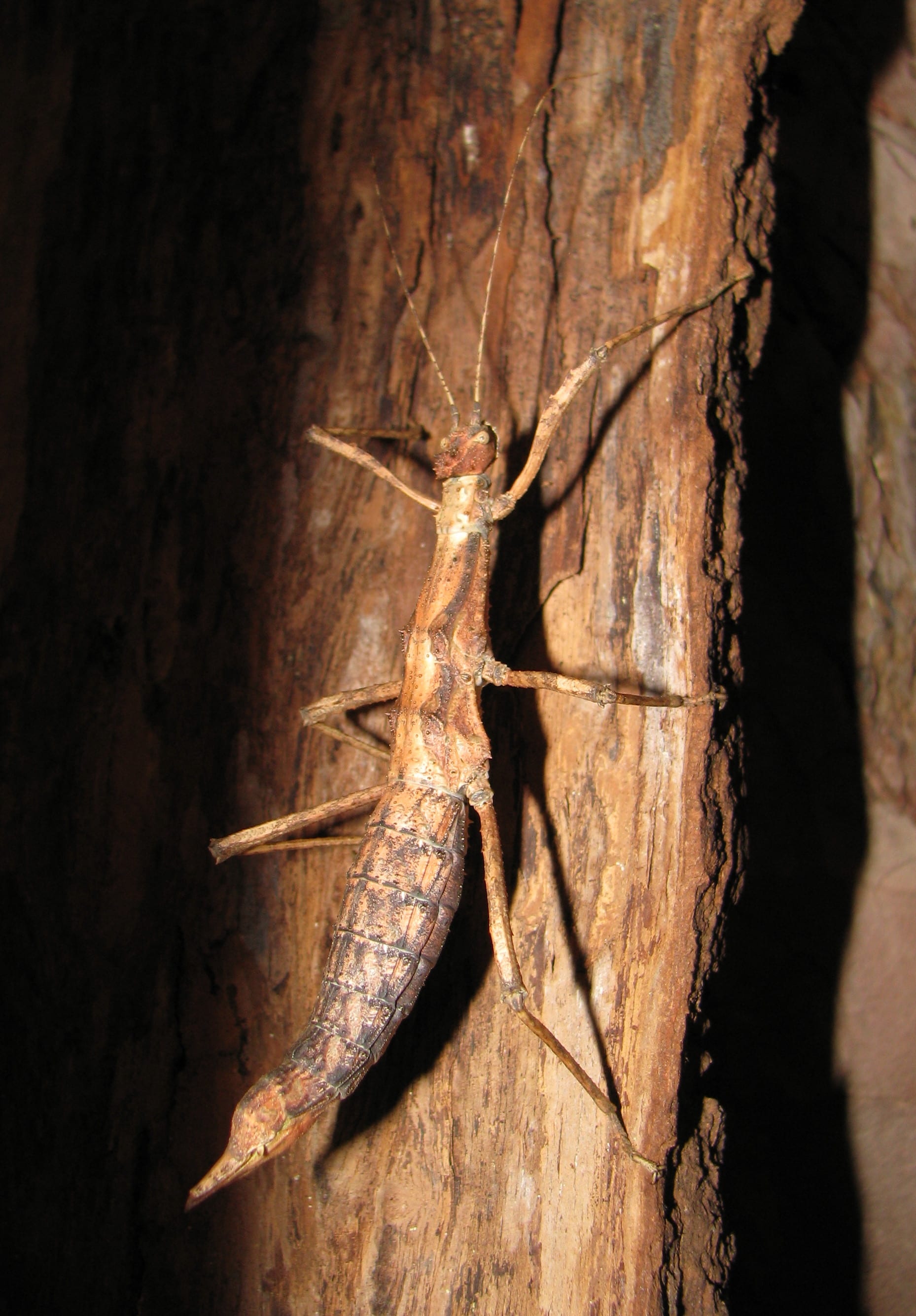
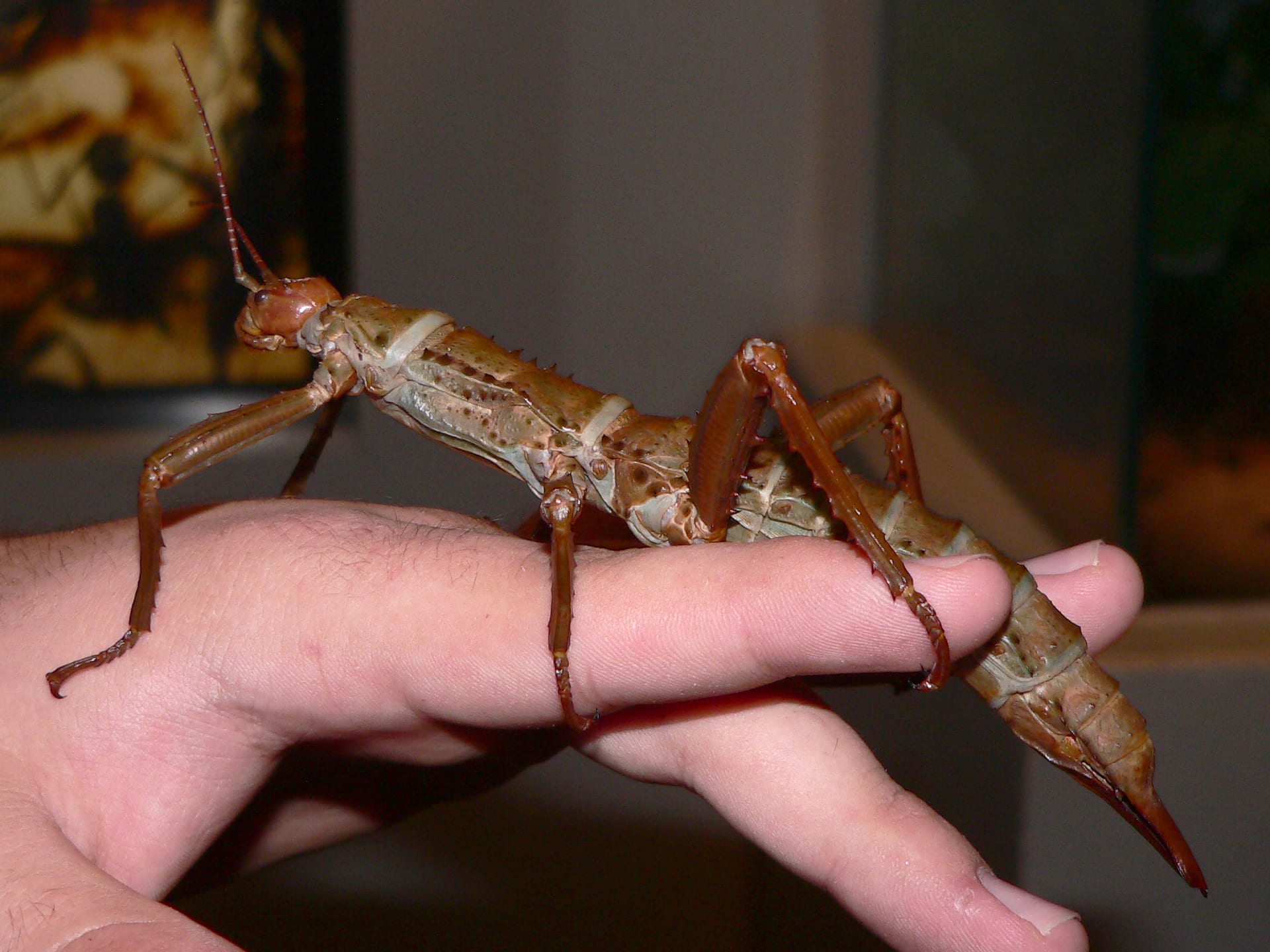
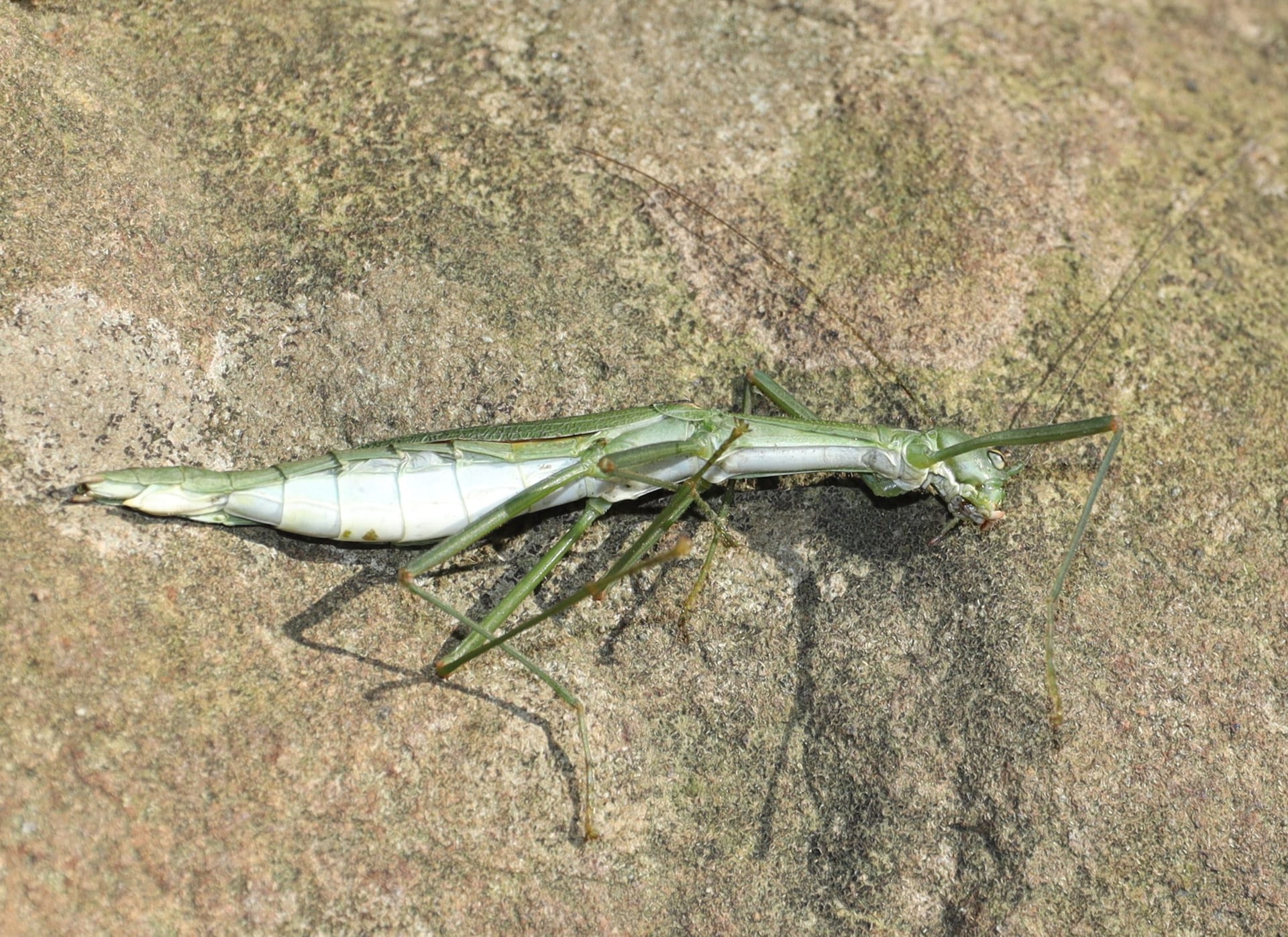
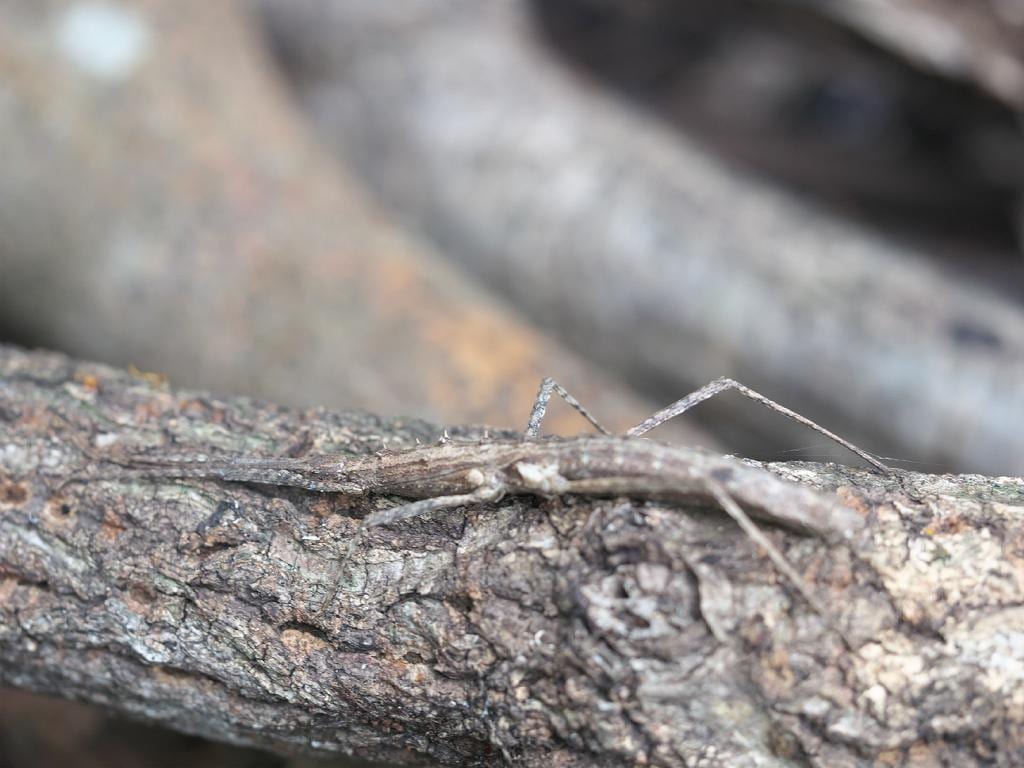
Stout for a stick insect, with many spine-like processes along its back and margins. Almost only females are known, males having been confirmed just three times in Japan, so it is thought to reproduce by parthenogenesis. Its range of food plants is unusually wide.
Difficulty
Beginner
Temperature
20〜28℃
Lifespan
Adults 4-6 months
Size
55-68mm (a species list gives females at 57-75mm)
Humidity
60〜80%
Diet
The leaves of a wide range of plants, some thirty species in twenty-one families, with lacecap hydrangea particularly favoured
About
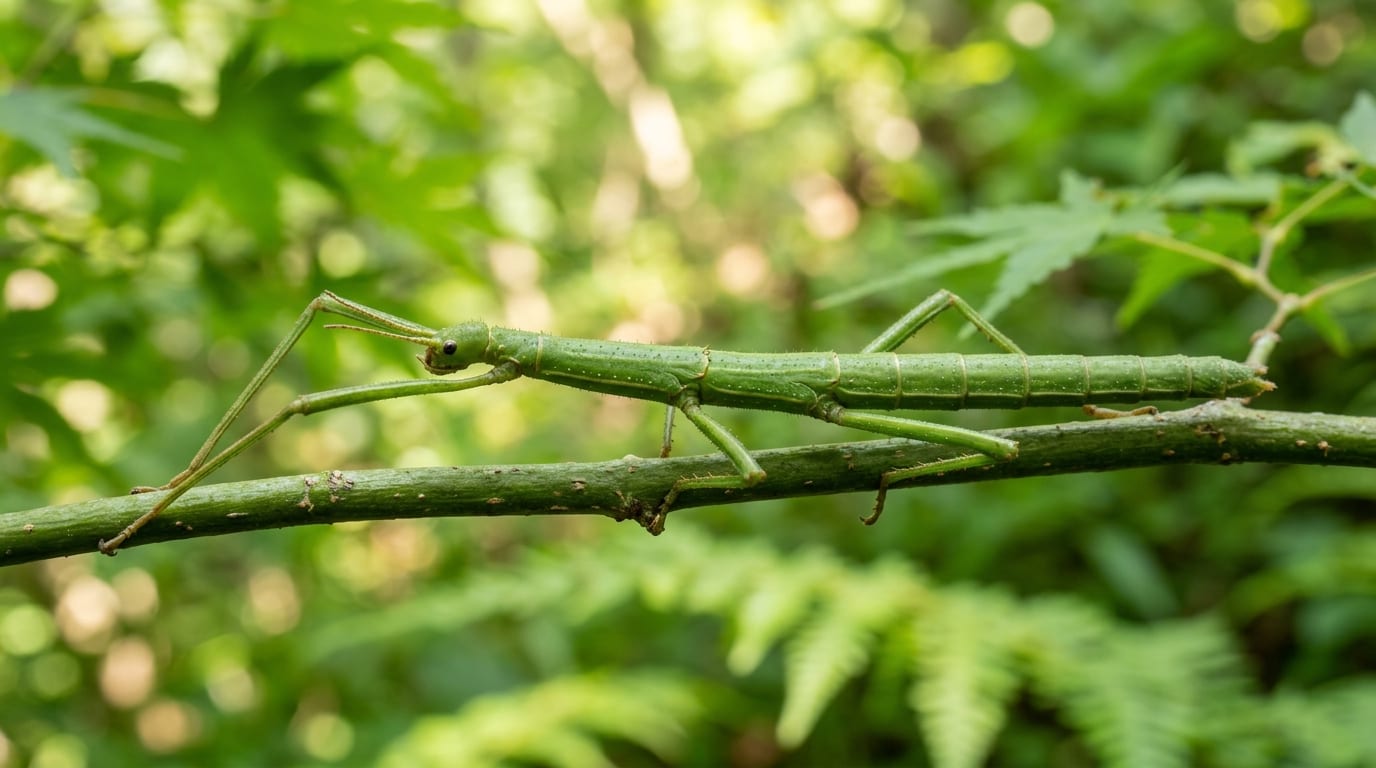
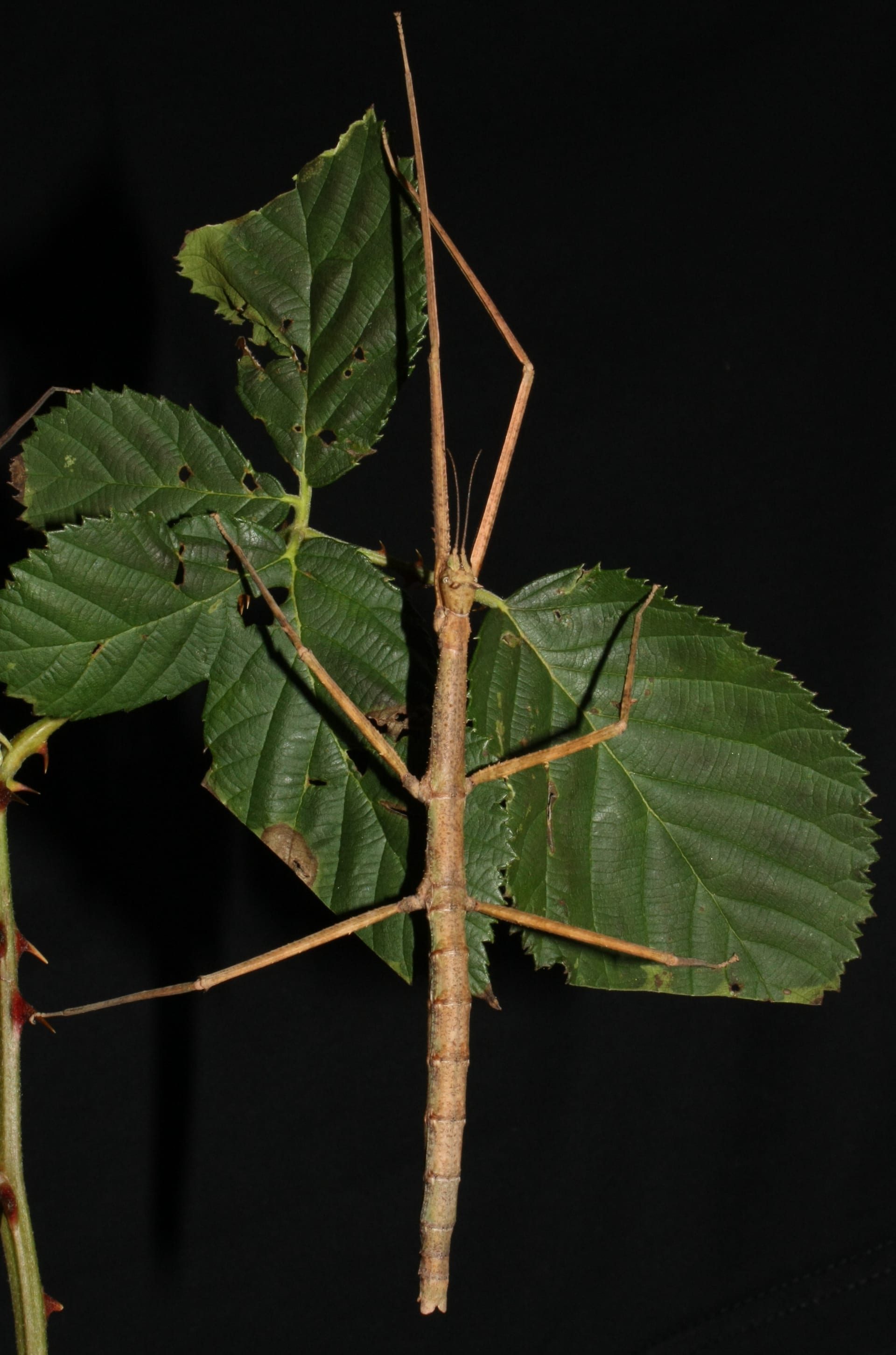
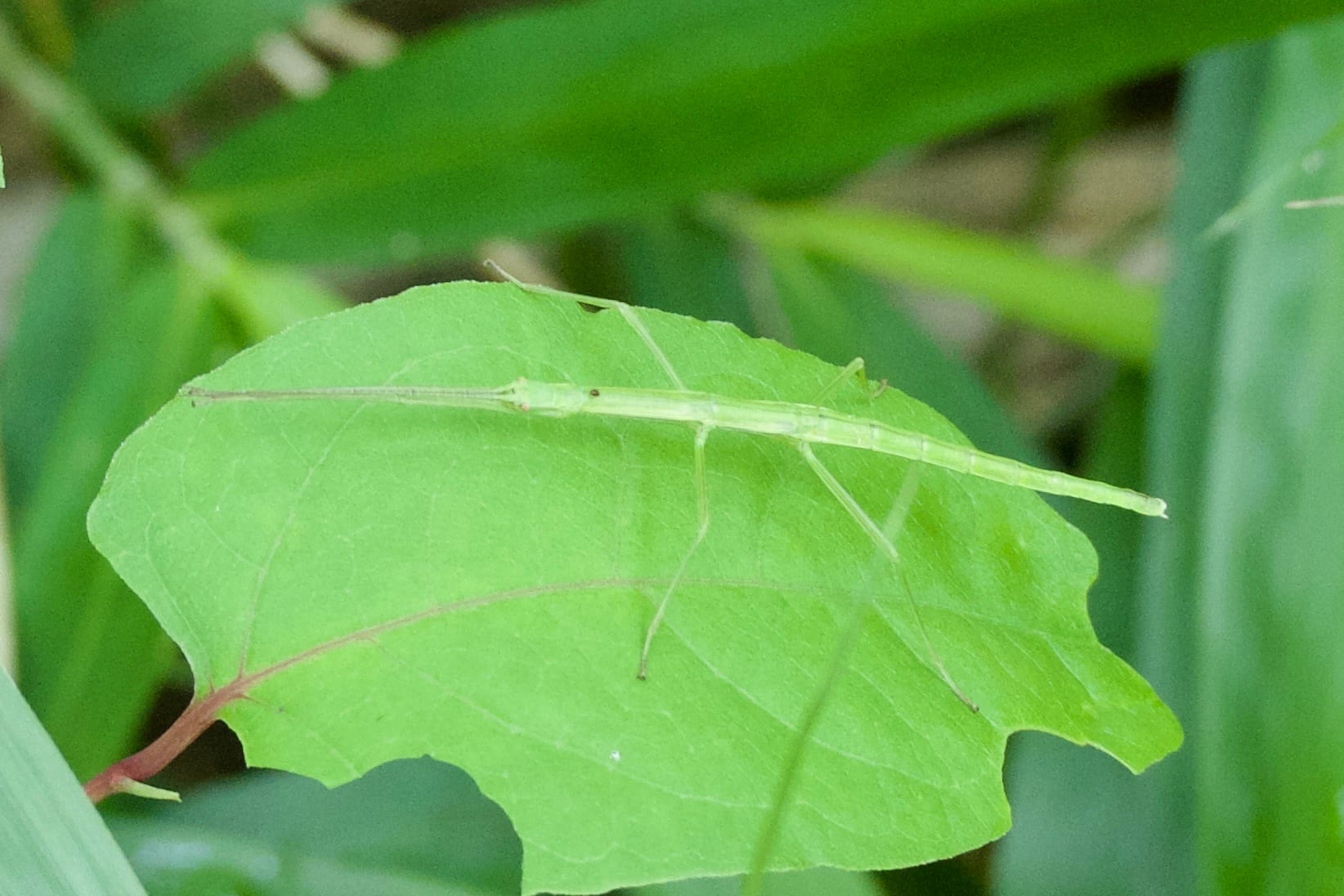
Neohirasea japonica is stout for a stick insect, bearing many small tubercles along the back and spine-like processes along the margins and midline of the thorax. It measures 55-68mm and is a matt dirty brown overall, varying from yellowish to greenish brown in a way that appears to follow the environment it grew up in. In Japan it is known from Honshu west of the centre, Shikoku and Kyushu, with a record adding Amami Oshima, and abroad from Taiwan and southern China. It is nocturnal, spending the day in roadside hollows, the gaps in stone walls or at the base of its food plants, and emerging after dark to feed. Its food plants are remarkably varied: an observation on Hachijojima recorded thirty species in twenty-one families, spanning both dicots and monocots, with lacecap hydrangea particularly favoured in the wild. Almost only females are known; males have been confirmed just three times in Japan, and the species is thought to reproduce by parthenogenesis.
Source: Wikipedia (CC BY-SA 4.0)
Lifespan of the Japanese Spiny Stick Insect
The Japanese Spiny Stick Insect lives Adults 4-6 months.
Size of the Japanese Spiny Stick Insect
The Japanese Spiny Stick Insect grows to 55-68mm (a species list gives females at 57-75mm).
Basic Info
Origin
Japan (Honshu west of the centre, Shikoku, Kyushu, Amami Oshima, and Okinawa where introduced), Taiwan and southern China
Lifespan
Adults 4-6 months
Size
Care Specifications
References & Sources
Edited & verified by: BreederDirect editorial team
The taxonomic, regulatory, and husbandry data on this page are compiled and verified against the authoritative primary sources below.
Taxonomy & Authority
Accepted name: Neohirasea japonica (de Haan, 1842)
Synonyms: Neohirasea lugens
Authority databases: GBIF
Nomenclature follows global taxonomic authority databases.
Regulations & Conservation Status
Not CITES-listed
Sources: CITES Appendix (checklist.cites.org)
Regulations may change. Always verify the latest information with the relevant authorities.
Japanese Spiny Stick Insect Listings
Loading latest listingsFind listings for this species