AI-generated image
Japanese Stick Insect
BeginnerRamulus mikado
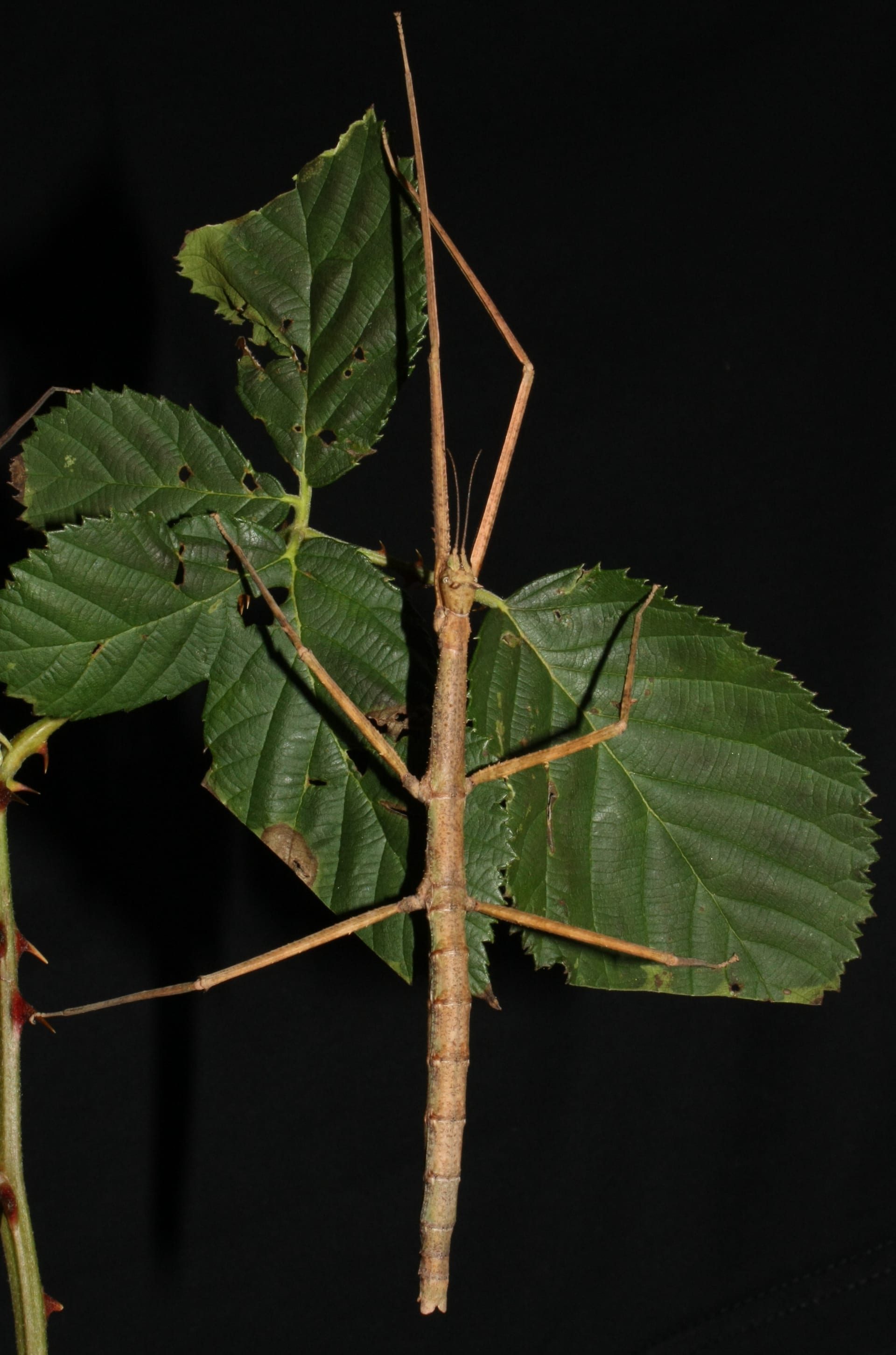
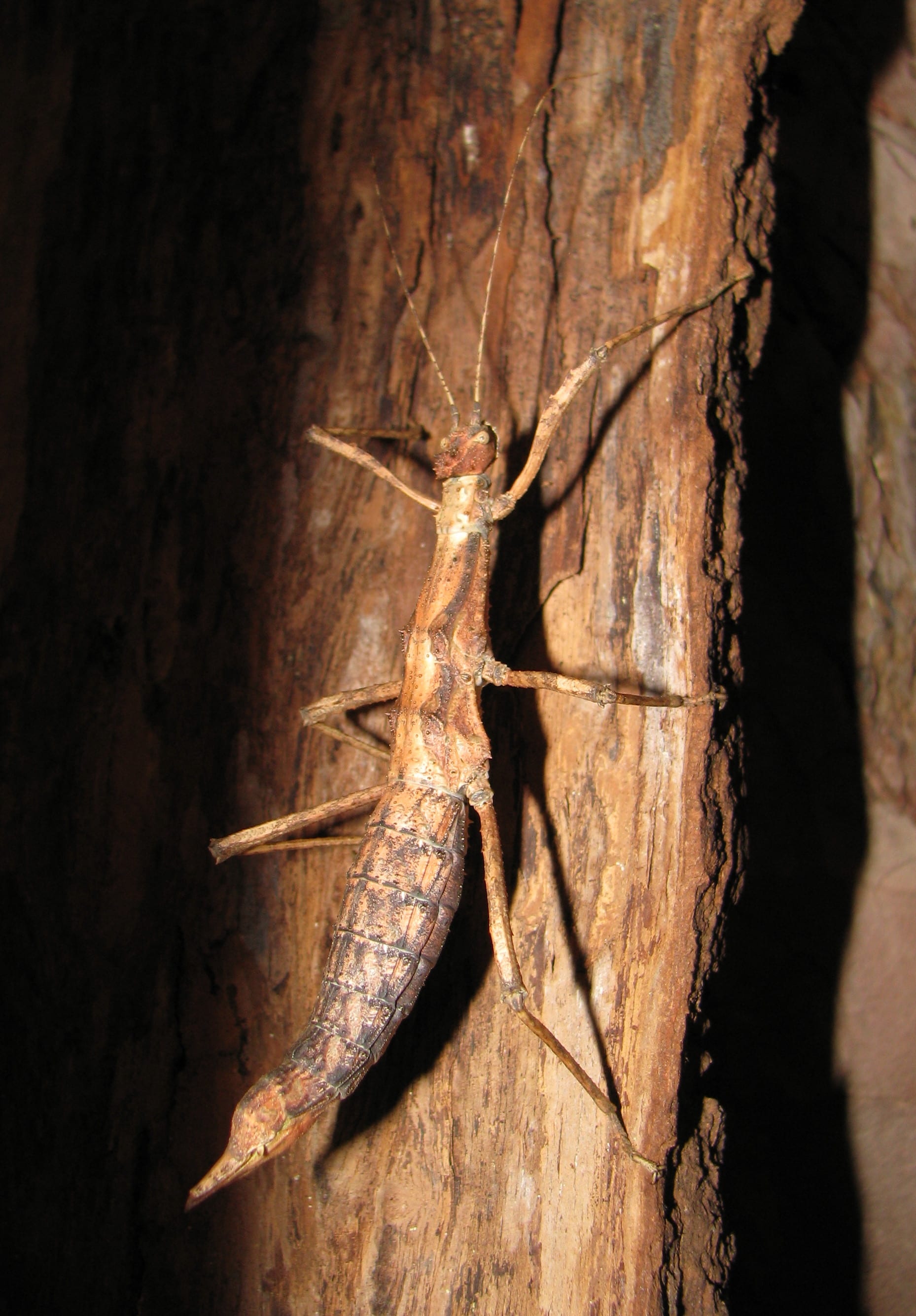
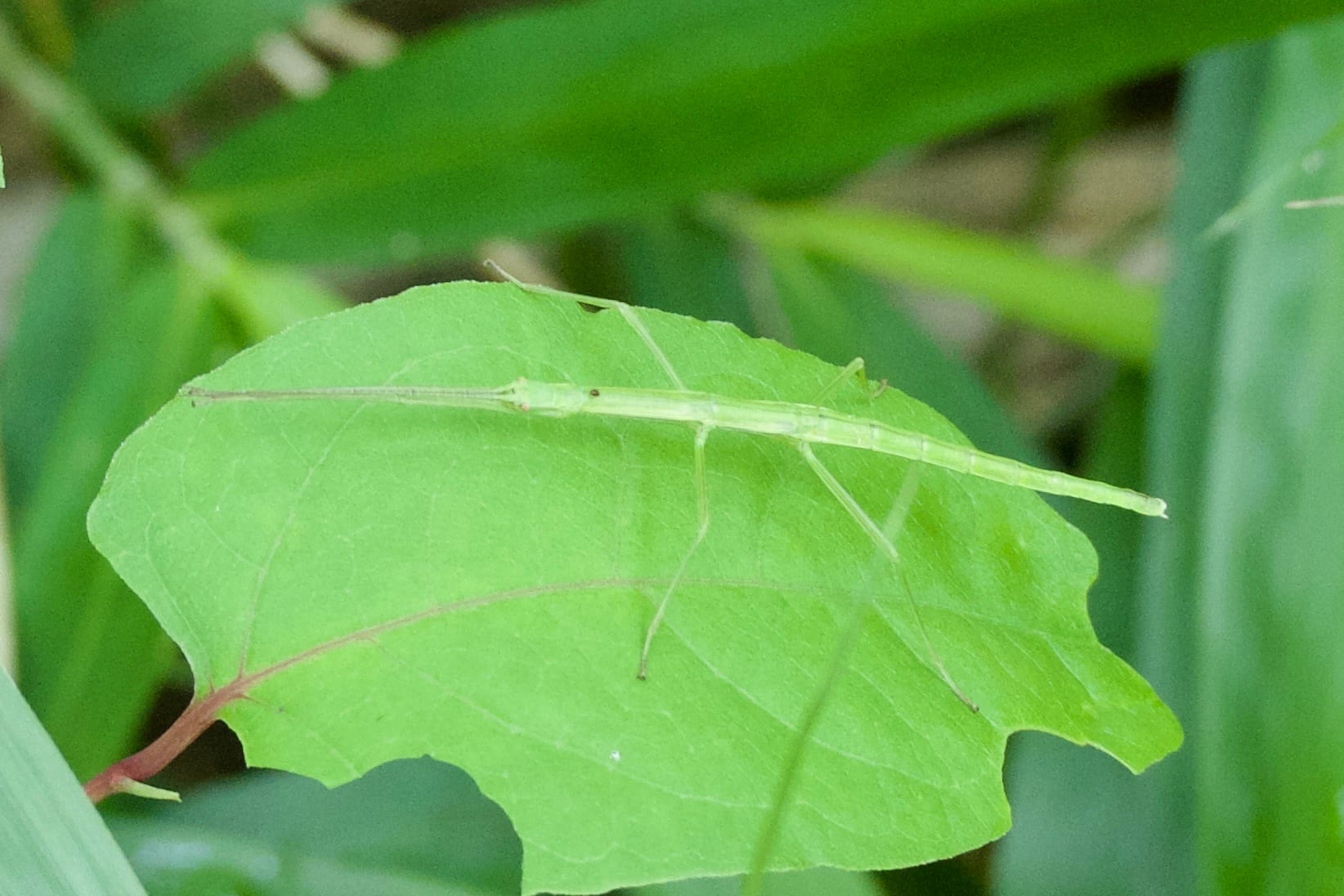
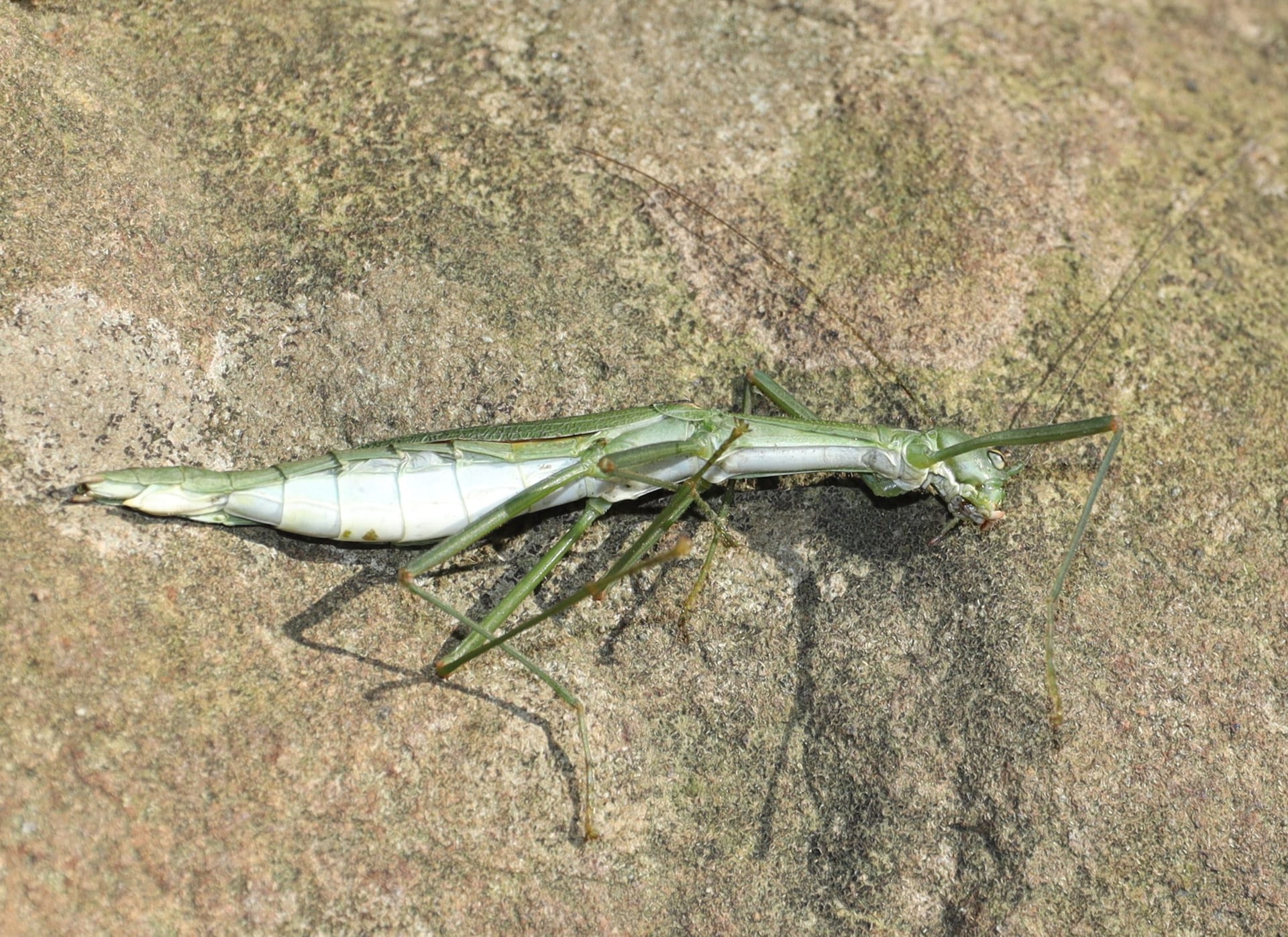
The best-known stick insect in Japan, found from Honshu to Kyushu. Females reach 74-100mm. Males are so rare that only a handful have ever been found, and the species normally reproduces by parthenogenesis. Its short antennae separate it from Phraortes elongatus.
Difficulty
Beginner
Temperature
20〜28℃
Lifespan
Adult females 4-6 months / adult males 3-4 months
Size
Males 57-62mm (only a few records), females 74-100mm
Humidity
60〜80%
Diet
The leaves of broadleaf trees such as cherry, konara oak and evergreen oak
About
Ramulus mikado is the best-known stick insect in Japan, found from Honshu south of Miyagi and Niigata through Shikoku and Kyushu, and often called simply nanafushi. Females measure 74-100mm and males 57-62mm, though males are so rare that only a handful have been found. It is frequently confused with Phraortes elongatus, but its antennae are short where that species has long ones. Like many phasmids it reproduces by parthenogenesis, the female laying without mating; every nymph is female and genetically identical to its mother. A joint study by the National Institute for Basic Biology, Kobe University and Fukushima University found that the rare males, while normal in form and behaviour, have entirely lost their reproductive function. The eggs resemble plant seeds in shape and size and are covered by a hard shell, taking from thirteen days to more than seventy, on average twenty to thirty, to hatch.
Source: Wikipedia (CC BY-SA 4.0)
Lifespan of the Japanese Stick Insect
The Japanese Stick Insect lives Adult females 4-6 months / adult males 3-4 months.
Size of the Japanese Stick Insect
The Japanese Stick Insect grows to Males 57-62mm (only a few records), females 74-100mm.
Basic Info
Origin
Japan (Honshu south of Miyagi and Niigata, Shikoku and Kyushu)
Lifespan
Adult females 4-6 months / adult males 3-4 months
Size
Males 57-62mm (only a few records), females 74-100mm
Care Specifications
PeacefulSolitaryBreeding: Easy
Sources: Stick insects - Wikipedia (JA); accounts of the Japanese species, life cycle and parthenogenesis / GBIF: Ramulus mikado (Rehn, 1904)
References & Sources
Edited & verified by: BreederDirect editorial team
The taxonomic, regulatory, and husbandry data on this page are compiled and verified against the authoritative primary sources below.
Taxonomy & Authority
Accepted name: Ramulus mikado (Rehn, 1904)
Synonyms: Ramulus irregulariterdentatus
Authority databases: GBIF
Nomenclature follows global taxonomic authority databases.
Regulations & Conservation Status
Not CITES-listed
Sources: CITES Appendix (checklist.cites.org)
Regulations may change. Always verify the latest information with the relevant authorities.
Japanese Stick Insect Listings
Loading latest listingsFind listings for this species