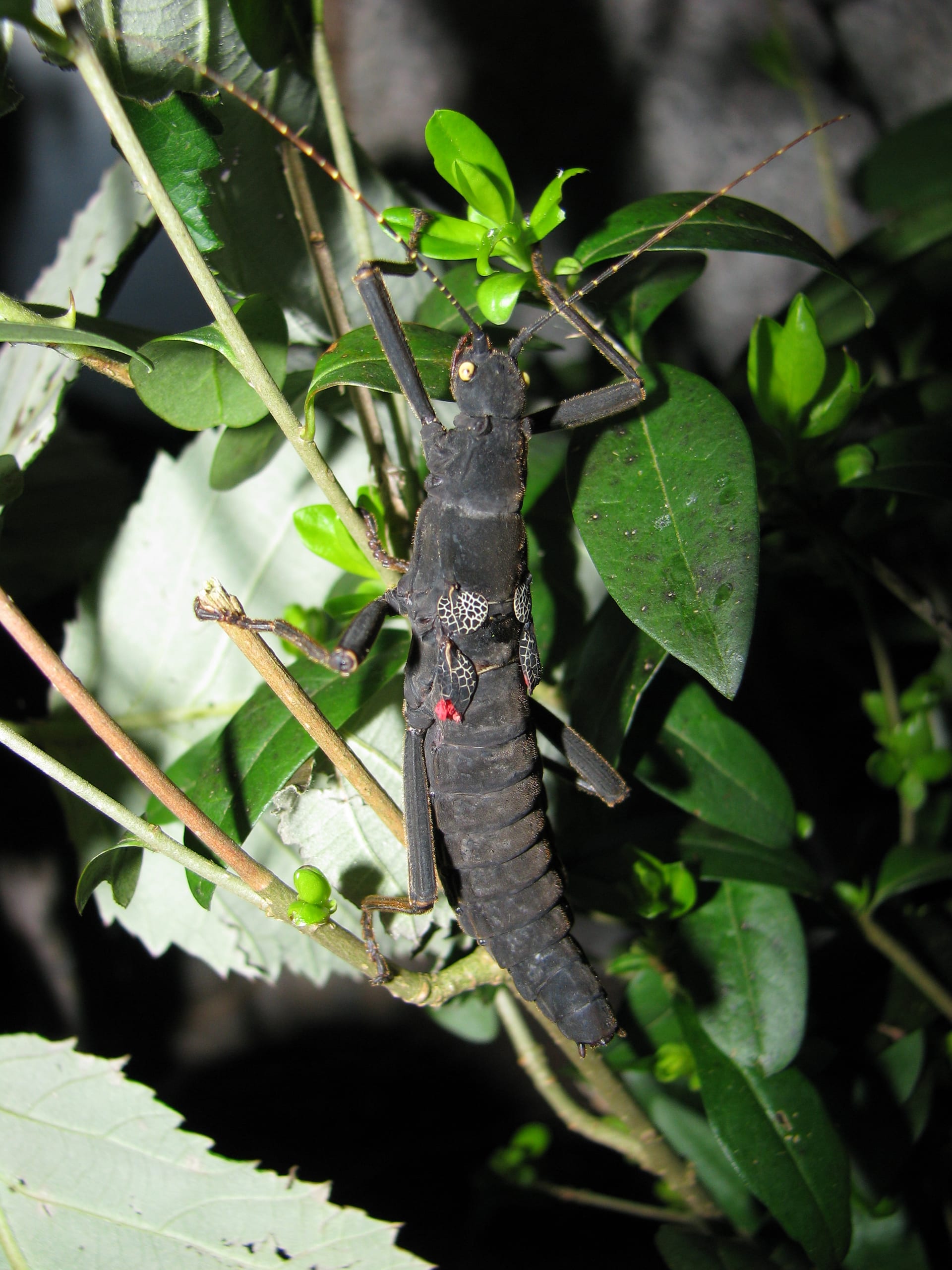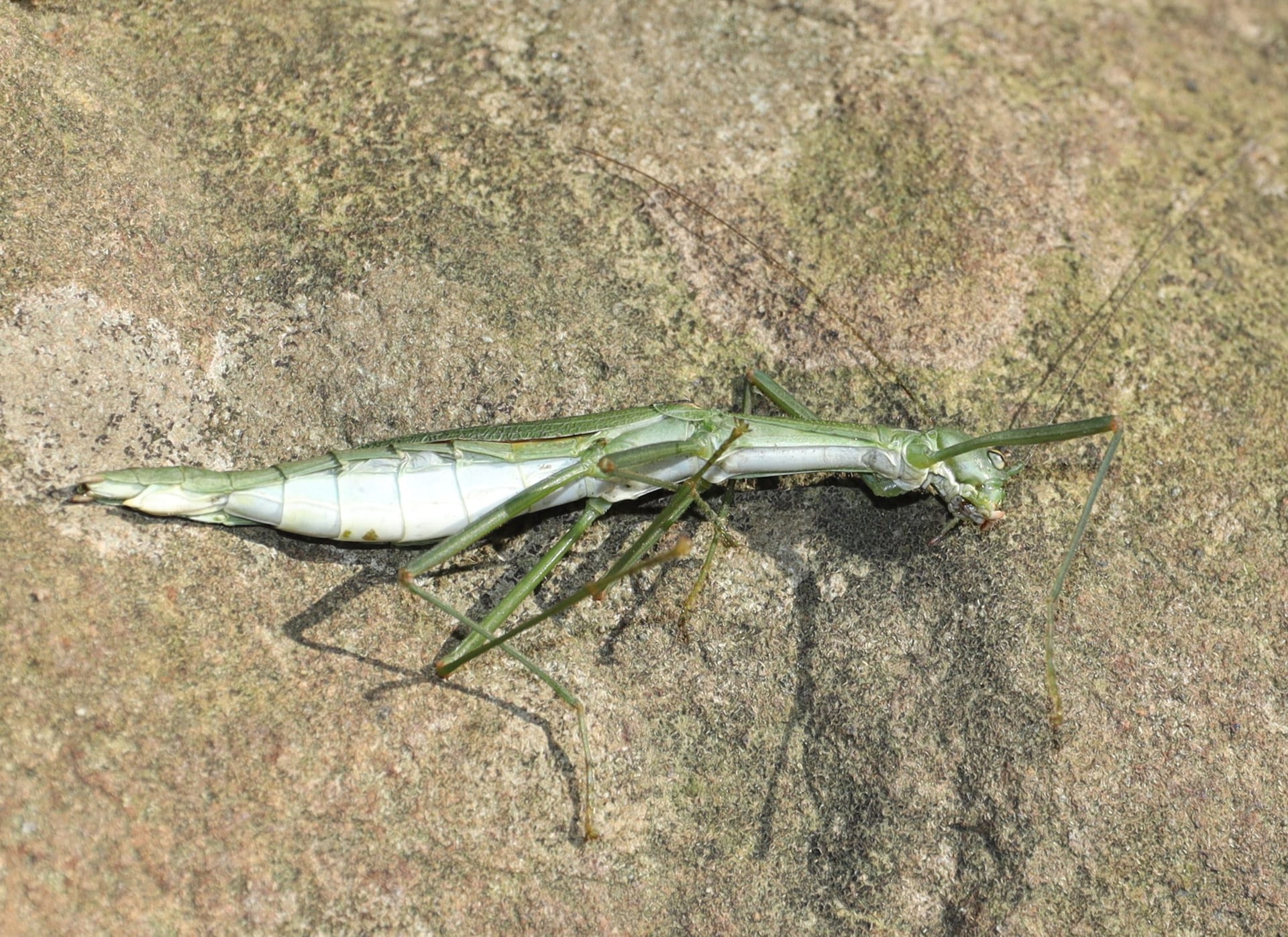
Source: Wikimedia Commons
Japanese Winged Stick Insect
BeginnerMicadina phluctainoides
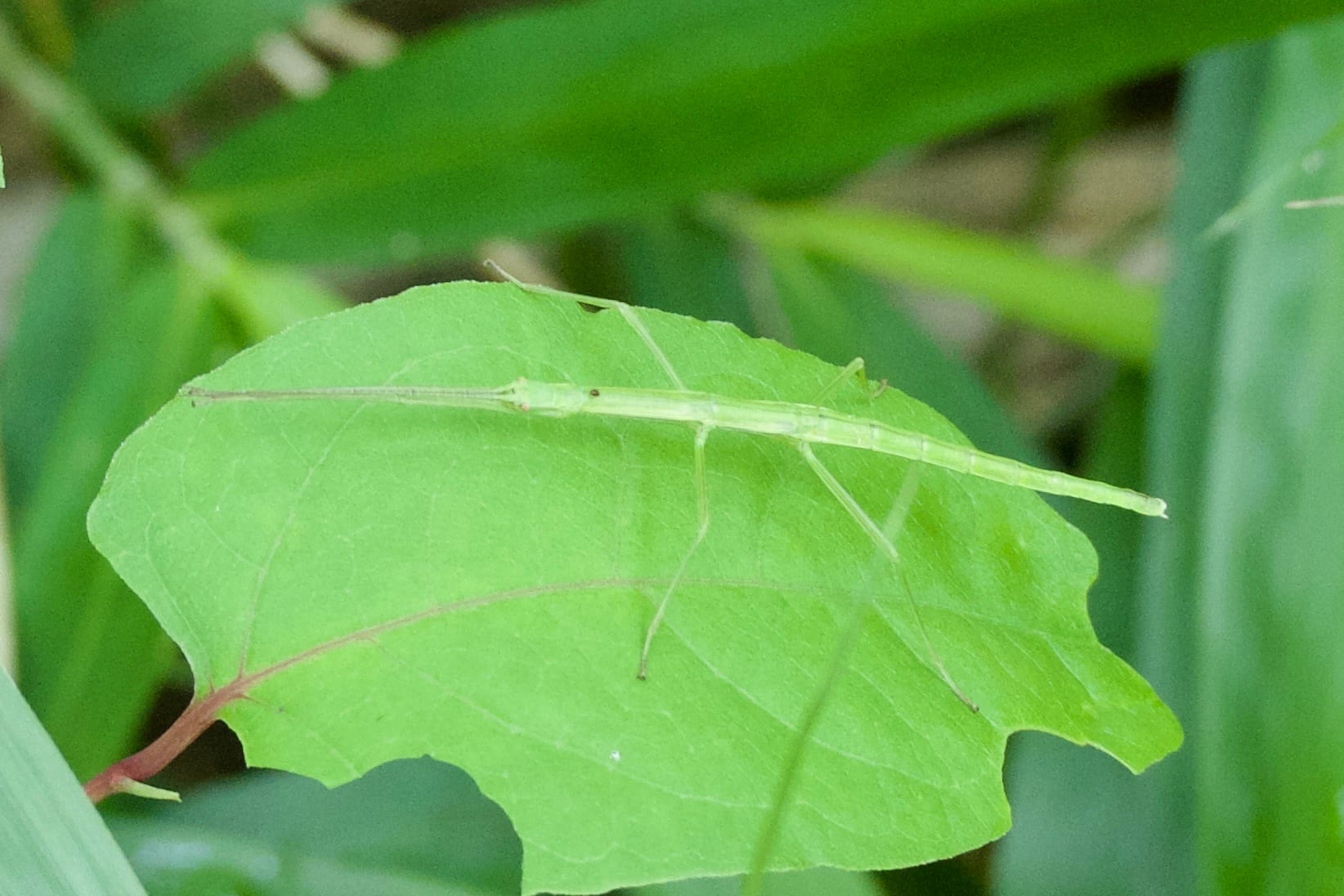
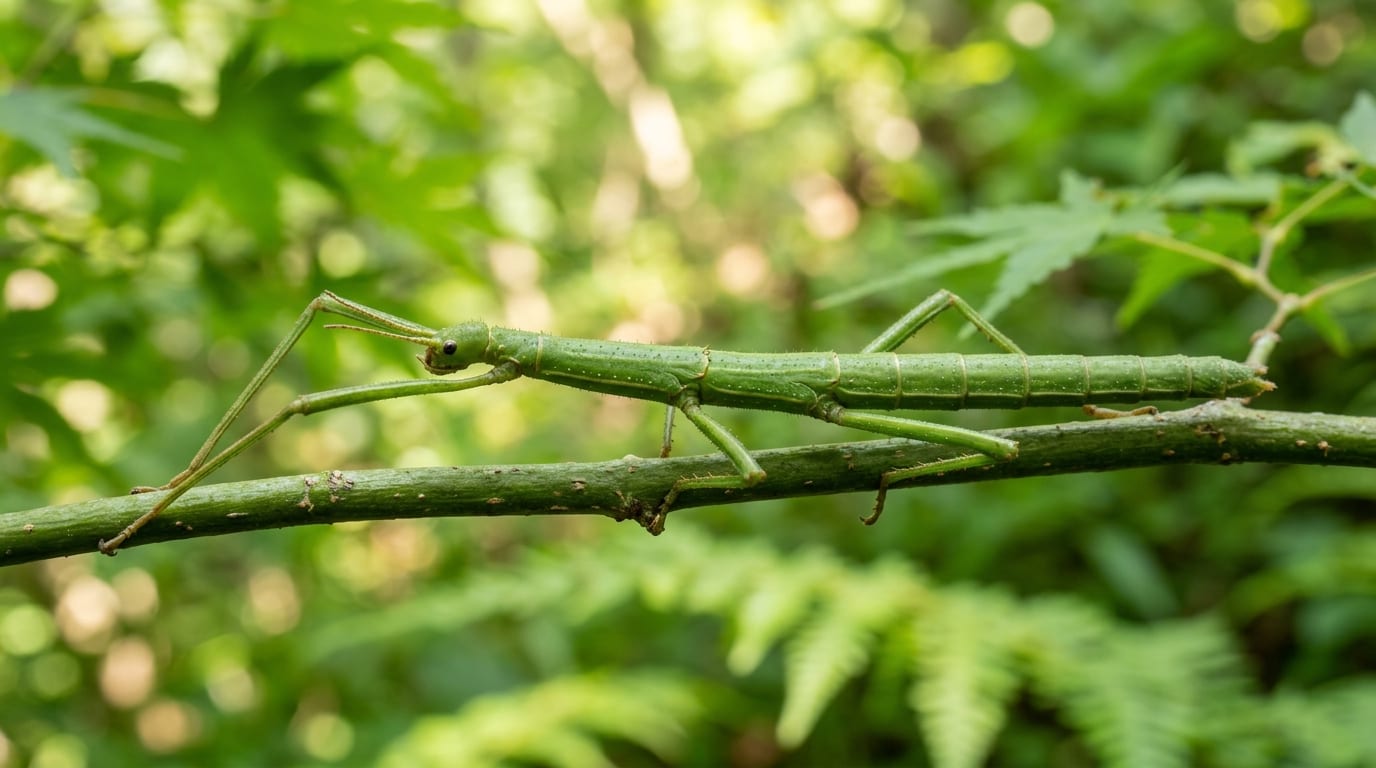
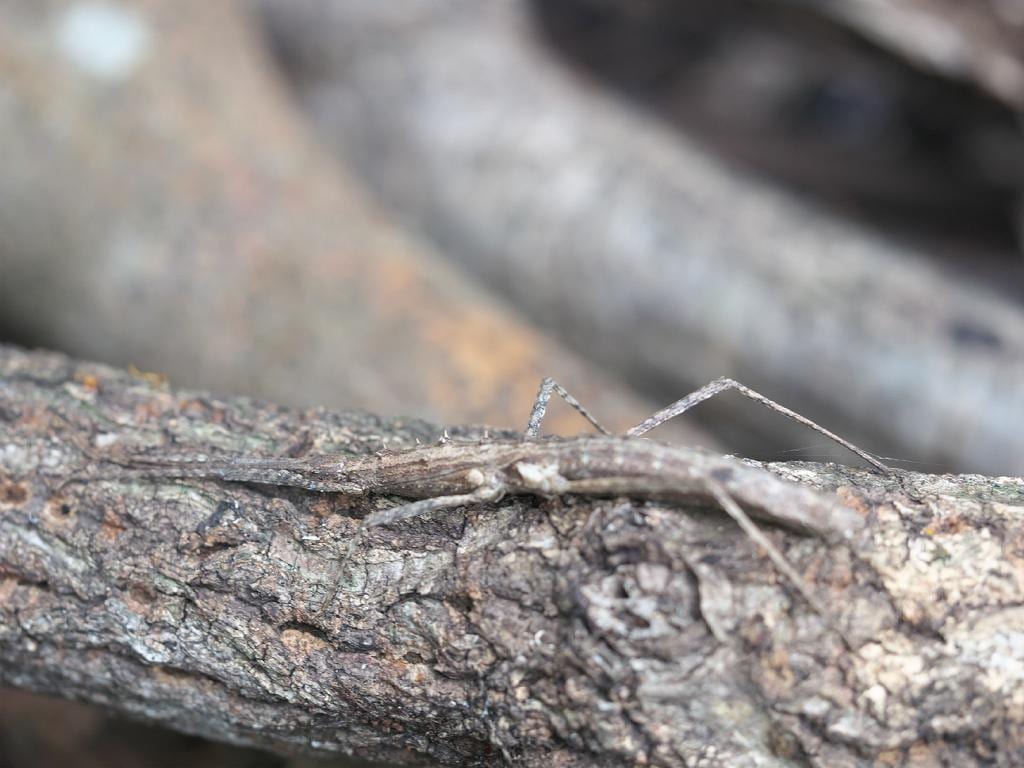
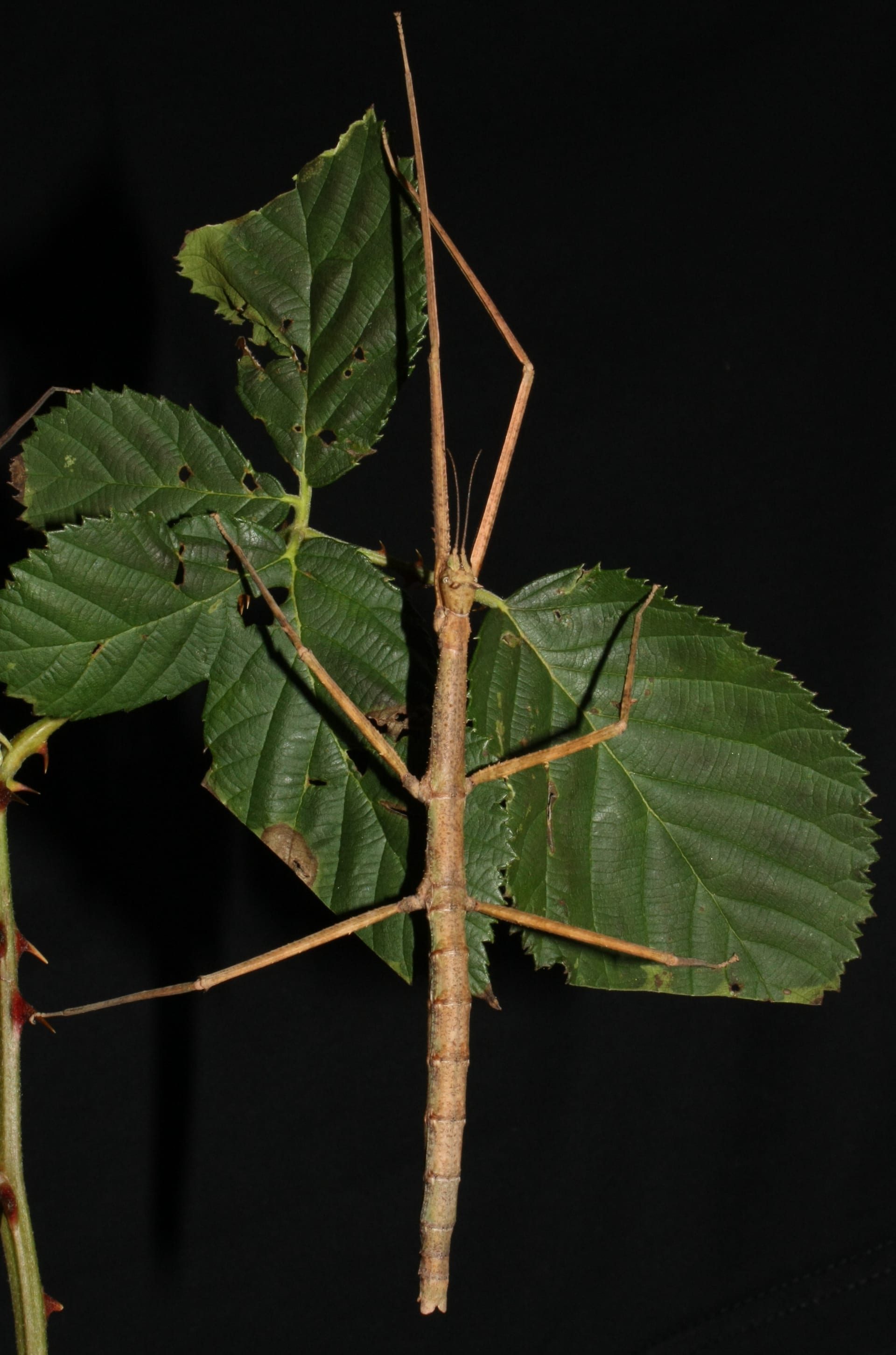
A small winged stick insect, males 36-40mm and females 46-56mm. Honshu populations reproduce by parthenogenesis while those south of Yakushima reproduce sexually, a geographic split that is well documented.
Difficulty
Beginner
Temperature
20〜28℃
Lifespan
Adults 2-4 months
Size
Males 36-40mm, females 46-56mm
Humidity
60〜80%
Diet
The leaves of broadleaf trees
About
Micadina phluctainoides is a small stick insect found chiefly from Honshu west of Ibaraki through Shikoku, Kyushu, Amami Oshima, Okinawa and Kumejima. It is also known as the Japanese winged stick insect, with males measuring 36-40mm and females 46-56mm. Its wings are what the Japanese name refers to, and it belongs to the group that has kept the traits associated with flight. Reproduction splits geographically: Honshu insects reproduce by parthenogenesis while those south of Yakushima reproduce sexually. Micadina rotundata, once described as a separate species, is now treated as the same animal. Congeners such as M. yasumatsui and M. fagi are parthenogenetic with no male known. Because the Japanese name covers several of these species, identification is safest by scientific name.
Source: Wikipedia (CC BY-SA 4.0)
Lifespan of the Japanese Winged Stick Insect
The Japanese Winged Stick Insect lives Adults 2-4 months.
Size of the Japanese Winged Stick Insect
The Japanese Winged Stick Insect grows to Males 36-40mm, females 46-56mm.
Basic Info
Origin
Japan (Honshu chiefly west of Ibaraki, Shikoku, Kyushu, Amami Oshima, Okinawa and Kumejima)
Lifespan
Adults 2-4 months
Size
Males 36-40mm, females 46-56mm
Temperature
Care Specifications
PeacefulSolitaryBreeding: Easy
Sources: Stick insects - Wikipedia (JA); accounts of the Japanese species, life cycle and parthenogenesis / GBIF: Micadina phluctainoides (Rehn, 1904)
References & Sources
Edited & verified by: BreederDirect editorial team
The taxonomic, regulatory, and husbandry data on this page are compiled and verified against the authoritative primary sources below.
Taxonomy & Authority
Accepted name: Micadina phluctainoides (Rehn, 1904)
Synonyms: Micadina rotundata
Authority databases: GBIF
Nomenclature follows global taxonomic authority databases.
Regulations & Conservation Status
Not CITES-listed
Sources: CITES Appendix (checklist.cites.org)
Regulations may change. Always verify the latest information with the relevant authorities.
Japanese Winged Stick Insect Listings
Loading latest listingsFind listings for this species