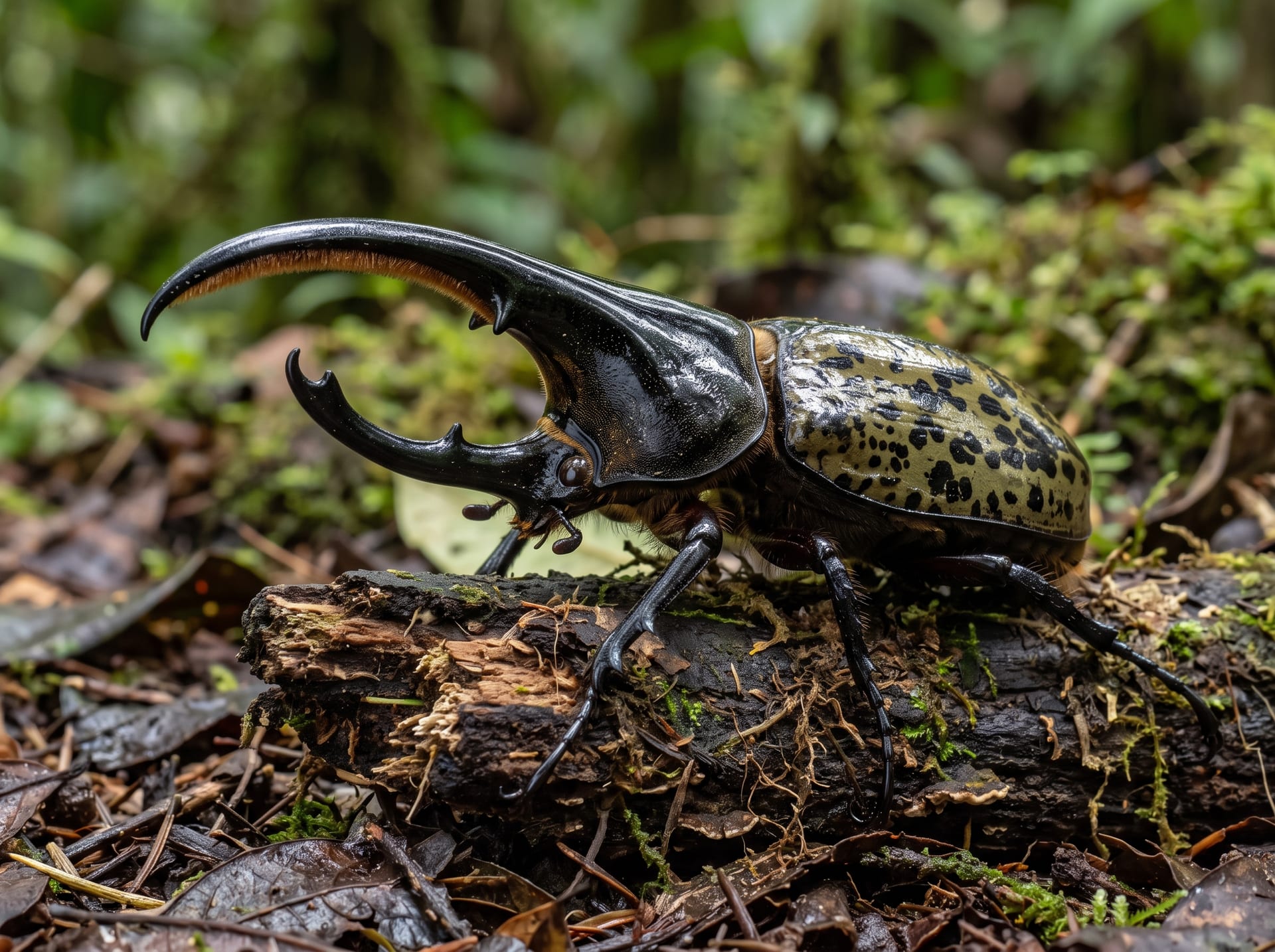
Hercules Occidentalis
Hercules Occidentalis is a subspecies of the Hercules beetle native to the Pacific-side mountain ranges stretching from southern Panama through western Colombia to northwestern Ecuador. Its signature feature is a slender, elongated thoracic horn that gives it an especially graceful silhouette. Alongside the well-known "Ricky" subspecies, it helped drive the beetle-keeping boom of the early 2000s. Males can reach 70 to 164mm, while adults typically live 8 to 12 months. Its size and specific care needs make it a species best suited to experienced keepers rather than beginners. It is not subject to CITES.
View Hercules Occidentalis encyclopedia →Breeder Wanted!
List on BreederDirect and sell directly to customers nationwide!
BreederDirect's 6 Transparency Commitments
When listing Insects, Breeders disclose the following. We guarantee transparency on growth stage and breeding unit.
- Life Stage Clarity
- Generation Info
- Real Photos
- Breeding Unit
- Country of Origin
- Body Length (mm)
Browse all 336 breeds
Verified breeders wanted for Insects
Breeders are signing up now ahead of launch. Subscribe to be notified when new listings go live.
Getting alerts is free with a member account. When new listings match your saved search, we'll notify you by email and in-app.
Browse other categories
Verified breeders (preview)
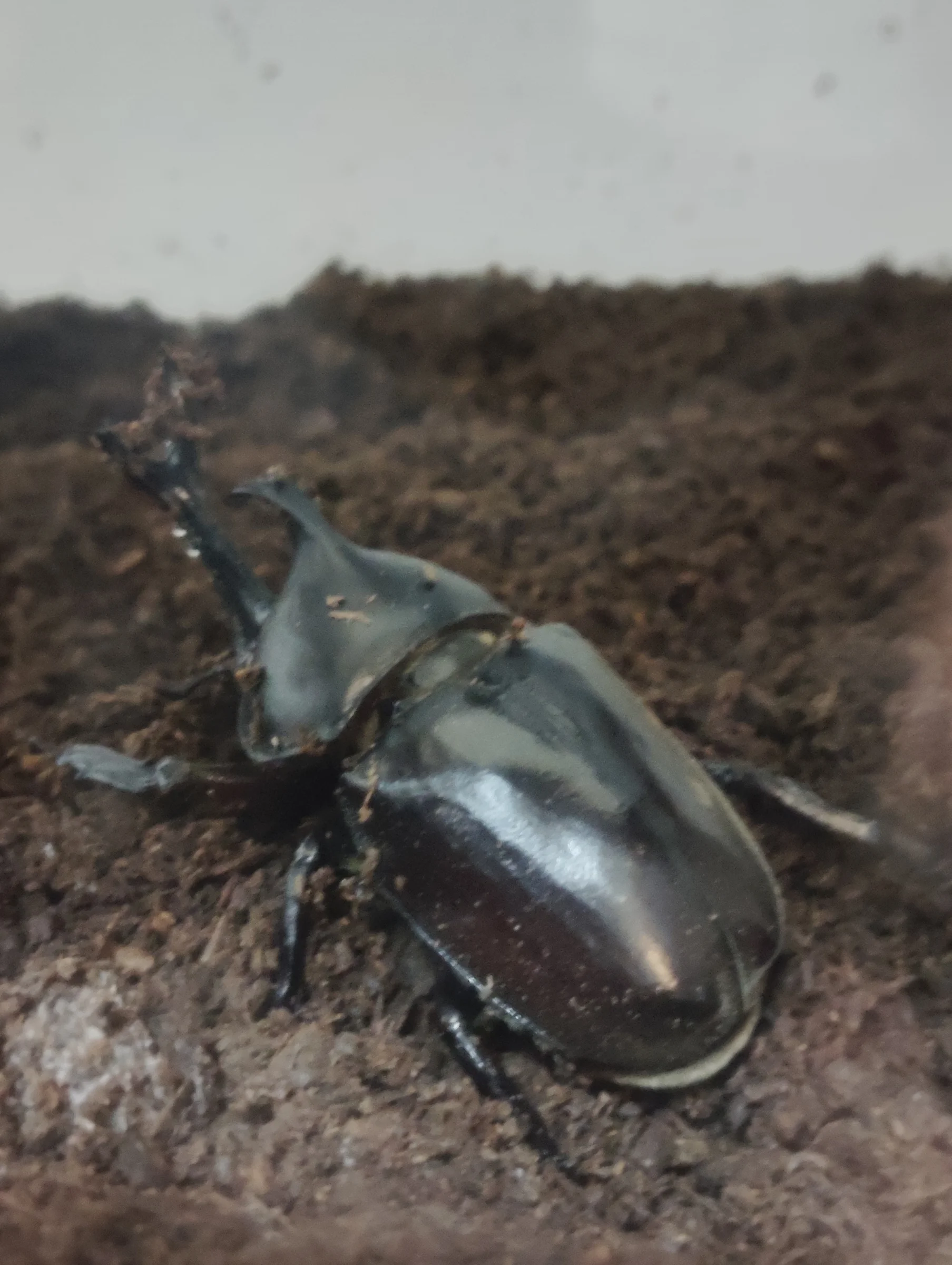
Hercules Occidentalis key facts
- Care level
- Advanced
- Lifespan
- Adults 8-12 months
- Size
- Males 70-164 mm / females 50-75 mm
- Temperature
- 20〜26℃
- Diet
- Beetle jelly, banana
- Temperature & Humidity
- Keep at roughly 20-26 C and avoid Japanese summer heat. A montane subspecies that dislikes stuffy heat.
- Breeding & Egg-laying
- Females lay in fermented substrate packed 20 cm or deeper. Rear larvae singly in roughly 10 L containers; the larval period is long, 1-1.5 years for females and 1.5-2 years for males, and shortens at higher temperatures.
- Cohabitation
- Basically mild-tempered, but fights over food, so keep singly. Very rarely a male crushes and kills a female, so never leave a pair unattended.
- Lifespan & Rearing Period
- Adults live about 8-12 months. Egg to emergence takes 1.5-2.5 years, so patience is needed.
- Health & Notes
- The thoracic and cephalic horns pinch very hard, so keep fingers clear. A cramped enclosure stresses males and shortens their life. Long-horned males tip over easily, so add footholds.
About Hercules Occidentalis
Hercules Occidentalis is a Hercules beetle subspecies known for its long, slender horn. Adults live 8-12 months and males reach up to 164mm. It's an advanced-level species and is not subject to CITES.
7 things to know before welcoming a Hercules Occidentalis
1Advanced-Level Care
Hercules Occidentalis requires careful control of temperature, humidity, and diet, making it a beetle best suited to experienced keepers. It's wise to build up beetle-keeping experience before taking one on.
2Horn Length Varies
The subspecies' signature slender horn varies in length between individuals and rearing conditions. Larval nutrition and temperature during development are thought to influence the adult horn's final length.
3Lifespan: 8-12 Months
Adults typically live around 8 to 12 months. How long they stay active depends on care after emergence, so daily observation matters.
4Male vs Female Size
Males can grow to 70-164mm, while females reach around 50-75mm. Raising a large male takes careful management starting from the larval stage.
5Needs Spacious Housing
Large males are quite active and need a roomy enclosure. Cramped housing can damage their horn or legs.
6Avoid Heat and Stuffiness
This is a montane subspecies that is sensitive to stuffy air and high temperatures. Aim for about 20 to 26°C, avoid the heat of Japanese summers, and keep the temperature stable for successful long-term care.
7Prepare Before Bringing Home
Set up the enclosure, substrate, and feeding area before bringing your beetle home. Since this is an advanced-level species, it's worth researching care details in advance.
Frequently asked questions about Hercules Occidentalis
- Q.Can beginners keep this beetle?
- A.Hercules Occidentalis is considered a species for experienced keepers. It requires careful temperature and humidity control along with a spacious enclosure, so it's best to gain beetle-keeping experience first.
- Q.How big does it grow?
- A.Males reach roughly 70 to 164mm, while females grow to about 50 to 75mm. Horn length and body size vary between individuals.
- Q.What's its lifespan?
- A.Adults typically live around 8 to 12 months after emerging. Including the larval stage, it's an insect you can enjoy for a good while longer.
- Q.How does it differ from other Hercules subspecies?
- A.Its standout feature is a slender, elongated thoracic horn that gives it a graceful silhouette. It's native to the Pacific coast from southern Panama to northwestern Ecuador.
- Q.Are there any legal restrictions?
- A.Hercules Occidentalis is not subject to CITES.
Useful tools for Hercules Occidentalis care
Learn more about Hercules Occidentalis in the encyclopedia
View Hercules Occidentalis encyclopedia entry →
Care difficulty, lifespan, size and diet — all basics covered.
More in this category
Can't find the one you're looking for?
Post your wishes for free and breeders with matching animals will contact you with introductions.