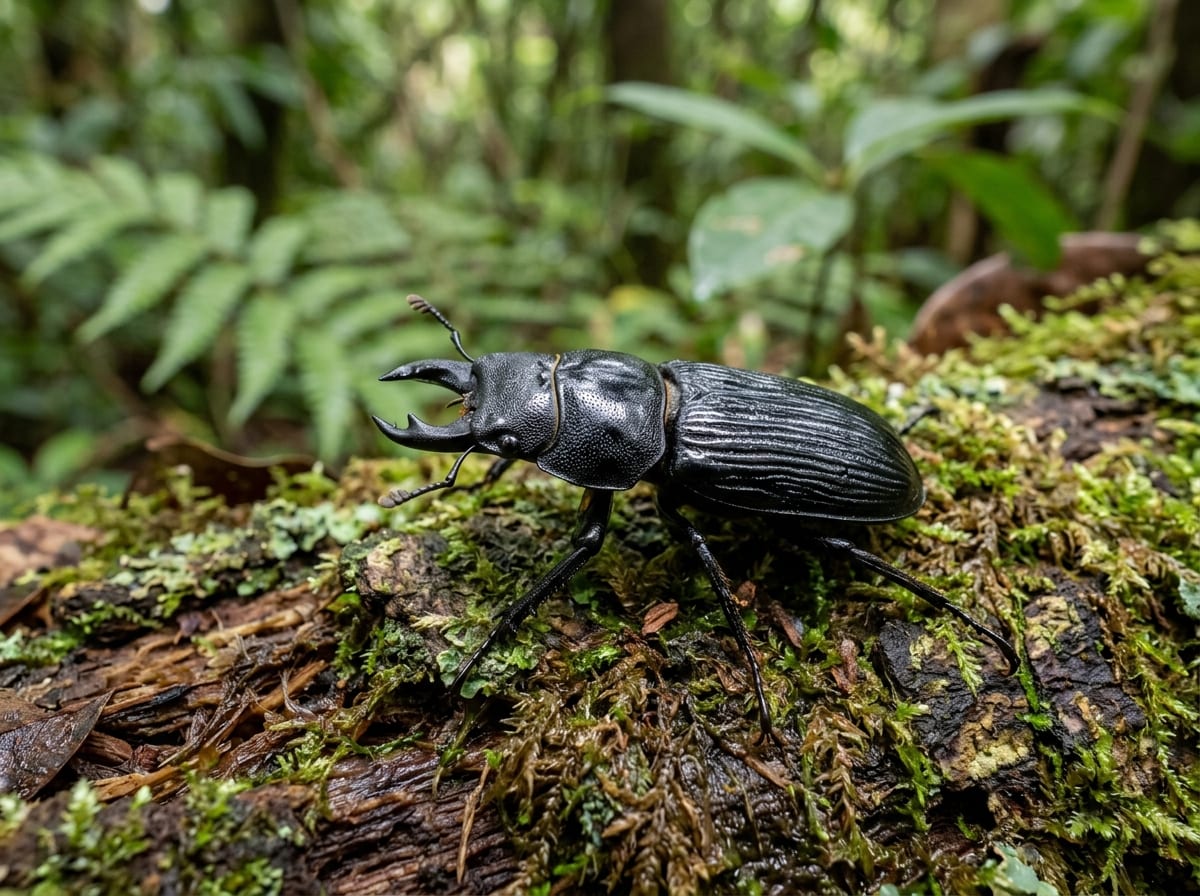
Ogasawara stag beetle
The Ogasawara stag beetle is a black nebuto stag beetle found only in the Ogasawara Islands. It has a notably thick base to its mandibles and bold longitudinal ridges running along its elytra, giving it a sturdier build than many of its relatives. The population on Chichijima is treated as a distinct subspecies, the Chichijima nebuto stag beetle, and keepers typically separate stock by island of origin. Considered suitable for intermediate keepers, it calls for some experience managing temperature and humidity. As a species endemic to this remote island chain, it holds a quiet rarity that appeals to keepers who enjoy careful, patient observation.
View Ogasawara stag beetle encyclopedia →0% commission on your first sales!Register by September 30, 2026 and your first 2 sales are commission-free!
Breeder Wanted!
List on BreederDirect and sell directly to customers nationwide!
6 Transparency Standards You Can Trust
When listing Insects, Breeders disclose the following. We guarantee transparency on growth stage and breeding unit.
- Life Stage Clarity
- Generation Info
- Real Photos
- Breeding Unit
- Country of Origin
- Body Length (mm)
Browse all 336 breeds
Verified breeders wanted for Insects
Breeders are signing up now ahead of launch. Subscribe to be notified when new listings go live.
Getting alerts is free with a member account. When new listings match your saved search, we'll notify you by email and in-app.
Browse other categories
Verified breeders (preview)
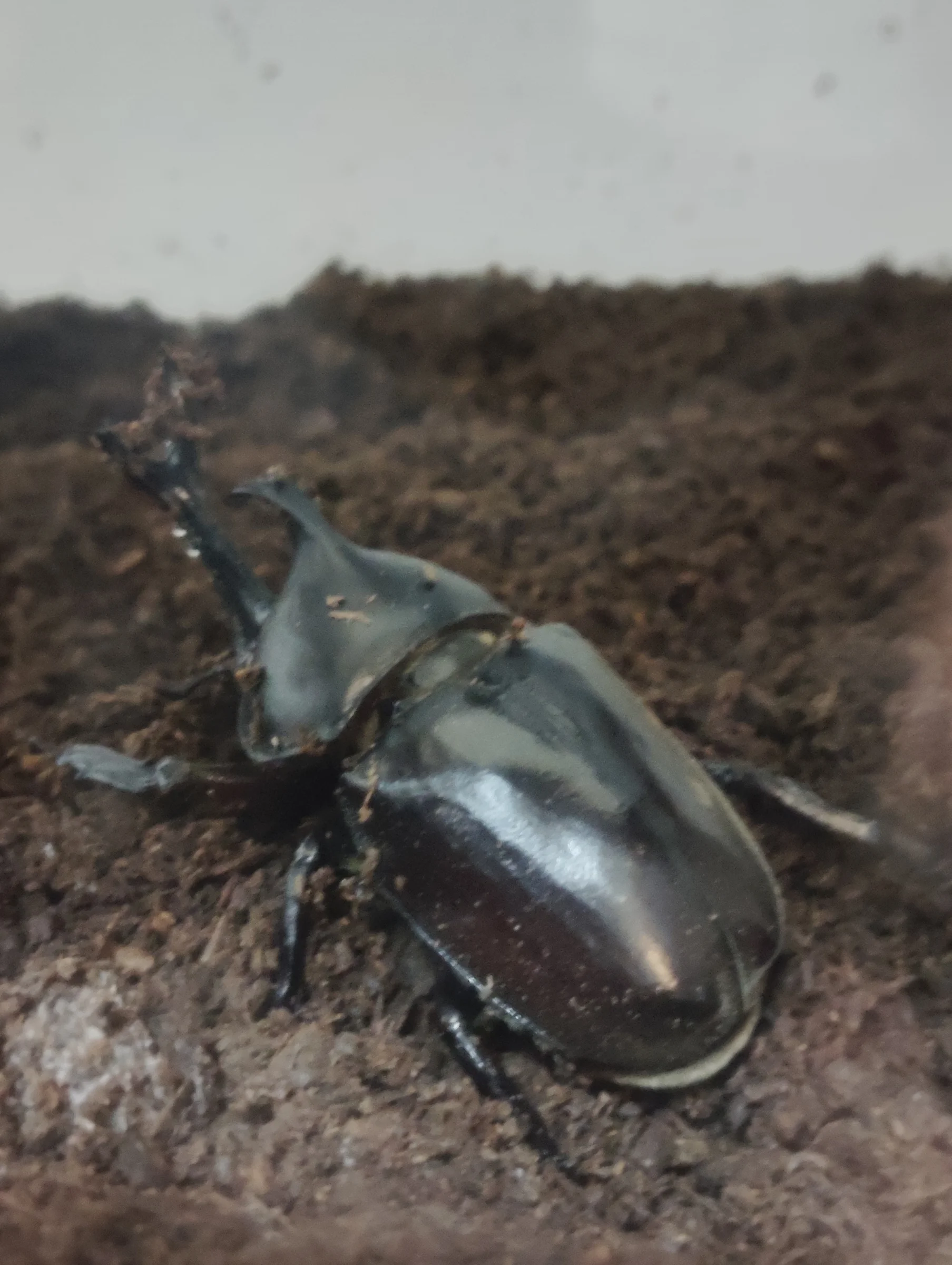
Ogasawara stag beetle key facts
- Care level
- Intermediate
- Lifespan
- Little data (adults of the related A. laevicollis live one to a few months in the wild)
- Size
- Captive record 28.7mm (male), wild record 26.0mm (nominate subspecies)
- Diet
- Adults take sap or beetle jelly; larvae eat well-decayed wood and humus-rich substrate
- Temperature & Humidity
- There is little temperature data for this species. It comes from subtropical islands, so avoid winter cold, and keep the substrate moist enough to hold its shape when squeezed.
- Breeding & Egg-laying
- Aegus larvae feed less on the wood itself than on the soil-like humus left by termites. The related A. laevicollis readily lays in flaky, termite-worked parts of rotten conifer wood, so provide plenty of well-decayed wood and humus-rich substrate.
- Cohabitation
- Males fight with their mandibles, so keep adults singly and put pairs together only for mating.
- Lifespan & Rearing Period
- In the related A. laevicollis adults live only one to a few months after emerging. Larval duration for this species is poorly documented.
- Health & Notes
- The Chichijima population is a separate subspecies, so never cross stock from different islands and keep the island name on every container. As an Ogasawara endemic, captive beetles must never be released.
About Ogasawara stag beetle
A black stag beetle endemic to Japan's Ogasawara Islands, known for its thick mandible base and ridged elytra. The Chichijima population is a distinct subspecies, and it suits intermediate-level keepers.
7 things to know before welcoming a Ogasawara stag beetle
1Know the Locality and Subspecies
The Ogasawara stag beetle is endemic to the Ogasawara Islands, and the population on Chichijima is classified as a separate subspecies, the Chichijima nebuto stag beetle. Keepers commonly maintain bloodlines by island of origin, so it's worth checking the locality label before bringing one home.
2Mandible and Elytra Features
A thick, raised base to the mandibles and bold longitudinal ridges on the elytra are this species' defining visual traits. Compared with other nebuto stag beetles, it has a notably sturdy build, which also helps with identification.
3Suited to Intermediate Keepers
This species is generally considered suitable for intermediate keepers, requiring some experience with temperature and humidity management. If this would be your first insect, it's a good idea to research care requirements before bringing one home.
4Limited Lifespan Data
Detailed data on the lifespan of the Ogasawara stag beetle specifically is limited. In related nebuto stag beetle species, adults are known to remain active in the wild for one to several months, which is sometimes used as a rough reference for captive care.
5Adult Size Reference
Recorded adult sizes include a captive-bred record of 28.7mm for males and a wild record of 26.0mm for the nominate subspecies. These are record figures, and actual individuals will vary.
6Prepare the Habitat First
Before bringing one home, it's important to prepare a space where you can manage temperature and humidity, along with suitable insect substrate and other basic supplies. Setting up the habitat in advance, informed by the ecology of related species, will help you feel prepared.
7Confirm Locality Before You Buy
As a species endemic to the Ogasawara Islands, with the Chichijima population recognized as a distinct subspecies, bloodlines differ by island. When choosing one, check the locality and subspecies labeling carefully and look for an individual with clear provenance.
Frequently asked questions about Ogasawara stag beetle
- Q.Where does the Ogasawara stag beetle live?
- A.It is a stag beetle endemic to the Ogasawara Islands, found nowhere else. The population on Chichijima is classified as a distinct subspecies, the Chichijima nebuto stag beetle, and localities differ by island.
- Q.How large does it grow?
- A.Recorded adult sizes include a captive-bred record of 28.7mm for males and a wild record of 26.0mm for the nominate subspecies. These are record figures, so individual size will vary.
- Q.How long does it live?
- A.Detailed lifespan data specific to this species is limited, but related nebuto stag beetles are known to remain active as adults in the wild for one to several months. This range can be used only as a rough reference for captive care.
- Q.Is this species suitable for beginners?
- A.It's generally considered suitable for intermediate keepers, so if you're new to insect keeping, it's a good idea to learn the basics of temperature and humidity management before bringing one home. Building experience first will make the process smoother.
- Q.Are individuals from Chichijima the same as those from other islands?
- A.The Chichijima population is classified as a distinct subspecies, the Chichijima nebuto stag beetle, genetically separate from populations on other islands. In captivity, it's common practice to keep bloodlines separated by locality.
Useful tools for Ogasawara stag beetle care
Learn more about Ogasawara stag beetle in the encyclopedia
View Ogasawara stag beetle encyclopedia entry →
Care difficulty, lifespan, size and diet — all basics covered.
More in this category
Can't find the one you're looking for?
Post your wishes for free and breeders with matching animals will contact you with introductions.