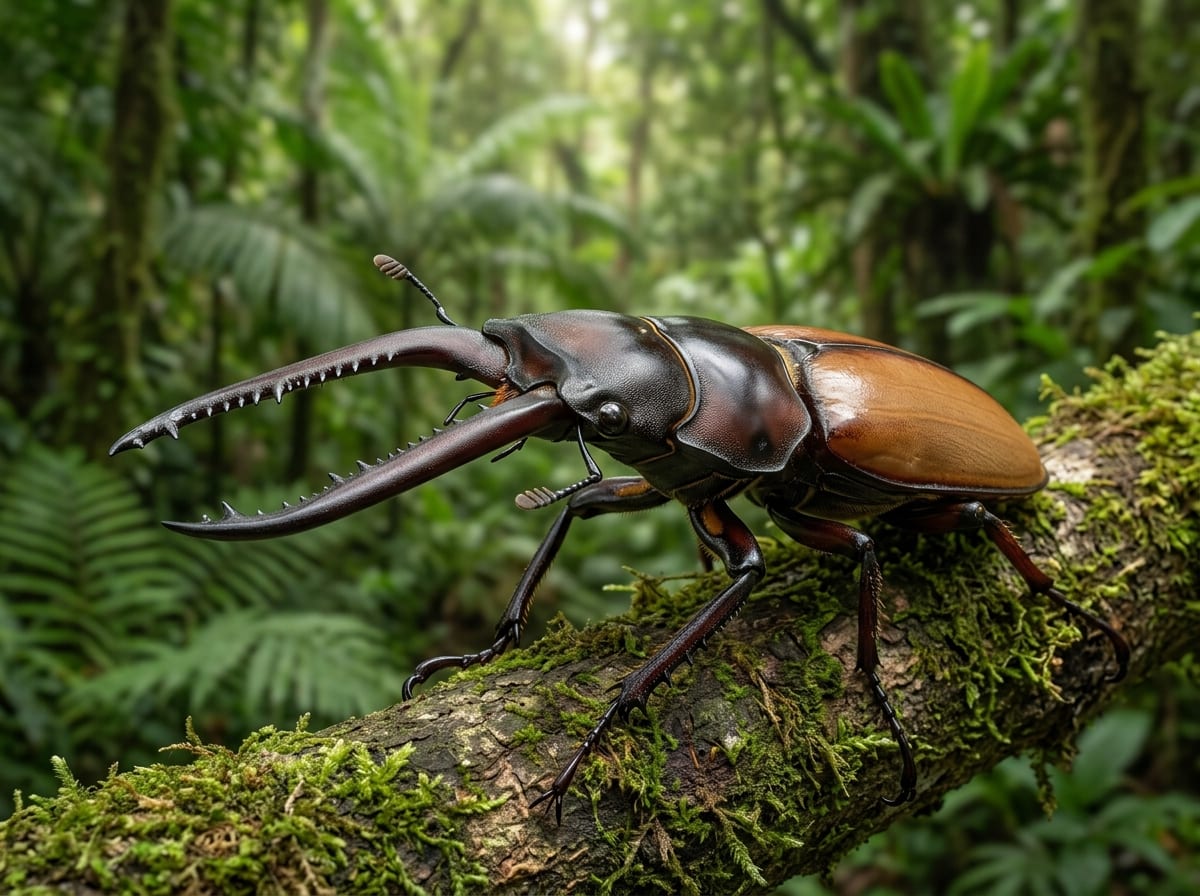
Dorsalis saw stag beetle
The Dorsalis saw stag beetle is recorded mainly from the Philippines and is prized among keepers for its striking difference between the sexes. Males have mandibles that change shape dramatically with body size, so no two individuals look quite alike. BE-KUWA lists the nominotypical subspecies separately from the larger subspecies hiromii; the captive-reared records for males are 57.8mm for the nominotypical form and 73.0mm for hiromii, and the captive record for females is 40.6mm. Because it calls for some prior experience to keep well, it's best suited to intermediate keepers who enjoy following how each beetle's jaw develops and comparing the two subspecies side by side.
View Dorsalis saw stag beetle encyclopedia →Breeder Wanted!
List on BreederDirect and sell directly to customers nationwide!
BreederDirect's 6 Transparency Commitments
When listing Insects, Breeders disclose the following. We guarantee transparency on growth stage and breeding unit.
- Life Stage Clarity
- Generation Info
- Real Photos
- Breeding Unit
- Country of Origin
- Body Length (mm)
Browse all 336 breeds
Verified breeders wanted for Insects
Breeders are signing up now ahead of launch. Subscribe to be notified when new listings go live.
Getting alerts is free with a member account. When new listings match your saved search, we'll notify you by email and in-app.
Browse other categories
Verified breeders (preview)
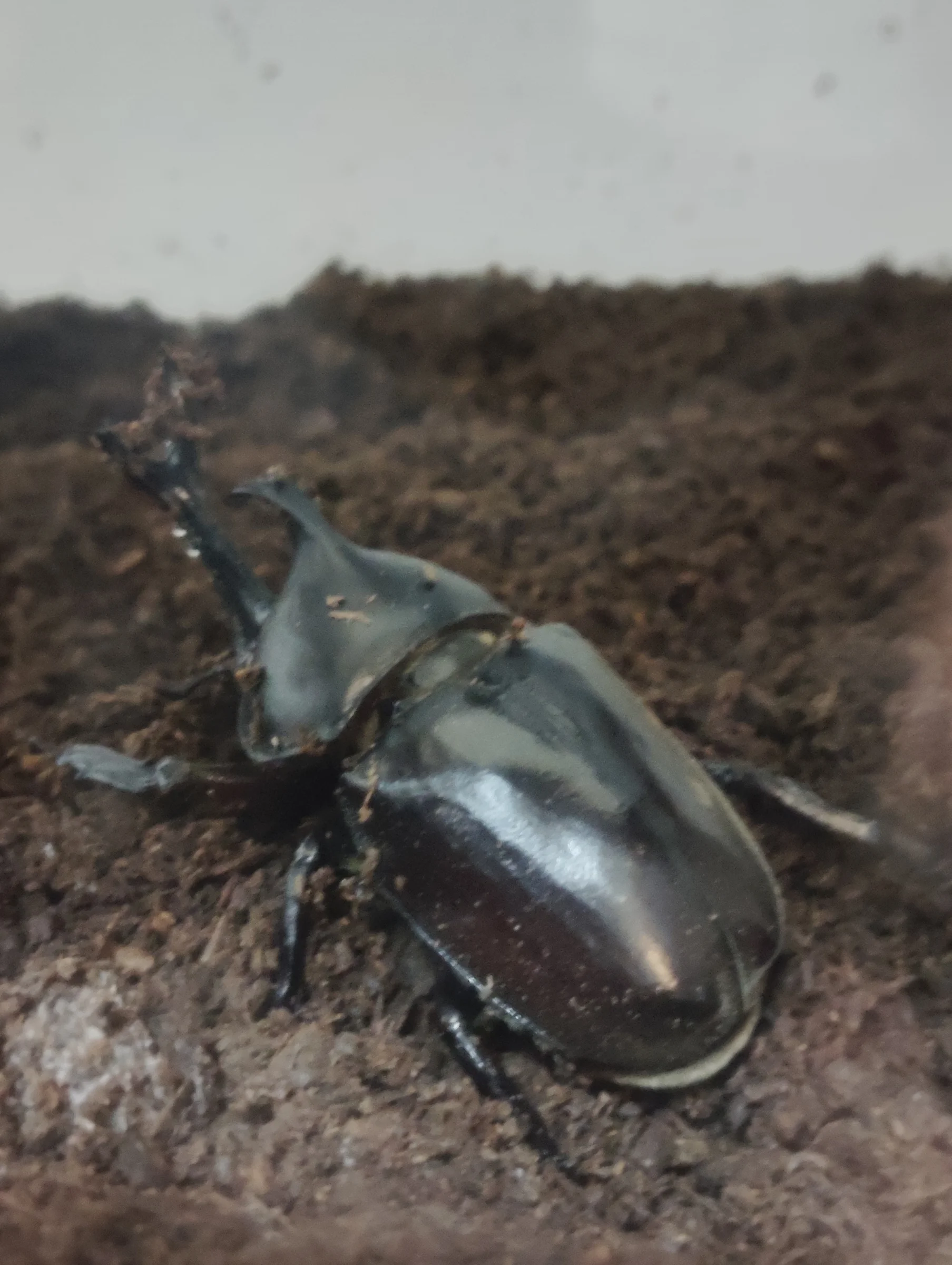
Dorsalis saw stag beetle key facts
- Care level
- Intermediate
- Size
- Captive records 57.8mm (male, nominate), 73.0mm (male, hiromii), 40.6mm (female)
- Diet
- Adults take beetle jelly; larvae eat rotten wood and fermented substrate
- Temperature & Humidity
- There is little numeric temperature data. Avoid extremes of heat and cold and keep the substrate from drying out.
- Breeding & Egg-laying
- The genus has a life cycle close to Dorcus, with larvae growing on rotten wood and humus. Provide fermented substrate or a laying log.
- Cohabitation
- Males are combative, so keep adults singly and together only for mating.
- Lifespan & Rearing Period
- Larval duration and adult lifespan are poorly documented.
- Health & Notes
- The nominate form and hiromii differ greatly in size, so confirm subspecies and locality and keep lines separate. Importing foreign stag and rhinoceros beetles is regulated by the Plant Protection Act and the Invasive Alien Species Act (species-name certificate), with each species needing clearance from the Plant Protection Station, so domestically bred stock is the safe choice. Never release captive beetles.
About Dorsalis saw stag beetle
Dorsalis saw stag beetle from the Philippines, known for size-dependent mandible shapes and two named subspecies. An intermediate-level species valued for its striking size difference between sexes.
7 things to know before welcoming a Dorsalis saw stag beetle
1Mandibles Shift with Size
The most distinctive trait of this species is that a male's mandible shape changes with his body size. Small and large males can look almost like different species, which makes comparing individuals part of the appeal.
2Two Recognized Subspecies
BE-KUWA lists the nominotypical subspecies separately from subspecies hiromii, with hiromii tending to grow larger. It's worth confirming which subspecies you're getting before bringing one home.
3A Striking Size Gap Between Sexes
This species is known for the large size difference between males and females. The captive record for females is 40.6mm, well below the male records (57.8mm for the nominotypical subspecies and 73.0mm for hiromii). Actual size varies from individual to individual.
4Best Suited to Intermediate Keepers
This species is generally considered suitable for intermediate-level keepers. Some prior experience with other stag beetles helps with day-to-day care and observing how the mandibles develop.
5Lifespan Data Is Limited
Reliable lifespan data for this species is still scarce, so there's no well-established benchmark to plan around. It's best to care for each individual based on its condition rather than assuming a fixed lifespan.
6Basic Habitat Upkeep
A cluttered or overly dry enclosure makes it harder to keep an eye on your beetle's mandibles and condition. Checking the substrate regularly and keeping the enclosure clean is the core of everyday care.
7What to Check Before Bringing One Home
Before acquiring one, it helps to check which subspecies you're getting — nominotypical or hiromii — and take a look at the male's mandible shape. Since this is an intermediate-level species, brushing up on basic care knowledge beforehand is a good idea.
Frequently asked questions about Dorsalis saw stag beetle
- Q.Why do males' mandibles look so different between individuals?
- A.This species' males have mandibles whose shape shifts along with body size. As a result, small and large individuals can look strikingly different from one another, even though they're the same species.
- Q.What's the difference between the nominotypical subspecies and hiromii?
- A.BE-KUWA records them as separate forms, and subspecies hiromii tends to reach a larger size. Captive-reared records reflect this too — 57.8mm for the nominotypical subspecies versus 73.0mm for hiromii.
- Q.How long does this species live?
- A.Lifespan data for this species is still limited, so there's no firm figure to point to. It's best to care for each beetle based on how it's doing rather than a set number of years.
- Q.Can a beginner take on this species?
- A.This species is generally regarded as suited to intermediate keepers. Having cared for other stag beetles beforehand makes day-to-day management and health checks easier to handle.
- Q.How much do males and females differ in size?
- A.According to BE-KUWA captive records, males have reached 57.8mm in the nominotypical subspecies and 73.0mm in hiromii, while the female record is 40.6mm. These are maximum records, so typical individuals are smaller and size varies.
Useful tools for Dorsalis saw stag beetle care
Learn more about Dorsalis saw stag beetle in the encyclopedia
View Dorsalis saw stag beetle encyclopedia entry →
Care difficulty, lifespan, size and diet — all basics covered.
More in this category
Can't find the one you're looking for?
Post your wishes for free and breeders with matching animals will contact you with introductions.