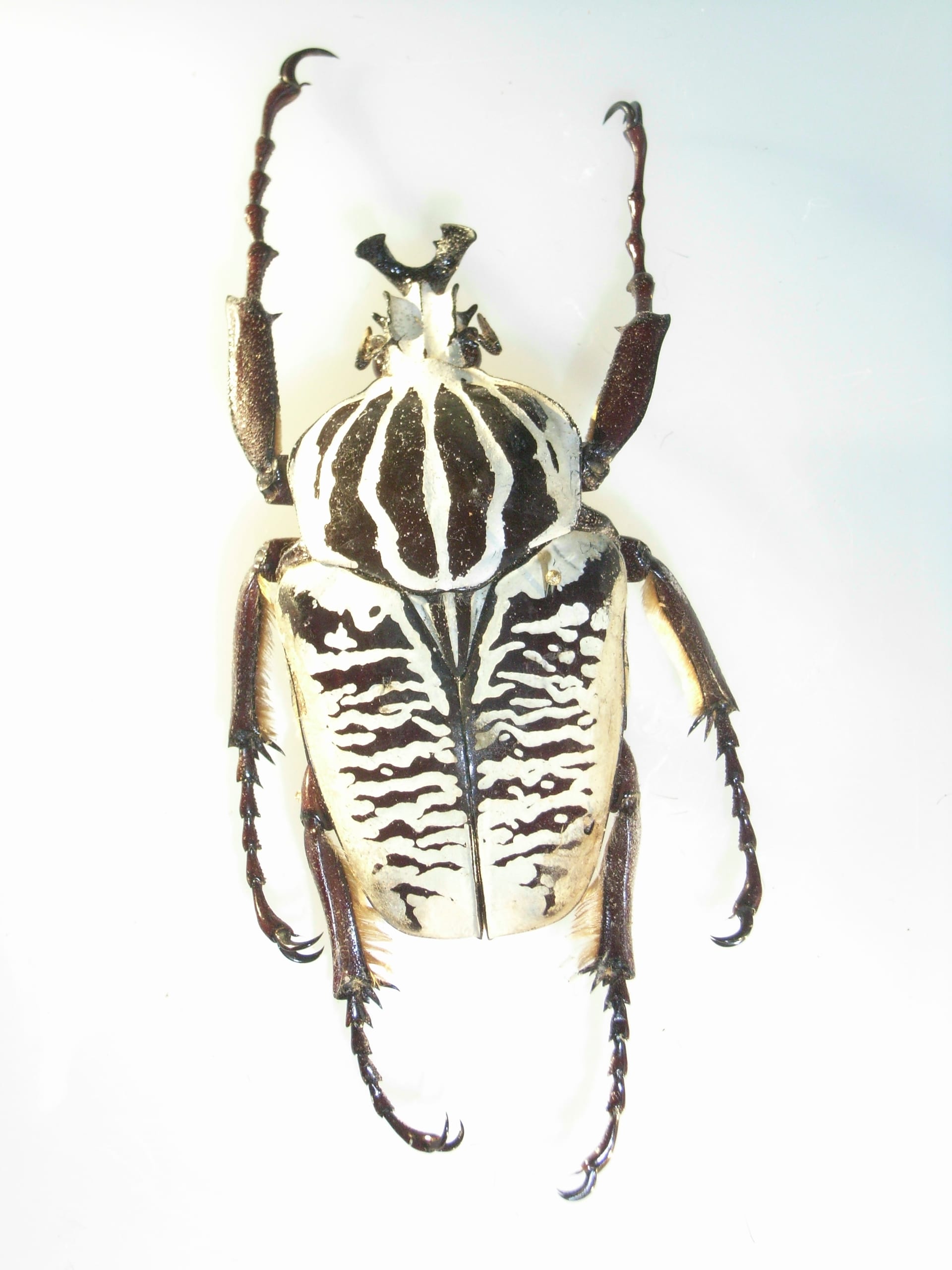
 © Notafly / CC BY-SA 3.0
Albosignatus Goliath Beetle
The Albosignatus Goliath Beetle is the smallest species in the Goliathus genus, found only in the subtropical regions of southern Africa. Its elytra display irregular black bands, so no two individuals look quite alike. Males are easily identified by the hammer-shaped tip of their head horn, a feature unique among Goliathus species. While Albosignatus is considered the easiest Goliathus to breed across generations, keeping it successfully still calls for advanced experience, particularly around temperature and humidity control. It's a compact yet striking beetle well suited to keepers who enjoy a closely managed care routine.
View Albosignatus Goliath Beetle encyclopedia →0% commission on your first sales!Register by September 30, 2026 and your first 2 sales are commission-free!
Breeder Wanted!
List on BreederDirect and sell directly to customers nationwide!
6 Transparency Standards You Can Trust
When listing Insects, Breeders disclose the following. We guarantee transparency on growth stage and breeding unit.
- Life Stage Clarity
- Generation Info
- Real Photos
- Breeding Unit
- Country of Origin
- Body Length (mm)
Browse all 296 breeds
Verified breeders wanted for Insects
Breeders are signing up now ahead of launch. Subscribe to be notified when new listings go live.
Getting alerts is free with a member account. When new listings match your saved search, we'll notify you by email and in-app.
Browse other categories
Verified breeders (preview)
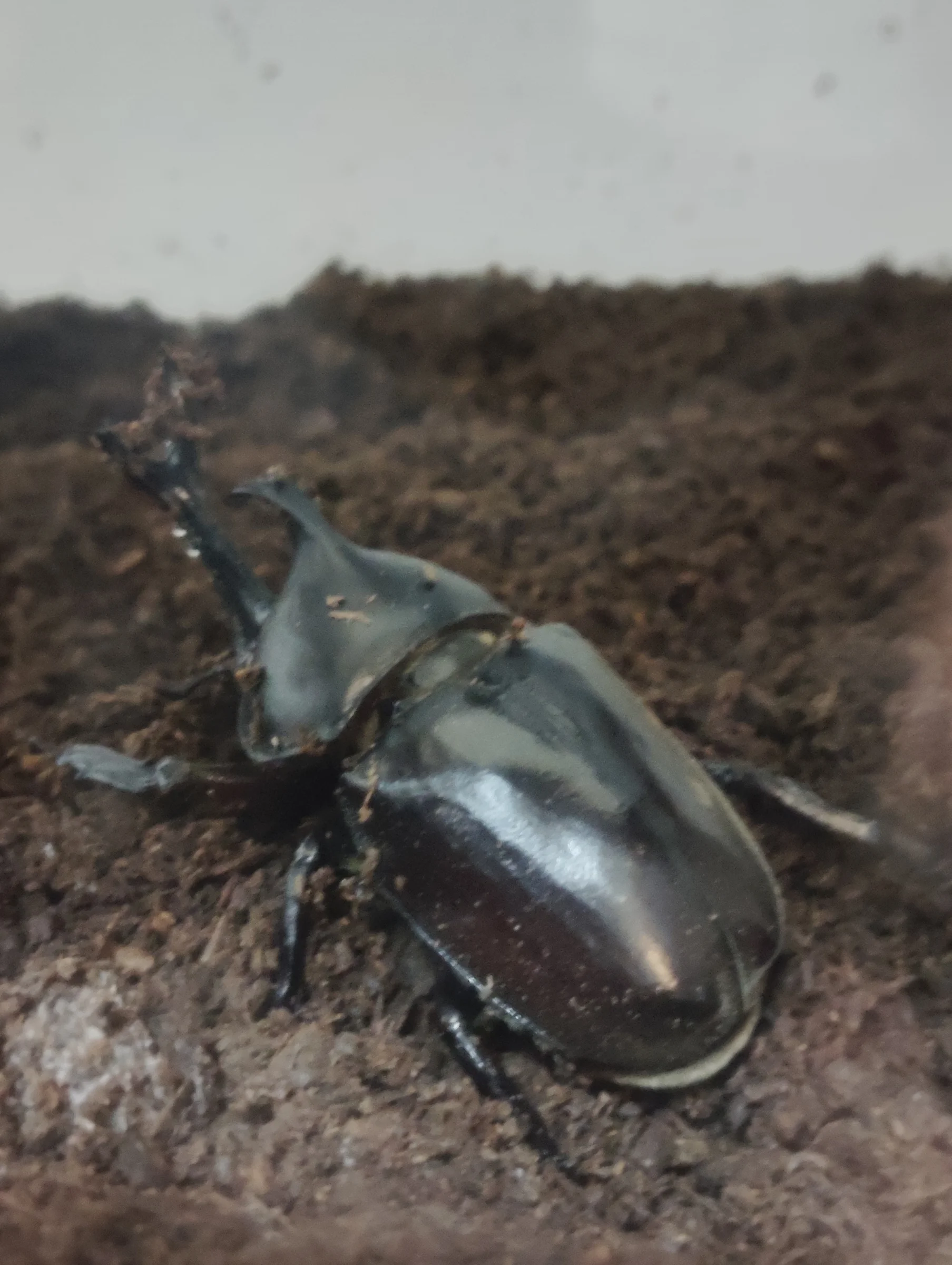
Albosignatus Goliath Beetle key facts
- Care level
- Advanced
- Lifespan
- Adults 4-6 months
- Size
- Males 45-70mm, females 40-50mm
- Diet
- Adults feed on acacia sap; larvae need a high-protein medium
- Temperature & Humidity
- It lives in subtropical woodland and is presumably adapted to cooler conditions than the other Goliathus, so avoid keeping it too warm.
- Breeding & Egg-laying
- Ben's Beetle Breeding Pages rates this as the easiest Goliathus to breed while still calling it a difficult species. Keep the larvae one per container to prevent cannibalism and feed them a high-protein diet. In the wild they are reported to develop in hyrax dung, which is unusual for the genus.
- Cohabitation
- Rear larvae singly. Adult males fight with their horns, so do not house them together or mix the species with others.
- Lifespan & Rearing Period
- Goliathus larvae generally mature in a few months and pass the dry season as pupae; with few records for this species itself, plan along the same lines.
- Health & Notes
- Live stock is scarce, and importing it requires the species identification certificate demanded for live Scarabaeoidea. The nominate form and ssp. kirkianus come from different regions, so do not cross beetles of unknown origin.
About Albosignatus Goliath Beetle
Albosignatus is the smallest Goliathus beetle, native to subtropical southern Africa. Males have a distinctive hammer-shaped head horn tip. It's considered the easiest to breed within the genus, but overall care is recommended for advanced keepers.
7 things to know before welcoming a Albosignatus Goliath Beetle
1Smallest Goliathus Species
Albosignatus is the smallest species within the Goliathus genus. Males reach roughly 45-70mm and females 40-50mm, making it easier to house than the larger Goliathus species.
2Hammer-Shaped Head Horn
Males are distinguished by the hammer-shaped tip of their head horn, a feature that sets them apart from other Goliathus species. The elytra also show irregular black bands, so the pattern varies from one individual to the next.
3Advanced-Level Care Required
Temperature, humidity, and diet all require careful management, so this species is considered suitable for advanced keepers. It's best approached after gaining experience with easier flower beetle species first.
4Easiest to Breed in Genus
Within the Goliathus genus, Albosignatus is considered the easiest species to breed across multiple generations. That said, successful egg-laying and larval rearing still call for proper substrate management and hands-on experience.
5Temperature & Humidity Control
Since this species originates from subtropical regions, maintaining stable temperature and humidity in captivity is essential. Sudden environmental changes can affect its condition, so check the enclosure regularly.
6Diet & Nutrition Management
For both adults and larvae, choosing the right food and replacing it at proper intervals is key to keeping them healthy. Adjust feeding based on their condition while keeping nutritional balance in mind.
7Cage & Substrate Prep
Before bringing one home, prepare an appropriately sized cage and substrate for both adults and larvae. Since this is an advanced-level species, it's wise to research care requirements thoroughly beforehand.
Frequently asked questions about Albosignatus Goliath Beetle
- Q.Can beginners keep this species?
- A.The Albosignatus Goliath Beetle is considered an advanced-level species. It's best to gain experience managing temperature, humidity, and diet before taking one on.
- Q.How can it be told apart from other Goliathus?
- A.The clearest sign is the male's head horn, which flares into a hammer shape at the tip. The irregular black banding on the elytra also varies from individual to individual.
- Q.Do males and females differ in size?
- A.Yes, males typically reach about 45-70mm while females reach about 40-50mm, with males tending to be slightly larger. The presence and shape of the head horn also help distinguish the sexes.
- Q.Is breeding this species difficult?
- A.Within the Goliathus genus, Albosignatus is considered the easiest species to breed across generations. Still, successful egg-laying and larval care require dedicated knowledge and proper substrate management.
- Q.Is this species listed under CITES?
- A.No, the Albosignatus Goliath Beetle is not covered by CITES.
Useful tools for Albosignatus Goliath Beetle care
Learn more about Albosignatus Goliath Beetle in the encyclopedia
View Albosignatus Goliath Beetle encyclopedia entry →
Care difficulty, lifespan, size and diet — all basics covered.
More in this category
Can't find the one you're looking for?
Post your wishes for free and breeders with matching animals will contact you with introductions.