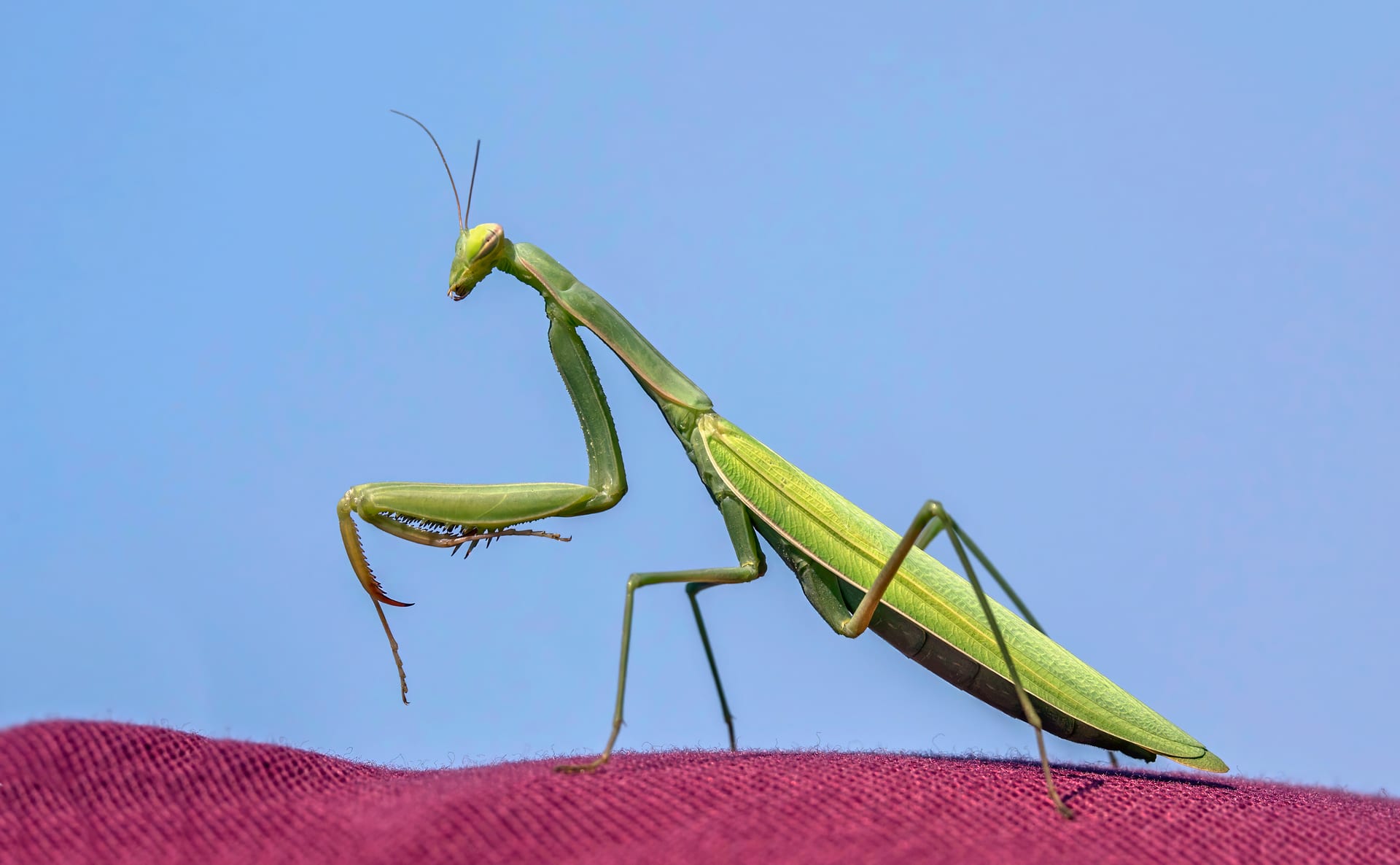
 © Charles J. Sharp / CC BY-SA 4.0
European Mantis
The European Mantis is a widely distributed mantis species found in Japan only in limited grassy habitats such as riverbanks and wetlands. Its key identifying feature is a black spot with a white dot at the base of each foreleg. It moves in an unhurried, deliberate way, patiently waiting to ambush prey, which makes it fascinating to watch. Wild-caught individuals in Japan are uncommon, so many available specimens are captive-bred stock from overseas — worth checking the label before bringing one home. It's a good next step for keepers who already have some mantis-keeping experience.
View European Mantis encyclopedia →0% commission on your first sales!Register by September 30, 2026 and your first 2 sales are commission-free!
Breeder Wanted!
List on BreederDirect and sell directly to customers nationwide!
6 Transparency Standards You Can Trust
When listing Insects, Breeders disclose the following. We guarantee transparency on growth stage and breeding unit.
- Life Stage Clarity
- Generation Info
- Real Photos
- Breeding Unit
- Country of Origin
- Body Length (mm)
Browse all 296 breeds
Verified breeders wanted for Insects
Breeders are signing up now ahead of launch. Subscribe to be notified when new listings go live.
Getting alerts is free with a member account. When new listings match your saved search, we'll notify you by email and in-app.
Browse other categories
Verified breeders (preview)
About European Mantis
The European Mantis is identified by black forewing spots and lives in riverside grasslands. Adults appear late August to late October — a species suited to keepers with some experience.
7 things to know before welcoming a European Mantis
1Identify by the Foreleg Spot
The black spot with a white dot at the base of the forelegs is the key identifying mark of this species. Use it to distinguish this mantis from similar-looking species when choosing one.
2When Adults Appear
On mainland Japan, adults are seen from late August through late October, completing one generation per year. In the Nansei Islands, adults can be found year-round, which is worth keeping in mind.
3Lives in Limited Grasslands
In Japan, this species is found scattered across limited grassy habitats such as riverbanks and wetlands. Wild Japanese individuals are scarce, and overseas captive-bred stock also circulates, so check the origin of the individual you're considering.
4Size Differs by Sex
Adult size is about 52–66mm for males and 59–66mm for females, with females slightly larger. European-origin individuals are reported at around 8cm for females and 7cm for males, so size can vary somewhat by origin.
5Suited to Experienced Keepers
This species is rated as suited to keepers with some experience. Prior experience keeping other mantis species will help with setting up the environment and daily care.
6Keep Individually
As with mantises in general, individuals should be housed separately to avoid cannibalism. Provide branches or leaves in the enclosure for footholds and perching.
7Prepare the Enclosure First
Before bringing one home, it helps to have the enclosure, perching materials, and a source of feeder insects ready in advance. Since adults are only available during a limited season, plan the timing of your acquisition accordingly.
Frequently asked questions about European Mantis
- Q.Is the European Mantis subject to CITES?
- A.The European Mantis is not subject to CITES. There are no special international trade controls affecting keeping this species.
- Q.Can it be kept in the same enclosure as other mantises?
- A.To prevent cannibalism, mantises are generally kept one per enclosure. Avoid housing multiple individuals together in the same case.
- Q.Are there differences between Japanese and overseas individuals?
- A.Wild Japanese populations are scarce, so overseas captive-bred individuals also circulate. European-origin individuals are reported at around 8cm for females and 7cm for males, which can differ somewhat from domestic individuals.
- Q.Until when can adults typically be found?
- A.On mainland Japan, this species completes one generation per year, with adults seen from late August to late October. In the Nansei Islands, adults can be found throughout the year.
- Q.Is this a good choice for a first-time mantis keeper?
- A.This species is rated as suited to keepers with some experience. It's easier to manage the setup and care if you've kept mantises before.
Useful tools for European Mantis care
Learn more about European Mantis in the encyclopedia
View European Mantis encyclopedia entry →
Care difficulty, lifespan, size and diet — all basics covered.
More in this category
Can't find the one you're looking for?
Post your wishes for free and breeders with matching animals will contact you with introductions.