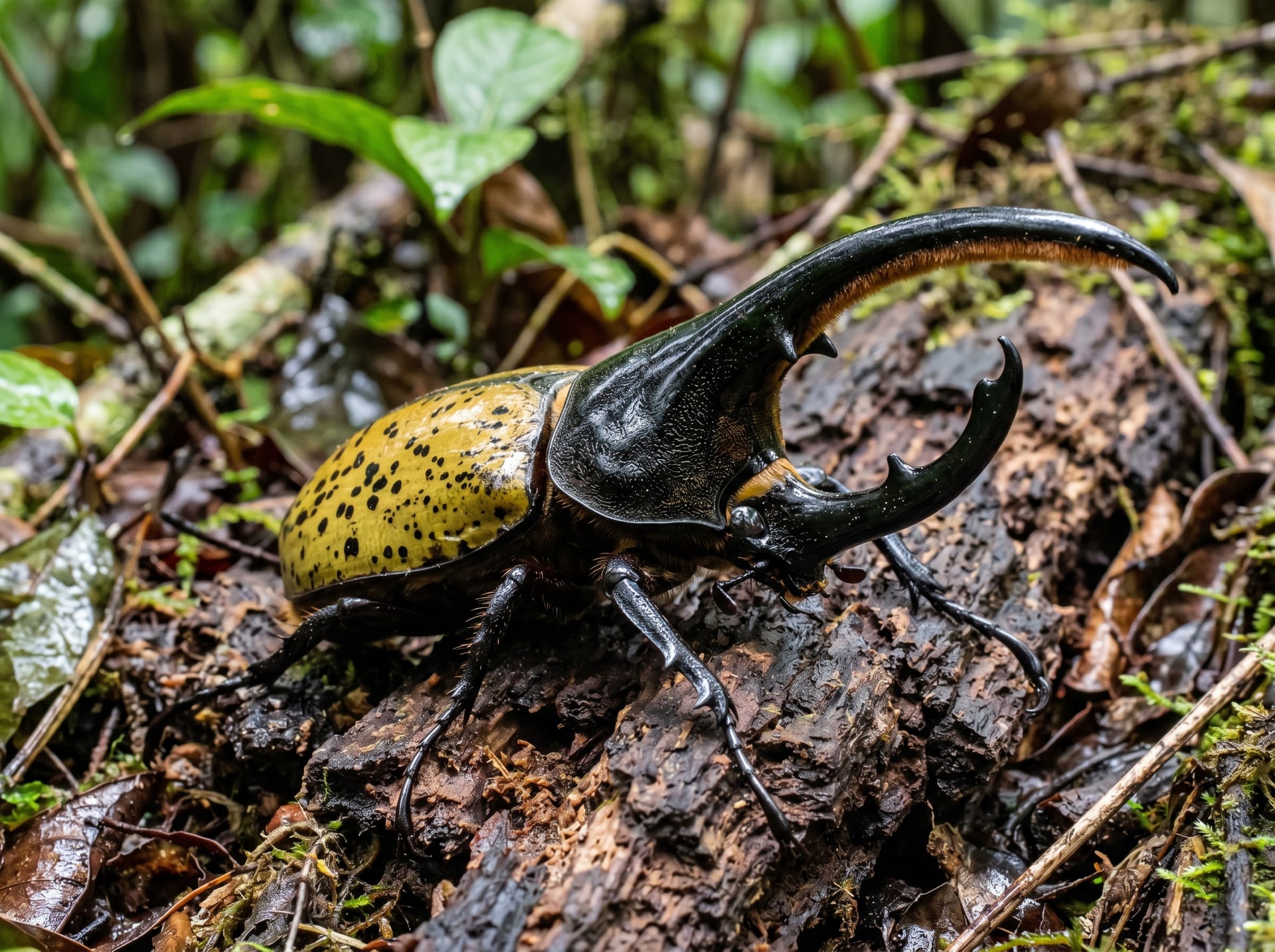
Hercules Ecuatorianus
Hercules Ecuatorianus is an Ecuadorian subspecies of the Hercules beetle. While somewhat smaller than the nominate form, it stands out for the distinctive curve and shape of its horns, giving it real presence in an enclosure. Adults typically measure 100–140mm and live around 6 to 12 months, offering a long viewing window. They feed on standard insect jelly, but keeping temperature and humidity right through the larval stage takes real experience, which is why this subspecies is generally recommended for advanced keepers rather than beginners.
View Hercules Ecuatorianus encyclopedia →0% commission on your first sales!Register by September 30, 2026 and your first 2 sales are commission-free!
Breeder Wanted!
List on BreederDirect and sell directly to customers nationwide!
6 Transparency Standards You Can Trust
When listing Insects, Breeders disclose the following. We guarantee transparency on growth stage and breeding unit.
- Life Stage Clarity
- Generation Info
- Real Photos
- Breeding Unit
- Country of Origin
- Body Length (mm)
Browse all 296 breeds
Verified breeders wanted for Insects
Breeders are signing up now ahead of launch. Subscribe to be notified when new listings go live.
Getting alerts is free with a member account. When new listings match your saved search, we'll notify you by email and in-app.
Browse other categories
Verified breeders (preview)
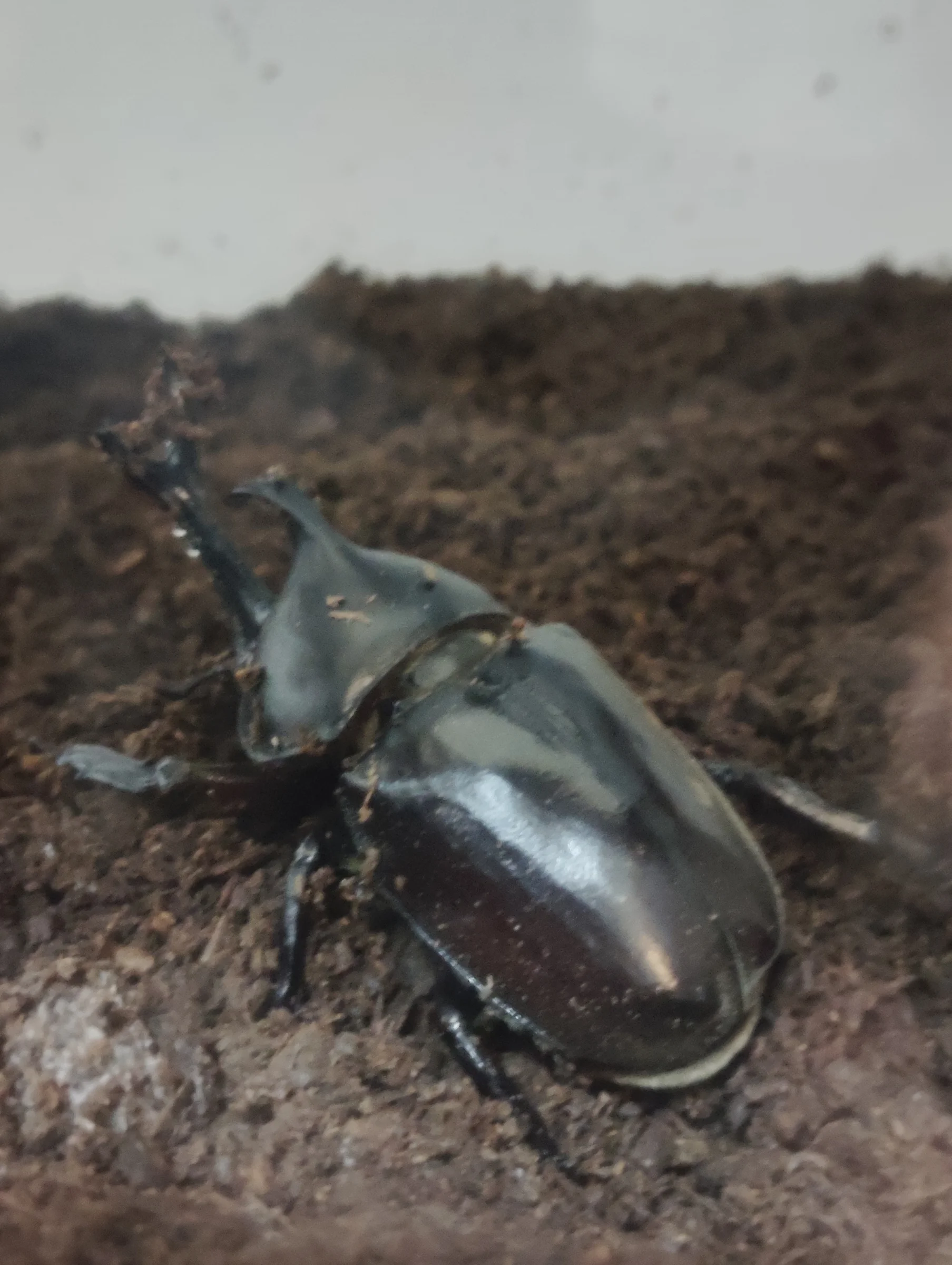
About Hercules Ecuatorianus
An Ecuadorian subspecies of the Hercules beetle with distinctively shaped horns. Adults reach 100–140mm and live 6–12 months as adults. Best suited to experienced keepers.
7 things to know before welcoming a Hercules Ecuatorianus
1For Experienced Keepers
This subspecies is generally considered suitable for advanced keepers. Managing temperature and humidity from the larval stage onward, along with regular observation, takes real experience, so it's best approached after keeping other beetles first.
2Uniquely Shaped Horns
It tends to be somewhat smaller than the nominate Hercules beetle, but its curved horn shape has a distinct character of its own. That horn shape is considered the defining charm of this subspecies.
3Adult Size: 100–140mm
Adults typically measure around 100–140mm in length. It's a size that gives real presence as a beetle to keep.
4Adult Lifespan: 6–12 Months
Adults typically live for about 6 to 12 months after emerging. It helps to plan your care and observation routine around this window from the start.
5Fed With Insect Jelly
Adults can be fed standard insect jelly available from pet stores. Check how much has been eaten regularly and keep it topped up.
6Temperature & Humidity Care
From the larval stage through adulthood, keeping temperature and humidity stable is key to successful care. Avoid sudden temperature swings and watch for the substrate drying out.
7Prepare Your Setup First
Before bringing one home, prepare a sufficiently deep enclosure, suitable insect substrate, and footholds to prevent the beetle from getting stuck on its back. Since the horns are large, allow extra space inside the case.
Frequently asked questions about Hercules Ecuatorianus
- Q.How is this different from the standard Hercules beetle?
- A.Hercules Ecuatorianus is an Ecuadorian subspecies that tends to be somewhat smaller than the nominate Hercules beetle. It's also known for the distinctive shape of its horns, giving it a unique look.
- Q.Is this a good choice for beginners?
- A.This subspecies is generally considered suitable for advanced keepers, since managing temperature and humidity takes real experience. It's best approached after you've kept other beetles first.
- Q.How long do the adults live?
- A.Adults typically live for about 6 to 12 months. Actual lifespan can vary depending on the individual and its care environment.
- Q.What do they eat?
- A.They can be fed standard insect jelly available at pet stores. Check it regularly and refill it before it runs out.
- Q.Is this species regulated under CITES?
- A.No, Hercules Ecuatorianus is not subject to CITES.
Useful tools for Hercules Ecuatorianus care
Learn more about Hercules Ecuatorianus in the encyclopedia
View Hercules Ecuatorianus encyclopedia entry →
Care difficulty, lifespan, size and diet — all basics covered.
More in this category
Can't find the one you're looking for?
Post your wishes for free and breeders with matching animals will contact you with introductions.