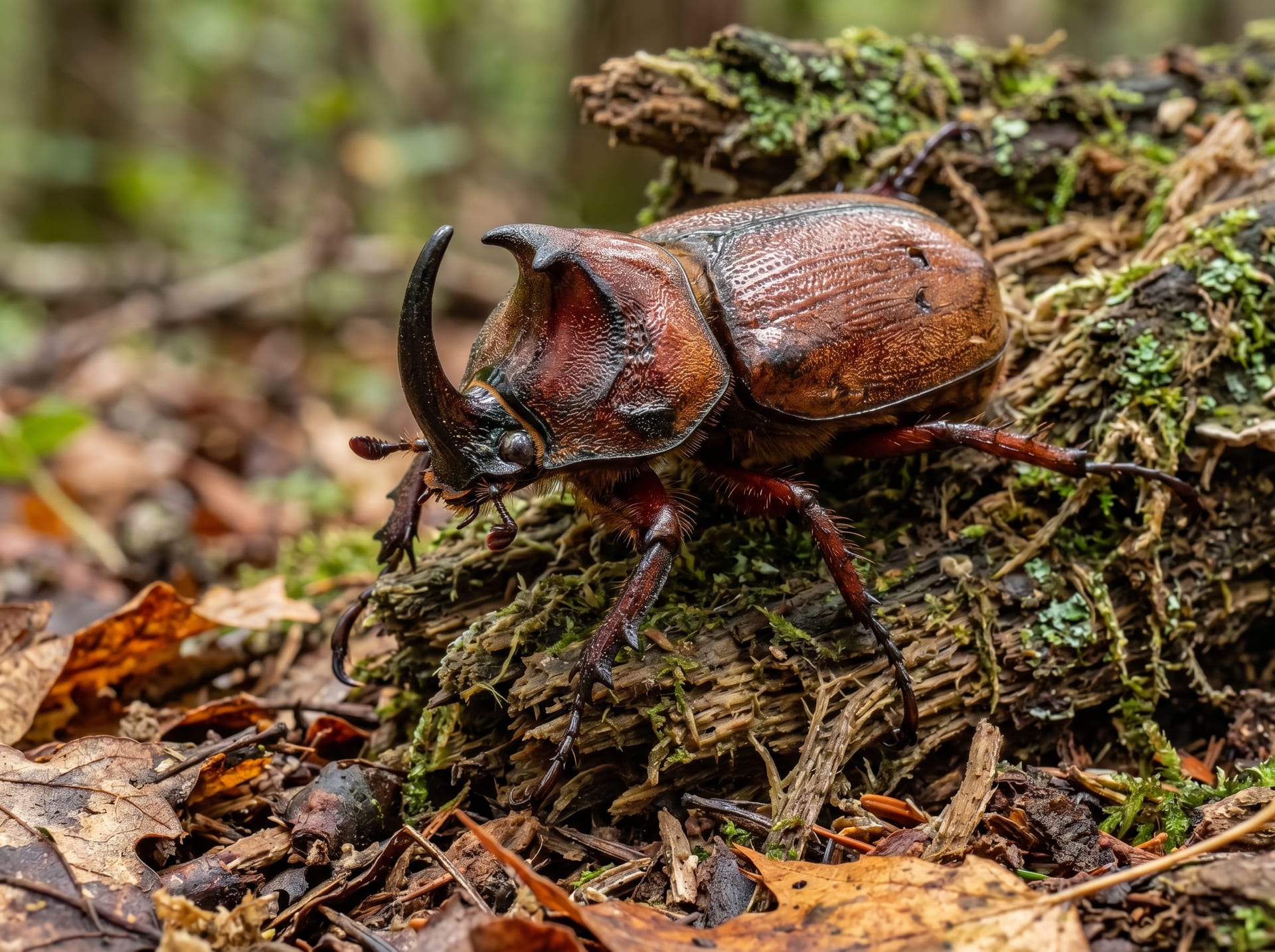
Sabii Beetle
The Sabii Beetle is a rhinoceros beetle native to Southeast Asia, named for its distinctive rust-colored body. It belongs to the same genus as Japan's native rhinoceros beetle, so its care and habits are very similar, making it an approachable choice even for first-time keepers of foreign beetle species. Its horn shape also closely resembles that of the native species, giving it a familiar look for anyone used to keeping Japanese beetles. It has a fairly calm temperament and can be kept in a simple setup with insect mat and decayed wood. Adults are active for about two to four months, giving keepers plenty of time to enjoy observing them up close.
View Sabii Beetle encyclopedia →0% commission on your first sales!Register by September 30, 2026 and your first 2 sales are commission-free!
Breeder Wanted!
List on BreederDirect and sell directly to customers nationwide!
6 Transparency Standards You Can Trust
When listing Insects, Breeders disclose the following. We guarantee transparency on growth stage and breeding unit.
- Life Stage Clarity
- Generation Info
- Real Photos
- Breeding Unit
- Country of Origin
- Body Length (mm)
Browse all 296 breeds
Verified breeders wanted for Insects
Breeders are signing up now ahead of launch. Subscribe to be notified when new listings go live.
Getting alerts is free with a member account. When new listings match your saved search, we'll notify you by email and in-app.
Browse other categories
Verified breeders (preview)
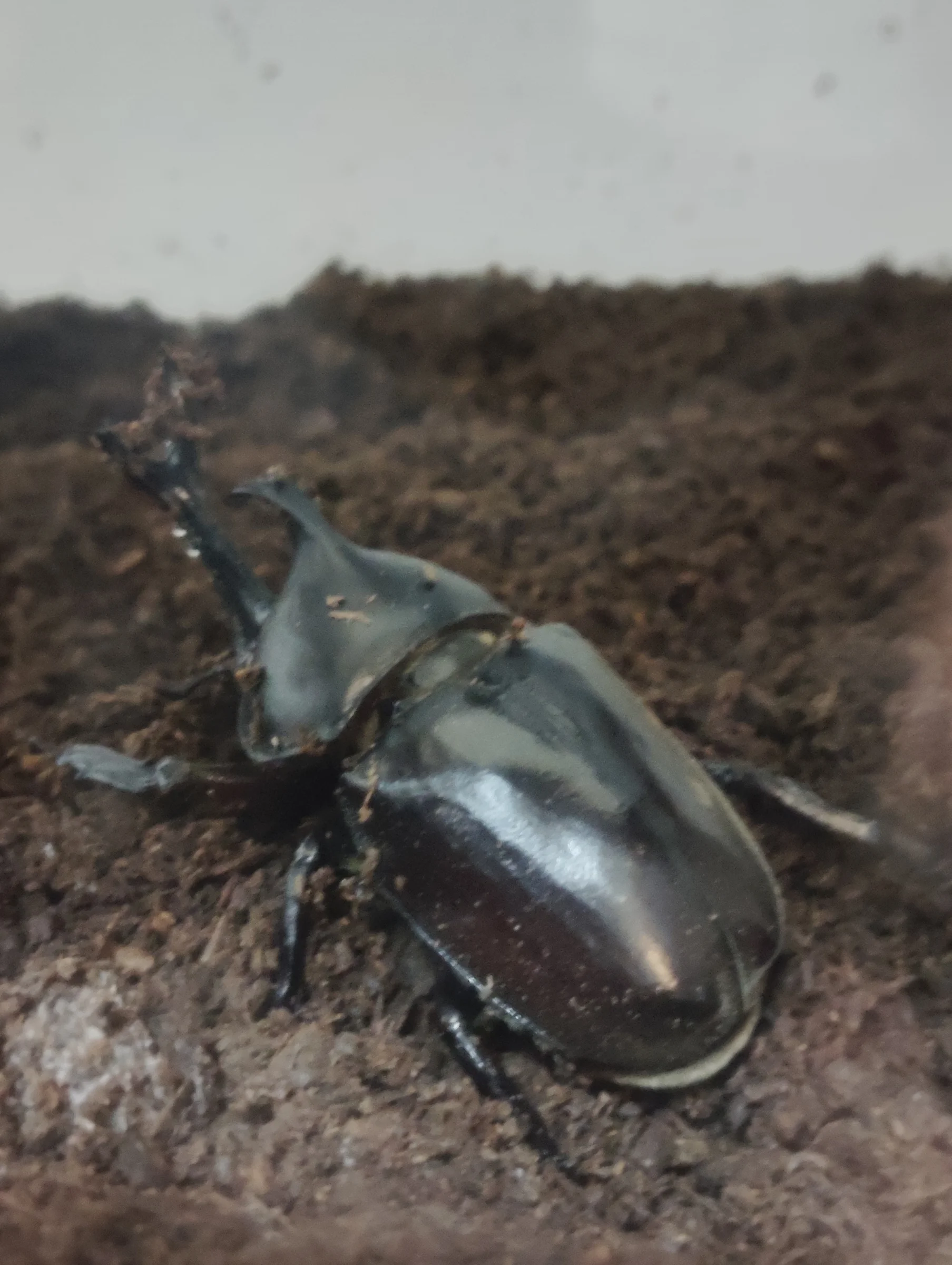
About Sabii Beetle
The Sabii Beetle is a beginner-friendly rhinoceros beetle from Southeast Asia. Closely related to Japan's native species with a similar horn shape and care routine, it's a popular starting point for keeping foreign beetles.
7 things to know before welcoming a Sabii Beetle
1Setting Up the Habitat
Set up a case with insect mat and add some decayed wood or climbing branches. Keeping the mat lightly moist creates a comfortable environment for the adult beetle.
2Calm Temperament
Like Japan's native rhinoceros beetle, it's generally calm and not especially aggressive. That said, males may spar with their horns, so give them plenty of space if keeping more than one together.
3Adult Lifespan
Adults are active for roughly two to four months. Since this window is relatively short, daily observation and care help you make the most of the time you have together.
4Horn Shape and Size
Adults typically measure 30 to 70mm, with a horn shape close to that of Japan's native species. The variation in horn size between individuals is part of the fun of keeping them.
5Feeding Insect Jelly
Commercial insect jelly is the main food source. If you offer fruit as well, remove it promptly since it spoils quickly and can make the case dirty.
6Getting Ready Before Arrival
Have the enclosure, insect mat, climbing wood, insect jelly, and a mist spray bottle ready before the beetle arrives. It also helps to pick a spot with stable temperatures in advance.
7Daily Health Checks
Check the beetle's body and the condition of the mat daily, and keep the enclosure clean to support its health. If you notice it becoming sluggish, review the setup for possible causes.
Frequently asked questions about Sabii Beetle
- Q.Can beginners keep this species?
- A.The Sabii Beetle is considered beginner-friendly and can be kept using the same methods as Japan's native rhinoceros beetle. If you're comfortable with basic insect mat and jelly-based care, it's an easy species to raise.
- Q.How long do adults live?
- A.Adults are typically active for about two to four months. This can vary somewhat depending on the individual and the conditions it's kept in.
- Q.How large do adults get?
- A.Adults generally range from 30 to 70mm in size. Even within the same species, individuals can vary quite a bit in size.
- Q.Since it's a foreign species, is there any regulation on keeping it?
- A.The Sabii Beetle is not subject to CITES. If you have any concerns, it's a good idea to check the latest information.
- Q.Is it okay to keep more than one together?
- A.Males may spar with their horns, so if keeping several in one case, it's best to limit the number or use separate enclosures. Keep an eye on how they interact, including when housing males with females, and adjust as needed.
Useful tools for Sabii Beetle care
Learn more about Sabii Beetle in the encyclopedia
View Sabii Beetle encyclopedia entry →
Care difficulty, lifespan, size and diet — all basics covered.
More in this category
Can't find the one you're looking for?
Post your wishes for free and breeders with matching animals will contact you with introductions.