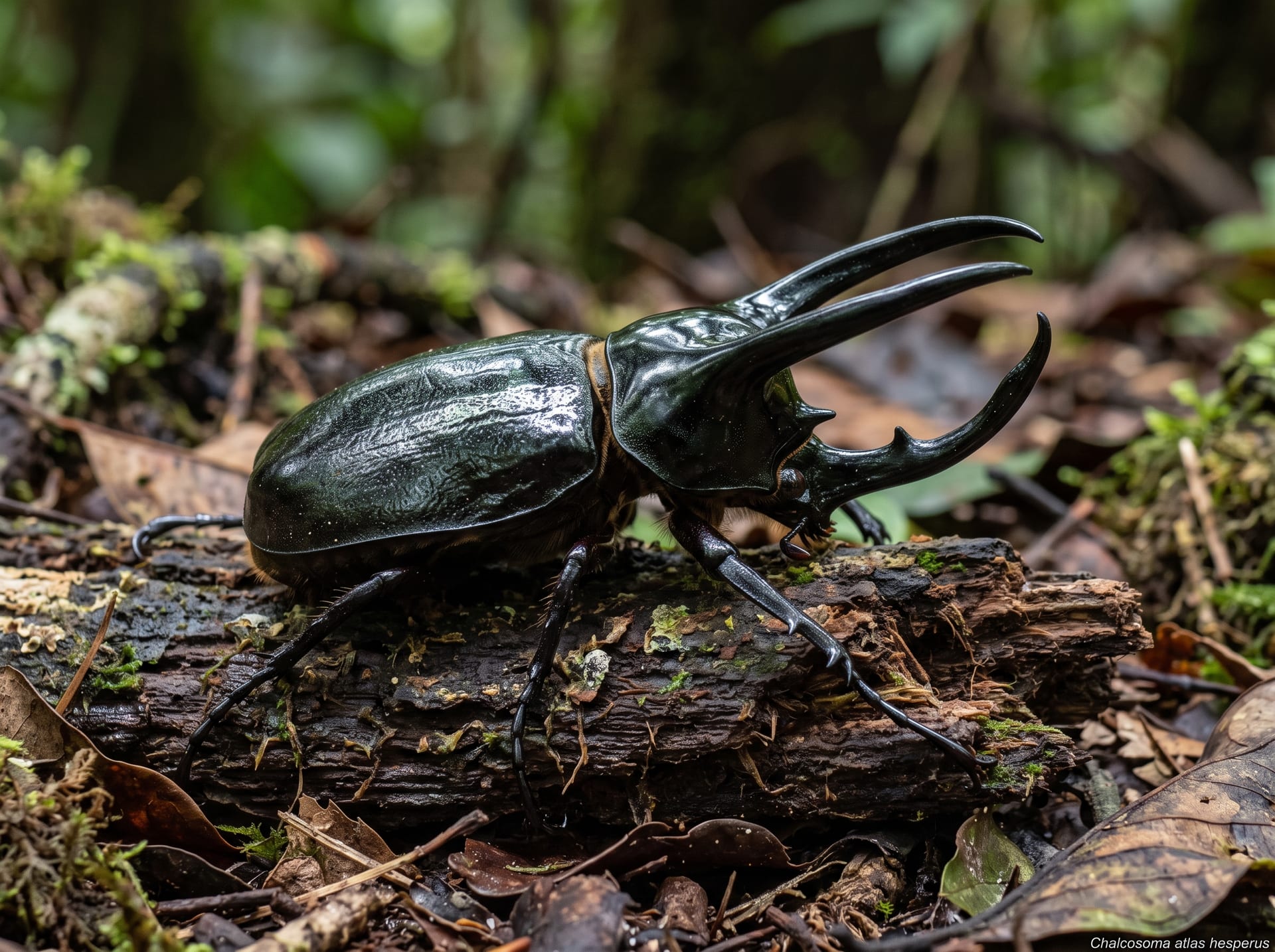
Atlas Beetle (Philippines)
The Philippine Atlas Beetle (Hesperus) is a Philippine subspecies of the Atlas Beetle, prized for its bold trio of glossy horns and an imposing build that can reach roughly 110mm in males. Its temperament runs on the feisty side — even the larvae are known to bite, so handlers should take care when working with them. Considered suitable for intermediate keepers, adults live about five to six months while the larval stage stretches one to two years, giving owners a long stretch to watch them grow. A striking choice for experienced enthusiasts who want a large, dramatic beetle in their collection.
View Atlas Beetle (Philippines) encyclopedia →0% commission on your first sales!Register by September 30, 2026 and your first 2 sales are commission-free!
Breeder Wanted!
List on BreederDirect and sell directly to customers nationwide!
6 Transparency Standards You Can Trust
When listing Insects, Breeders disclose the following. We guarantee transparency on growth stage and breeding unit.
- Life Stage Clarity
- Generation Info
- Real Photos
- Breeding Unit
- Country of Origin
- Body Length (mm)
Browse all 296 breeds
Verified breeders wanted for Insects
Breeders are signing up now ahead of launch. Subscribe to be notified when new listings go live.
Getting alerts is free with a member account. When new listings match your saved search, we'll notify you by email and in-app.
Browse other categories
Verified breeders (preview)
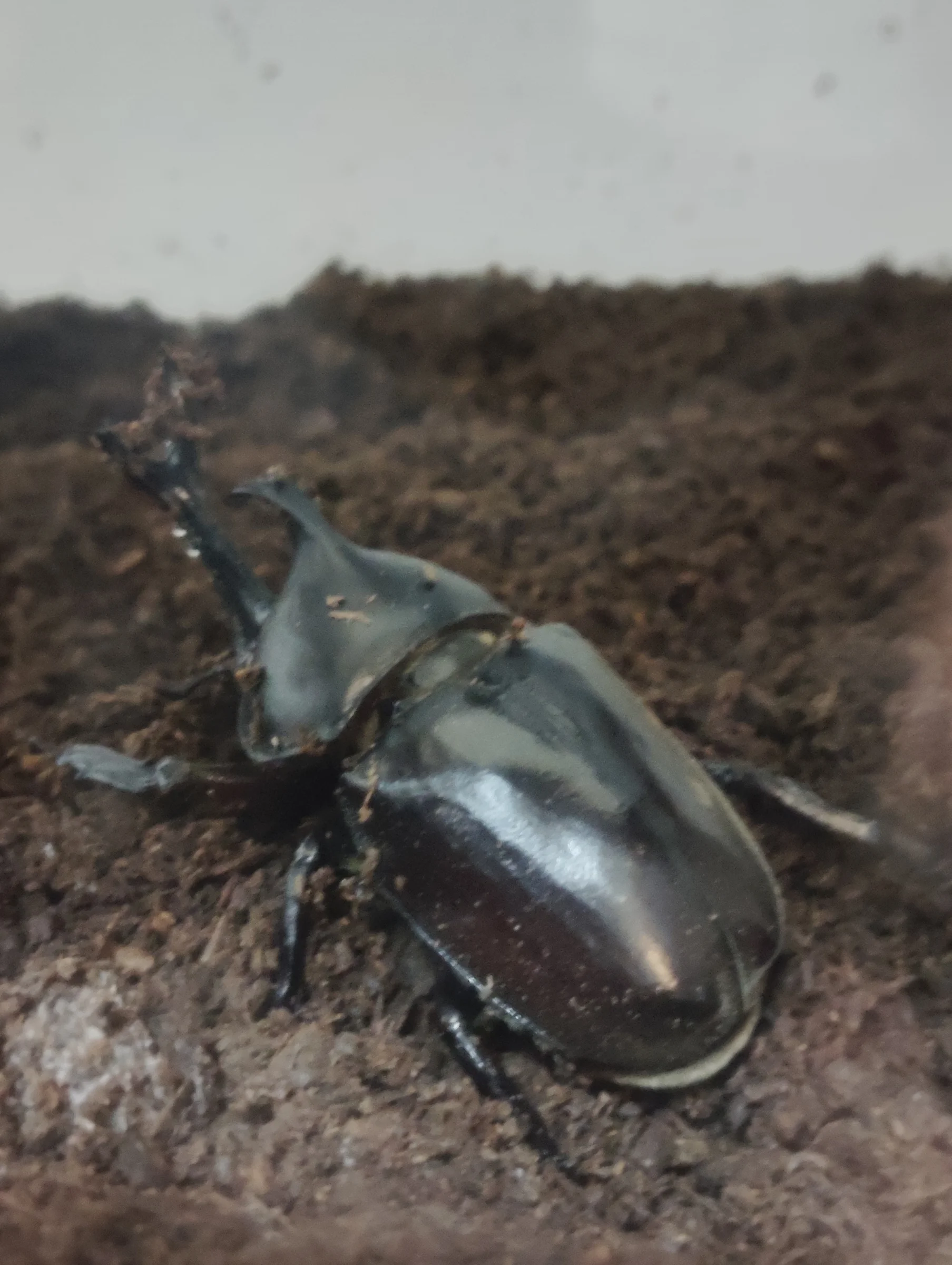
Atlas Beetle (Philippines) key facts
- Care level
- Intermediate
- Lifespan
- Adults 5-6 months, larvae 1-2 years
- Size
- Males up to about 110mm (60-120mm for the species), females 25-60mm
- Temperature
- 25℃
- Diet
- Adults: insect jelly and fruit; larvae: fermented substrate and rotten wood
- Temperature & Humidity
- Keep at around 25 C. A lowland Southeast Asian species, but avoid direct sun and sealed hot humid conditions, and keep the substrate just moist.
- Breeding & Egg-laying
- Let adults mature for about two months after emergence before pairing. During pairing the male may injure the female, so supervise closely. Females lay in well-fermented substrate, roughly 50-80 eggs per breeding set. Larvae attack one another, so rear them individually.
- Cohabitation
- Both sexes are aggressive and males fight fiercely, so keep adults singly. Do not house with other species.
- Lifespan & Rearing Period
- Adults live 5-6 months and larvae take 1-2 years. To aim for large specimens, rear larvae on nutrient-rich kinoko (mushroom) substrate.
- Health & Notes
- Larvae bite hard enough to draw blood, so handle with gloves. Choose imported stock that came through official channels with a species-name certificate, and never release beetles outdoors.
About Atlas Beetle (Philippines)
A guide to the Philippine Atlas Beetle (Hesperus), a Philippine subspecies of the Atlas Beetle — temperament, care difficulty, lifespan, and size explained for prospective keepers.
7 things to know before welcoming a Atlas Beetle (Philippines)
1Feisty Temperament — Handle With Care
The Philippine Atlas Beetle (Hesperus) has a somewhat feisty temperament, and even the larvae are known to bite. Keep direct handling to a minimum and consider gloves or forceps when moving them, especially given how strong a large male's horns can be.
2Impressively Large Males
Males carry three horns and can grow to roughly 110mm in length. Across the species as a whole, males range from 60 to 120mm while females run 25 to 60mm — that size difference is part of the appeal.
3A Long 1-2 Year Larval Stage
The larval stage lasts a relatively long one to two years before pupation. Be prepared for extended care — maintaining substrate, temperature, and humidity — over that whole period.
4Adults Live 5-6 Months
Once they emerge as adults, they typically live about five to six months — much shorter than the larval stage. Give careful attention to feeding and temperature after emergence to make the most of that limited window.
5Best Suited to Intermediate Keepers
This species is generally considered suitable for intermediate keepers rather than absolute beginners. Its feisty temperament and long larval period call for a bit more hands-on experience than a first beetle typically requires.
6Prepare Cases and Substrate in Advance
Before bringing one home, set up appropriately sized cases and fermented substrate for both adults and larvae. Because this is a large species, adult enclosures need reasonable space, and it's wise to keep extra larval substrate on hand for future changes.
7House Them Individually
Given their feisty nature, adults are typically kept one per enclosure. Housing multiple beetles together — especially males — risks injury from horn-to-horn conflict, so it's best avoided.
Frequently asked questions about Atlas Beetle (Philippines)
- Q.Is this beetle suitable for beginners?
- A.It's generally rated for intermediate keepers rather than complete beginners, since its feisty temperament and long larval stage call for some prior beetle-keeping experience. We'd recommend building up basic care experience before taking one on.
- Q.How large do they grow?
- A.Males can reach roughly 110mm at their largest. Across the species as a whole, males range from 60-120mm and females from 25-60mm, with a notable size difference between the sexes.
- Q.How long do adults live?
- A.Adults typically live about five to six months. That's a relatively short stretch compared to the one-to-two-year larval stage that precedes it.
- Q.Do the larvae or adults bite?
- A.Yes — they have a somewhat feisty temperament, and even larvae are known to bite as well as adults. Keep direct handling to a minimum and take care when you do handle them.
- Q.Can multiple beetles be kept in the same case?
- A.Because they're prone to fighting, it's best to house adults one per enclosure. Males in particular risk injuring each other with their horns, so keeping them together isn't recommended.
Useful tools for Atlas Beetle (Philippines) care
Learn more about Atlas Beetle (Philippines) in the encyclopedia
View Atlas Beetle (Philippines) encyclopedia entry →
Care difficulty, lifespan, size and diet — all basics covered.
Atlas Beetle (Philippines) related articles
Imported Beetle Comparison Guide|Breeding and Appeal of Caucasus Beetles, Atlas Beetles, and Giant Beetles
Compare the differences between Caucasus and Atlas beetles (horn protrusions, body color, size, price, larval period) in a table, and explain how to distinguish them and which to choose. Also introduces difficulty levels and larval rearing methods for large imported beetles, including Elephant beetles.
How to Care for Atlas Beetles | Lifespan, Larval Period, Adult Care, and Breeding Guide
A comprehensive guide to keeping Atlas beetles, Southeast Asian large rhinoceros beetles. Covers whether care is difficult (WD individuals, tarsal claw loss, emergence timing mismatches), why they're inexpensive, adult lifespan and larval duration, hand-pairing and egg-laying setup, and tips for mat changes and temperature management.
Atlas Beetle Care Guide | How to Raise the Southeast Asian Rhinoceros Beetle with Three Horns
Guide to raising the large Southeast Asian rhinoceros beetle "Atlas Beetle (Chalcosoma atlas)". Explains the differences from Caucasus Beetles, fermented substrate management for larvae, temperature and humidity settings, adult lifespan and tips for activation, and detailed larval management techniques to maximize size.
More in this category
Can't find the one you're looking for?
Post your wishes for free and breeders with matching animals will contact you with introductions.