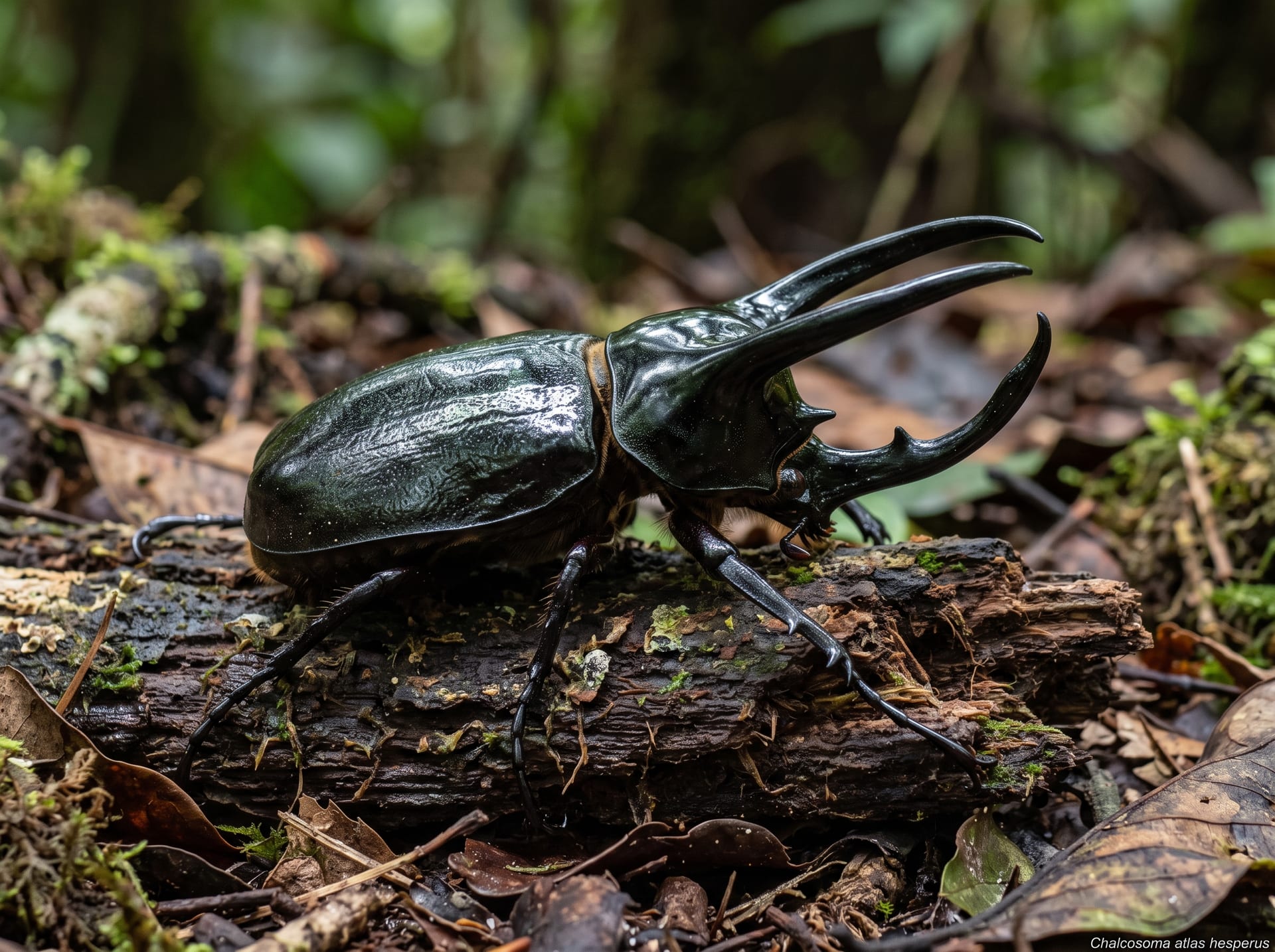
AI-generated image
Atlas Beetle (Philippines)
IntermediateChalcosoma atlas hesperus
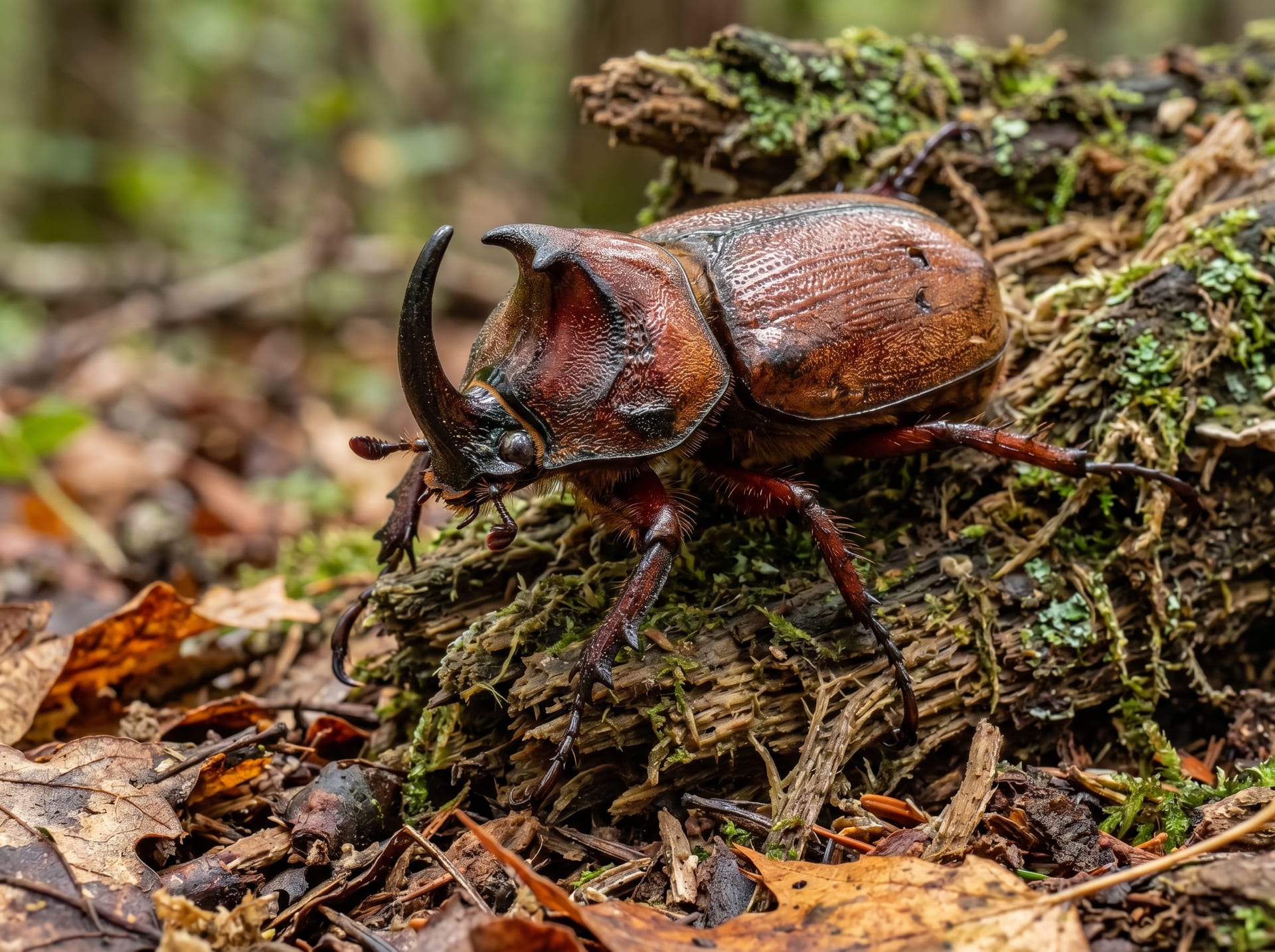
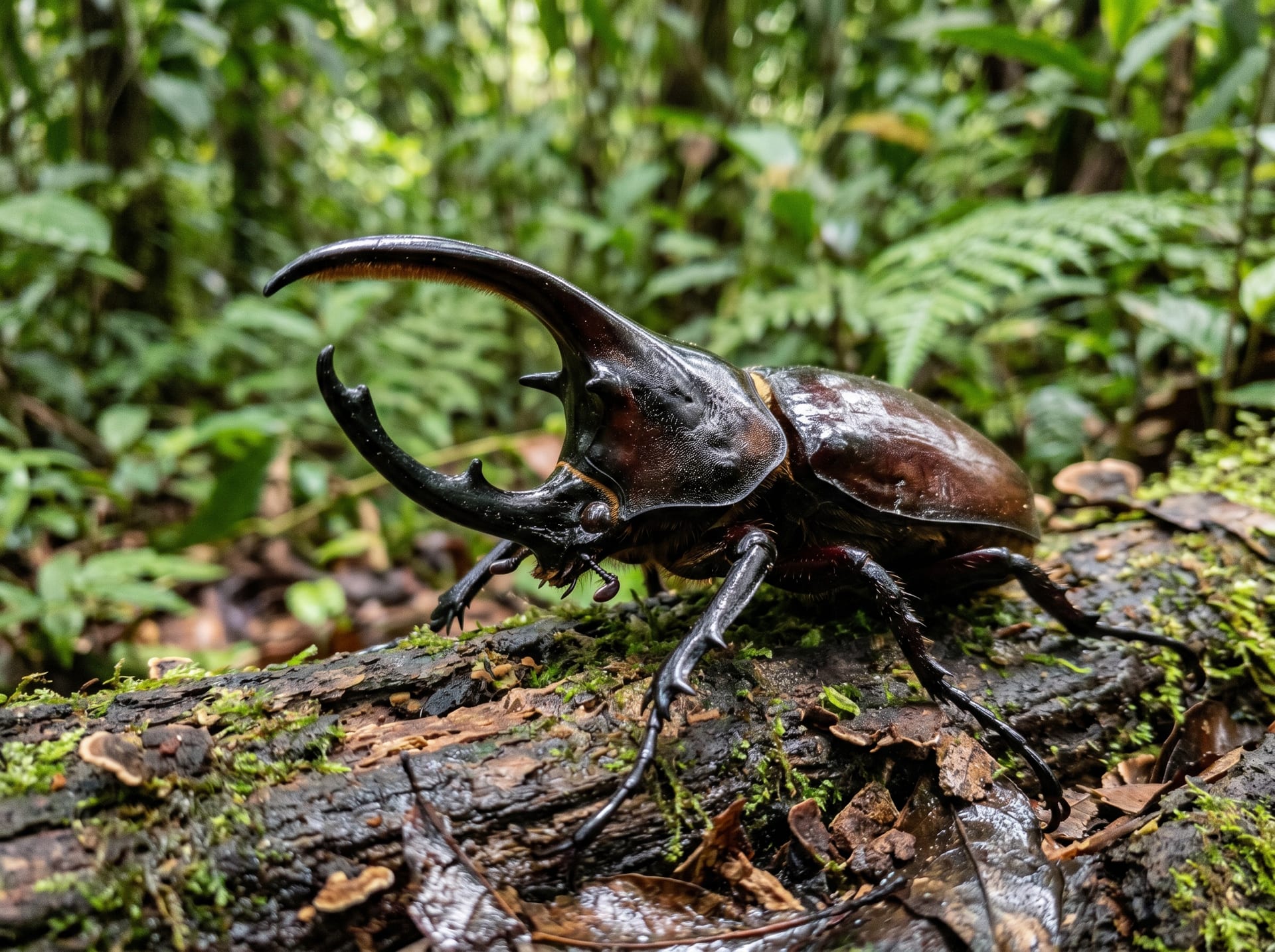
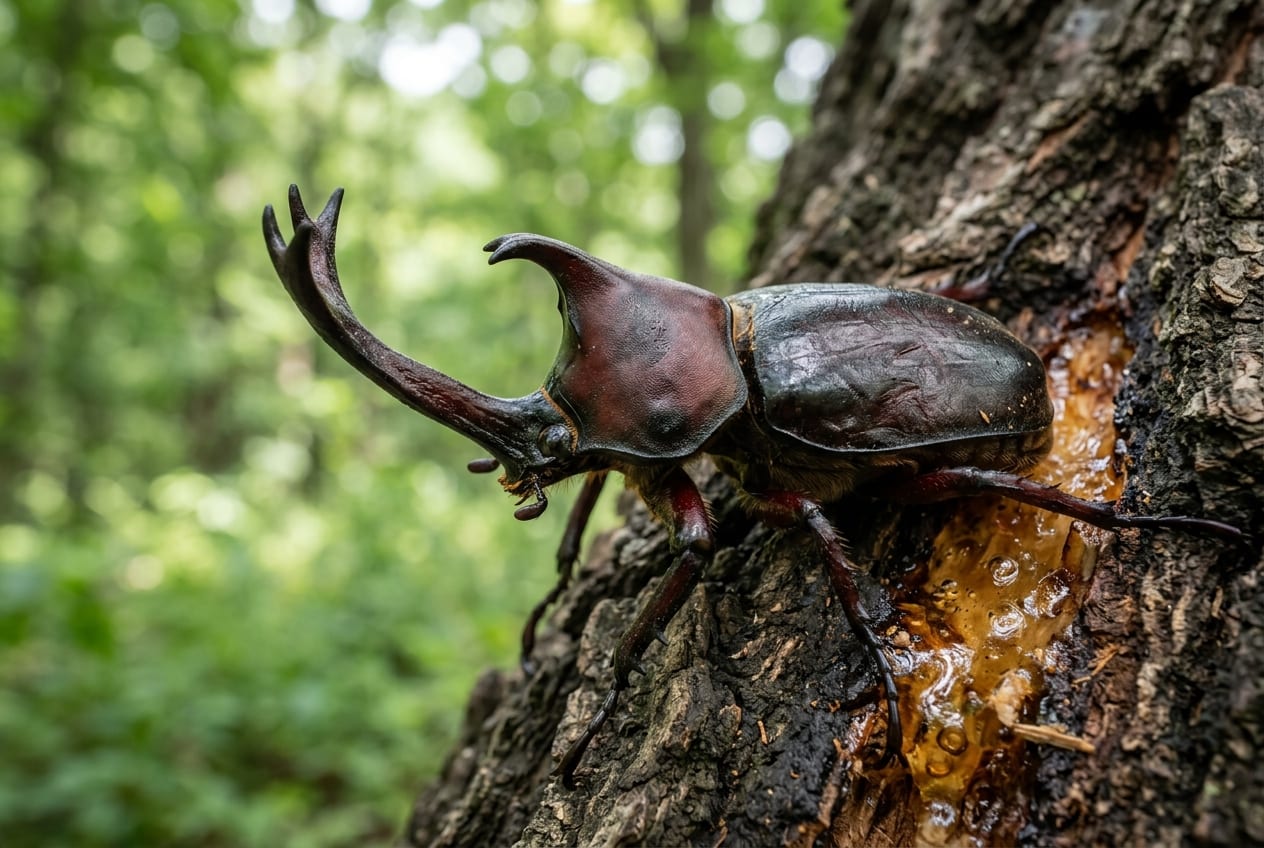
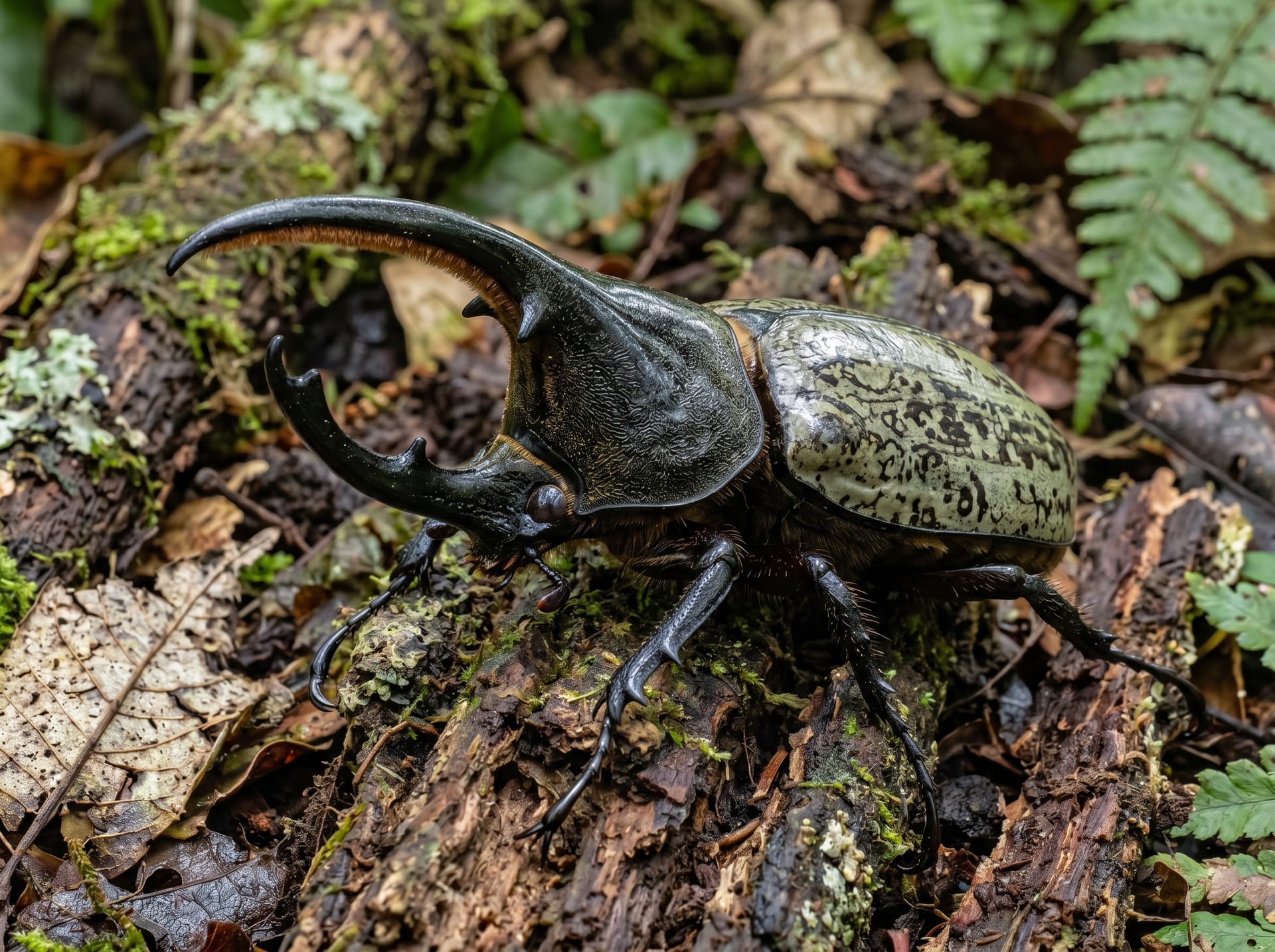
The Philippine subspecies of the Atlas beetle. Mindanao stock has strongly curved thoracic horns and tends to grow largest in the species, to about 11cm. Aggressive, and even larvae bite.
Difficulty
Intermediate
Temperature
25℃
Lifespan
Adults 5-6 months, larvae 1-2 years
Size
Males up to about 110mm (60-120mm for the species), females 25-60mm
Humidity
60〜80%
Diet
Adults: insect jelly and fruit; larvae: fermented substrate and rotten wood
About
Chalcosoma atlas hesperus is the Philippine subspecies of the Atlas beetle, found on islands throughout the Philippines from Luzon to Mindanao and Palawan. It was described by Erichson in 1834 as Dynastes hesperus. Males of the species measure 60-120mm and females 25-60mm; Mindanao stock has strongly curved thoracic horns and tends to grow largest in the species, to about 11cm. The Atlas beetle is a lowland species of Southeast Asia and, being abundant, is the cheapest and most heavily imported foreign rhinoceros beetle in Japan. Both sexes are aggressive, males fight readily, and larvae bite fingers brought near them. Small males develop almost no horns (short-horned form), making subspecies identification difficult. Keep at around 25 C; adults live 5-6 months, larvae take 1-2 years, and one breeding set yields roughly 50-80 eggs. The BE-KUWA captive record for Mindanao stock is 110.1mm (2019).
Source: Wikipedia (CC BY-SA 4.0)
Lifespan of the Atlas Beetle (Philippines)
The Atlas Beetle (Philippines) lives Adults 5-6 months, larvae 1-2 years.
Size of the Atlas Beetle (Philippines)
The Atlas Beetle (Philippines) grows to Males up to about 110mm (60-120mm for the species), females 25-60mm.
Temperature & humidity for the Atlas Beetle (Philippines)
The ideal temperature for the Atlas Beetle (Philippines) is 25℃.
Basic Info
Origin
Philippines (Luzon, Mindoro, Negros, Leyte, Samar, Mindanao, Palawan and others)
Care Specifications
AggressiveSolitaryBreeding: Moderate
Sources: Tsukiyono Kinokoen rearing manual (Chalcosoma atlas) / Wikipedia (ja): アトラスオオカブト / Wikipedia (en) Atlas beetle
Breeding Records & Localities
Captive record (♂)
110.1 mm
Record source: BE-KUWA 2025 edition (Atlas, Mindanao, captive 110.1mm, Hideyuki Kobayashi, 2019; total length incl. horn)
Notable localities
LuzonMindanaoPalawanNegrosLeyteSamarMindoro
Regional subspecies
- Chalcosoma atlas hesperus(This entry) — Philippine Islands
- Chalcosoma atlas atlas(Nominate subspecies) — Sulawesi, Sangihe, Siau, Togian Islands
- Chalcosoma atlas keyboh — Malay Peninsula, Sumatra, Kalimantan
- Chalcosoma atlas mantetsu — Myanmar, Thailand, Laos, northern India
- Chalcosoma atlas sintae — Peleng Island
- Chalcosoma atlas butonensis — Buton Island
- Chalcosoma atlas simeuluensis — Simeulue Island
BE-KUWA registers records by subspecies/locality; this subspecies is listed as Mindanao at 110.1mm (2019) in the 2025 edition (total length incl. horn). Localities are the islands within the subspecies range that are used as trade names.
References & Sources
Edited & verified by: BreederDirect editorial team
The taxonomic, regulatory, and husbandry data on this page are compiled and verified against the authoritative primary sources below.
Taxonomy & Authority
Accepted name: Chalcosoma atlas hesperus (Erichson, 1834)
Synonyms: Dynastes hesperus
Authority databases: GBIF
Nomenclature follows global taxonomic authority databases.
Regulations & Conservation Status
Not CITES-listed
Plant Protection Act: Live import of foreign Dynastinae requires a species-name certificate issued by a foreign government body under the Invasive Alien Species Act and quarantine at a designated airport under the Plant Protection Act (import by international mail is not permitted).
Sources: CITES Appendices (species not listed) / MOE Japan: live import of Scarabaeoidea
Regulations may change. Always verify the latest information with the relevant authorities.
Atlas Beetle (Philippines) Listings
Loading latest listingsFind listings for this species