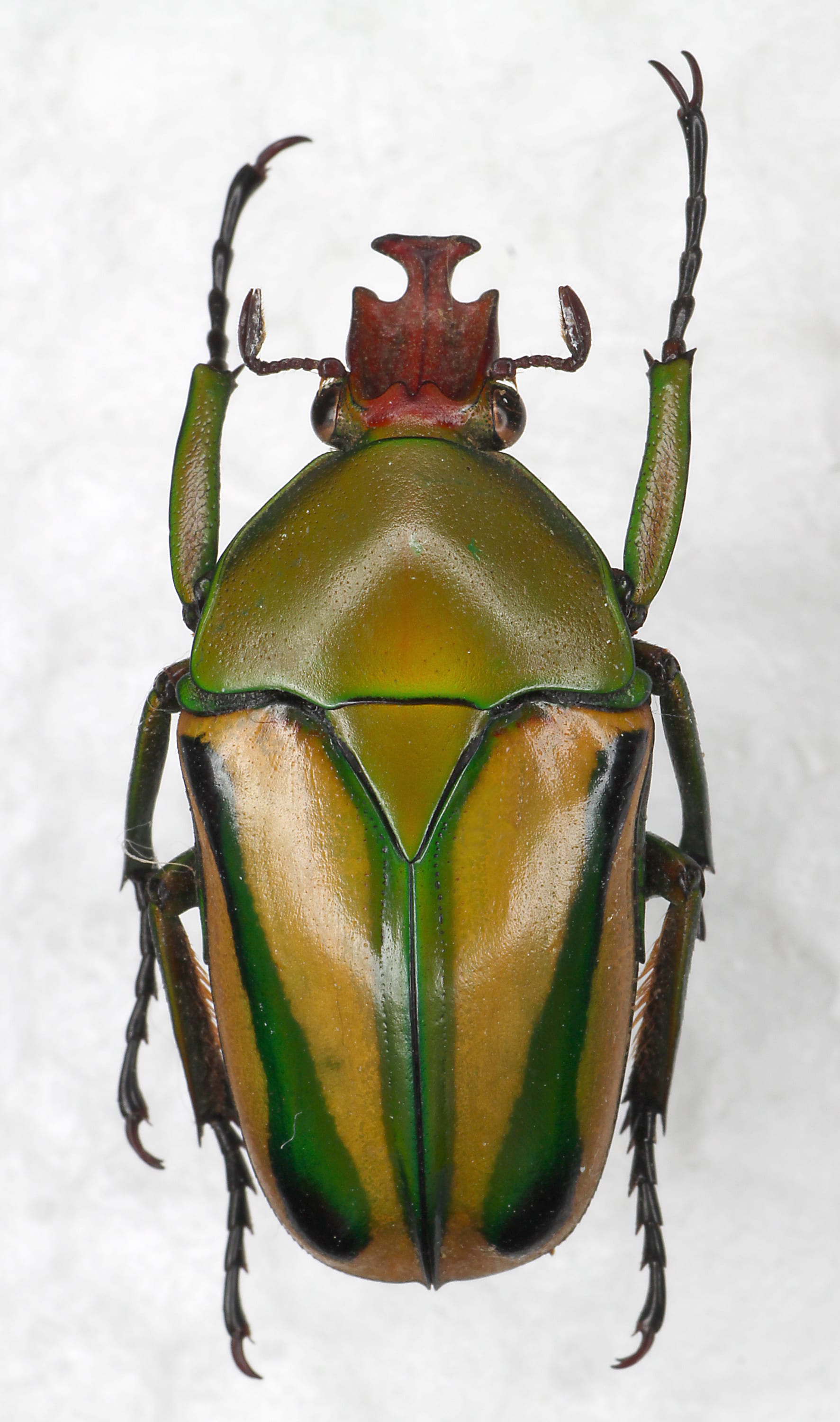
 © Holger Krisp / CC BY 3.0
Gralli Flower Beetle
The Gralli Flower Beetle is a scarab species native to Central Africa, prized for its glossy green elytra that shift through rainbow hues depending on the viewing angle. Males carry a distinctive Y-shaped horn, while females have a shovel-like head projection used for digging into rotten wood, making the sexes easy to tell apart at a glance. With a calm temperament and reliable multi-generational breeding, this species is widely considered a great starting point for keepers new to exotic flower beetles. Raised primarily in beetle mat substrate, it offers an engaging look at the full life cycle from larva to adult.
View Gralli Flower Beetle encyclopedia →0% commission on your first sales!Register by September 30, 2026 and your first 2 sales are commission-free!
Breeder Wanted!
List on BreederDirect and sell directly to customers nationwide!
6 Transparency Standards You Can Trust
When listing Insects, Breeders disclose the following. We guarantee transparency on growth stage and breeding unit.
- Life Stage Clarity
- Generation Info
- Real Photos
- Breeding Unit
- Country of Origin
- Body Length (mm)
Browse all 296 breeds
Verified breeders wanted for Insects
Breeders are signing up now ahead of launch. Subscribe to be notified when new listings go live.
Getting alerts is free with a member account. When new listings match your saved search, we'll notify you by email and in-app.
Browse other categories
Verified breeders (preview)
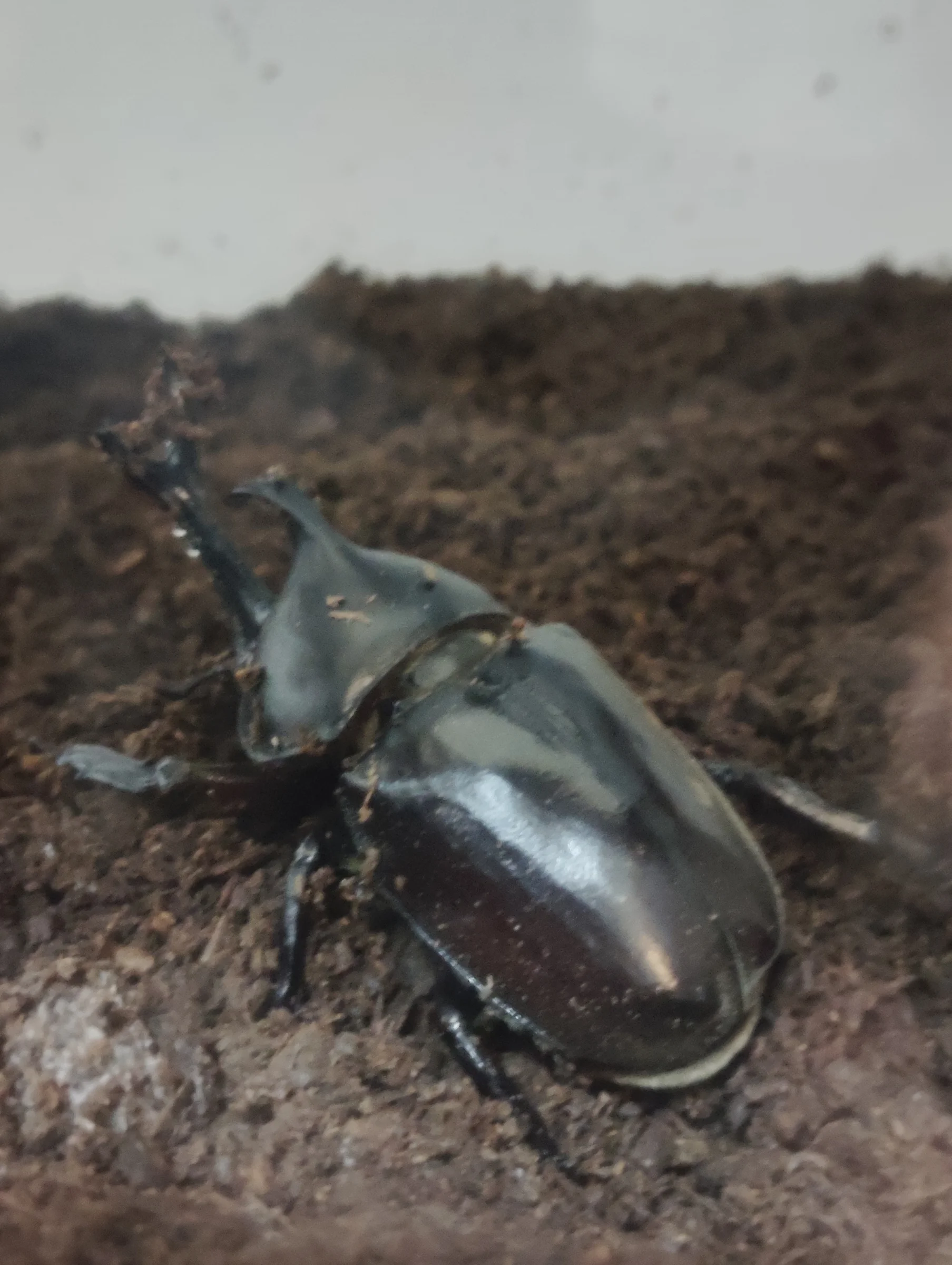
Gralli Flower Beetle key facts
- Care level
- Beginner-friendly
- Lifespan
- Adults 2-4 months
- Size
- 25-40mm
- Diet
- Adults take nectar, pollen, fruit and beetle jelly; larvae feed on rotten wood and leaf litter
- Temperature & Humidity
- It comes from tropical forest, so the basic rule is to keep the substrate from drying out completely.
- Breeding & Egg-laying
- Eggs are laid into a mix of rotten wood and leaves. The larvae show little cannibalism and pupate in the same feeding substrate, so they can be raised without being moved out of the laying set. The size of the male horn is said to reflect how well the larvae were kept and fed.
- Cohabitation
- Because cannibalism is rare the larvae can be kept together, though individual containers give steadier results if large adults are the aim. Adult males fight with their horns, so keep them apart except for pairing.
- Lifespan & Rearing Period
- Some accounts give about half a year of larval life and a few months as an adult for Eudicella, which can serve as a guide for this beetle.
- Health & Notes
- The species has many subspecies and stock of mixed origin has circulated for years. Do not cross beetles without locality data. Importing live stock requires the species identification certificate demanded for Scarabaeoidea.
About Gralli Flower Beetle
A Central African flower beetle known for iridescent green elytra, a Y-shaped horn on males, and a shovel-like head on females. Easy to breed across generations, making it a great starter species for beginners.
7 things to know before welcoming a Gralli Flower Beetle
1Basic Housing Setup
House them in a container with insect substrate (beetle mat) topped with rotten wood and some climbing material to prevent them from getting stuck on their backs. Keep the substrate lightly moist with occasional misting, since it hardens if it dries out too much. Adults readily eat commercial beetle jelly.
2Telling Males from Females
Males have a distinctive Y-shaped horn on the head, while females lack a horn and instead have a shovel-like projection used for digging into rotten wood. This clear physical difference makes sexing the beetles straightforward and fun to observe.
3Color-Shifting Elytra
The green elytra display structural coloration that shifts through rainbow hues depending on the angle of light. Viewing the beetle from different angles through the enclosure reveals a noticeably different appearance each time.
4Adult Size
Adults typically measure 25 to 40mm in length, with some variation between individuals. Choose an enclosure size and layout that suits this body size so the beetle can move around comfortably.
5A Fairly Calm Temperament
This species is generally considered fairly calm and easy to handle. That said, when keeping multiple adults together, pay attention to numbers and layout to avoid conflicts or crushing between males.
6Easy Multi-Generational Breeding
The species breeds across generations relatively easily, which is why it's often recommended as a starting point for keepers new to exotic flower beetles. Managing eggs and larvae is a straightforward extension of standard beetle-mat husbandry.
7What to Prepare Beforehand
Gather the basics ahead of time — an enclosure, insect substrate, rotten wood, climbing branches, and a mister — so you can set up a settled environment as soon as the beetle arrives. It helps to use separate substrate for adults versus egg-laying and larval rearing.
Frequently asked questions about Gralli Flower Beetle
- Q.Is this beetle suitable for beginners?
- A.Yes, the Gralli Flower Beetle is considered a beginner-friendly species that thrives with basic beetle-mat husbandry. It also breeds across generations relatively easily, which is why it's often chosen as an entry point into exotic flower beetles.
- Q.How big do adults get?
- A.Adults typically reach about 25 to 40mm in length, with some variation between individuals.
- Q.How can I tell males and females apart?
- A.Males have a Y-shaped horn on the head, while females lack a horn and instead have a shovel-like projection for digging into rotten wood. This difference makes the sexes easy to distinguish visually.
- Q.Are there any legal restrictions on keeping this species?
- A.The Gralli Flower Beetle is not subject to CITES.
- Q.Why does the elytra color seem to change?
- A.The green elytra have a structural coloration that appears to shift through rainbow hues depending on the angle of light. The same individual can look noticeably different from different viewing angles.
Useful tools for Gralli Flower Beetle care
Learn more about Gralli Flower Beetle in the encyclopedia
View Gralli Flower Beetle encyclopedia entry →
Care difficulty, lifespan, size and diet — all basics covered.
More in this category
Can't find the one you're looking for?
Post your wishes for free and breeders with matching animals will contact you with introductions.