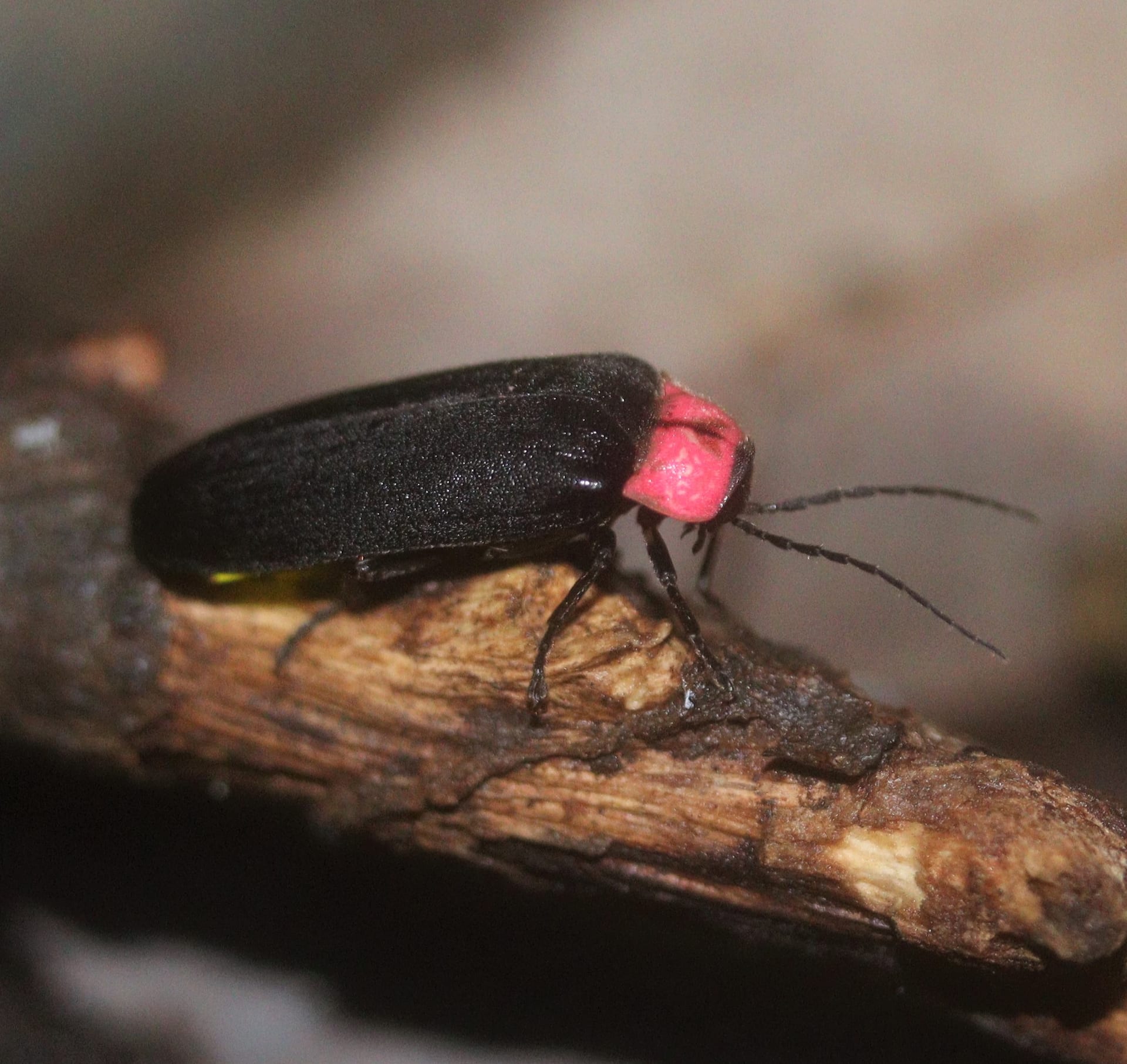
 © Alpsdake / CC BY-SA 4.0
Genji Firefly
The Genji Firefly is Japan's iconic aquatic firefly, with adults reaching around 15mm in length — large for a native Japanese firefly species. Its most distinctive feature is the black cross-shaped marking at the center of its thorax, which even inspired part of its scientific name. The larvae live in clean, flowing streams and feed on freshwater snails called kawanina, so their care calls for careful attention to water quality and a steady live food supply. On summer nights their glowing courtship displays have long been cherished as a beloved seasonal symbol. This is a species suited to keepers who want to explore the deeper, more involved side of livestock care.
View Genji Firefly encyclopedia →0% commission on your first sales!Register by September 30, 2026 and your first 2 sales are commission-free!
Breeder Wanted!
List on BreederDirect and sell directly to customers nationwide!
6 Transparency Standards You Can Trust
When listing Insects, Breeders disclose the following. We guarantee transparency on growth stage and breeding unit.
- Life Stage Clarity
- Generation Info
- Real Photos
- Breeding Unit
- Country of Origin
- Body Length (mm)
Browse all 296 breeds
Verified breeders wanted for Insects
Breeders are signing up now ahead of launch. Subscribe to be notified when new listings go live.
Getting alerts is free with a member account. When new listings match your saved search, we'll notify you by email and in-app.
Browse other categories
Verified breeders (preview)
Genji Firefly key facts
- Care level
- Advanced
- Lifespan
- 2-3 weeks as an adult
- Size
- About 15mm
- Diet
- Larvae eat Semisulcospira snails; adults take only water
- Temperature & Humidity
- The larvae grow in slow, clean running water, so keeping the water clean and moving matters more than temperature. Soft soil at the water's edge is needed for pupation after they come ashore.
- Breeding & Egg-laying
- The female lays into moss on stones or trees at the water's edge. The larvae enter the water at once and, on finding a Semisulcospira snail, bite into the body and dissolve it with digestive fluid as they feed. Whether a steady supply of these snails can be kept up decides whether a line can be maintained; the rearing technique itself is now well established.
- Cohabitation
- Larvae compete for food in the water, so do not crowd them. Adults communicate by flashing, so several are usually kept together for viewing, though the adult stage is too short for long-term cohabitation.
- Lifespan & Rearing Period
- The larvae hatch in summer, grow in the water until the following spring, then come ashore to pupate. Adults appear from May to July, take only water and run both activity and egg-laying on reserves built up as larvae, dying within two or three weeks. In some places, such as the Shiga Highlands in Nagano, they also appear in October and November.
- Health & Notes
- Flash intervals and genetic lineages differ between regions, and releasing beetles from elsewhere erases the character of the local population. The National Firefly Research Society has issued guidelines on translocation, and on conservation grounds the release of a different lineage should be avoided. Do not release captive stock into the wild.
About Genji Firefly
A native Japanese aquatic firefly with adults around 15mm long. The larvae feed on freshwater snails in clean streams, making this an advanced-level species best suited to experienced keepers, prized for its glowing summer courtship displays.
7 things to know before welcoming a Genji Firefly
1Fully Aquatic Larvae
Genji Firefly larvae spend most of their lives underwater and only thrive in clean, flowing streams. Keeping them requires maintaining water quality, temperature, and oxygen levels close to those of a natural river.
2Feeds Only on Kawanina Snails
The larvae's main food is kawanina, a freshwater snail. A steady supply of live kawanina is essential, and sourcing enough of them is one of the biggest challenges in keeping this species.
3Advanced Care Level
Because it demands both strict water quality management and a live food supply, this species is considered suitable for advanced keepers. It can be challenging for those new to keeping aquatic insects.
4Adult Lifespan of 2–3 Weeks
Compared to the long larval stage, adult lifespan is relatively short at just 2–3 weeks. Adults have reduced mouthparts and eat little to nothing during this time.
5Glowing as a Courtship Signal
The light adults emit is used mainly for courtship and communication between individuals. Watching males and females exchange flashes at night is one of the species' great appeals.
6Requires Land-Stage Management
As larvae mature, they leave the water and pupate in soil on land. Keepers need to prepare an environment with both a water area and land area timed to this transition.
7Nocturnal Viewing
Adult activity and glowing are mostly seen at night. It's best to keep the setup away from direct sunlight or strong artificial light, following a natural day-night cycle.
Frequently asked questions about Genji Firefly
- Q.Can beginners keep this species?
- A.The Genji Firefly is considered an advanced-level species. It requires specialized care such as water quality management and a supply of live kawanina snails during the larval stage, so prior experience with aquatic livestock is recommended.
- Q.What do adults eat?
- A.Adults have reduced mouthparts and generally eat nothing for the rest of their lives. Feeding is needed only during the larval stage, when they are given kawanina snails.
- Q.How long can I enjoy keeping this species?
- A.The adult, glowing stage lasts about 2–3 weeks. The larval stage lasts much longer, so caring for this species is a long-term commitment that includes the larval period.
- Q.Does it have any distinctive markings?
- A.A black cross-shaped marking at the center of the thorax is a key feature of this species, and it even inspired part of its scientific name. It also helps distinguish it from other Japanese firefly species.
- Q.Are there any legal regulations on this species?
- A.The Genji Firefly is not subject to CITES. As with any livestock, it's a good idea to check the condition of the individual before bringing one home.
Useful tools for Genji Firefly care
Learn more about Genji Firefly in the encyclopedia
View Genji Firefly encyclopedia entry →
Care difficulty, lifespan, size and diet — all basics covered.
More in this category
Can't find the one you're looking for?
Post your wishes for free and breeders with matching animals will contact you with introductions.