Source: Wikimedia Commons
Genji Firefly
AdvancedNipponoluciola cruciata
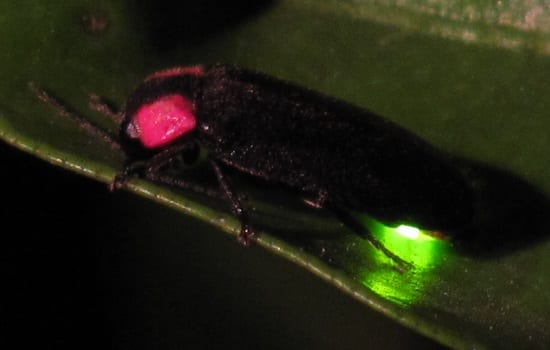
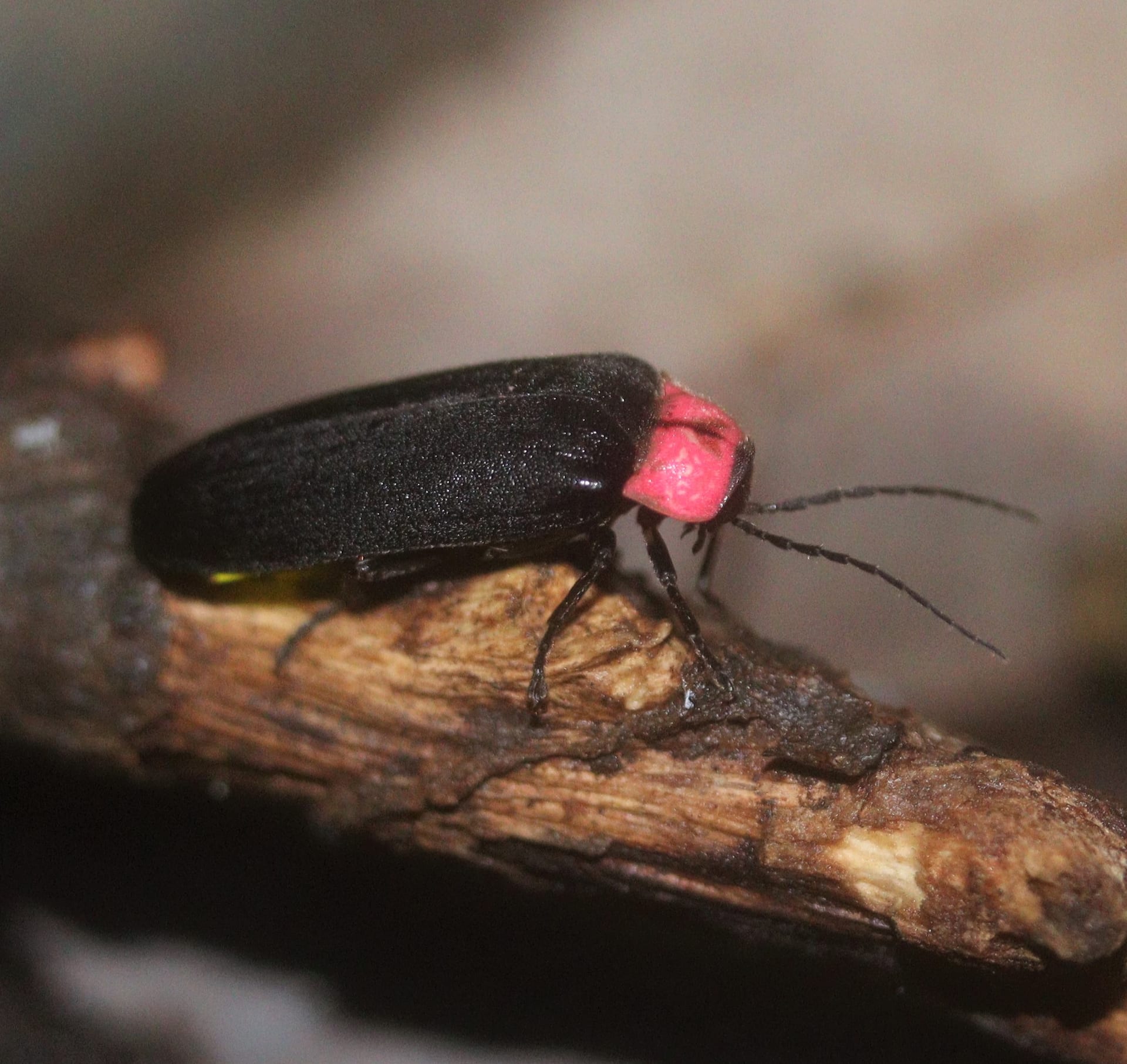
Japan's best known aquatic firefly, about 15 mm long and large for a Japanese species. A cross-shaped black mark in the middle of the pronotum is what the specific name refers to. The larvae live in clean streams and prey on freshwater snails.
Difficulty
Advanced
Temperature
20〜28℃
Lifespan
2-3 weeks as an adult
Size
About 15mm
Humidity
60〜80%
Diet
Larvae eat Semisulcospira snails; adults take only water
About
The genji firefly (Luciola cruciata) is an aquatic firefly endemic to Japan and, at about 15 mm, large for a Japanese species. The body is black with pink sides to the pronotum and a cross-shaped black mark in the middle. A pale yellow-green light organ sits at the tip of the abdomen; males light the sixth and seventh segments, females only the sixth. After mating the female lays into moss growing on stones or trees at the water's edge, and the larvae, hatching in summer, enter the stream at once and prey on Semisulcospira snails in slow, clean water. By spring they reach 2-3 cm, come ashore on a rainy night and build a cocoon in the soil to pupate. Adults appear from May to July, take only water and die within two or three weeks. The male flash interval differs by region, about two seconds in western Japan and four in the east, with the boundary at the western edge of the Fossa Magna.
Source: Wikipedia (CC BY-SA 4.0)
Lifespan of the Genji Firefly
The Genji Firefly lives 2-3 weeks as an adult.
Size of the Genji Firefly
The Genji Firefly grows to About 15mm.
Basic Info
Origin
Endemic to Japan (Honshu south of Yokohama, Aomori, plus Shikoku and Kyushu; introduced to Hokkaido and Hachijojima)
Lifespan
2-3 weeks as an adult
Size
About 15mm
Care Specifications
References & Sources
Edited & verified by: BreederDirect editorial team
The taxonomic, regulatory, and husbandry data on this page are compiled and verified against the authoritative primary sources below.
Taxonomy & Authority
Accepted name: Nipponoluciola cruciata Motschulsky, 1854
Synonyms: Nipponoluciola cruciata (Motschulsky, 1854), Luciola cruciata
Authority databases: GBIF
Nomenclature follows global taxonomic authority databases.
Regulations & Conservation Status
Not CITES-listed
Sources: CITES Appendices (species not listed)
Regulations may change. Always verify the latest information with the relevant authorities.
Genji Firefly Listings
Loading latest listingsFind listings for this species