How to Raise Fireflies: From Larvae to Adults and the Bioluminescence Mechanism Explained
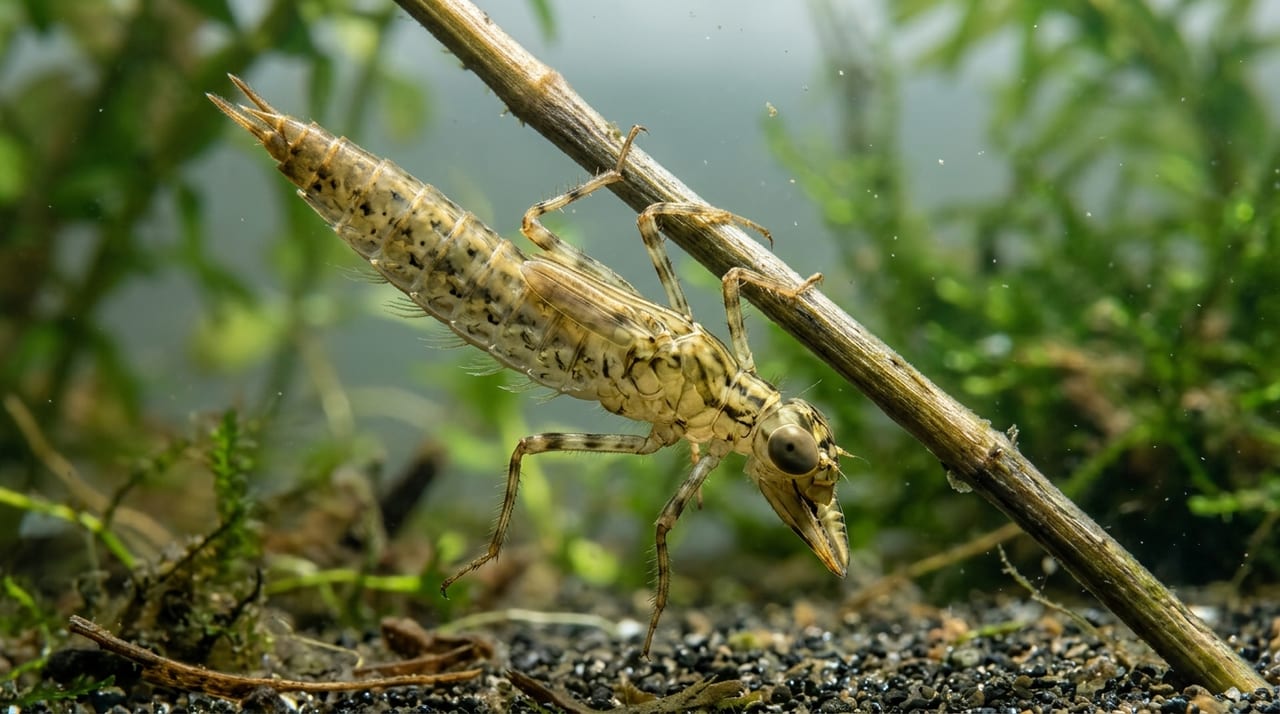
This guide explains how to collect and raise firefly larvae into adults. We'll cover the necessary environment, food (freshwater snails like kawanina), water quality management, pupation, emergence, and the bioluminescence mechanism in an easy-to-understand way.
Key Takeaways
This guide explains how to collect and raise firefly larvae into adults. We'll cover the necessary environment, food (freshwater snails like kawanina), water quality management, pupation, emergence, and the bioluminescence mechanism in an easy-to-understand way.
Related Species
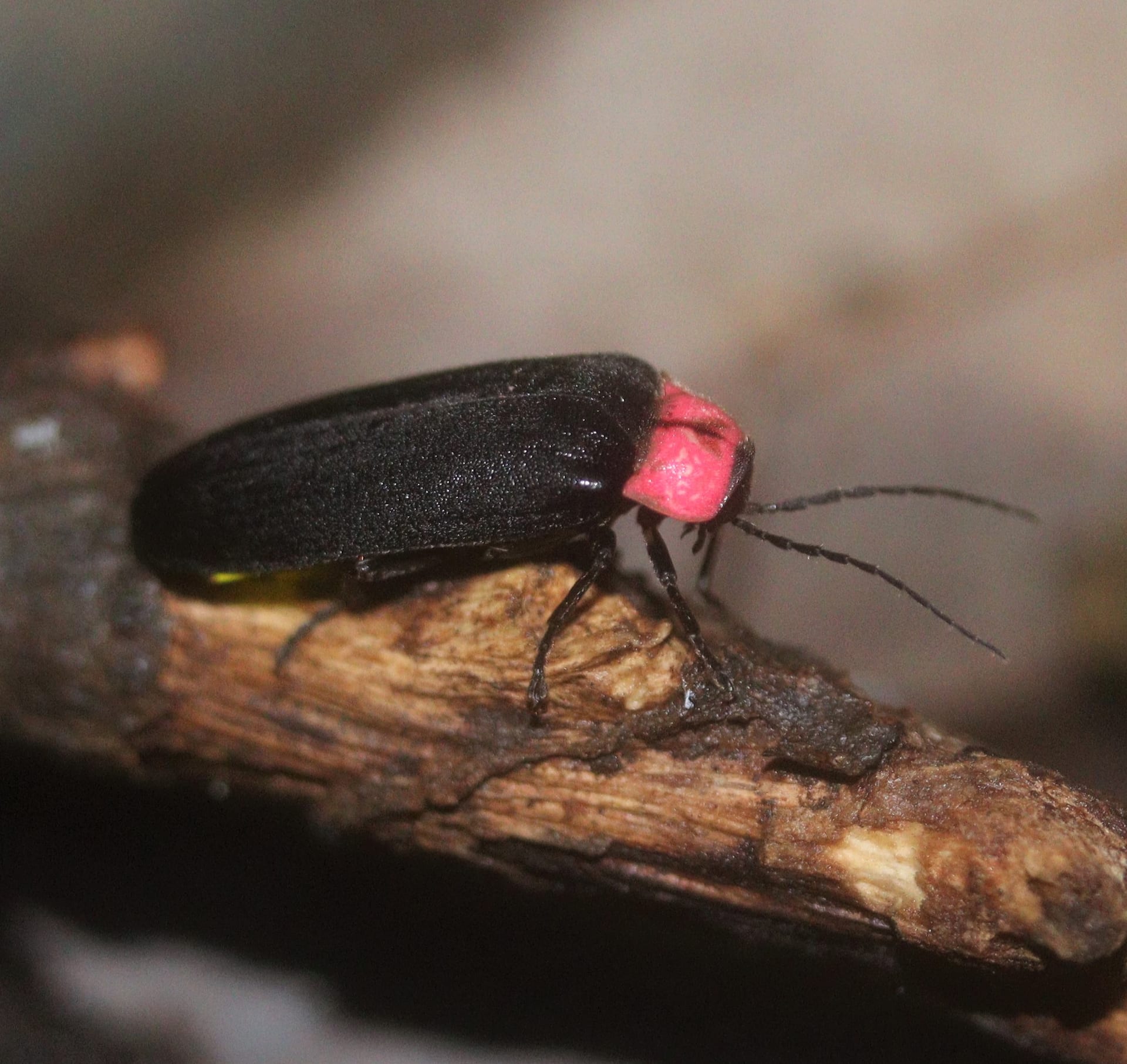
Fireflies have long been beloved as a quintessential part of Japanese summers. Their mysterious light captivates many people, and you might have wondered, "Could I raise fireflies myself?" In fact, with the right environment and knowledge, you can raise them from larvae to adults at home. This article focuses on the Genji firefly and provides a detailed guide to breeding methods from the larval stage through adulthood.
Basic Knowledge and Preparation for Firefly Breeding
First, let's understand the main firefly species found in Japan. The most popular is the Genji firefly, which grows to 15-18mm in length and produces a strong glow, making it popular for breeding. The slightly smaller Heike firefly has high environmental adaptability and is often recommended for beginners.
Breeding requires the following basic items:
- Aquariums or plastic containers (for larvae, select sizes that accommodate 10-15cm water depth)
- External or sponge filters (set water flow to low)
- Gravel or river sand (fine-grain varieties)
- Freshwater snails (kawanina) (primary food, discussed later)
- Thermometer and water temperature gauge
- Covered containers (for pupation and emergence)
The most important aspect of firefly breeding is water temperature management. Genji firefly larvae prefer water temperatures between 18-22°C. If temperatures exceed 25°C in summer, they will rapidly weaken, so use cooling fans or cold packs. Always dechlorinate tap water thoroughly, and ideally use water that has been left to stand overnight.
Collection and Sourcing of Larvae
Firefly larvae inhabit clean, flowing streams and areas around paddies. The best collection period is October through April of the following year, and they're easier to find at night by shining a flashlight on the water's edge. Their size varies by growth stage, but collectible individuals typically measure 1-3cm.
When collecting, keep the following points in mind:
- In some regions, fireflies are protected species. Check with your local authorities beforehand to confirm regulations.
- Keep collection to a minimum and minimize ecological impact.
- Use clean containers and avoid temperature fluctuations during transport.
Purchasing is also an option. Firefly conservation organizations and some specialty shops and online retailers sell larvae, which allows legal acquisition. Beginners often find this approach easier for securing healthy specimens.
Larval Care Management and Feeding
The primary food for Genji firefly larvae is kawanina (freshwater snails found in streams). This is a major factor that raises the difficulty of firefly breeding, and stable access to kawanina is key to successful rearing.
Kawanina can be obtained from tropical fish shops or online retailers. Choose snail sizes appropriate for your larvae's size. Snails with 2-5mm shells are easiest to eat, so avoid those that are too large. Each larva consumes about 10-15 snails per month, so maintain a steady stock.
Tips for Maintaining Kawanina
Since kawanina are living creatures, proper care is necessary. They'll live longer if you provide a small amount of algae or vegetables (spinach or komatsuna) in the tank. They're sensitive to water quality deterioration, so maintain clean water as you would for the firefly larvae.
Feed 2-3 times per week as a guide. Remove uneaten snail remains quickly, or water quality will deteriorate. Additionally, larvae can be cannibalistic, so avoid overcrowding and provide hiding places like rocks or driftwood in the container.
Change about 1/3 of the water once per week. Avoid complete water changes, as they cause sudden water quality shifts. Remove debris from gravel with a siphon or pipette to maintain cleanliness.
Preparing for Pupation and Emergence
Larvae develop over approximately 8-11 months and begin preparing to leave the water around April-May of the following year. Signs of emergence include larvae moving near the water's surface or attempting to climb the container walls. It's important not to miss this timing.
Preparing the Land Area
Create a land area on one side of the tank. Layer moistened red soil or leaf mold 5-10cm deep in a plastic container, placing it adjacent to the tank or creating an island-like area within the tank. Ideal soil moisture should feel like it holds together when squeezed but doesn't drip. If too dry, pupae will die, so mist lightly daily to maintain moisture.
Once on land, larvae burrow into the soil and spend 2-4 weeks constructing a pupation chamber before pupating. During this period, avoid moving the container or causing vibrations. Pupae are delicate, and even slight disturbance can result in failed emergence.
The Moment of Emergence
Emergence occurs 2-3 weeks after pupation, typically in the evening to night. Freshly emerged fireflies have soft bodies and produce weak light initially, but within hours their wings expand and they emit their characteristic bright glow. Avoid handling newly emerged individuals; observe them from the next day onward.
The Firefly Bioluminescence Mechanism
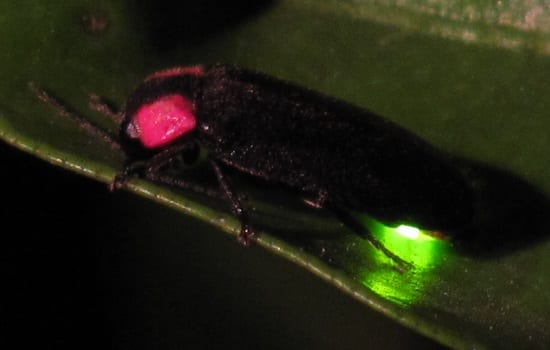
The firefly light mechanism is remarkably sophisticated. The light organ in the abdomen contains a substance called luciferin and an enzyme called luciferase. When these two react with oxygen and ATP (an energy molecule), they produce light known as "cold light" that generates almost no heat. This efficiency far exceeds that of fluorescent bulbs, converting nearly 100% of energy into light.
The color of light varies by species. Genji fireflies produce yellow-green light, while Heike fireflies emit yellowish-green. Light patterns also differ by species; male Genji fireflies flash every four seconds or so while flying, and females respond from the grass. This exchange is directly linked to breeding behavior, with light rhythm serving as the firefly's "language."
Larvae and eggs also emit faint light. This is believed to be a warning signal to predators, interpreted as "I taste bad, don't eat me." Research into bioluminescence continues, and its applications in medicine and biotechnology are gaining attention.
Adult Care and Release into Nature
The lifespan of adult fireflies is only 1-2 weeks. Adult fireflies have degenerated mouths and consume little food. However, hydration is necessary, so place moistened cotton or humidity-retaining plants in the container.
Ideal adult housing is a cool, shaded location away from direct sunlight. Keep them in a quiet place during the day and enjoy observing them at night. If housing multiple individuals in one container, providing space for mating and egg-laying can lead to raising the next generation.
Once females lay eggs, manage them on moistened moss or foam sponge. Eggs hatch in approximately one month, and the larval rearing cycle begins again.
If releasing bred fireflies to nature, limit releases to the original collection location and local environment. Releasing individuals from different regions can cause genetic pollution, negatively impacting conservation efforts. Rather than release, you can contribute more to firefly conservation by continuing to breed and raise them for the following year.
While firefly breeding requires effort, watching the larvae grow and seeing the light you've nurtured dance across the night sky is an incomparable joy. As long as you maintain proper water quality and secure a steady supply of kawanina, even beginners can successfully raise fireflies. We encourage you to experience the cycle of life up close.