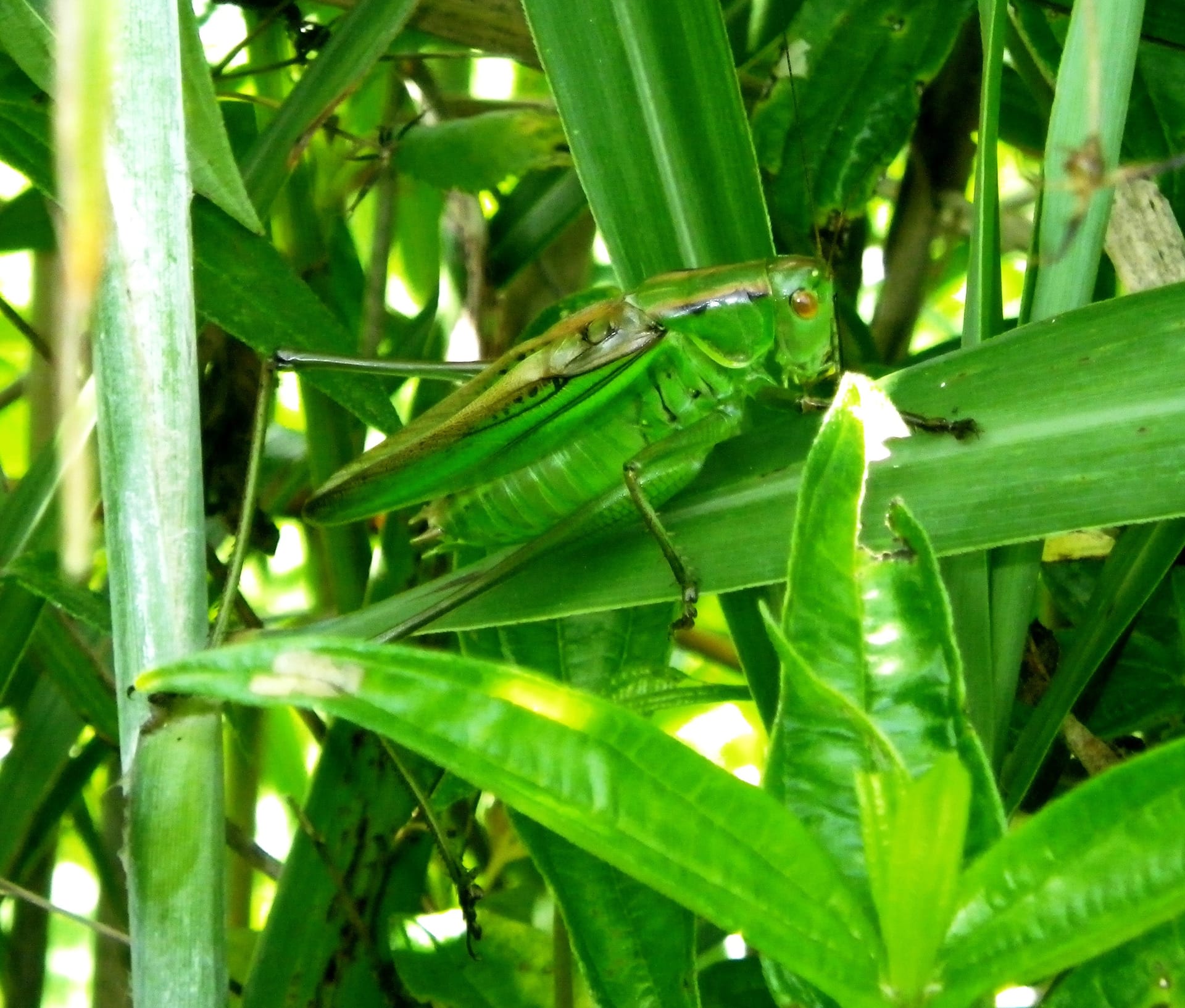
 © Mmsmr / CC0
Japanese Katydid
The Japanese katydid is a large, striking singing insect that comes in both green and brown color forms. Males rub specialized structures on their forewings together to produce a distinctive call, making this species as much fun to listen to as it is to observe. Adults reach roughly 29.0-37.0mm (males) and 30.0-39.5mm (females), and their spiny forelegs hint at an omnivorous streak, since they'll readily snap up other insects along with plant matter. With a one-year life cycle that overwinters as eggs, this hardy species is considered a good next step for keepers who already have some experience with singing insects.
View Japanese Katydid encyclopedia →Breeder Wanted!
List on BreederDirect and sell directly to customers nationwide!
BreederDirect's 6 Transparency Commitments
When listing Insects, Breeders disclose the following. We guarantee transparency on growth stage and breeding unit.
- Life Stage Clarity
- Generation Info
- Real Photos
- Breeding Unit
- Country of Origin
- Body Length (mm)
Browse all 336 breeds
Verified breeders wanted for Insects
Breeders are signing up now ahead of launch. Subscribe to be notified when new listings go live.
Getting alerts is free with a member account. When new listings match your saved search, we'll notify you by email and in-app.
Browse other categories
Verified breeders (preview)
Japanese Katydid key facts
- Care level
- Intermediate
- Lifespan
- One year (single-brooded, overwintering as eggs)
- Size
- Males 29.0-37.0mm, females 30.0-39.5mm (head to wing tip)
- Diet
- Omnivorous: herbaceous plants and other insects
- Temperature & Humidity
- It lives in sunny grassland from the lowlands to low hills, and since it overwinters as an egg the soil in the container should be kept damp through the winter after laying.
- Breeding & Egg-laying
- The female lays with the sword-like ovipositor at the tip of her abdomen. The insect is single-brooded and overwinters as an egg, the adults appearing in summer. The eastern and western species occupy different ranges, so do not cross insects from different localities.
- Cohabitation
- It is strongly omnivorous and preys on other insects, so several in one container will eat one another; it has even been recorded taking a mantis. Keep it singly, or at low density with plenty of animal food.
- Lifespan & Rearing Period
- It is single-brooded and lives one year. The adults appear in summer and the eggs carry the population through the winter.
- Health & Notes
- The front legs carry spines longer than the leg is thick and the mandibles are strong, so it may bite if handled bare-handed. A related species occurs in Hokkaido and another in the Okinawa and Miyako islands, so check locality data before housing insects together.
About Japanese Katydid
A large green or brown Japanese katydid recognized by its distinctive call, suited to intermediate keepers, with males reaching 29.0-37.0mm and females 30.0-39.5mm.
7 things to know before welcoming a Japanese Katydid
1About Their Song
Males produce a clear, high-pitched call by rubbing their forewings together, most often at dusk and in the early morning. If keeping one indoors, it helps to think ahead about where the sound will and won't be a bother.
2Give It Roomy Housing
Because katydids are large and active, they do best in a reasonably spacious, tall enclosure. They're strong jumpers, so choose a container with a secure, tight-fitting lid.
3Omnivorous, Even Predatory
Katydids are strongly omnivorous and will readily catch and eat other insects, not just plant matter. If keeping more than one together, avoid running out of food and provide hiding spots to reduce the risk of cannibalism.
4Spiny Forelegs
Their forelegs are lined with spines longer than the leg itself, which can prick your fingers if you're not careful when handling them. Hold them gently and avoid gripping the body tightly.
5A One-Year Life Cycle
Japanese katydids complete one generation per year and pass the winter as eggs. Their time as adults is relatively short, so keeping one is really about enjoying that limited window closely.
6Watch Temperature and Humidity
Katydids are sensitive to both excess heat or dryness and stuffy, overly humid conditions, so good ventilation with moderate humidity matters. Avoid direct sunlight and spots where the temperature swings sharply.
7Best Suited to Intermediate Keepers
This species is generally considered suited to intermediate keepers. Some prior experience with insect care makes it easier to manage feeding and environmental conditions smoothly.
Frequently asked questions about Japanese Katydid
- Q.Do only male Japanese katydids sing?
- A.Yes, only males have the sound-producing structure on their forewings, so only they call. Females lack this structure and do not sing.
- Q.How big do they get?
- A.Adults reach roughly 29.0-37.0mm in males and 30.0-39.5mm in females. This measurement runs from the head to the tip of the folded wings.
- Q.How long do they live?
- A.Japanese katydids live for about one year, completing a single generation annually. They overwinter as eggs and hatch and grow from spring into summer.
- Q.Can I house it together with other insects?
- A.Because katydids are strongly omnivorous and will prey on other insects, it's safer not to house them with smaller species. Even among their own kind, crowding can lead to cannibalism.
- Q.Are there any legal restrictions on this species?
- A.This species is not subject to CITES.
Useful tools for Japanese Katydid care
Learn more about Japanese Katydid in the encyclopedia
View Japanese Katydid encyclopedia entry →
Care difficulty, lifespan, size and diet — all basics covered.
More in this category
Can't find the one you're looking for?
Post your wishes for free and breeders with matching animals will contact you with introductions.