Source: Wikimedia Commons
Japanese Katydid
IntermediateGampsocleis buergeri
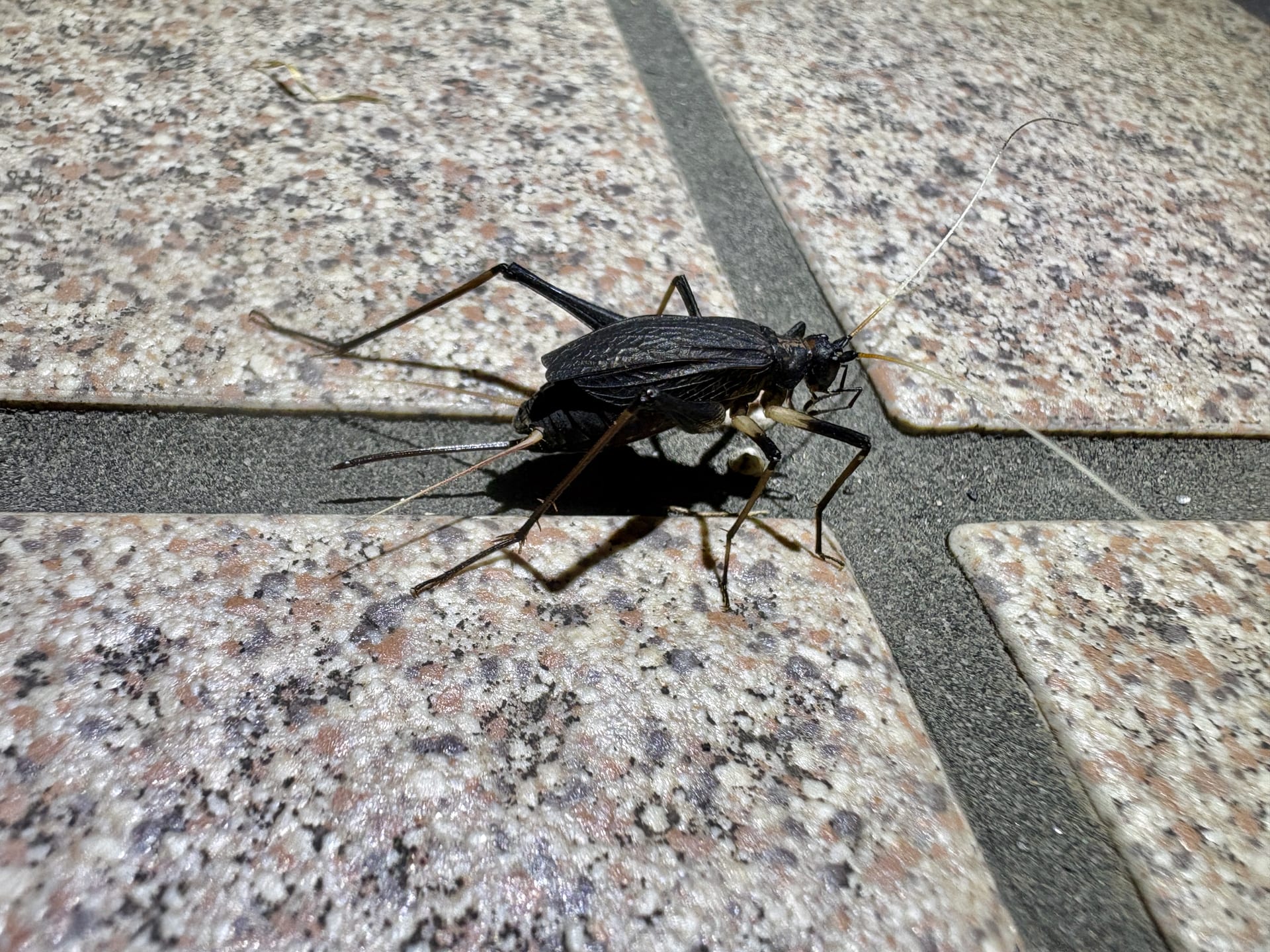
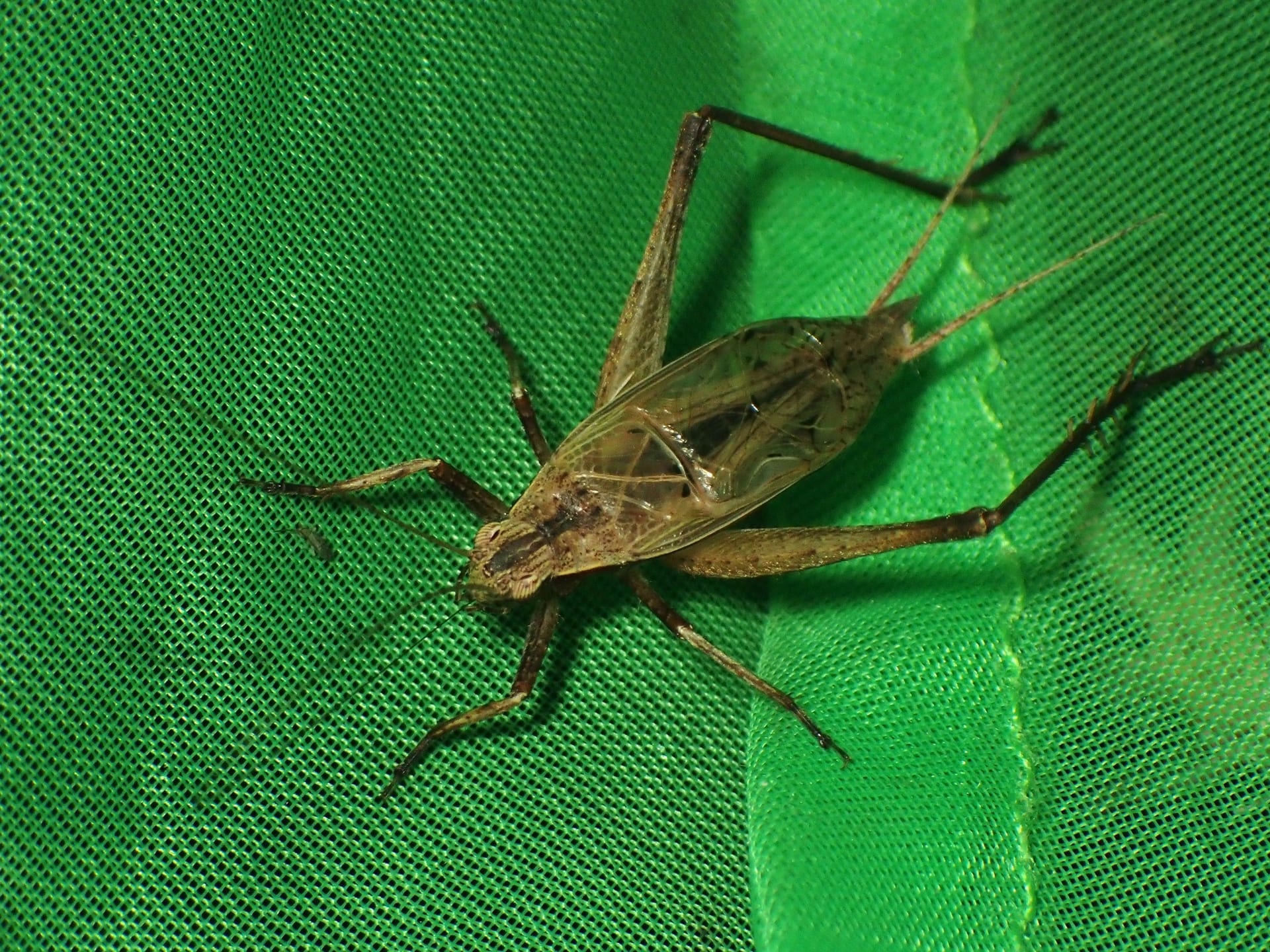
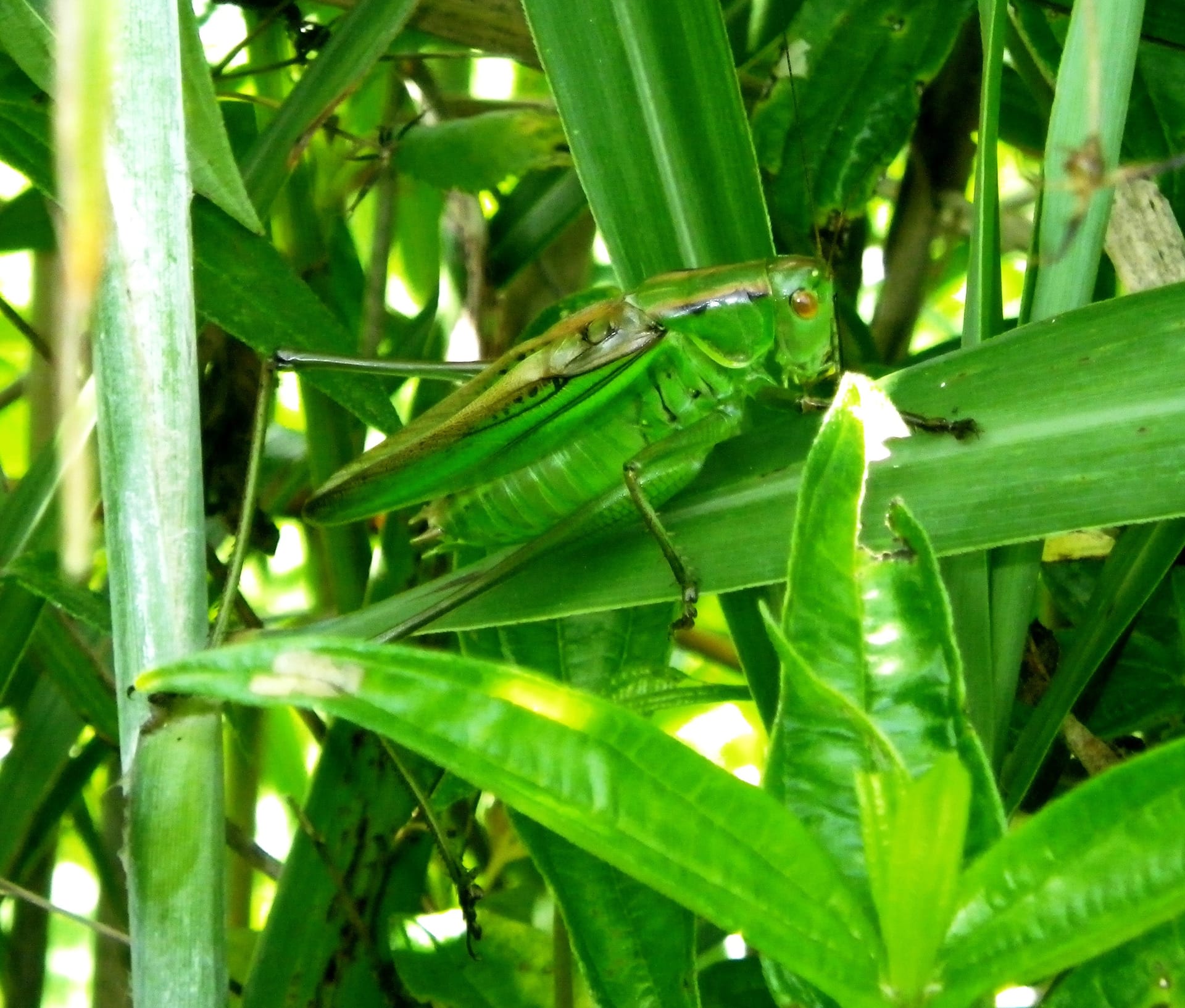
A large katydid occurring in both green and brown forms. The male sings with a stridulatory organ on the forewing, and the front legs carry a row of spines longer than the leg is thick. It is strongly omnivorous and will catch and eat other insects.
Difficulty
Intermediate
Temperature
20〜28℃
Lifespan
One year (single-brooded, overwintering as eggs)
Size
Males 29.0-37.0mm, females 30.0-39.5mm (head to wing tip)
Humidity
60〜80%
Diet
Omnivorous: herbaceous plants and other insects
About
The katydids called kirigirisu in Japan have, since the 2000s, been treated as two species rather than one. Because the name buergeri is thought to rest on a specimen from Nagasaki, it is applied to the western species, which ranges from the Kinki region to Amami-Oshima. The Japanese Wikipedia gives the western species as 29.0-37.0 mm in males and 30.0-39.5 mm in females, with longer wings and fewer black spots than the eastern species. Both a green and a brown form occur, depending on where the insect grows up. Unlike a grasshopper it is deep-bodied with long legs and antennae, and its hearing organs lie partway along the front legs. The female has a sword-like ovipositor. The first two pairs of legs bear many spines, and the insect is omnivorous enough that it has been recorded preying on a mantis. It is single-brooded, the adults appearing in summer in grassland.
Source: Wikipedia (CC BY-SA 4.0)
Size of the Japanese Katydid
The Japanese Katydid grows to Males 29.0-37.0mm, females 30.0-39.5mm (head to wing tip).
Basic Info
Origin
Japan (from the Kinki region to Amami-Oshima in the Nansei Islands, as the western species)
Lifespan
One year (single-brooded, overwintering as eggs)
Size
Males 29.0-37.0mm, females 30.0-39.5mm (head to wing tip)
Temperature
20〜28℃
Humidity
60〜80%
Care Specifications
References & Sources
Edited & verified by: BreederDirect editorial team
The taxonomic, regulatory, and husbandry data on this page are compiled and verified against the authoritative primary sources below.
Taxonomy & Authority
Accepted name: Gampsocleis buergeri (Haan, 1843)
Synonyms: Gampsocleis mikado Burr, 1899
Authority databases: GBIF
Nomenclature follows global taxonomic authority databases.
Regulations & Conservation Status
Not CITES-listed
Sources: CITES Appendices (species not listed)
Regulations may change. Always verify the latest information with the relevant authorities.
Japanese Katydid Listings
Loading latest listingsFind listings for this species