Source: Wikimedia Commons
Emma Field Cricket
BeginnerTeleogryllus emma
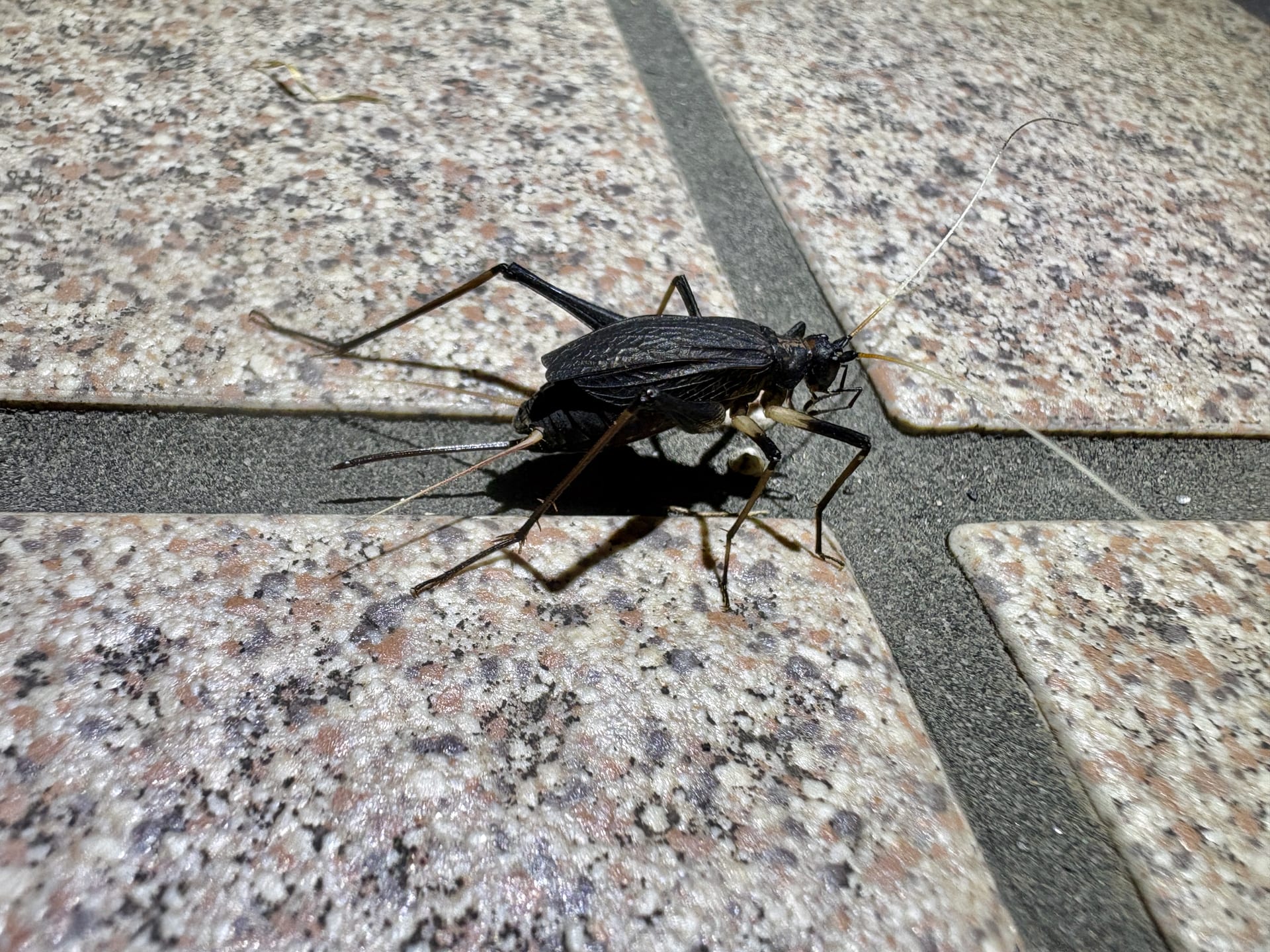
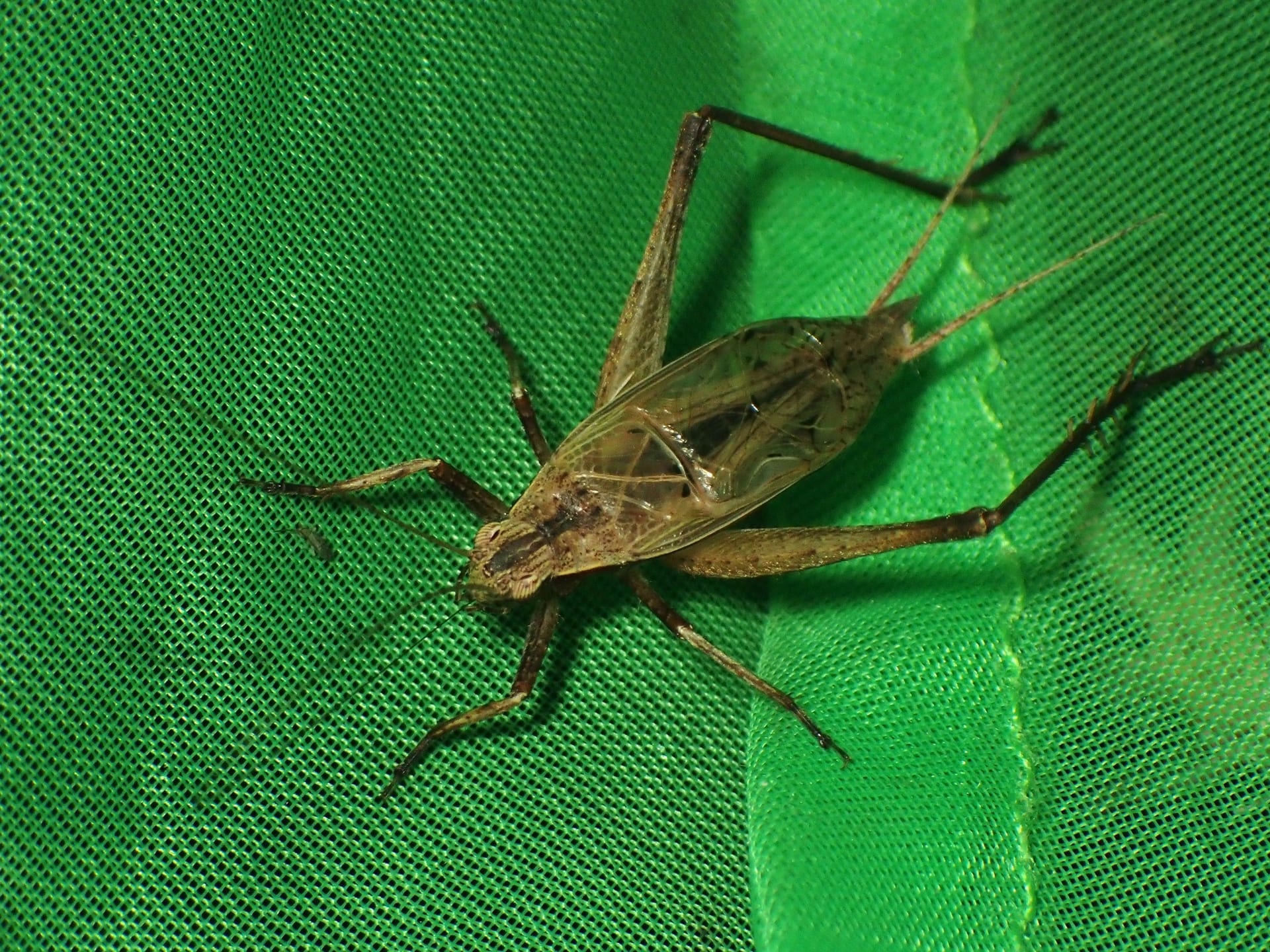
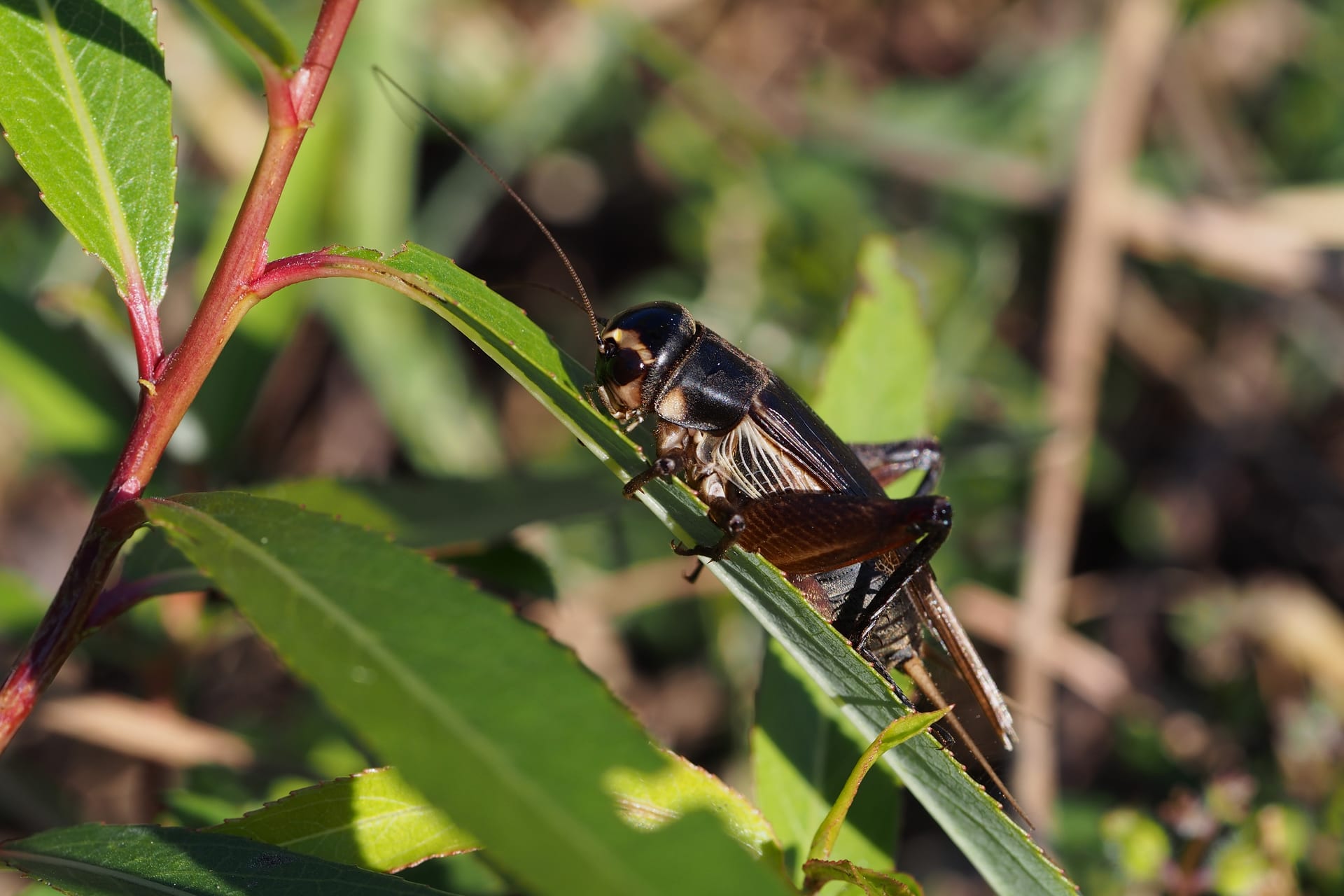
The largest cricket on the Japanese mainland, 26-32 mm as an adult. The black markings around its compound eyes suggest the scowling face of Enma, the judge of the dead, which is what the Japanese name refers to. Its song is outstanding among the true crickets.
Difficulty
Beginner
Temperature
20〜28℃
Lifespan
One year (single-brooded; adults live 1-2 months)
Size
26-32mm
Humidity
60〜80%
Diet
Omnivorous: plant matter, carrion of small animals and seeds
About
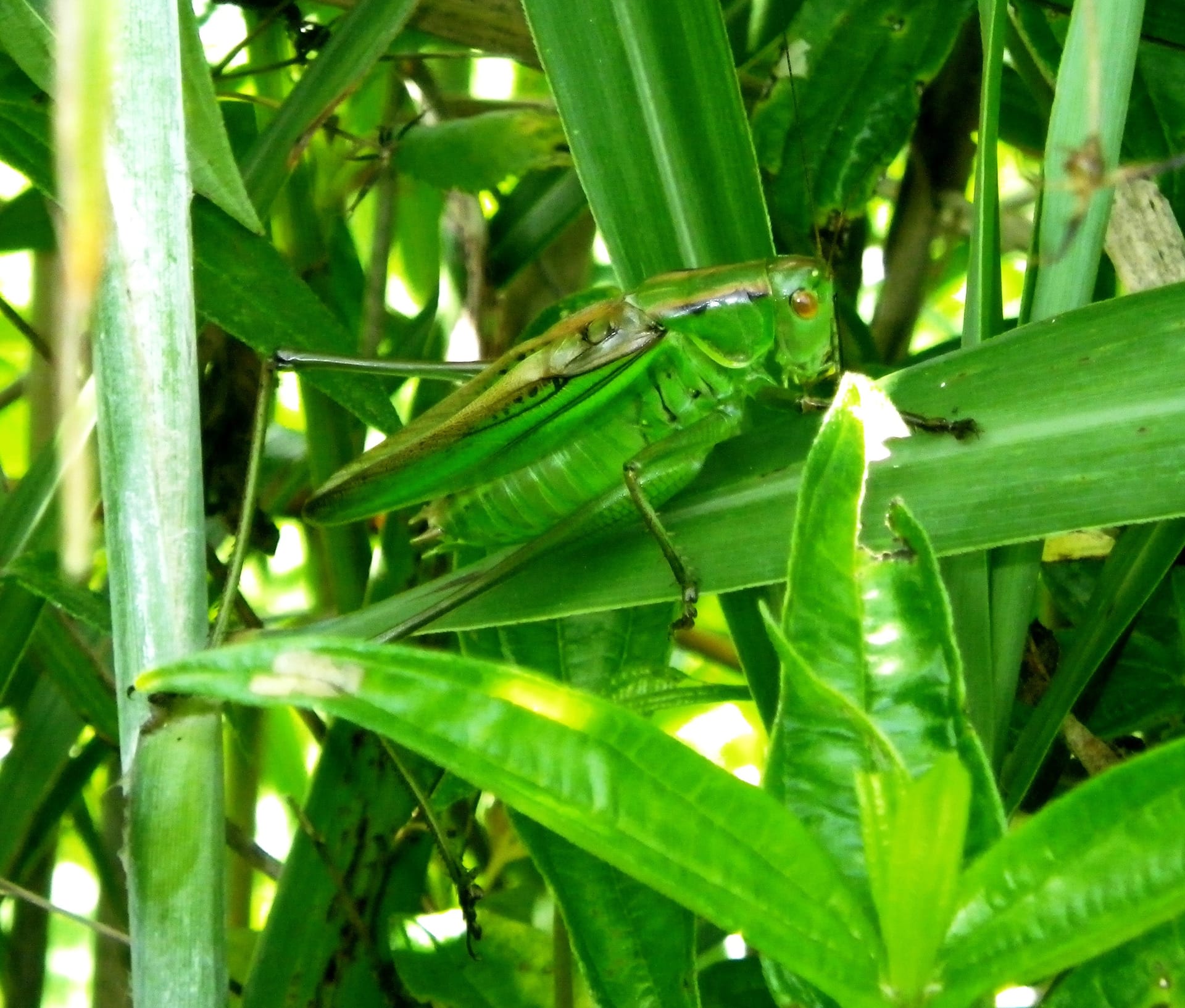
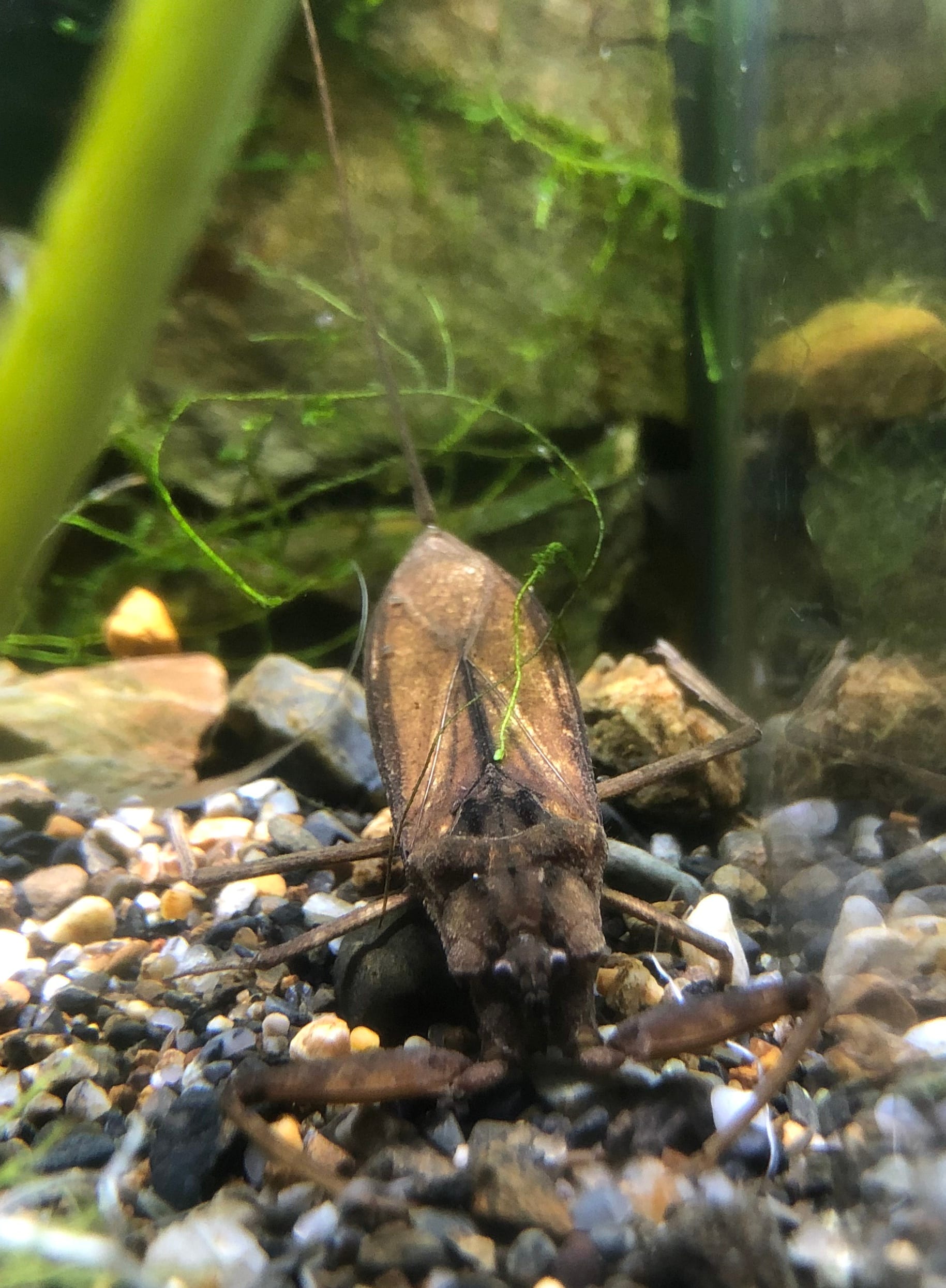
Teleogryllus emma is 26-32 mm as an adult and the largest cricket on the Japanese mainland. The upper side is uniformly blackish brown and the underside pale brown, with reddish tones along the flanks and forewings. Black markings surround the compound eyes, topped by pale brown bands like eyebrows, and the resemblance to the scowling face of Enma gives both the Japanese name and the specific name emma. By day it hides among vegetation and dead grass; at night it wanders about and comes to lights. The male raises his forewings and rubs them together in a rolling song, which shortens into clipped bursts when two males meet. It is single-brooded and overwinters as an egg: adults appear from about August to November, and the female drives her long ovipositor into the ground to lay eggs of about 3 mm one at a time. They hatch the following May or June.
Source: Wikipedia (CC BY-SA 4.0)
Lifespan of the Emma Field Cricket
The Emma Field Cricket lives One year (single-brooded; adults live 1-2 months).
Size of the Emma Field Cricket
The Emma Field Cricket grows to 26-32mm.
Basic Info
Origin
East Asia; in Japan almost nationwide except the Nansei Islands
Lifespan
One year (single-brooded; adults live 1-2 months)
Size
26-32mm
Temperature
Care Specifications
References & Sources
Edited & verified by: BreederDirect editorial team
The taxonomic, regulatory, and husbandry data on this page are compiled and verified against the authoritative primary sources below.
Taxonomy & Authority
Accepted name: Teleogryllus emma (Ohmachi & Matsuura, 1951)
Authority databases: GBIF
Nomenclature follows global taxonomic authority databases.
Regulations & Conservation Status
Not CITES-listed
Sources: CITES Appendices (species not listed)
Regulations may change. Always verify the latest information with the relevant authorities.
Emma Field Cricket Listings
Loading latest listingsFind listings for this species