Source: Wikimedia Commons
Water Scorpion
BeginnerLaccotrephes japonensis
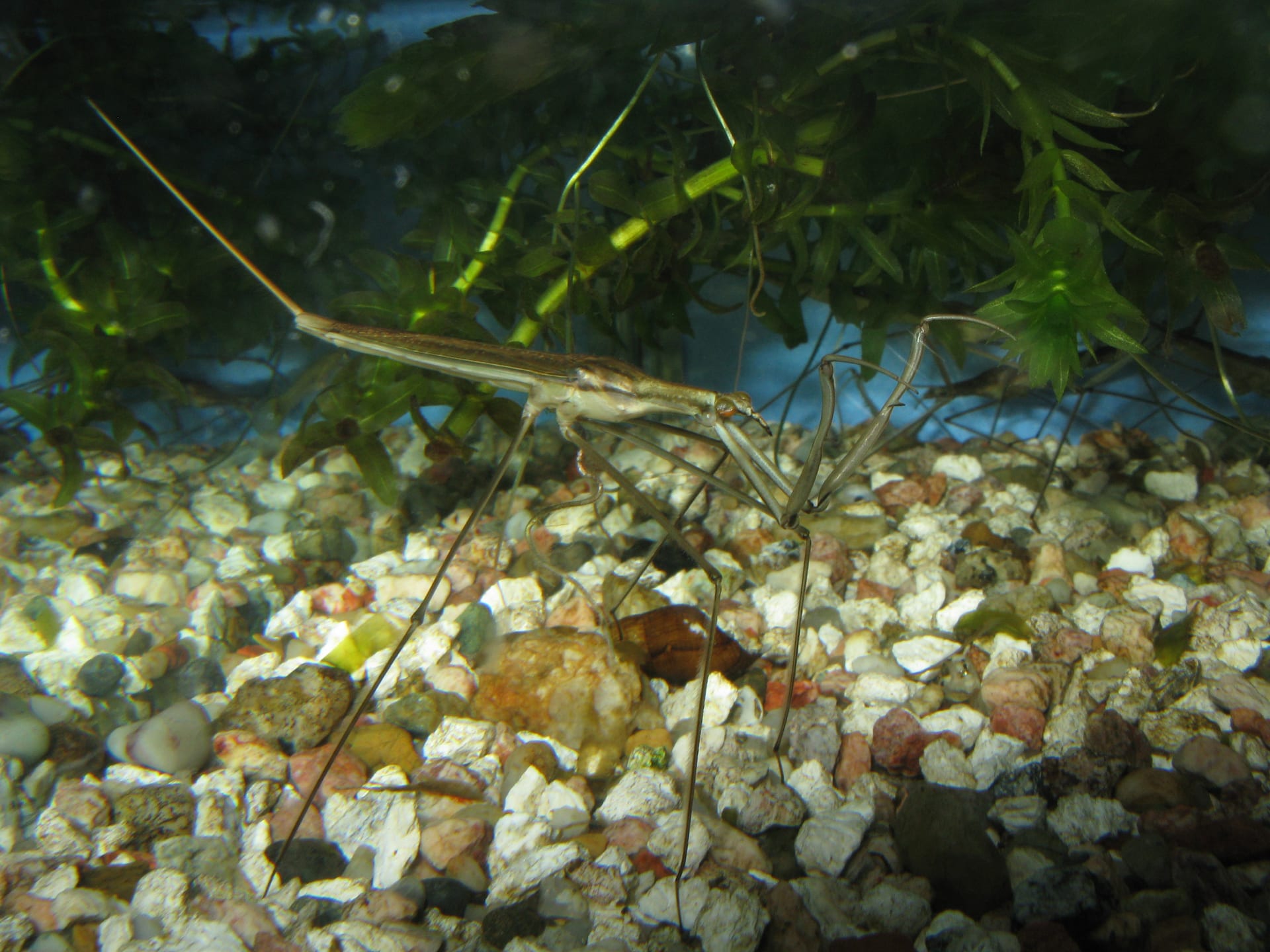
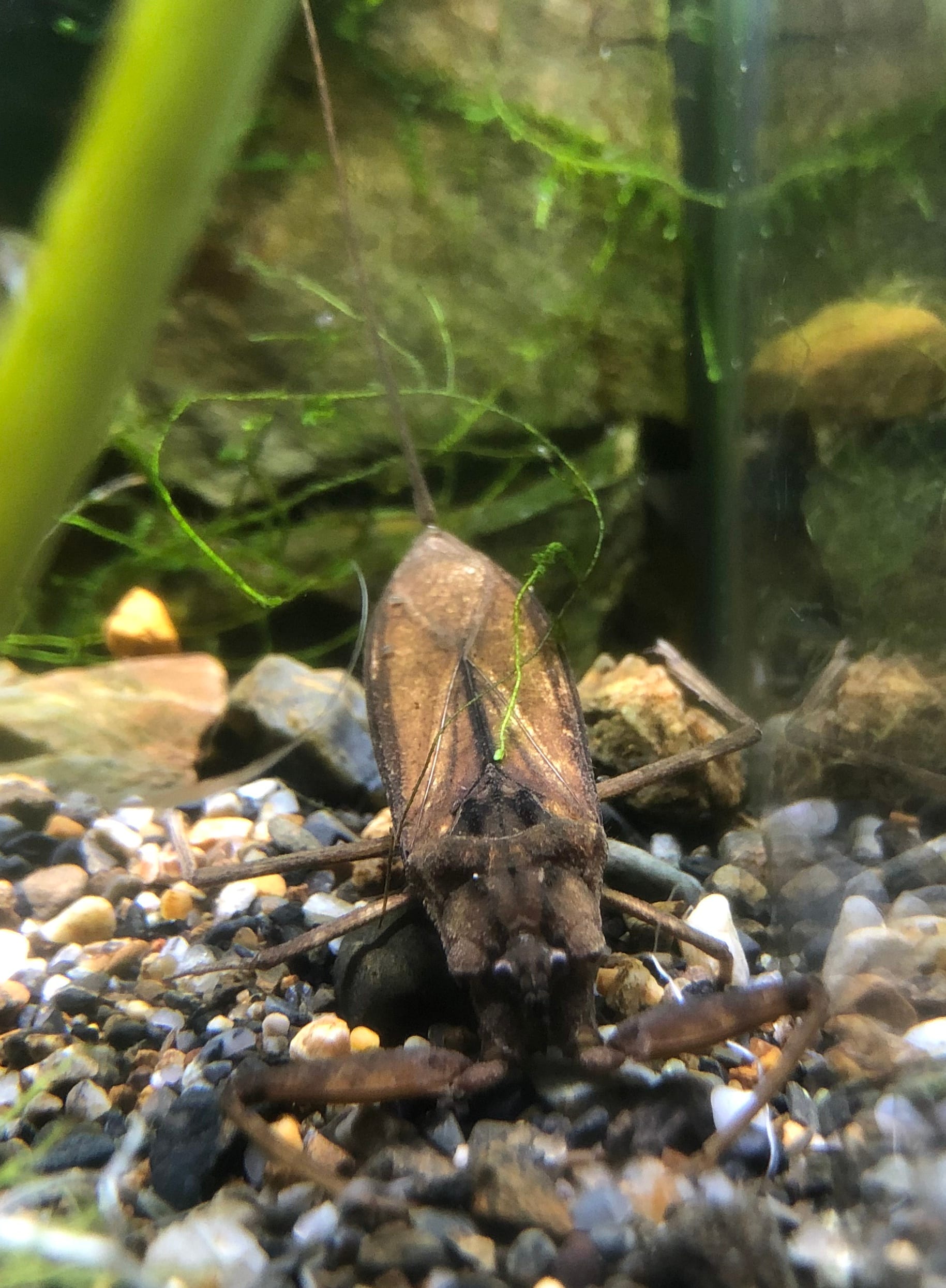
An aquatic bug that waits in ambush underwater with the tip of its long abdominal breathing tube at the surface. The Japanese name comes from the way it moves its front legs like someone beating a drum, and it takes poor water quality fairly well.
Difficulty
Beginner
Temperature
20〜28℃
Lifespan
2-3 years
Size
30-35mm
Humidity
60〜80%
Diet
Small fish, tadpoles, aquatic insects and terrestrial insects
About
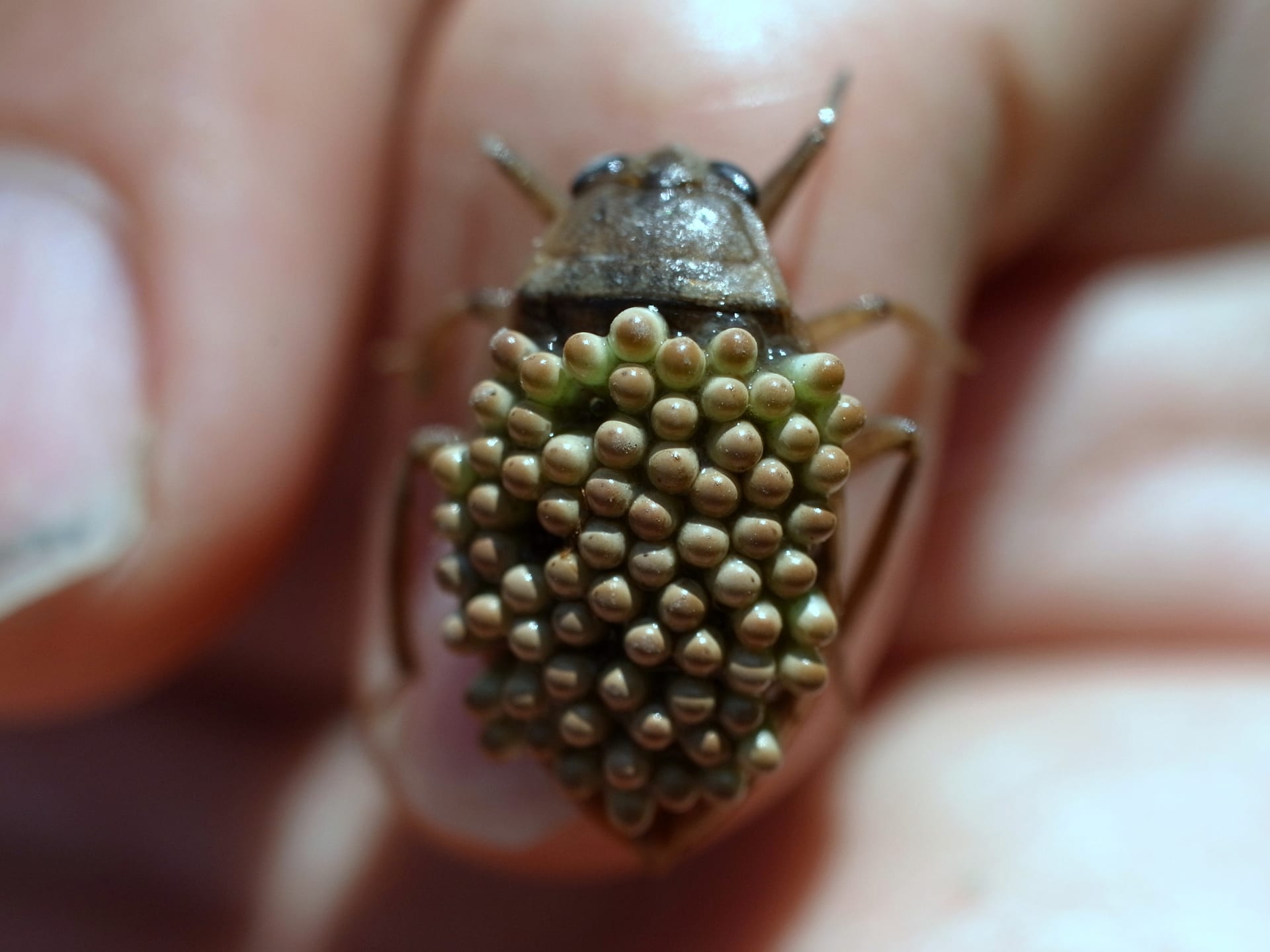
Laccotrephes japonensis is a brown, spindle-shaped water bug of 30-35 mm that lives in shallow water such as streams and rice paddies. A long breathing tube at the tip of the abdomen is held with its end at the surface while the bug waits underwater for prey. It seizes fish, other aquatic insects and tadpoles with its raptorial front legs, injects digestive fluid through its stylets and sucks out the dissolved tissue. The Japanese name comes from the way it moves its front legs, likened to beating a drum. Picked up, it draws in its legs and feigns death. Eggs are laid from May to August, the female placing them a few or up to ten at a time in soil or moss at the waterside, each egg carrying about ten respiratory filaments. The larvae reach adulthood in about two months through five moults. Around November they overwinter on land and in the water, and the bug lives two to three years.
Source: Wikipedia (CC BY-SA 4.0)
Lifespan of the Water Scorpion
The Water Scorpion lives 2-3 years.
Size of the Water Scorpion
The Water Scorpion grows to 30-35mm.
Basic Info
Origin
Japan (Honshu south of the Tsugaru district of Aomori, Shikoku, Kyushu, Tsushima and the Nansei Islands north of Okinawa Island)
Lifespan
2-3 years
Size
30-35mm
Temperature
Care Specifications
References & Sources
Edited & verified by: BreederDirect editorial team
The taxonomic, regulatory, and husbandry data on this page are compiled and verified against the authoritative primary sources below.
Taxonomy & Authority
Accepted name: Laccotrephes japonensis Scott, 1874
Authority databases: GBIF
Nomenclature follows global taxonomic authority databases.
Regulations & Conservation Status
Not CITES-listed
Sources: CITES Appendices (species not listed)
Regulations may change. Always verify the latest information with the relevant authorities.
Water Scorpion Listings
Loading latest listingsFind listings for this species