Source: Wikimedia Commons
Pine Cricket
AdvancedXenogryllus marmoratus
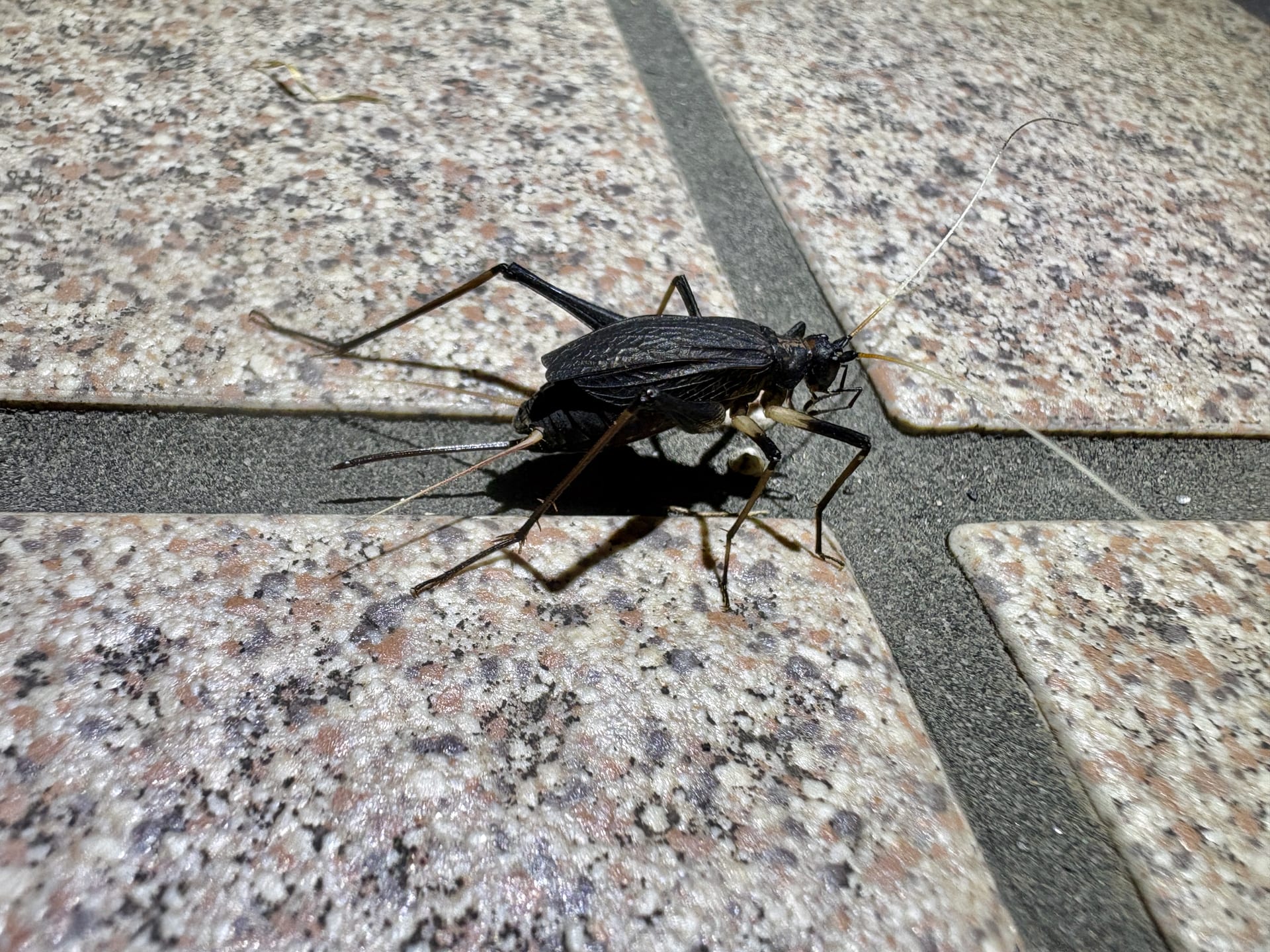
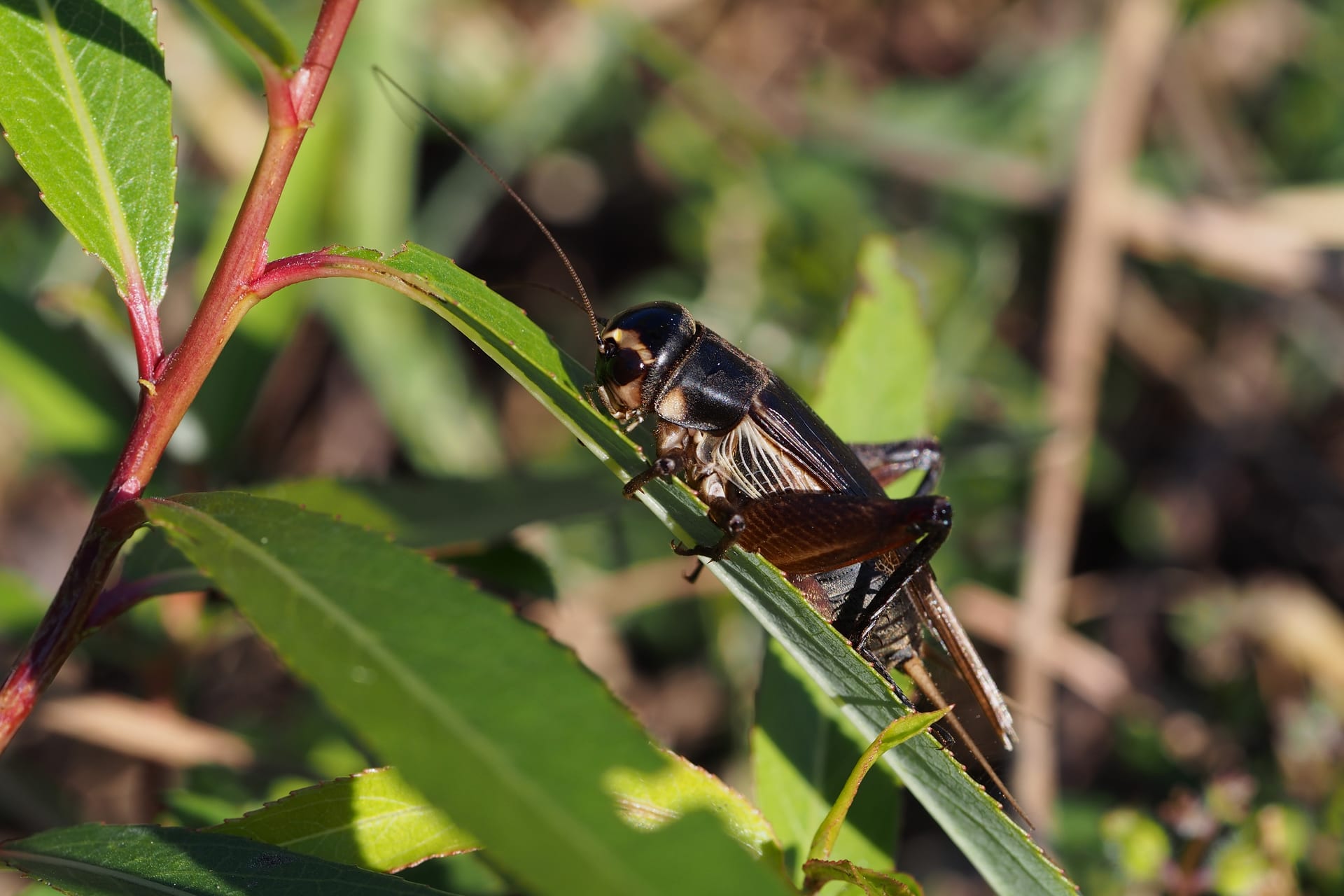
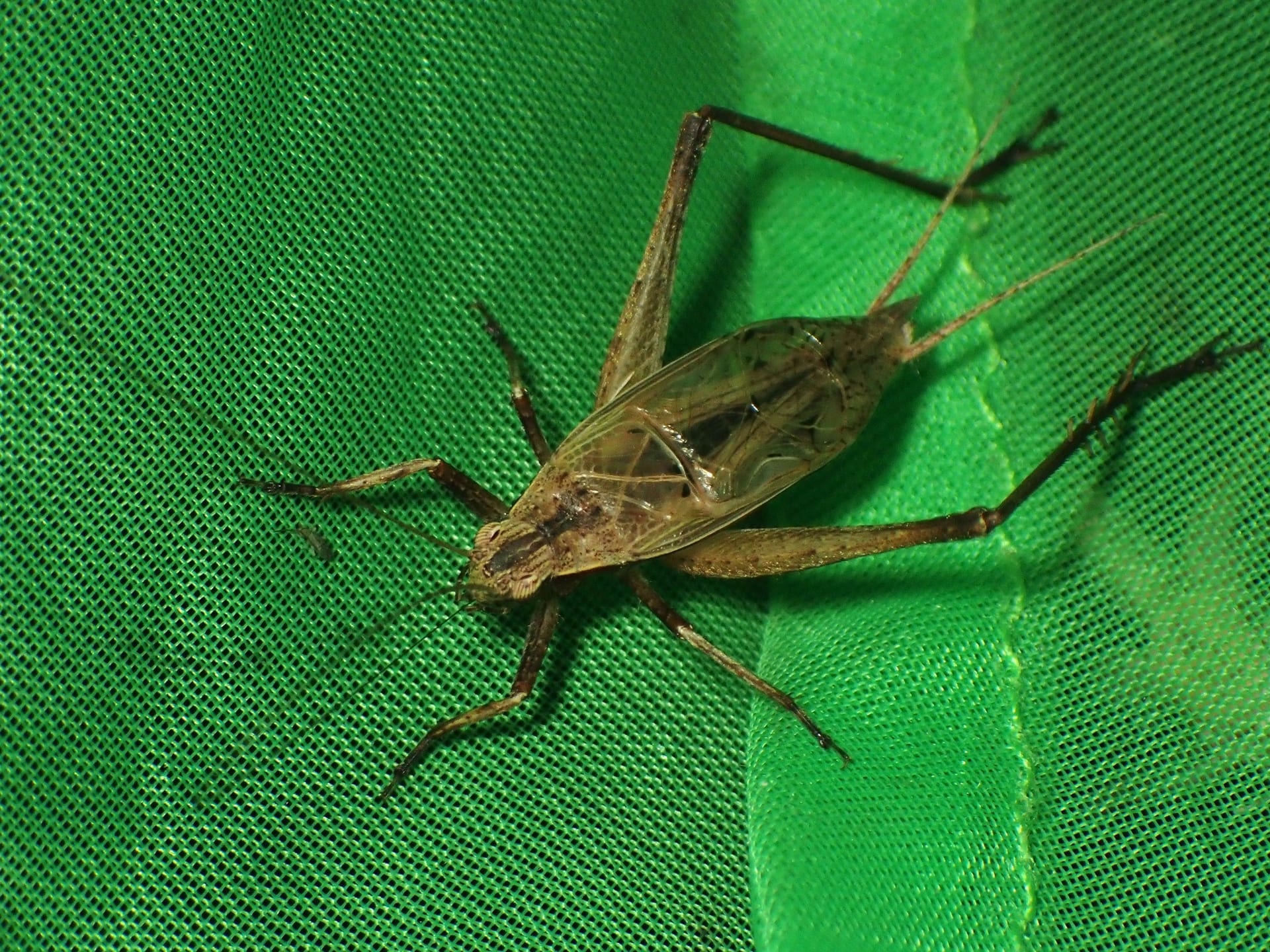
A singing insect resembling the bell cricket but larger and pale brown. It lives in dry, sunny grassland dominated by pampas grass and sings loudly and sharply. Adhesive pads on its tarsi let it climb vertical surfaces such as glass.
Difficulty
Advanced
Temperature
20〜28℃
Lifespan
One year (single-brooded, overwintering as eggs)
Size
19-33mm
Humidity
60〜80%
Diet
Leaves of herbaceous plants, dead plant matter and insect carrion
About
Xenogryllus marmoratus resembles the bell cricket but is larger, 19-33 mm, and pale brown. Adhesive pads on its tarsi let it climb vertical plastic or glass, which the bell cricket cannot do. Adults appear from mid-August to late November in dry, sunny grassland from the lowlands to low hills, especially riverbanks, coastlines and railway verges dominated by pampas grass. Its colouring matches dead leaves and dry grass, yet it lives mostly on living plants. It eats the leaves of herbaceous plants, insect carrion and dead plant matter, and the female lays into the stems of grasses. The song is rendered in a Japanese school song as chinchirorin, but in reality it is a sharp, very loud call, loud enough to disturb sleep if the insect is kept indoors. It is harder to keep than the bell cricket, which lays into soil.
Source: Wikipedia (CC BY-SA 4.0)
Size of the Pine Cricket
The Pine Cricket grows to 19-33mm.
Basic Info
Origin
Japan (Honshu south of Niigata, Shikoku and Kyushu)
Lifespan
One year (single-brooded, overwintering as eggs)
Size
19-33mm
Temperature
20〜28℃
Humidity
60〜80%
Diet
Care Specifications
References & Sources
Edited & verified by: BreederDirect editorial team
The taxonomic, regulatory, and husbandry data on this page are compiled and verified against the authoritative primary sources below.
Taxonomy & Authority
Accepted name: Xenogryllus marmoratus (Haan, 1844)
Authority databases: GBIF
Nomenclature follows global taxonomic authority databases.
Regulations & Conservation Status
Not CITES-listed
Sources: CITES Appendices (species not listed)
Regulations may change. Always verify the latest information with the relevant authorities.
Pine Cricket Listings
Loading latest listingsFind listings for this species