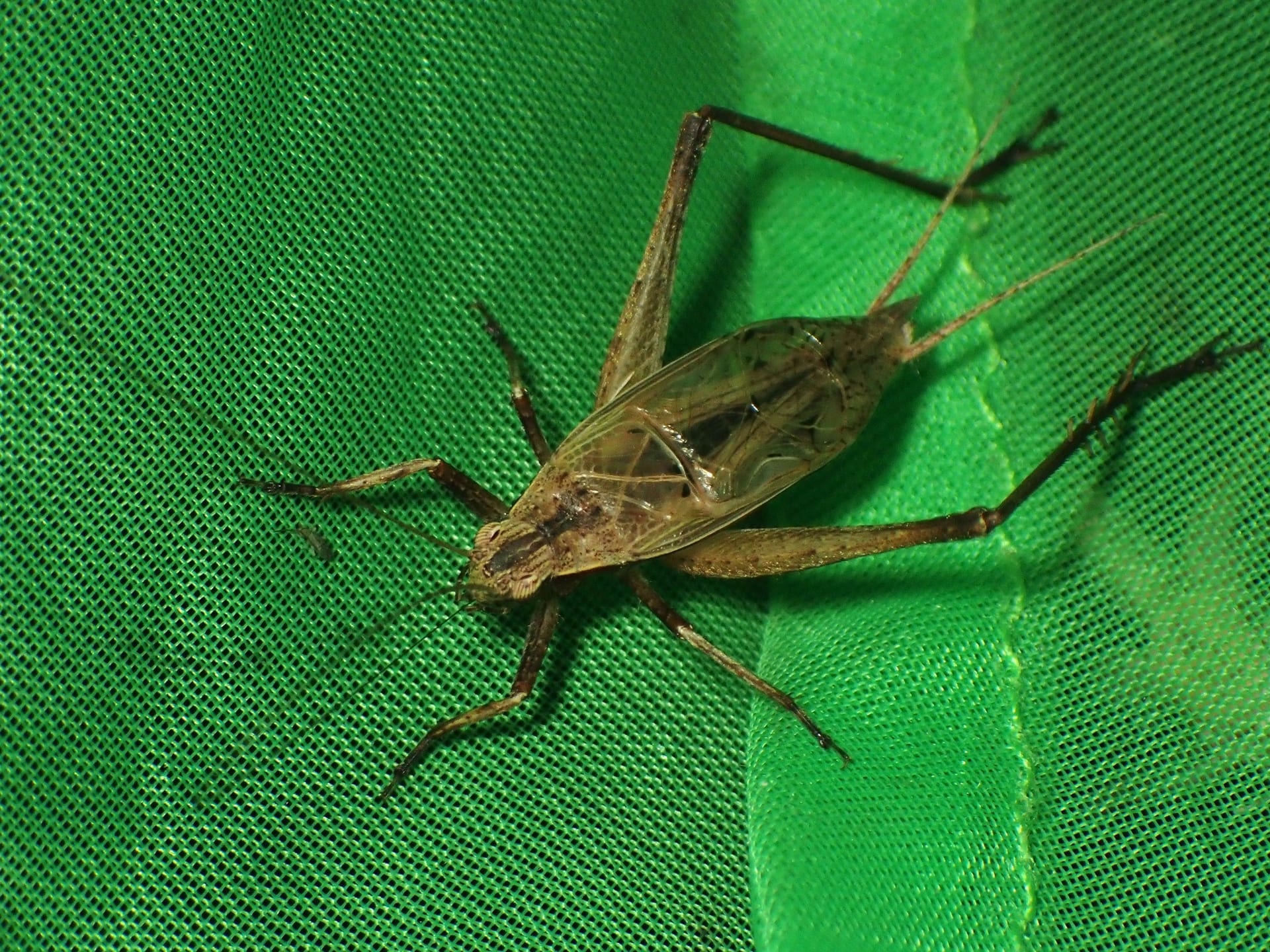
 © renshuchu (iNaturalist) / CC0
Pine Cricket
The Pine Cricket resembles the bell cricket but is noticeably larger, with a pale brown body and a sharp, clear song often described as "chin-chiro-rin." It favors dry, grassy habitats where pampas grass grows thick, and has long been treasured as one of Japan's classic autumn singing insects. Adhesive pads on its tarsi let it climb smooth vertical surfaces such as glass with ease. Because keeping conditions like temperature, humidity, and diet require careful attention, this species is generally recommended for experienced keepers rather than beginners. Its evening chorus makes it a distinctive addition to any autumn insect collection.
View Pine Cricket encyclopedia →0% commission on your first sales!Register by September 30, 2026 and your first 2 sales are commission-free!
Breeder Wanted!
List on BreederDirect and sell directly to customers nationwide!
6 Transparency Standards You Can Trust
When listing Insects, Breeders disclose the following. We guarantee transparency on growth stage and breeding unit.
- Life Stage Clarity
- Generation Info
- Real Photos
- Breeding Unit
- Country of Origin
- Body Length (mm)
Browse all 296 breeds
Verified breeders wanted for Insects
Breeders are signing up now ahead of launch. Subscribe to be notified when new listings go live.
Getting alerts is free with a member account. When new listings match your saved search, we'll notify you by email and in-app.
Browse other categories
Verified breeders (preview)
Pine Cricket key facts
- Care level
- Advanced
- Lifespan
- One year (single-brooded, overwintering as eggs)
- Size
- 19-33mm
- Diet
- Leaves of herbaceous plants, dead plant matter and insect carrion
- Temperature & Humidity
- It lives in dry, sunny grassland, so the damp substrate used for the bell cricket is not a suitable substitute.
- Breeding & Egg-laying
- The female lays into the stems of grasses rather than into soil. That makes the laying set fundamentally different from the bell cricket, which will lay in a simple layer of akadama soil, and breeding it in captivity is correspondingly harder. Whether living grass stems can be provided is the deciding factor.
- Cohabitation
- The adhesive pads let it climb vertical surfaces, so it will escape from an uncovered container. The song is loud, so think about where the container stands if several are kept together for listening.
- Lifespan & Rearing Period
- It is single-brooded and adults are on the wing from mid-August to late November. It emerges later than the bell cricket and sings on well into autumn.
- Health & Notes
- Because it lives in open grassland it suffers from development and trampling, and on riverbanks a population wiped out by flooding takes years to recover. It is heard less and less in cities. It is easily confused with the introduced Truljalia hibinonis, so check what the identification rests on when buying.
About Pine Cricket
A larger, pale-brown singing cricket related to the bell cricket, known for its sharp autumn song and glass-climbing adhesive footpads. Recommended for experienced keepers.
7 things to know before welcoming a Pine Cricket
1Best Suited to Experienced Keepers
Pine crickets require careful attention to temperature, humidity, and diet, making them better suited to keepers who already have some insect-keeping experience. If this is your first singing cricket, consider starting with an easier species like the bell cricket before taking one on.
2One-Year Lifespan, Overwinters as Eggs
Pine crickets complete a single generation per year, spending only one season as adults. They overwinter as eggs laid in autumn and hatch the following spring, so the adult stage itself is relatively brief.
3Prefers Dry, Grassy Habitat
In the wild, pine crickets live in dry grasslands where pampas grass grows thick. Keep their enclosure well-ventilated and on the dry side rather than overly humid.
4Known for Its Sharp, Clear Song
Their biggest appeal is a loud, clear call often described as "chin-chiro-rin." Since males sing to attract females, telling the sexes apart matters if you want to enjoy the song.
5Can Climb Vertical Surfaces
Adhesive pads on their tarsi let pine crickets climb smooth vertical surfaces like glass. Choose an enclosure with a secure, tight-fitting lid to prevent escapes.
6Slightly Larger Than the Bell Cricket
Adults measure roughly 19 to 33mm, giving them a sturdier build than the similar-looking bell cricket. Size your hideouts and layout accordingly.
7What to Prepare Before Bringing One Home
Along with an enclosure, substrate, hiding spots, and a food dish, choose a well-ventilated case that stays on the dry side. Since their sticky tarsi make escaping easy, double-check that the lid closes securely.
Frequently asked questions about Pine Cricket
- Q.Can beginners keep pine crickets?
- A.Pine crickets are generally considered an advanced-level species, requiring careful attention to temperature, humidity, and diet. If you're new to keeping singing insects, it's a good idea to gain experience with an easier species first.
- Q.How long do pine crickets live?
- A.Adults are active for only about one season, with just a single generation produced each year. They overwinter as eggs laid in autumn and hatch again the following spring.
- Q.Can pine crickets escape from their enclosure?
- A.Yes, adhesive pads on their tarsi let them climb smooth vertical surfaces like glass, so a loose-fitting lid can allow escapes. Choose an enclosure with a lid that closes securely and check for gaps.
- Q.Are pine crickets subject to CITES?
- A.Pine crickets are not subject to CITES.
- Q.What does a pine cricket's call sound like?
- A.It produces a sharp, clear call often described as "chin-chiro-rin." Males sing to attract females, and this song has long made the species one of Japan's classic autumn singing insects.
Useful tools for Pine Cricket care
Learn more about Pine Cricket in the encyclopedia
View Pine Cricket encyclopedia entry →
Care difficulty, lifespan, size and diet — all basics covered.
More in this category
Can't find the one you're looking for?
Post your wishes for free and breeders with matching animals will contact you with introductions.