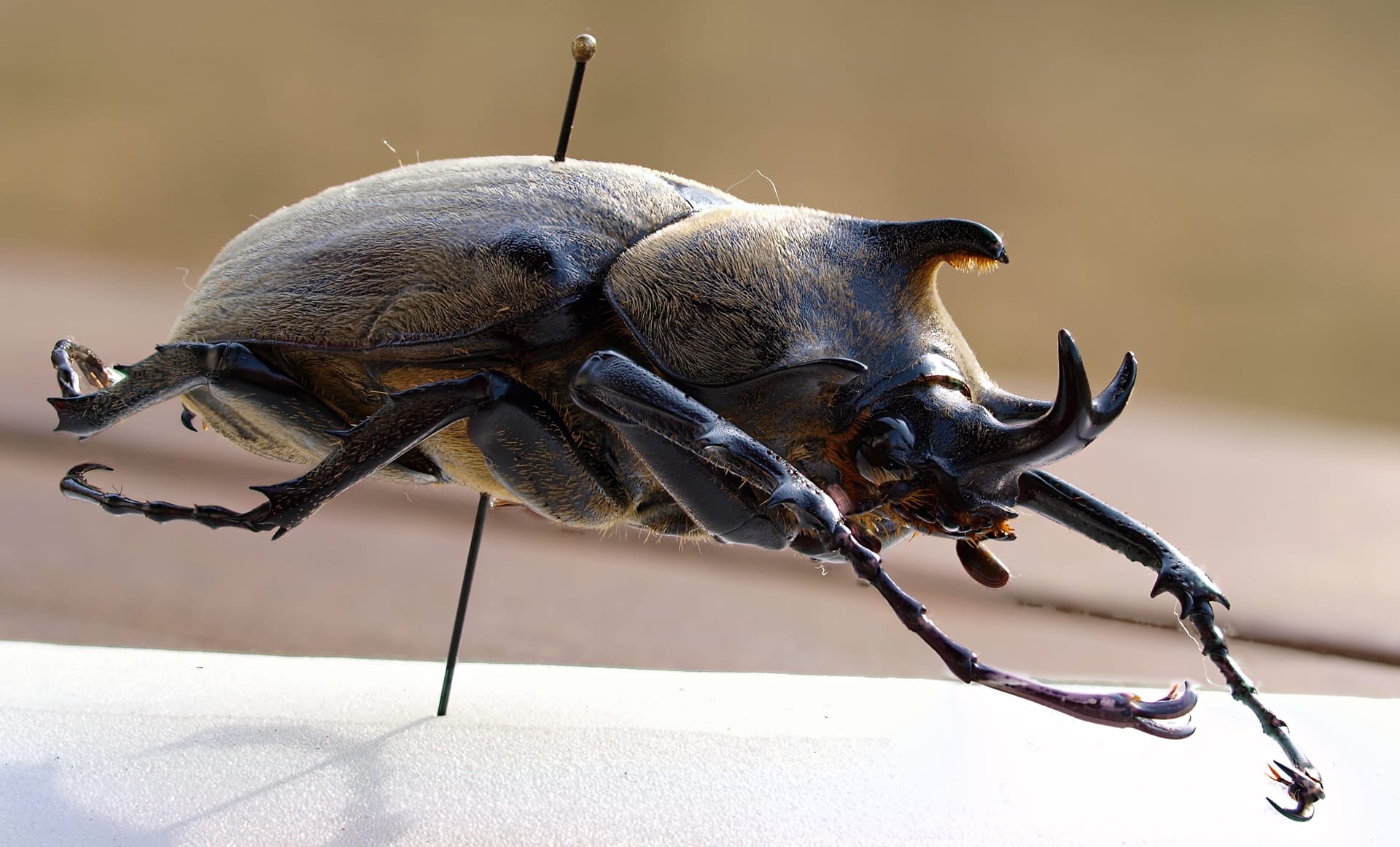
 © JohnSka / CC BY-SA 3.0
Gyas Elephant Beetle
The Gyas Elephant Beetle is a large, fuzzy species native to Brazil, instantly recognizable by the fine hairs covering its body. Males carry a single sturdy head horn along with three thoracic horns, giving them an imposing, rugged presence that has long appealed to beetle keepers. The species' subspecies classifications were streamlined in a 2020 taxonomic review, simplifying how it is categorized today. Larval development is relatively long at two to three years, rewarding keepers who enjoy watching a beetle grow slowly over time. Its temperament tends to be calm, making it approachable for careful handling and observation once you are used to keeping larger beetles.
View Gyas Elephant Beetle encyclopedia →0% commission on your first sales!Register by September 30, 2026 and your first 2 sales are commission-free!
Breeder Wanted!
List on BreederDirect and sell directly to customers nationwide!
6 Transparency Standards You Can Trust
When listing Insects, Breeders disclose the following. We guarantee transparency on growth stage and breeding unit.
- Life Stage Clarity
- Generation Info
- Real Photos
- Breeding Unit
- Country of Origin
- Body Length (mm)
Browse all 296 breeds
Verified breeders wanted for Insects
Breeders are signing up now ahead of launch. Subscribe to be notified when new listings go live.
Getting alerts is free with a member account. When new listings match your saved search, we'll notify you by email and in-app.
Browse other categories
Verified breeders (preview)
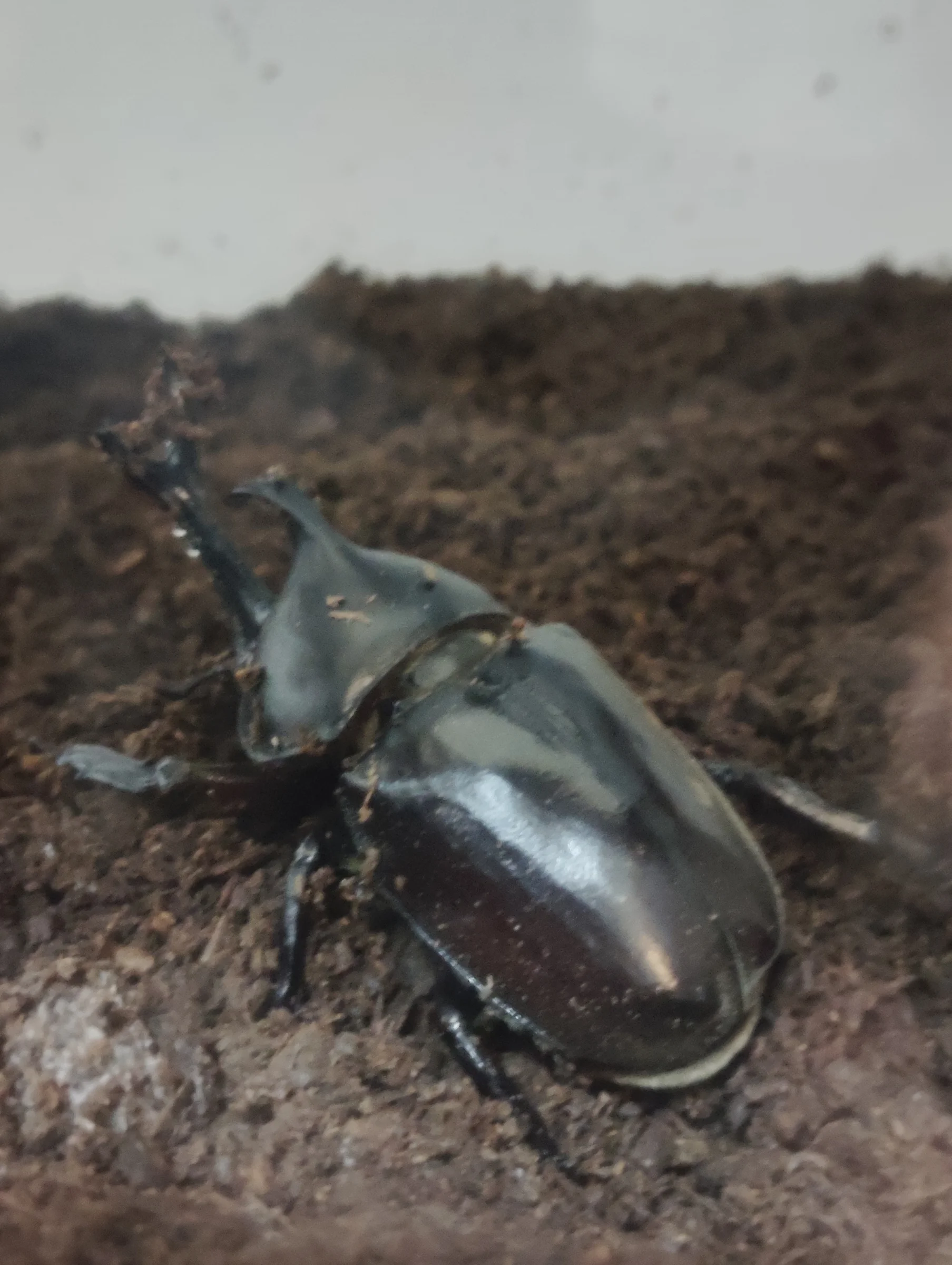
Gyas Elephant Beetle key facts
- Care level
- Intermediate
- Lifespan
- Larval period 2-3 years (genus-level figure)
- Size
- Males about 88mm, females about 54mm (cited example)
- Temperature
- 18℃
- Diet
- Beetle jelly, ripe fruit; larvae on well-fermented substrate
- Temperature & Humidity
- General rule for foreign beetles: above 18C in winter, below 30C in summer.
- Breeding & Egg-laying
- Eggs are laid in well-fermented substrate. Larvae grow large, so use high-volume containers.
- Cohabitation
- Males fight, so house singly. Cohabit only for pairing.
- Lifespan & Rearing Period
- Larval period is 2-3 years (genus-level figure); long-term temperature control is needed until emergence.
- Health & Notes
- The 2020 revision changed the taxonomy. Keep locality labels (northeast vs southeast) and avoid mixing stock.
About Gyas Elephant Beetle
A guide to the Gyas Elephant Beetle from Brazil: its hairy body, single head horn and three thoracic horns on males, a 2-3 year larval stage, and what to know before bringing one home.
7 things to know before welcoming a Gyas Elephant Beetle
1Distinctive Body Hair
One of the most distinctive traits of the Gyas Elephant Beetle is the fine hair covering its body. Compared to other elephant beetles, this texture stands out clearly and is one of the pleasures of observing the species up close.
2The Male's Impressive Horns
Males have a single head horn plus three thoracic horns, giving them a powerful, rugged look. Because the horns add bulk, take care with enclosure layout and handling so they don't get caught on decorations or your hands.
3A 2-3 Year Larval Stage
Larval development takes around two to three years, a general figure for the genus, so reaching adulthood is a long process. Plan for ongoing care such as periodic substrate changes over that extended period.
4Intermediate Care Level
This species is generally considered suitable for intermediate keepers. Managing temperature, humidity, and substrate conditions calls for some prior experience, so having kept other beetle species first is helpful.
5Size Difference Between Sexes
In recorded examples, males reach about 88mm while females are around 54mm, reflecting a notable size difference between the sexes. Combined with the presence or absence of horns, males and females look quite distinct.
6Keep Individually
Whether larvae or adults, housing multiple individuals together can lead to fighting or cannibalism. It's safest to keep each beetle in its own separate enclosure.
7A Streamlined Classification
The species was previously split into several subspecies, but a 2020 taxonomic review streamlined this classification. When choosing one, it's worth checking that the naming reflects the current classification.
Frequently asked questions about Gyas Elephant Beetle
- Q.Can beginners keep a Gyas Elephant Beetle?
- A.This species is generally rated for intermediate keepers. Prior experience with other beetle species makes managing temperature and humidity easier.
- Q.How large do adults grow?
- A.Recorded examples show males around 88mm and females around 54mm. Individual variation exists, so treat these figures as general reference points.
- Q.How long does the larval stage last?
- A.As a general figure for the genus, it takes around two to three years. Keeping this species means being prepared for a slow, patient path to adulthood.
- Q.Is the Gyas Elephant Beetle subject to any regulations?
- A.It is not subject to CITES.
- Q.How do males and females differ in appearance?
- A.Males have a single head horn and three thoracic horns, while females have no horns at all. There is also a size difference, with males growing larger than females.
Useful tools for Gyas Elephant Beetle care
Learn more about Gyas Elephant Beetle in the encyclopedia
View Gyas Elephant Beetle encyclopedia entry →
Care difficulty, lifespan, size and diet — all basics covered.
More in this category
Can't find the one you're looking for?
Post your wishes for free and breeders with matching animals will contact you with introductions.